

 Muslim
This article is an analysis of the evolving health crisis in Central Africa, based on reports originally published in June 2026.
The ghosts of 2014 are stirring once again in the dense forests and volatile borderlands of the Democratic Republic of Congo (DRC) and Uganda. As a new, particularly lethal strain of the Ebola virus gains a foothold, the global community finds itself in a precarious position. The virus, which had already been circulating for months before detection in May 2026, presents a terrifying medical challenge: there are currently no approved vaccines or targeted therapeutics to neutralize this specific variant.
The crisis is not merely a biological emergency; it is a geopolitical failure. Years of retreating from international health commitments, the shuttering of critical aid agencies, and the erosion of global cooperation have left the world’s most vulnerable regions dangerously exposed.
The Anatomy of an Outbreak: Main Facts
Ebola virus disease (EVD) remains one of the most feared pathogens on earth, characterized by its rapid onset, brutal symptoms, and high case-fatality rate. The current outbreak is situated in a region defined by "compounding crises"—a term used by humanitarian experts to describe the intersection of a pathogen with an active, violent conflict.
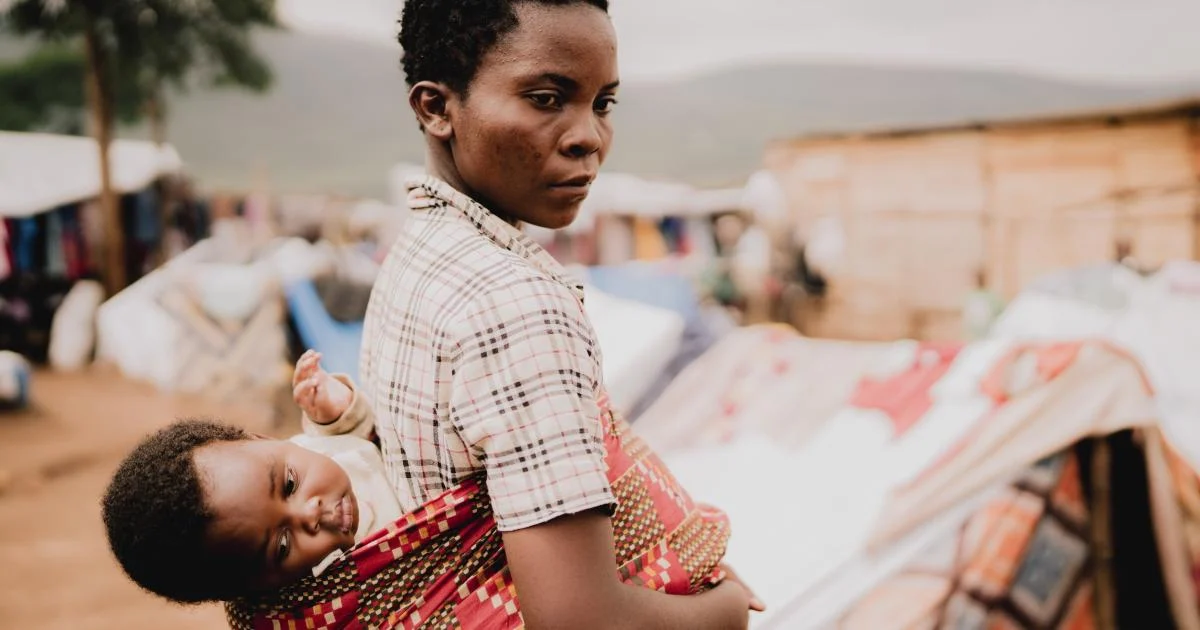
In the eastern provinces of the DRC, particularly Ituri, the virus is moving through populations already displaced by war. With over 3.4 million people uprooted from their homes, the traditional methods of containment—contact tracing, quarantine, and movement restriction—are effectively impossible to implement. When you add the fact that the virus had a "silent" incubation period of several months, the epidemiological math becomes grim. We are no longer chasing the virus; we are running behind it.
A Chronology of Chaos
To understand the gravity of the current situation, one must look at the historical trajectory of Ebola’s recent history:
- August 2014: The West African epidemic reaches its zenith. As the former director of foreign disaster assistance at USAID, I witnessed the collapse of the maternity ward in Monrovia, Liberia. The silence in those wards was not peace; it was the sound of a healthcare system destroyed by fear. The 2014 epidemic was 67 times larger than any prior outbreak, claiming 11,000 lives.
- 2018–2020: The Kivu Ebola outbreak in the DRC tested the international community’s ability to operate in conflict zones. Despite the deployment of 700 WHO officials, the virus proved resilient, killing 2,300 people over two years.
- 2024: A year of global contraction. Following the closure of USAID’s mission and systemic budget cuts, U.S. financial support to the DRC plummeted from $545 million to a mere $84 million.
- May 2026: The current outbreak is officially detected. By this time, the virus has already reached Kampala, Uganda, signaling a transition from a localized rural crisis to an urban transmission threat.
Supporting Data: The Cost of Neglect
The disparity in funding tells the story of our current vulnerability. In the past, the "playbook" for Ebola containment relied on a robust, well-funded infrastructure. This included the deployment of mobile laboratories, the procurement of millions of units of personal protective equipment (PPE), and the rapid mobilization of thousands of frontline healthcare workers.
Today, the numbers paint a picture of abandonment:
- Displacement: 3.4 million people are displaced in the DRC’s eastern provinces, with nearly one million currently living in Ituri—the epicenter of the outbreak.
- Logistical Blockades: The Goma airport, the primary gateway for humanitarian aid in the region, has been closed since January 2025 due to the occupation of the area by the M23 rebel group.
- The Funding Gap: Donor nations have pivoted away from global health, prioritizing domestic defense spending over international humanitarian security. The resulting shortfall has left health facilities without even the most basic diagnostics or safe-burial kits.
The Security and Political Landscape
The modern Ebola response cannot be separated from the geopolitical reality of the Congo. The DRC is currently home to over 100 active armed groups. In many of these territories, the national government exerts little to no authority.
When international responders arrive, they are often viewed with suspicion—or outright hostility. The trauma of previous conflicts, combined with the spread of misinformation, has led to violent incidents, including the burning of clinic tents and the targeting of burial teams. When a population fears the "cure" more than the disease, the virus wins.
The fall of Goma to Rwanda-backed rebels has fundamentally altered the supply chain. Humanitarian organizations that once operated with the support of a global network now find themselves negotiating access with warlords, navigating checkpoints, and attempting to deliver life-saving supplies into areas where the rule of law has entirely evaporated.
Implications: The Price of Recklessness
The decision by the United States to withdraw from the World Health Organization and drastically reduce the staff at the Centers for Disease Control and Prevention (CDC) is not an internal policy shift—it is a global security catastrophe. By dismantling the institutions capable of coordinating a global health response, the U.S. has effectively shredded the safety net that prevented the 2014 epidemic from becoming a global pandemic.
If the international community does not act immediately, the implications are twofold:
- Epidemiological Spread: Without effective contact tracing and isolation, the virus will continue to move along the transit corridors linking rural eastern Congo to the urban centers of Uganda and beyond. The modern connectivity of East Africa makes a local outbreak a potential regional one in a matter of weeks.
- Societal Collapse: In areas where the state is already failing, the addition of a deadly, uncontrollable virus acts as a catalyst for total system failure. Schools, markets, and local governance structures will dissolve, leading to further mass migration and the potential for a secondary humanitarian crisis in neighboring states.
The Path Forward: Can We Reclaim the Playbook?
Containment is not impossible. We have the knowledge; what we lack is the political capital. To reverse this trajectory, the international community must engage in a three-pronged strategy:
- Financial Re-engagement: The $84 million currently allocated is a fraction of what is required to stabilize the region. Donor nations must re-establish funding mechanisms to provide the necessary diagnostic infrastructure and support the NGOs that remain on the ground.
- Scientific Acceleration: There is an urgent, non-negotiable need for research and development. The scientific community must be incentivized to produce vaccines and treatments tailored to this specific strain of Ebola, fast-tracking clinical trials that have been stalled by a lack of investment.
- Diplomatic Pressure: The security of humanitarian corridors is a prerequisite for health. The international community must prioritize diplomatic efforts to secure the Goma airport and other essential hubs, ensuring that aid can reach the epicenter without passing through hostile, militarized zones.
The tragedy of the current Ebola outbreak is that it was foreseeable. We have watched the slow-motion dismantling of global health readiness, and now we are paying the price in human lives. The virus does not care about borders, partisan politics, or the shifting priorities of global superpowers. It thrives in the spaces where we are absent. If the world continues to look away, the death toll will not just be a statistic—it will be a permanent indictment of our generation’s failure to protect one another.
The containment of Ebola is a test of our collective humanity. We are at a crossroads: we can either muster the will to restore the global health infrastructure, or we can wait for the virus to dictate our future for us. History will not be kind to those who chose the latter.

 Nana Muazin
 Pevita Pearce