

 Lina Hope
As Shakespeare famously mused, “All the world’s a stage.” In the contemporary art market, that stage is rarely a proscenium; instead, it is a modular, freshly drywalled booth inside a cavernous convention center or a historic armory. For galleries, the art fair booth serves as the ultimate high-stakes gamble—a platform to court blue-chip collectors, secure museum acquisitions, and signal institutional relevance.
As the spring fair season reaches its crescendo in New York City, anchored by the juggernaut that is Frieze at The Shed, the question of cost has moved from the hushed hallways of gallery offices to the forefront of industry discourse. Hyperallergic contacted 13 major New York art fairs to pull back the curtain on booth pricing. The resulting data reveals a complex, often opaque ecosystem where "affordability" is relative, and the cost-benefit analysis for a gallery involves far more than just the square footage on the floor.
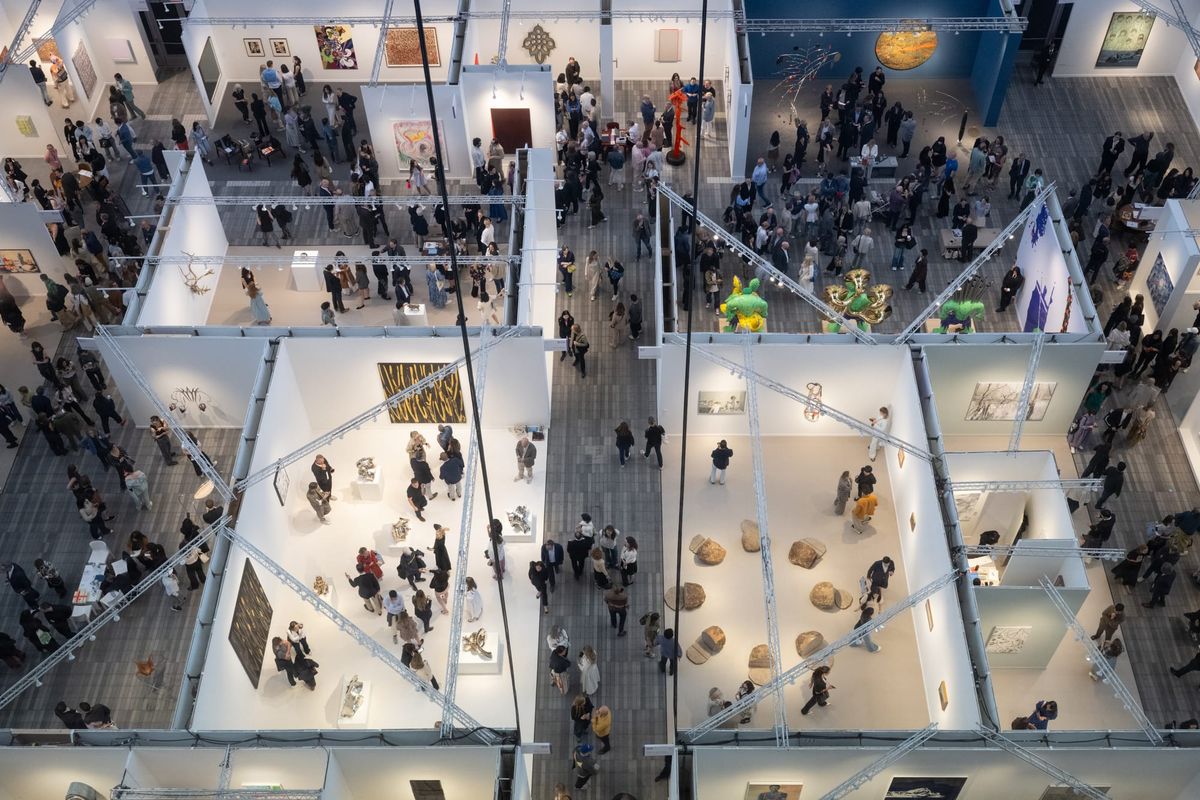
The Calculus of Participation: Main Facts and Hidden Costs
For a gallery, a booth fee is merely the down payment. Once the contract is signed, the real expenses accumulate: international shipping, crating, insurance, professional installation teams, staff travel, hotel accommodations in a notoriously expensive city, and the logistical labyrinth of getting accepted by vetting committees.
When analyzing booth costs, a stark divide emerges between the "mega-fairs" and the smaller, niche-focused incubators. While some fairs operate on a flat fee per booth, others utilize a price-per-square-foot model, which can cause costs to balloon quickly for larger presentations. Our investigation into 13 New York fairs reveals that while some organizations are leaning into transparency to support the next generation of dealers, others maintain a level of traditional reticence that keeps the market’s power dynamics firmly in place.

Chronology: From the Armory to the Shed
The New York fair season is a tightly packed schedule that dictates the rhythm of the city’s commercial art world. The spring season begins in earnest as the weather turns, with fairs like the Brooklyn Fine Art Print Fair and Conductor setting the stage in April. These early entries often emphasize community-driven models.
By mid-May, the city’s attention shifts to the heavyweights. Frieze New York, which kicks off its VIP preview today at The Shed, remains the barometer for the market’s health. Following closely or overlapping are fixtures like the Affordable Art Fair, NADA (New Art Dealers Alliance), and Independent. The season is punctuated by the prestige of the European Fine Art Foundation (TEFAF) New York, which transforms the Park Avenue Armory into a bastion of historical and contemporary luxury.
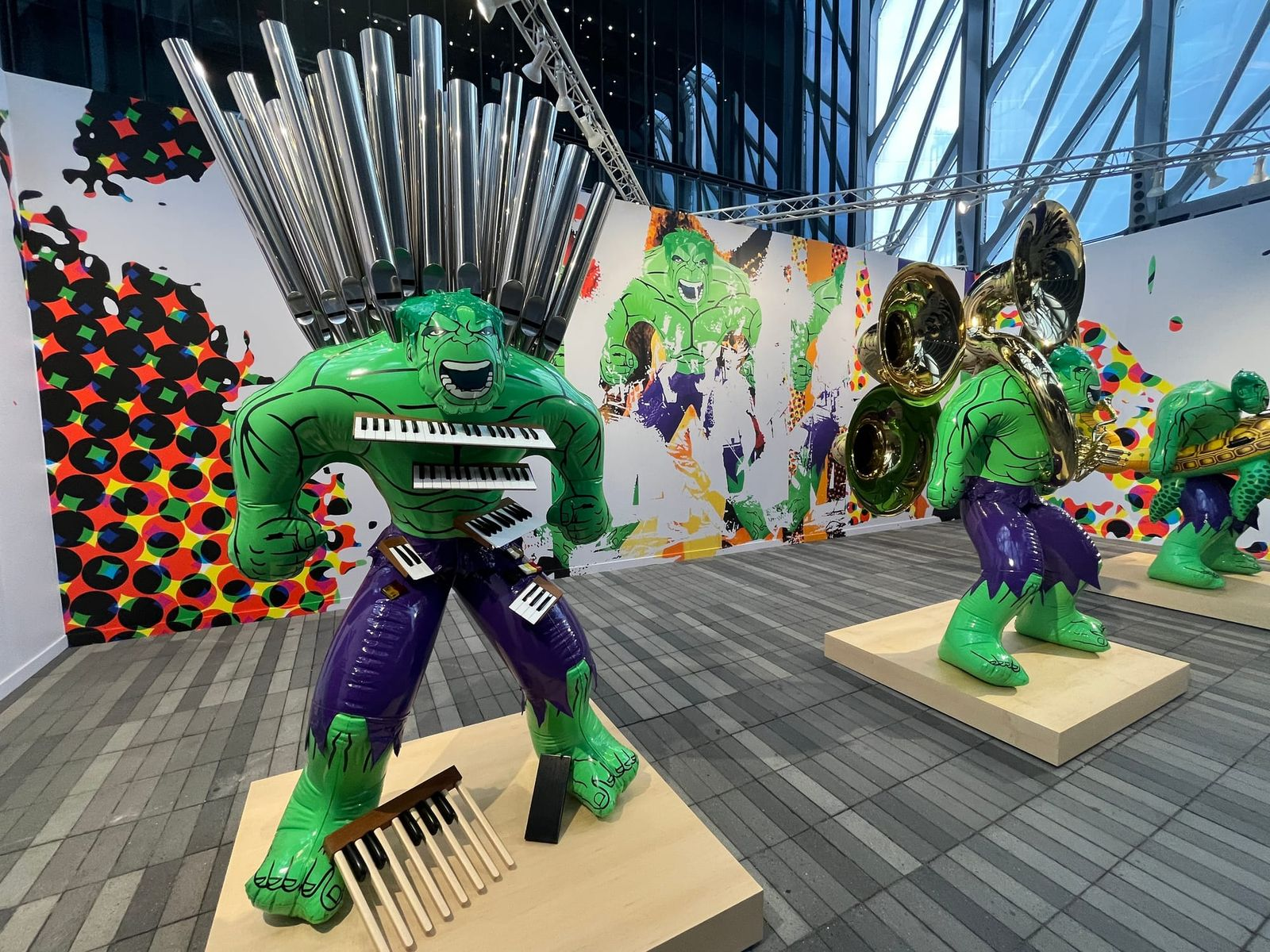
Supporting Data: A Breakdown of Market Rates
The data collected suggests that the price of a booth in New York is as much about prestige as it is about physical space.
The Heavyweights: Frieze and TEFAF
At Frieze New York, pricing is tiered. Smaller booths in the main section command between $31,977 and $42,669 (approx. $99 per sq. ft.). Scaling up to the largest booths (up to 807 sq. ft.) costs upwards of $91,700 to $105,717. Conversely, the "Focus" section for younger galleries offers a vital lifeline, with booths ranging from $11,825 to $14,795 ($55 per sq. ft.).
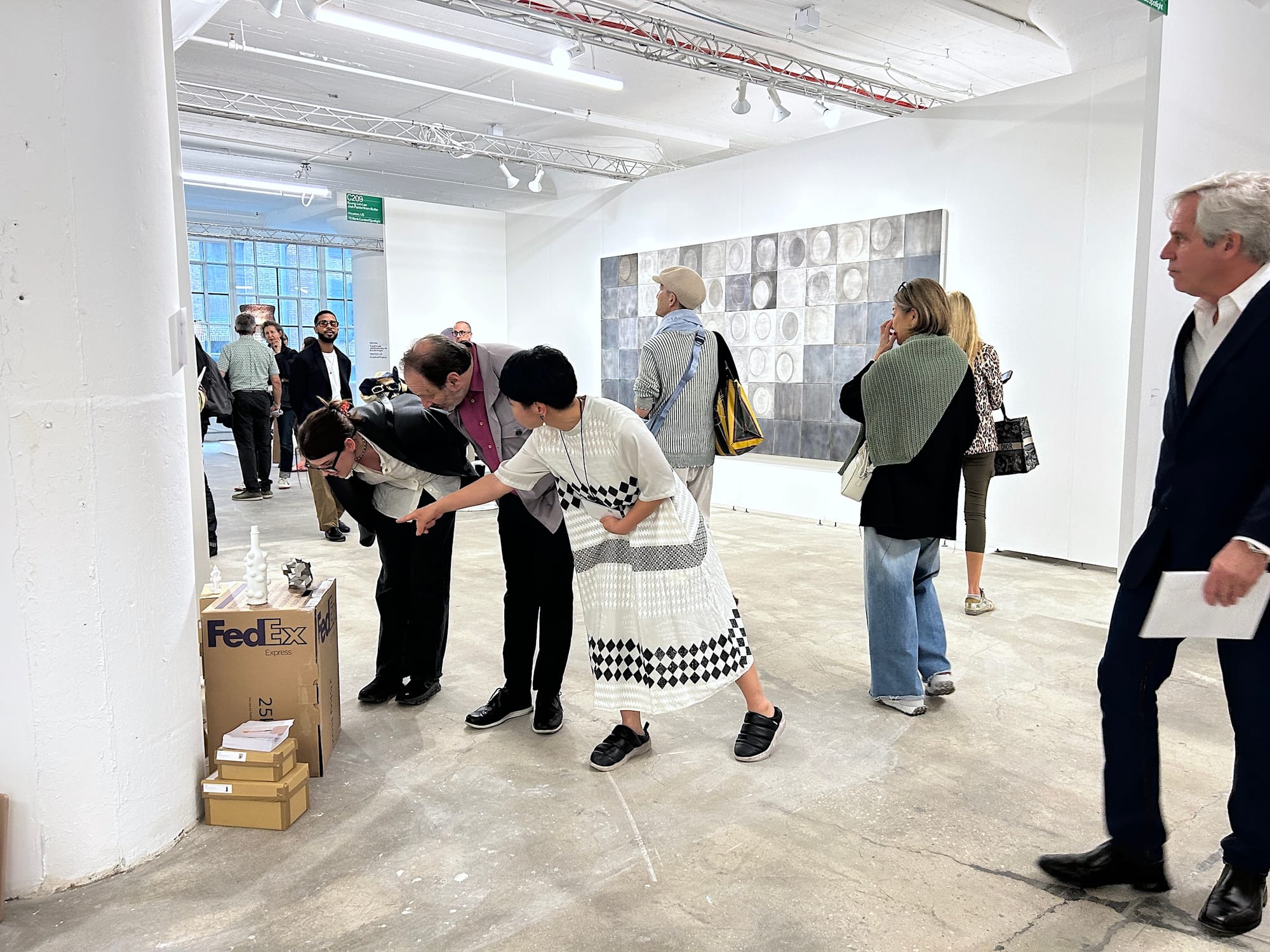
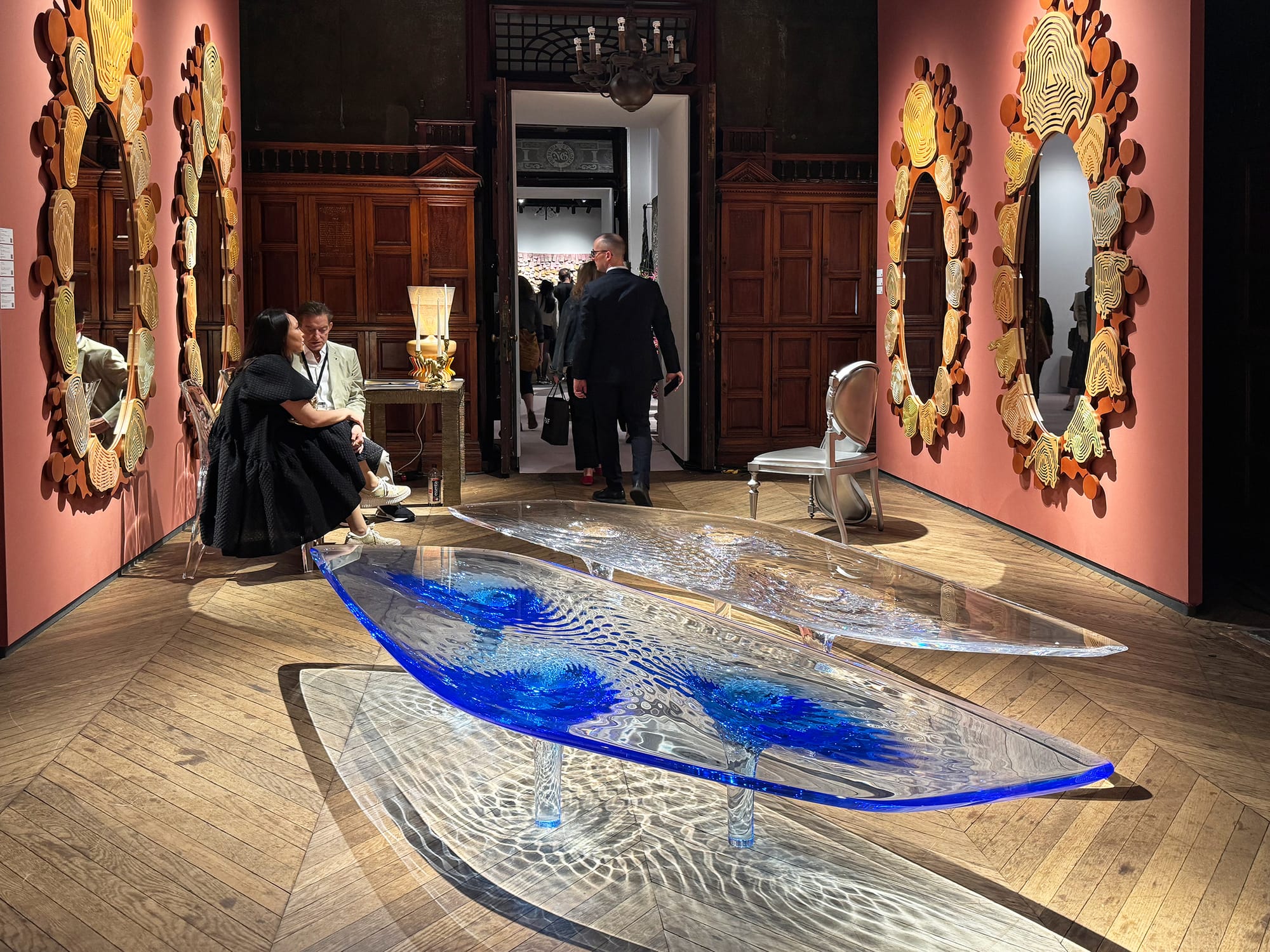
TEFAF, meanwhile, remains the outlier. It is the only fair on our list that declined to provide official pricing. However, industry insiders suggest that a prime space at the Park Avenue Armory can cost between $70,000 and $90,000. As art consultant Dulcina Abreu of DAE notes, “TEFAF curates a luxury experience—they design even the drinks.” For the exhibitors, that fee is a tax on exclusivity.
The Mid-Tier and Incubators: NADA, Independent, and Future
NADA stands out as a "best-value" proposition. With main-section booths at $11,000 and a "NADA Projects" tier at $3,500, the fair has kept prices consistent since 2022. Similarly, Future Art Fair utilizes a "pay-it-forward" model, donating 15% of previous profits to subsidize emerging dealers.
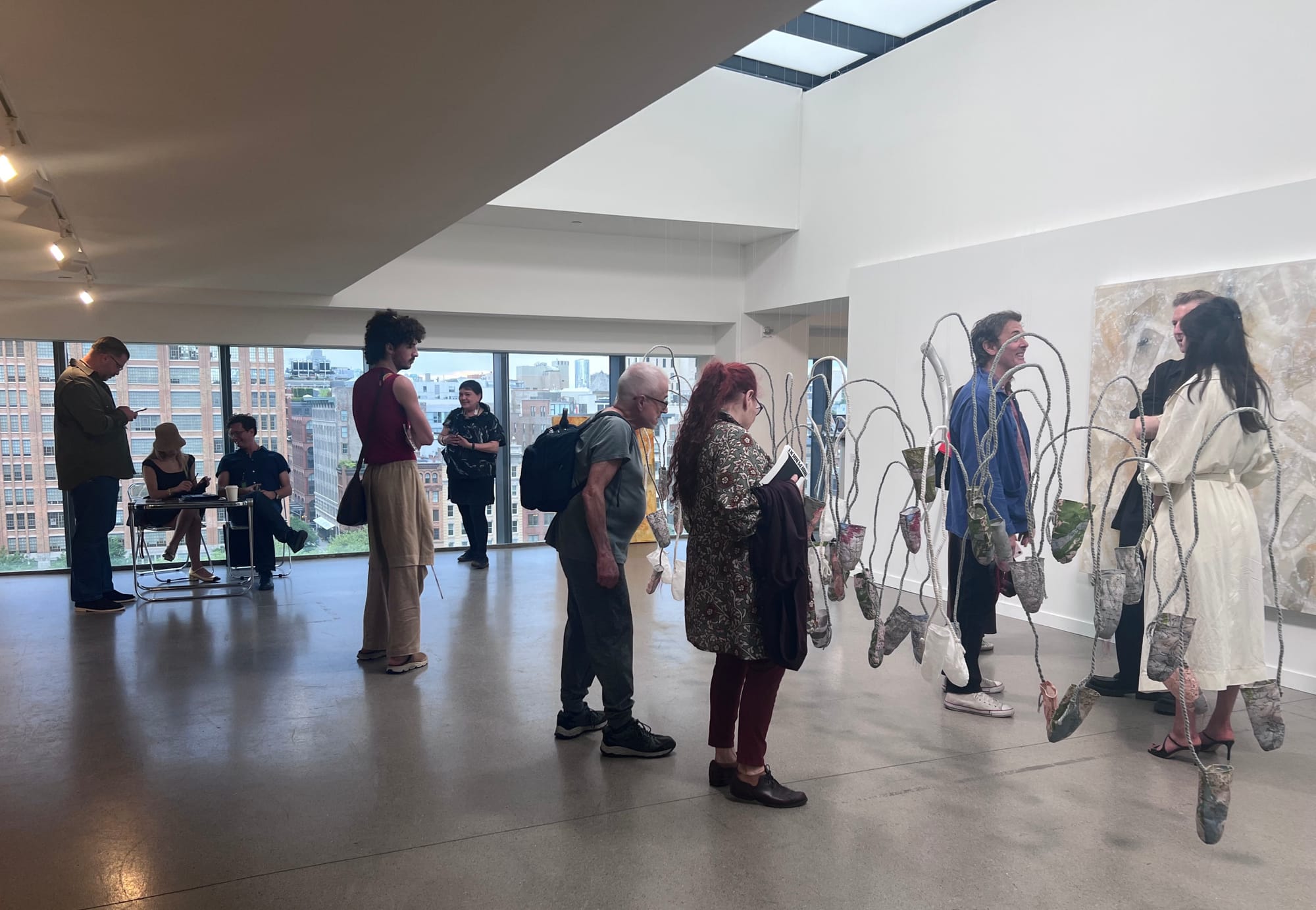
Independent Art Fair occupies a different niche, charging $110 per square foot. While they declined to provide a range of sizes, this rate positions them as more expensive than Frieze’s entry-level main-section booths, signaling a premium on their highly curated, lower-density aesthetic.
Specialized and Accessible Fairs
- The Other Art Fair: Focused on artist-led booths, prices range from $2,250 to $5,305.
- Clio Art Fair: A unique, low-cost model starting at $1,500, prioritizing emerging talent.
- Brooklyn Fine Art Print Fair: Offering traditional booths between $5,000 and $9,000, with subsidized spaces for printmaking departments.
- Conductor: An inaugural fair for the "global majority," offering booths from $2,500 to $12,500.
- The Photography Show (AIPAD): Ranges from $15,500 to $60,000, with a "Focal Point" section for emerging dealers at $7,500.
- Affordable Art Fair: Despite the name, fees are roughly $7,000 to $30,000, though they offer fellowships to waive these costs for select local galleries.
Official Responses and Strategic Rationales
The varying approaches to pricing reflect the underlying business models of these organizations. For-profit entities like Frieze must answer to shareholders, while non-profit organizations like IFPDA and NADA are driven by mission-led sustainability.

"Affordability shouldn’t be a barrier to participation in New York’s cultural exchange," says AIPAD Executive Director Lydia Melamed Johnson. Her sentiment is echoed by Alessandro Berni of Clio, who admits that his low-cost model is an anomaly. "I don’t know how long this model can hold, but for now, somewhat surprisingly, it works."
These organizers are increasingly aware that if the "middle class" of the art world—the mid-sized galleries—are priced out, the ecosystem loses its vitality. Consequently, many are introducing "subsidized tiers," "fellowships," or "acquisition funds," such as the new Sherman Family Foundation Acquisition Fund at Frieze, which aims to support artists in the Focus section.
Implications: The Future of the Art Market
The implications of this pricing structure are profound. When booths cost as much as a small apartment’s annual rent, galleries are forced to play it safe. They are less likely to exhibit challenging, experimental, or conceptual work that doesn’t have an immediate, high-value buyer. This "market-savvy" approach risks homogenizing the art on display.
Furthermore, the divide between the "haves" (galleries that can afford a $100k booth at Frieze or TEFAF) and the "have-nots" (galleries scraping by to afford a $3k space at an incubator) is widening. The rise of fair alternatives like Conductor and the continued success of the Clio model suggest that there is a growing appetite for decentralized, community-focused spaces that prioritize artist support over pure commercial throughput.
However, the reality remains: the "fair circuit" is a machine that requires fuel. Until the industry finds a way to decouple artistic value from the square footage of a booth, the cost of being seen in New York will remain one of the most significant, and most scrutinized, aspects of the art business. Whether this leads to a market correction or an even more exclusive future remains to be seen, but for now, the booths are up, the drywall is white, and the gamble continues.

 Evan Lee Salim
 Laily UPN