




 Asro
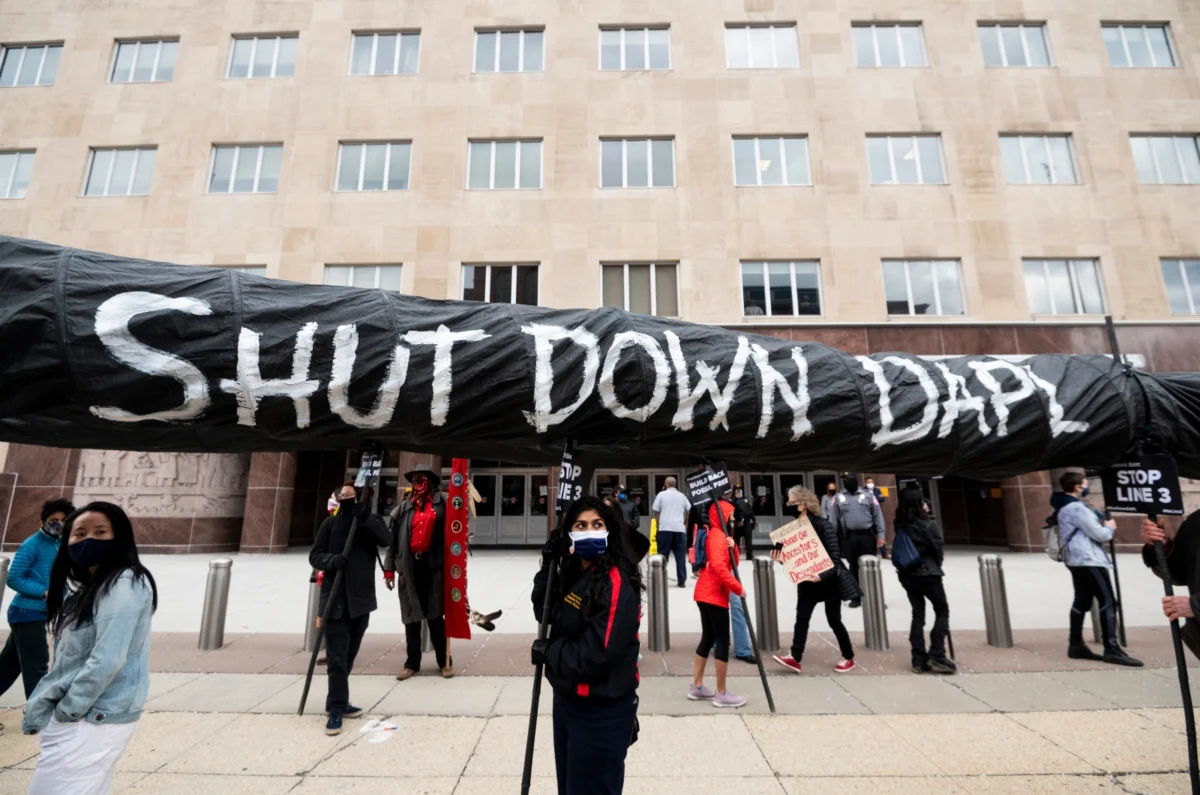
For decades, the climate movement in the United States was unified by a singular, overarching directive: keep fossil fuels in the ground. From the massive protests against the Keystone XL pipeline to the grassroots battles against local fracking sites, the strategy was defined by resistance. However, as the urgency of the climate crisis has collided with the practical reality of grid limitations, a profound fracture has emerged.
The movement has split into two distinct factions: the "blockers," who prioritize stopping fossil fuel expansion and protecting environmental statutes, and the "builders," who argue that the only way to save the planet is to accelerate the deployment of clean energy at an unprecedented scale. This ideological civil war has reached a boiling point with the introduction of the Bipartisan American Affordability and Jobs Act (BAAJA).
The Main Facts: What is BAAJA?
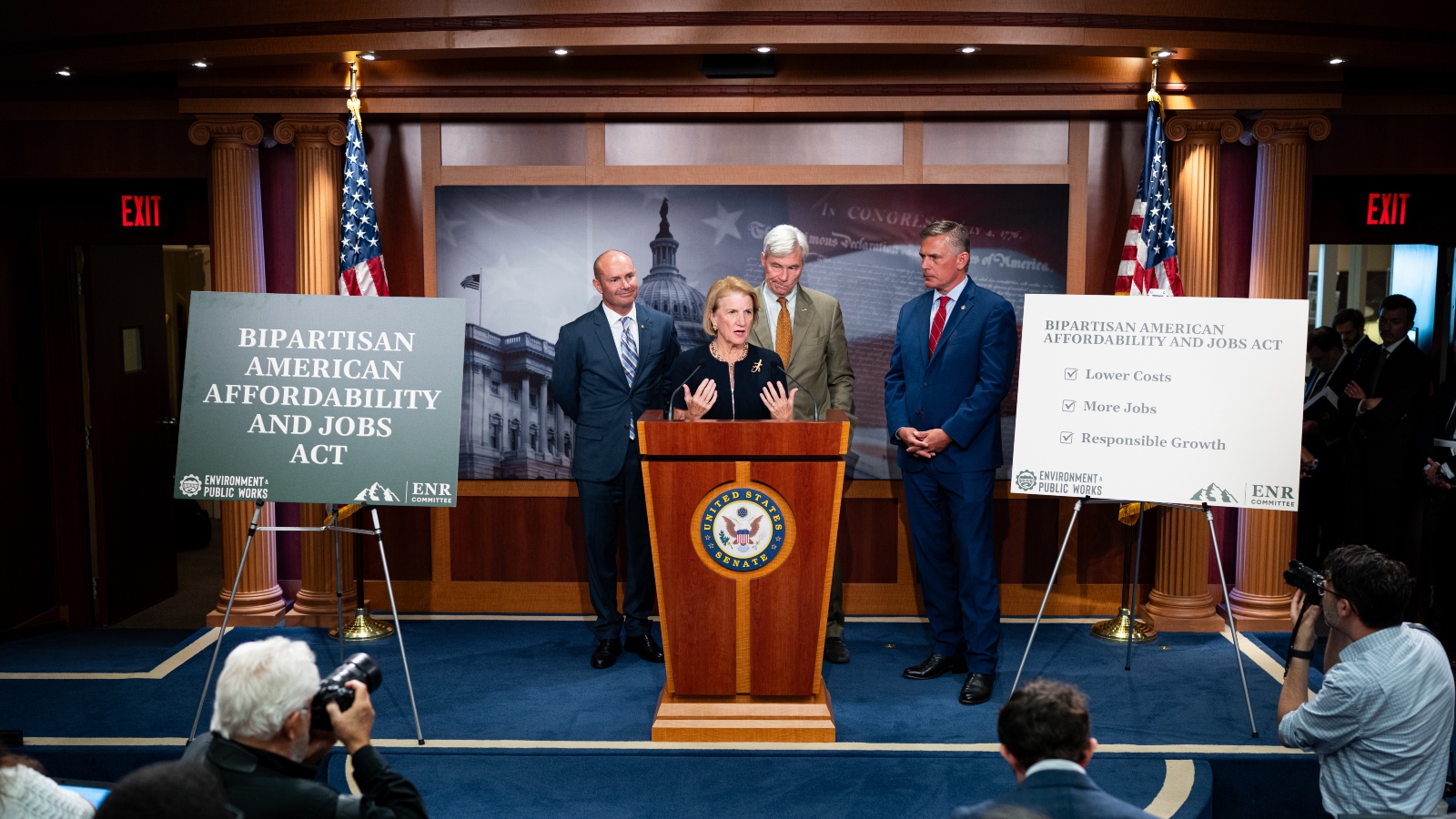
The Bipartisan American Affordability and Jobs Act is a massive, 400-page legislative package that aims to fundamentally rewire how the United States handles infrastructure development. Negotiated by a bipartisan group of senators—Democrats Sheldon Whitehouse of Rhode Island and Martin Heinrich of New Mexico, alongside Republicans Mike Lee of Utah and Shelley Moore Capito of West Virginia—the bill represents a high-stakes gamble on the future of American energy.
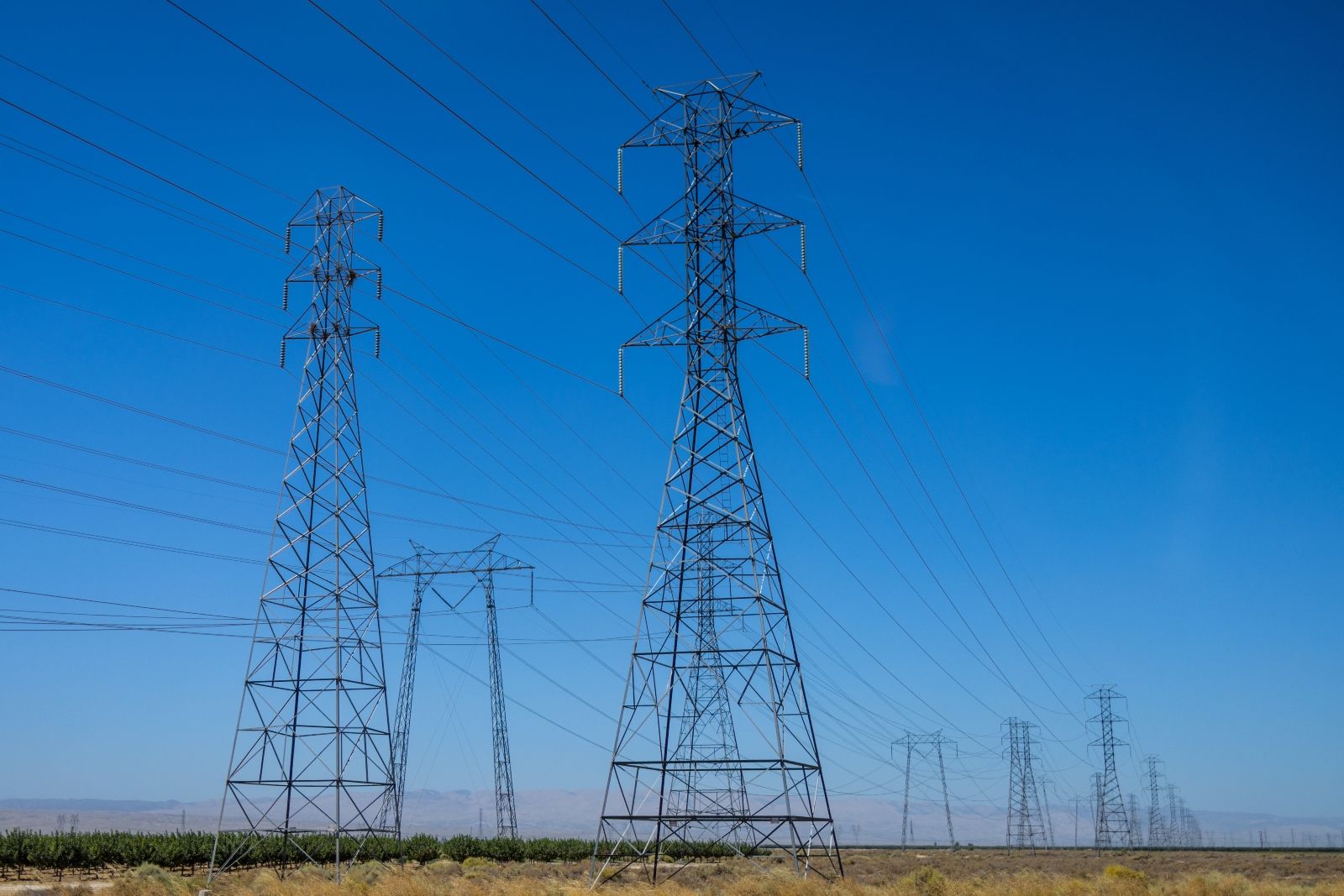
At its core, the legislation seeks to streamline the permitting process for all energy projects, including transmission lines, wind and solar farms, and gas pipelines. It proposes significant revisions to the National Environmental Policy Act (NEPA), the bedrock of American environmental law. By imposing strict time limits on legal challenges, restricting the scope of environmental reviews, and limiting the ability of courts to halt construction, the bill intends to remove the "procedural bottlenecks" that proponents say have stifled the green energy transition.
Chronology: A Path to Confrontation
The path to BAAJA was paved by years of mounting frustration on both sides of the aisle.
- The Era of Resistance: Throughout the 2010s and early 2020s, the climate movement found success in delaying fossil fuel infrastructure through litigation and public pressure.
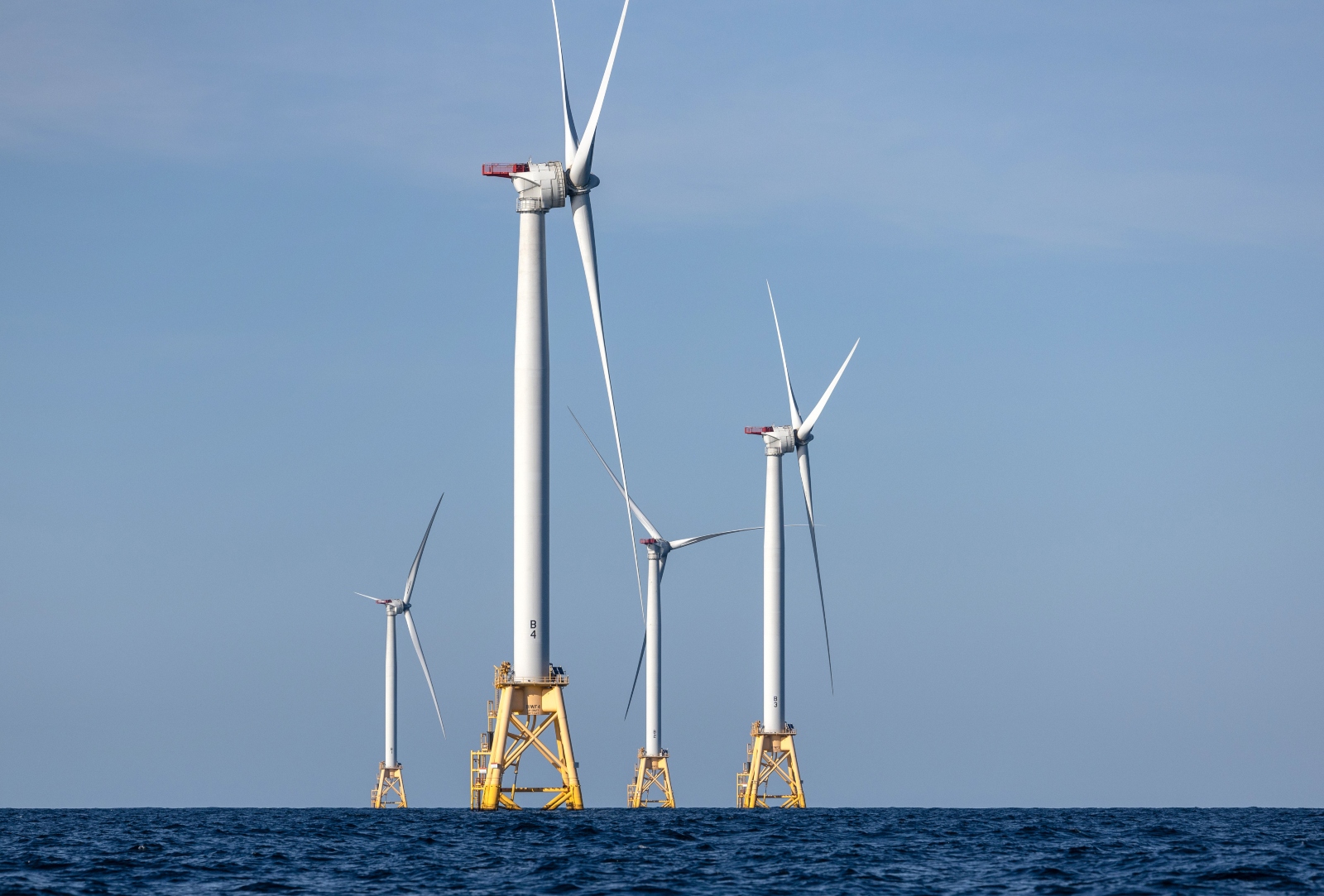
- The Bottleneck: As solar and wind technology plummeted in cost, developers found that while the technology was ready, the infrastructure was not. High-voltage transmission lines became the new battleground, and the same environmental laws used to block oil pipelines were increasingly catching renewable energy projects in their crosshairs.
- The "Four Corners" Negotiation: Following months of closed-door discussions, the bipartisan group of senators reached a consensus in late 2026.
- The Present: With Congress currently in recess, the political landscape is bracing for a massive lobbying battle. The bill is expected to face intense scrutiny in the House of Representatives following the midterm elections.
Supporting Data: The Case for Speed
Proponents of the legislation point to a stark reality: the current pace of construction is insufficient to meet global climate targets. Data from a 2025 study highlights the depth of the problem, revealing that 64% of proposed solar projects and 38% of wind projects are currently ensnared in NEPA-related litigation.
"It’s a lot easier to prevent things from being built than to build things," says Zeke Hausfather, a climate expert at Berkeley Earth. "I don’t want us to run roughshod over any community, but we also can’t give everyone a veto for an issue as important as climate change."
The economic argument is equally compelling for the industry. Without the ability to move power from wind-rich regions like the Dakotas to energy-hungry urban centers, the cost of electricity is expected to rise. The bill’s proponents argue that by "clearing the deck," the U.S. can transition to a cleaner grid, even if that transition requires compromising on some environmental protections.
Official Responses and Internal Discord
The bill has triggered an unprecedented divide among environmental advocacy groups. While many smaller, community-focused organizations have condemned the bill as a "Faustian bargain," major NGOs have been more cautious.
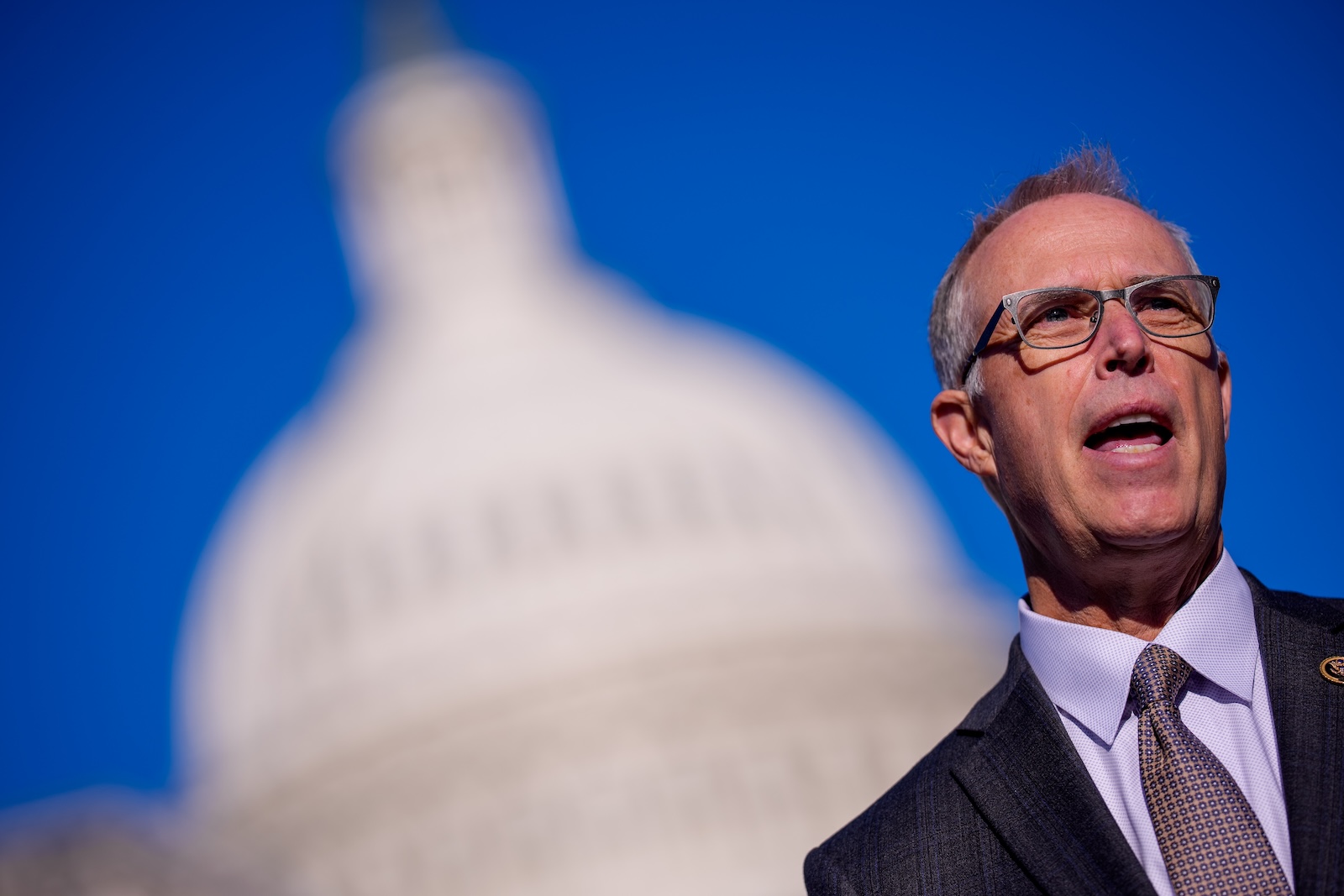
Representative Jared Huffman (D-Calif.) has emerged as a vocal critic, labeling the bill a "Trojan horse" for the fossil fuel industry. "It is definitely exposing a potential fault line between the environmental community and clean energy interests," Huffman noted. He argues that by stripping away protections, the bill gives fossil fuel companies a permanent foothold, essentially trading away the right to challenge future oil and gas projects for the sake of immediate wind and solar gains.
Conversely, industry groups are celebrating. Ray Long, president of ACORE, noted, "This is a great bill, and it’s a huge step in the right direction. We need to build a ton of stuff over the next four years, or else we’re going to have higher electricity prices."
Notably, the silence from powerhouses like the Natural Resources Defense Council (NRDC) and the Sierra Club speaks volumes. While they have expressed concern, they have not joined the coalition of groups formally opposing the bill, suggesting that even the most established voices in the movement are struggling to reconcile their traditional "blocker" instincts with the "builder" necessity.
Implications: A New Era of Climate Strategy
The implications of BAAJA extend far beyond the energy sector. If passed, the legislation would signal a paradigm shift in how the United States governs its public lands and environmental protections.
1. The Death of the "Veto"
The most significant change is the curtailment of litigation. By requiring lawsuits to be filed within 150 days and restricting the ability of courts to pause projects, the bill effectively ends the strategy of "litigating a project to death." For Indigenous groups and local communities, this represents a loss of their most effective tool for self-determination and environmental protection. Valerie Grussing of the National Association of Tribal Historic Preservation Officers warns that the changes will "guarantee that construction… can proceed without meaningful Tribal involvement."
2. The Fossil Fuel Lock-in
The environmental exemption for natural gas pipelines and the "permitting certainty" provisions represent major concessions to the fossil fuel industry. While supporters argue these are necessary evils to get transmission lines built, opponents warn that they lock in fossil fuel dominance for decades. If a future administration is barred from discriminating against "any specific energy source," the legal pathway for future presidents to pause LNG exports or offshore oil development could be permanently closed.
3. The Future of the Climate Movement
Perhaps the most lasting impact of BAAJA will be the internal transformation of the climate movement itself. The era of the "unanimous front" is likely over. We are moving into a period where the climate movement must choose between purist resistance and pragmatic construction.
As the battle for the bill moves into the next legislative cycle, the question remains: Can the U.S. build its way out of the climate crisis, or is the process of building just as important as the destination? The "builders" believe that if we can’t beat the fossil fuel industry through protest, we must simply build something that replaces it. The "blockers" believe that in doing so, we are destroying the very environment we are trying to save.
Whatever the outcome, the rift in the climate movement suggests that the coming years will be defined not just by the technology we deploy, but by the legal and social compromises we are willing to make to power the future. The debate over BAAJA is not merely a dispute over infrastructure; it is a fundamental disagreement about the nature of progress in a warming world.


 Evan Lee Salim

 Asep Darmawan






