


 Sagoh
September 25, 2026 | By HIAS Staff
More than six weeks have passed since the ground shook beneath the Chocó province, yet the scars left by the 7.4 magnitude earthquake that struck Colombia on August 10, 2026, remain vividly etched across the landscape. Centered near San José del Palmar, the seismic event stands as one of the most lethal and destructive natural disasters in the nation’s modern history. As the initial dust settles, the scale of the humanitarian crisis continues to unfold, revealing a complex web of displacement, infrastructure collapse, and profound human suffering.
For over 466,000 people, life as they knew it ended on that summer morning. With more than 200,000 homes severely damaged or destroyed, the recovery process is not merely a matter of rebuilding structures; it is an immense, ongoing effort to restore dignity, security, and stability to a population grappling with the compounding trauma of natural disaster, climate instability, and regional conflict.
Main Facts: A Disaster of Historic Proportions
The earthquake, which struck with a magnitude of 7.4, sent shockwaves through the western half of Colombia, devastating the provinces of Risaralda, Valle del Cauca, Chocó, Quindío, and Caldas. The official toll remains staggering: at least 331 lives lost, over 4,500 people injured, and 111 individuals still missing, their fates unknown in the rubble and debris of rural villages.
The destruction has been indiscriminate, affecting schools, healthcare facilities, and the basic arteries of commerce and communication. In the rural communities of Naranjal and Primavera, the situation is particularly dire. These areas, already characterized by geographic isolation, have seen their limited access to clean water, electricity, and telecommunications severed entirely. For families residing here, the earthquake did not just destroy homes; it dismantled their access to the most fundamental requirements for survival.
Chronology of the Crisis
The timeline of the disaster began on August 10, 2026, when the seismic shift sent the country into immediate chaos. The first 72 hours were defined by a desperate search-and-rescue phase, complicated by the mountainous terrain of the Chocó province and the subsequent damage to critical infrastructure.
By mid-August, the focus shifted from acute rescue to emergency relief. HIAS Colombia, leveraging its established presence in the region, mobilized rapid response teams to perform damage assessments and coordinate with local partners. By late August, the focus moved toward establishing shelter and securing supply chains for food and hygiene kits.
As of late September 2026, the emergency response has transitioned into a stabilization phase. While international attention often shifts as the initial reports fade from the headlines, the reality on the ground is that thousands remain displaced. The challenge has now evolved into managing the medium-term needs of survivors—ensuring that the temporary housing solutions provided in cities like Cali are effectively bridging the gap to permanent reconstruction.
Supporting Data: The Scope of the Impact
The magnitude of the humanitarian need is quantified by the sheer volume of damage. The United Nations Office for the Coordination of Humanitarian Affairs (OCHA) has identified 466,000 people as directly affected. This figure includes those who have lost their livelihoods, those who are currently displaced, and those who have suffered the loss of family members.
Economic infrastructure has been crippled. The destruction of health centers means that common ailments and earthquake-related injuries are going untreated in many rural sectors. Furthermore, the damage to educational institutions has disrupted the lives of thousands of children, creating a secondary crisis in human development and social stability. The economic impact on these provinces—already vulnerable—is expected to have long-term repercussions for the local economy, as agricultural production and local commerce remain at a standstill.
Official Responses and the Role of Humanitarian Actors
The Colombian government, in collaboration with international non-governmental organizations (NGOs), has mounted a massive multi-pronged response. However, the complexity of this earthquake is that it occurred simultaneously with a host of other environmental and social challenges.
Colombia is currently facing a volatile period marked by wildfires, volcanic alerts, and severe flooding, all of which are being exacerbated by the El Niño climate phenomenon. When these natural hazards are layered over existing, long-standing conflict-related displacement, the resources of the state are stretched to their breaking point.
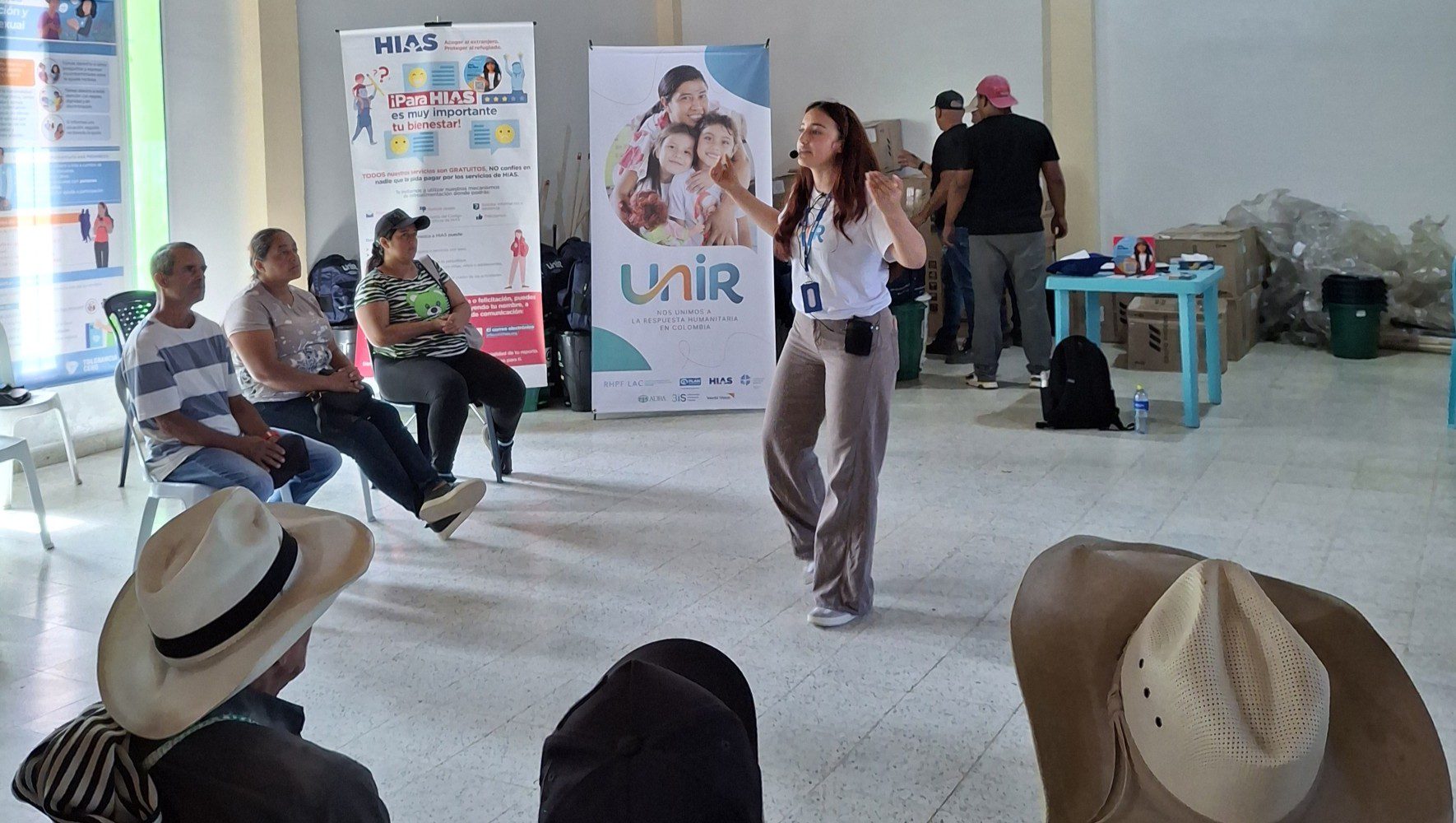
HIAS Colombia has emerged as a critical pillar of support in this environment. By operating within the UNIR consortium and utilizing funding from the Colombia Humanitarian Fund, HIAS has provided a lifeline to those whom the traditional state response might otherwise miss.
Practical Intervention: The HIAS Approach
HIAS’s strategy is twofold: immediate relief and community empowerment.
- Direct Assistance: Through cash-based interventions and the distribution of hygiene and sanitation kits, HIAS ensures that families have the agency to purchase what they need most.
- Capacity Building: Beyond physical goods, HIAS conducts community workshops. These sessions are vital, focusing on hygiene, waste management, and safe water practices to prevent the outbreak of disease in overcrowded temporary settings.
- Strategic Housing: Recognizing that homelessness is the most acute post-disaster threat, HIAS has partnered with organizations like Airbnb to provide temporary shelter. This program is specifically targeted toward the most vulnerable: families with young children, individuals with chronic illnesses, and those at high risk of sexual or domestic violence.
The story of Catherine, a survivor from the impacted region, serves as a poignant reminder of why this work matters. Left homeless after her roof collapsed, Catherine faced the prospect of life on the streets with two children. Through the referral network established by HIAS, she was transitioned into secure, temporary housing in Cali, providing her the 28-day window of safety needed to process the trauma and begin planning for a sustainable future.
Implications: The Road to Reconstruction
The earthquake of August 2026 has fundamentally altered the trajectory of development in western Colombia. The implications for the future are threefold:
1. Vulnerability of Infrastructure: The disaster has exposed the fragility of rural infrastructure in the face of climate change. Future reconstruction efforts cannot simply restore what was lost; they must focus on "building back better"—incorporating seismic-resilient designs and sustainable energy solutions that can withstand both geological and meteorological shocks.
2. The Multi-Hazard Environment: Colombia’s experience is a harbinger of the "new normal" for many nations in the Global South. The collision of seismic activity, climate change, and human conflict requires a new humanitarian framework. Organizations must become more agile, capable of addressing chronic displacement and acute disaster simultaneously.
3. The Importance of Long-term Solidarity: The urgency of the first month has passed, but the vulnerability of the survivors remains high. The psychological impact of losing one’s home and community is a process that takes years, not weeks, to heal. The international community’s commitment must move beyond the immediate disaster response into a sustained investment in social cohesion and local economic recovery.
Your Support Matters
The path to recovery is long, and the needs remain significant. Thousands of families are still living in uncertainty, waiting for the resources to rebuild their homes and their lives.
HIAS remains committed to being on the ground, working hand-in-hand with the people of Colombia. But this work is only possible through the generosity of donors who recognize that the plight of the displaced is a shared human responsibility. Your contribution provides more than just food or shelter; it provides the psychological safety and the physical foundation upon which a family can begin to hope again.
As we look toward the months ahead, the focus must remain on the families in Naranjal, the mothers in Cali, and the children in the Chocó province. They are the faces of the recovery. By supporting HIAS, you are helping to ensure that the earthquake of 2026, while devastating, does not define the future of these communities.
To learn more about how you can contribute to the relief efforts or to see how HIAS is working to build a more stable, secure future for displaced people, please visit the HIAS Colombia portal. Together, we can turn the tide from tragedy toward resilience.


 Reynand Wu