

 Jia Lissa
Main Facts: A Region on the Brink
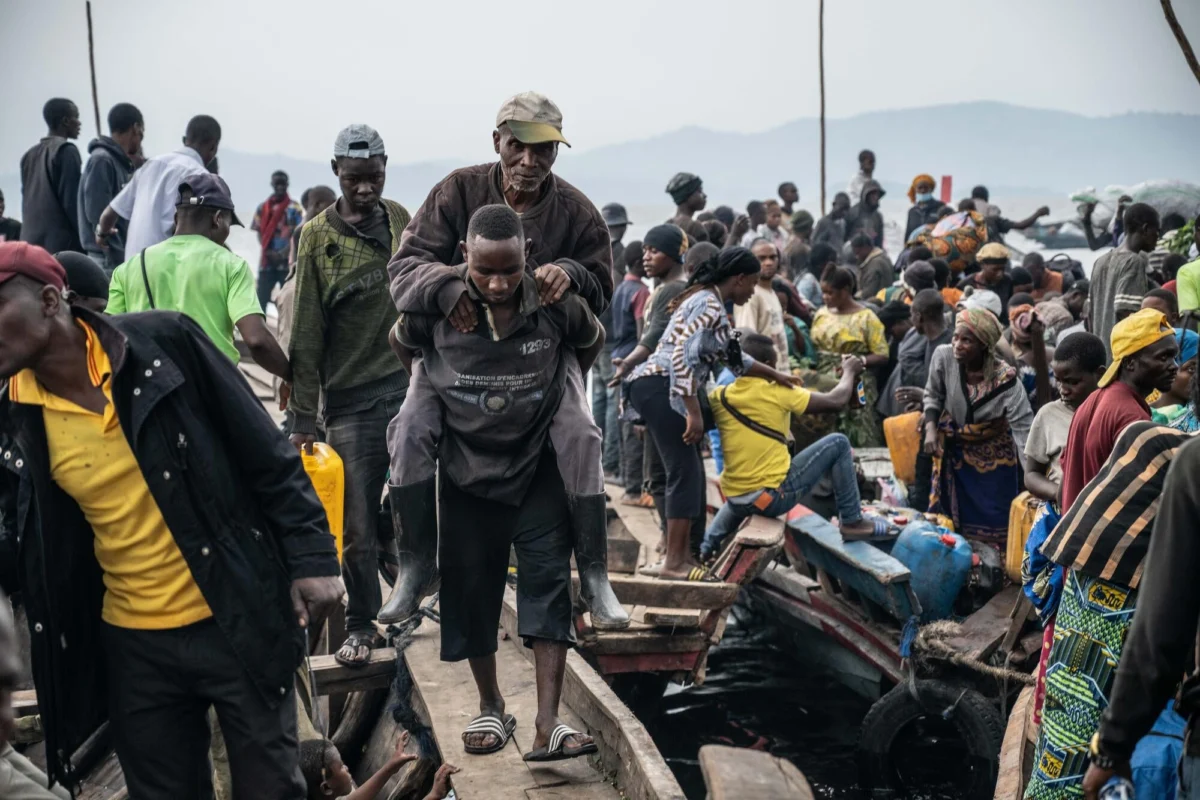
The eastern Democratic Republic of the Congo (DRC) is currently grappling with one of the most volatile security situations in decades. Since January 2025, the conflict between the M23 rebel group—allied with the Alliance Fleuve Congo (AFC)—and the Congolese armed forces (FARDC), supported by various local defense groups, has intensified significantly.
What began as a localized insurgency has spiraled into a sprawling theater of war that has now transcended the borders of North Kivu, spilling aggressively into South Kivu. The strategic capture of key urban centers and the rapid displacement of hundreds of thousands of civilians have pushed the region’s fragile healthcare infrastructure to the point of collapse. Médecins Sans Frontières (MSF) and other humanitarian organizations on the ground report a harrowing landscape: mass casualties, severely restricted access to essential nutrition, and a looming shadow of infectious disease outbreaks.
The conflict, which has been simmering since 2022, reached a boiling point in early 2024 and has seen a renewed, violent surge in the first months of 2025. With the M23/AFC coalition now exerting control over significant swathes of North Kivu—including parts of the regional hub, Goma—and pushing deeper into the southern territories of Kalehe and Kavumu, the humanitarian consequences are no longer isolated; they are systemic.
Chronology of the 2025 Escalation
To understand the current crisis, one must trace the rapid deterioration of security that has characterized the start of 2025.
- January 2025: Hostilities escalate sharply as M23/AFC forces launch a coordinated offensive. The front lines, which had remained relatively stagnant throughout late 2024, shift rapidly.
- Mid-January 2025: Goma, the provincial capital of North Kivu and a critical nexus for humanitarian aid, experiences intense fighting. The proximity of the conflict to urban residential areas triggers mass panic and secondary displacement for thousands of families already living in precarious conditions.
- Late January 2025: M23/AFC forces consolidate their positions in North Kivu and begin a southward push. Strategic towns in South Kivu, specifically Kalehe and the outskirts of Kavumu, fall under rebel influence.
- February 2025 (Present): The front line remains fluid and dangerously close to major civilian centers. While some areas have seen a tenuous de-escalation that allowed aid organizations to cautiously resume operations, the threat of renewed combat remains constant.
The Humanitarian Toll: Supporting Data and Realities
The statistics emerging from the region paint a bleak picture of human suffering. In North Kivu, the situation in displacement camps has become critical. The lack of clean water, combined with inadequate sanitation facilities in densely populated informal settlements, has created the perfect breeding ground for waterborne diseases, particularly cholera.
The Healthcare Crisis
For medical teams, the challenge is twofold: treating trauma cases resulting from direct combat and managing the "hidden" casualties of war—those dying from preventable diseases, malnutrition, and a total lack of access to maternal and pediatric care.
In Goma, the escalation forced MSF to partially suspend operations in several displacement camps. Despite these setbacks, the organization maintained life-saving surgeries and trauma care at Kyeshero Hospital. The resilience of these facilities is currently being tested by a surge in patients arriving with gunshot wounds, shrapnel injuries, and complications from long-term displacement.
The Displacement Cycle
Many of the civilians currently fleeing the front lines are "repeat displaced." Having been forced from their homes in 2022 or 2024, these individuals are now experiencing their third or fourth displacement event. This creates a state of "protracted vulnerability," where the psychological trauma of constant flight is compounded by the physical toll of living in makeshift shelters without access to food or medicine.
Official Responses and Operational Challenges
The response from international NGOs has been characterized by high-risk, high-reward maneuvering. When the fighting in Goma reached its peak, security protocols necessitated a temporary withdrawal of staff to ensure the safety of aid workers. This, however, created a dangerous vacuum in care.
The MSF Perspective
MSF teams continue to provide medical assistance through a combination of regular projects and emergency rapid-response teams. Their mandate remains focused on three primary pillars:
- Trauma Surgery: Managing the influx of wounded individuals from the front lines in Masisi, Mweso, and South Kivu.
- Disease Surveillance: Monitoring for cholera and other infectious diseases in overcrowded displacement sites.
- Needs Assessment: Conducting daily evaluations to determine where the next intervention must occur, given the shifting map of the conflict.
The organization has emphasized that while the situation in Goma has "de-escalated somewhat," the respite is fragile. The resumption of activities is not a return to normalcy but rather an adaptive response to a dynamic, hostile environment.
Implications: A Region at a Crossroads
The implications of the M23/AFC advance are far-reaching, affecting both regional stability and global humanitarian policy.
Regional Instability
The movement of the front line toward South Kivu is particularly concerning. Historically, South Kivu has been a region with different political and ethnic dynamics than North Kivu. The arrival of the M23/AFC in this area risks widening the scope of the conflict, potentially drawing in a wider array of local armed groups and increasing the complexity of peace negotiations.
The Threat of Epidemics
With the rainy season approaching and large populations living in high-density areas with little to no access to potable water, the risk of a major cholera epidemic is not merely theoretical—it is an impending probability. The humanitarian community is warning that unless safe water and sanitation are prioritized alongside medical care, the death toll from disease could eventually surpass the death toll from the fighting itself.
The Need for Safe, Voluntary Returns
As noted by humanitarian advocates, the goal must remain the "dignified and voluntary return" of displaced people. However, in the current climate, such a goal is unattainable. True stability requires not only a cessation of hostilities but also a restoration of basic state services, including the protection of civilian infrastructure.
Conclusion: A Call for Sustained Attention
The crisis in the DRC is often described as a "forgotten conflict," yet for the millions trapped in the crossfire, it is an all-consuming reality. The escalation of 2025 has proved that without a durable political solution, the military situation will continue to oscillate between active combat and unstable truces, with the civilian population paying the ultimate price.
For now, the priority remains clear: the wounded must be treated, the hungry must be fed, and the vulnerable must be protected from the looming threat of disease. As humanitarian actors continue to assess the situation day by day, the international community is tasked with maintaining its focus on the eastern DRC, ensuring that the necessary resources are available to address what remains one of the world’s most acute and under-reported humanitarian emergencies.
The path forward is fraught with uncertainty, but the commitment of medical teams on the ground serves as a vital lifeline in a region where such relief is increasingly rare. As the next few days unfold, the international community must remain vigilant, as the situation on the ground remains as volatile as it is devastating.

 Sagoh
 Reynand Wu