

 Rifan Muazin
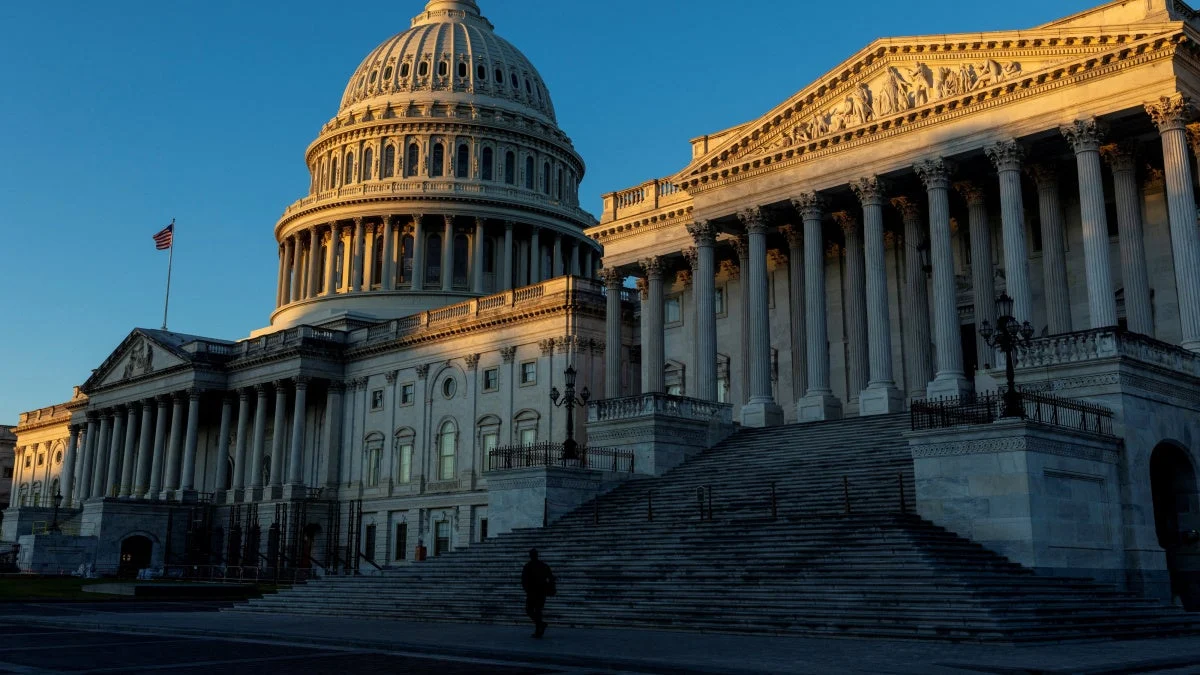
WASHINGTON, DC — Following the decisive November 3, 2026, midterm elections that granted the Democratic Party control over both the House of Representatives and the Senate, the incoming 120th Congress stands at a pivotal crossroads. With a new legislative majority in place, advocacy groups—most notably Human Rights Watch (HRW)—are calling for an immediate and aggressive pivot toward the restoration of human rights protections, both within the borders of the United States and across the global stage.
As the nation transitions into this new legislative session, the mandate is clear: the era of perceived impunity for executive overreach must end. Lawmakers are now being urged to utilize their robust oversight authority to investigate, dismantle, and remedy what observers describe as systemic abuses committed during the second term of the Trump administration.
The Core Mandate: Restoring the Rule of Law
The primary challenge facing the new Congress is the restoration of federal institutions that have been, according to civil rights advocates, systematically hollowed out over the past two years. Michael García Bochenek, interim US program director at Human Rights Watch, emphasized that the incoming legislative body has a moral and constitutional obligation to reverse the trend of executive negligence.
"This newly elected Congress will convene at a critical moment for human rights domestically and globally," Bochenek stated. "Lawmakers should challenge the Trump administration’s many abuses, embrace the oversight authority provided to Congress, and act decisively to respect, protect, and fulfill human rights."
The legislative agenda, as proposed by rights advocates, focuses on three pillars: aggressive oversight of the Department of Homeland Security (DHS), the restoration of the federal civil rights infrastructure, and a fundamental reassessment of US foreign military and security policy.
Chronology of Crisis: A Two-Year Retrospective
The urgency of this congressional agenda is rooted in a turbulent two-year period characterized by rapid policy shifts and administrative erosion.
- 2025–2026 (The Erosion Phase): Throughout the second Trump administration, federal agencies—specifically the Department of Justice (DOJ), the Department of Education, and the Department of Housing and Urban Development—saw their enforcement capacities significantly curtailed.
- November 2025: The disclosure of systematic torture and sexual violence against Venezuelan nationals transferred to El Salvador’s CECOT prison signaled a shift toward outsourcing human rights violations to third-country partners.
- March 2026: An unlawful airstrike on a primary school in Minab, Iran, resulted in the deaths of over 150 civilians, the vast majority being children. This incident remains a flashpoint for calls for congressional investigation.
- June 2026: Federal enforcement actions in Minnesota were characterized by rights groups as "state-sponsored terror," highlighting the growing volatility of domestic immigration enforcement.
- August 2026: The release of reports detailing the abandonment of civil rights enforcement mechanisms across federal agencies confirmed a strategic withdrawal of government protection for vulnerable populations.
- November 3, 2026: The midterm elections result in a shift in congressional control, providing the legislative branch with the tools necessary to perform independent oversight.
Supporting Data: The Scope of Institutional Failure
The scale of the alleged abuses is vast, spanning from the US-Mexico border to conflict zones in the Middle East and the Pacific.
Immigration and the Border
The Department of Homeland Security, including Immigration and Customs Enforcement (ICE) and Customs and Border Protection (CBP), has been the subject of intense scrutiny. Reports document a pattern of arbitrary detention, physical injury, and, in some cases, extrajudicial killings. Advocates argue that without a formal reconstitution of transparency mechanisms, these agencies have operated with an effective "license to abuse."
The "Third-Country" Policy
A particularly harrowing aspect of the administration’s foreign policy has been the expulsion of tens of thousands of third-country nationals to nations where they face a high risk of persecution or torture. The forced transfer of asylum seekers to the CECOT prison in El Salvador serves as a primary example of how the administration bypassed domestic legal protections by offloading detainees to foreign jurisdictions with histories of human rights violations.
Civil Rights Infrastructure
The collapse of the Equal Employment Opportunity Commission (EEOC) and the civil rights divisions within the Departments of Education and Justice has left private citizens with little recourse for discrimination. HRW points to data suggesting that the dismantling of these enforcement arms has emboldened systemic discrimination in housing, policing, and education.
Official Responses and Political Posturing
The political climate in Washington is already heating up in anticipation of the new session. Incoming House Oversight Committee Chair Rep. Robert Garcia has signaled that his committee will serve as a primary engine for accountability.
"My focus will include DHS and ICE abuses," Rep. Garcia noted in a recent statement. His message to officials within these agencies was blunt: "Lawyer up."
This rhetoric suggests a shift from the cooperative relationship between the previous Congress and the executive branch toward a confrontational posture. However, the success of this shift depends on whether the new majority can successfully navigate the complexities of appropriations. HRW suggests that Congress must go beyond hearings and use the "power of the purse"—specifically by earmarking funds strictly for civil rights enforcement and restoring foreign assistance that was previously clawed back.
Implications: The Road Ahead
The path forward for the 120th Congress is fraught with structural hurdles. To effectively address the legacy of the last two years, lawmakers must focus on three strategic areas.
1. Rebuilding Enforcement Capacity
Congress is being urged to hold comprehensive oversight hearings on the state of the DOJ, the Department of Education, and the Department of Housing and Urban Development. Beyond hearings, they must pass legislation allowing private citizens to file suit under the Civil Rights Act regarding "disparate impact" claims—a legal mechanism that would allow citizens to hold the government accountable for policies that disproportionately harm marginalized communities.
2. Foreign Policy and the Laws of War
The US military’s involvement in the Middle East and the Pacific has been criticized for flagrant violations of the laws of war. The incident in Minab, Iran, is the litmus test for this Congress. Advocates demand the immediate release of the Department of Defense’s internal investigation into the strike. Furthermore, there is a push to mandate an analysis of how the dismantling of "civilian harm mitigation structures" contributed to these outcomes.
3. Restoring Foreign Assistance
In a move that severely hampered global human rights advocacy, the previous Congress approved a measure to claw back approximately $9 billion in foreign aid. The new Congress is now facing pressure to restore this funding, with a specific focus on human rights programming that supports civil society organizations in nations where democracy is under threat.
Conclusion: A Moral Imperative
As the new Congress prepares to take office, the rhetoric from civil society is unified: oversight is not merely a political tool, but a democratic necessity. The institutions of the United States were built on the premise of checks and balances; the last two years have demonstrated what happens when those balances fail.
"Incoming members of Congress should strengthen the institution’s commitment to protect human rights for every person in the United States," Bochenek concluded. "Congress should also embrace the guidance these protections offer for a rights-respecting foreign policy."
The next two years will serve as a test of the American legislative process. Whether the new Congress succeeds in holding the executive branch accountable for its record of detention, extrajudicial force, and the degradation of civil rights will determine the nation’s human rights trajectory for the remainder of the decade. The world is watching, and the victims of the policies enacted since 2025 are waiting for a remedy.

 Asro
 Iffa Jayyana