

 Nana
As the United States grapples with the accelerating frequency and severity of climate-driven disasters, the nation’s property insurance market has become a volatile focal point of economic instability. With homeowners facing skyrocketing premiums and the sudden withdrawal of coverage in high-risk regions, Public Citizen—the prominent consumer advocacy organization—is taking a decisive step toward legislative reform. The organization has announced the opening of a specialized internship program designed to mobilize a nationwide legislative outreach campaign, aiming to curb "climate profiteering" and hold the insurance industry accountable for its role in the climate crisis.
Main Facts: A Call to Legislative Action
Public Citizen’s Climate Program is currently seeking a highly motivated and detail-oriented intern to spearhead a multifaceted outreach campaign. The primary objective of this initiative is to drive state-level policy solutions that protect consumers from the predatory practices of insurance companies while addressing the systemic link between insurance underwriting and fossil fuel expansion.
This remote, or Washington, D.C.-based position, is not merely administrative; it is a strategic role. The selected candidate will be tasked with designing and organizing a multi-state engagement strategy, connecting with state legislators and advocacy organizations across the country. The program is tailored for students pursuing careers in public policy, government relations, communications, and political organizing.
For the organization, the goal is twofold: to provide a platform for the next generation of policy advocates to gain hands-on experience and to build a robust, nationwide network capable of pushing back against an insurance industry that Public Citizen argues is prioritizing short-term profits over long-term economic and environmental stability.
Chronology: The Evolution of a Systemic Crisis
To understand the urgency of this new campaign, one must look at the timeline of the modern insurance crisis:
- Pre-2010s: Property insurance markets largely functioned on traditional actuarial models, where climate risk was factored in as a manageable, albeit growing, variable.
- 2018–2020: The increasing frequency of "billion-dollar disasters"—ranging from wildfires in the American West to hurricanes in the Southeast—began to stress regional insurance pools.
- 2021–2022: As climate-driven losses mounted, insurance giants began to exit markets like California and Florida, citing unsustainable risk. During this period, the industry saw record-breaking profits despite the departure from these regions.
- 2023: Analysis from consumer watchdogs, including Public Citizen, highlighted a "vicious cycle": insurance companies were raising rates on homeowners while simultaneously using their massive capital reserves to invest in and underwrite the fossil fuel industry, thereby fueling the very climate change that drives disaster claims.
- 2024–Present: Public sentiment has reached a boiling point. Polling data indicates widespread, bipartisan frustration among Americans who view the insurance market as broken. This frustration has set the stage for the launch of Public Citizen’s new legislative outreach campaign, which seeks to formalize public anger into concrete policy action.
Supporting Data: The Anatomy of "Climate Profiteering"
The impetus for this internship program is rooted in a compelling, if alarming, set of economic realities. Public Citizen contends that the current insurance crisis is not merely an act of God, but a result of calculated corporate strategy.
The Profit vs. Risk Paradox
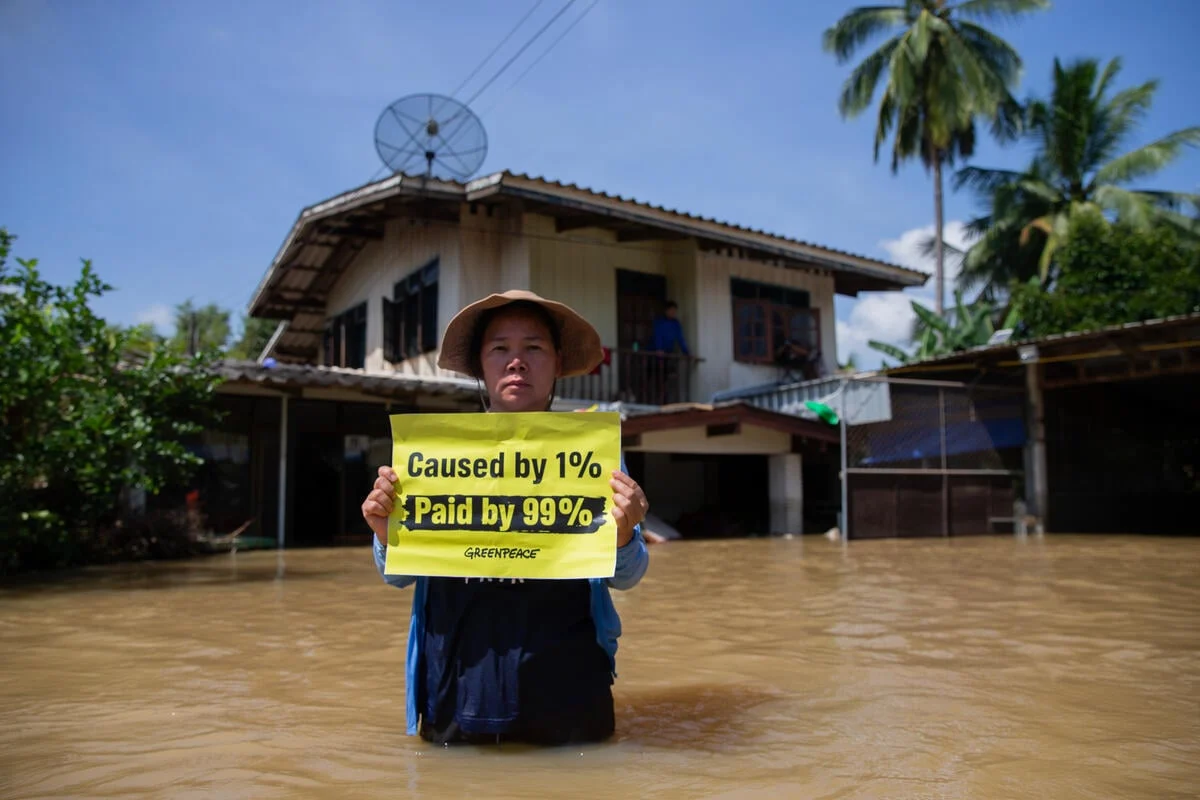
Data from the insurance sector reveals a trend of "climate profiteering." While insurers claim that their exits from regions like Florida and California are necessitated by high-risk payouts, their balance sheets tell a different story. Many firms are reporting record profits and historic executive compensation packages. By spiking rates—often by double-digit percentages—insurers are shifting the burden of climate risk entirely onto the consumer, even as they remain heavily invested in the fossil fuel sector.
The Fossil Fuel Connection
A critical element of the campaign focuses on the "climate bomb" phenomenon. Public Citizen’s research indicates that insurers are not passive bystanders in the energy transition. By underwriting coal plants, methane export terminals, and other high-emission projects, these corporations are effectively financing the destruction of the climate. This creates a feedback loop: the investments lead to more climate-driven disasters, which lead to higher insurance premiums, which leads to further profit for the insurers.
Public Sentiment: A Unified Front
One of the most surprising findings in recent polling is the lack of ideological divide regarding this issue. Whether in rural Midwestern towns or dense coastal cities, homeowners share a common grievance: the cost of protecting their largest investment—their homes—has become prohibitive. This broad-based consensus provides the political leverage necessary for the upcoming legislative campaign, suggesting that bipartisan solutions are not only possible but likely to receive strong public support.
Official Responses and Strategic Implications
The launch of this internship is part of a larger, systemic shift in how advocacy groups approach the insurance sector.
The Role of Advocacy
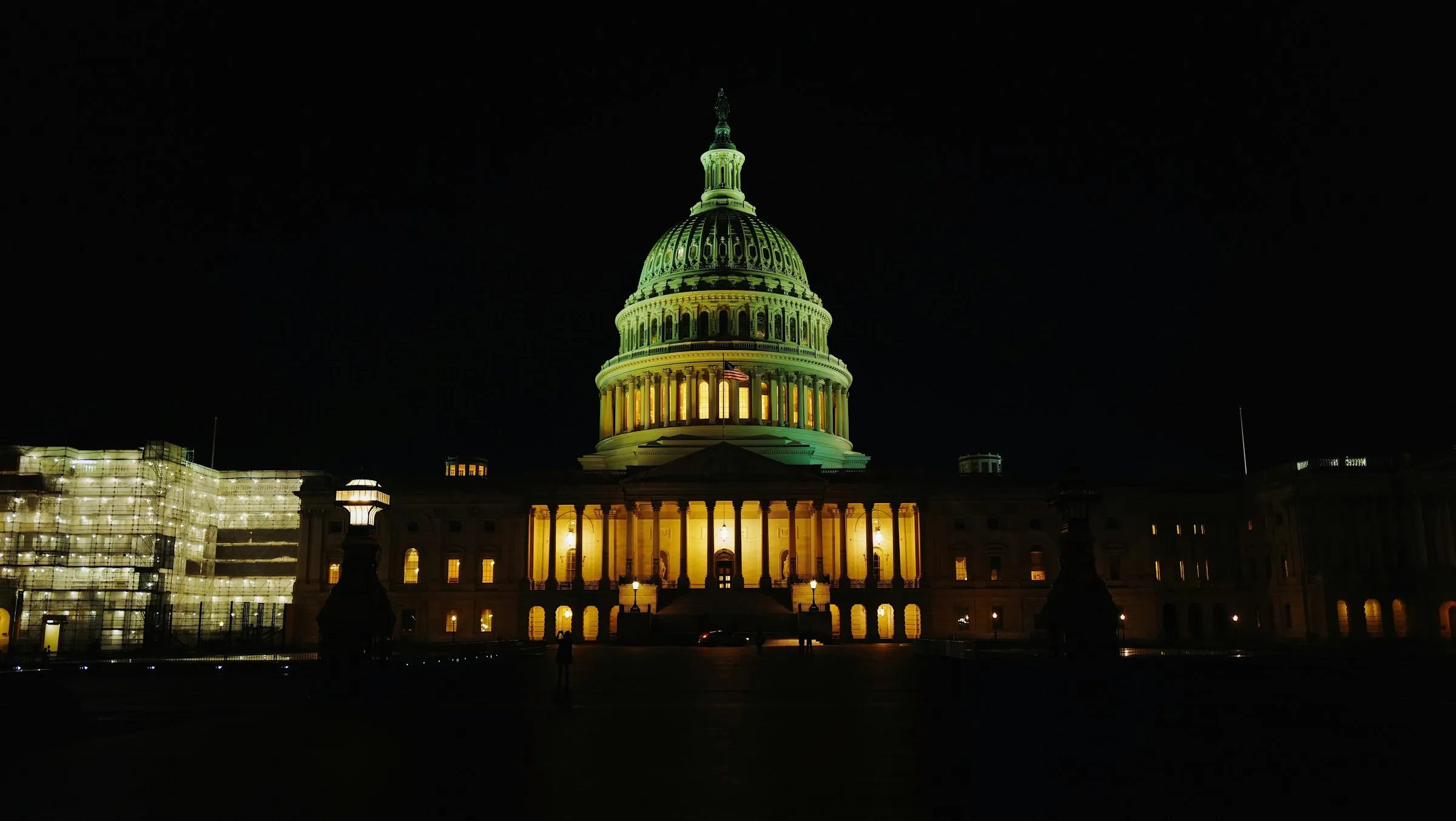
Public Citizen views this campaign as a vehicle for systemic change. By engaging directly with state legislators, the organization aims to bypass federal gridlock and create a "patchwork of protection" at the state level. This includes advocating for transparency in how insurance companies allocate their investments, restricting the underwriting of new fossil fuel projects, and creating public-option insurance pools that prioritize the needs of residents over the interests of shareholders.
Implications for the Future of Policy
For the intern, this is a front-row seat to the mechanisms of power. The position requires more than just research; it requires the ability to translate complex financial data into compelling narratives that resonate with lawmakers.
"This is an opportunity to change the way the insurance industry operates," says a program representative. "We are moving away from asking the industry nicely to change its ways and moving toward building a legislative firewall that forces them to align their business model with a livable climate."
The implications of this work extend beyond insurance. If successful, this campaign could establish a new precedent for how private industries that manage public-facing risks—such as healthcare, banking, and utilities—are regulated in the context of the climate crisis. By forcing transparency, activists hope to expose the inherent conflict of interest that currently defines the insurance industry’s relationship with the fossil fuel economy.
A Professional Development Opportunity
For prospective applicants, the internship offers a rare mix of high-stakes advocacy and professional mentorship. By the end of their tenure, successful interns will have mastered:
- Legislative Strategy: Understanding the mechanics of how to influence state-level policy, including bill drafting, lobbying, and coalition building.
- Research and Analysis: Developing the ability to interpret complex financial filings and climate data to build a case for consumer protection.
- Communication: Mastering the art of writing for a policy audience, including policy memos, legislative briefs, and public-facing advocacy materials.
- Campaign Management: Learning the operational realities of running a multi-state, coordinated campaign that requires constant communication with diverse stakeholders.
Public Citizen’s approach is designed to provide "significant ownership" over meaningful projects. Rather than performing rote, clerical tasks, interns are expected to contribute to the strategic direction of the campaign. This includes identifying key legislative targets, building databases of state-level policymakers, and refining the messaging that will ultimately be used to move the needle on climate-insurance policy.
Conclusion: The Path Forward
The climate-insurance crisis is one of the most pressing, yet often overlooked, economic challenges of our time. As the nation faces a future of increased volatility, the ability of citizens to insure their homes and livelihoods will become a central issue of economic justice.
By training a new cohort of advocates, Public Citizen is signaling that it is prepared for a long-term fight. The insurance industry’s current business model is incompatible with a stable climate, and the campaign is poised to challenge the status quo from the statehouse to the boardroom.
For students and young professionals, this internship represents more than just a resume builder; it is an entry point into one of the most critical policy debates of the 21st century. As the application process remains open on a rolling basis, the organization is looking for individuals who are not only intelligent and hardworking, but who possess the conviction that the current economic trajectory can—and must—be changed.
How to Apply:
Interested candidates should send a resume to the contact provided by Public Citizen. The subject line must read: "[First Initial+Last Name]-Insurance Policy Intern." Applicants are encouraged to mention where they heard about the position and to clarify their interest in academic credit or funding opportunities, as Public Citizen maintains a limited number of paid internships based on financial need. The organization continues to lead by example, proving that when the public is armed with the right information and the right strategy, even the most entrenched industries can be held to account.


 Layla Zulfa

 Nila Kartika Wati