




 Reynand Wu
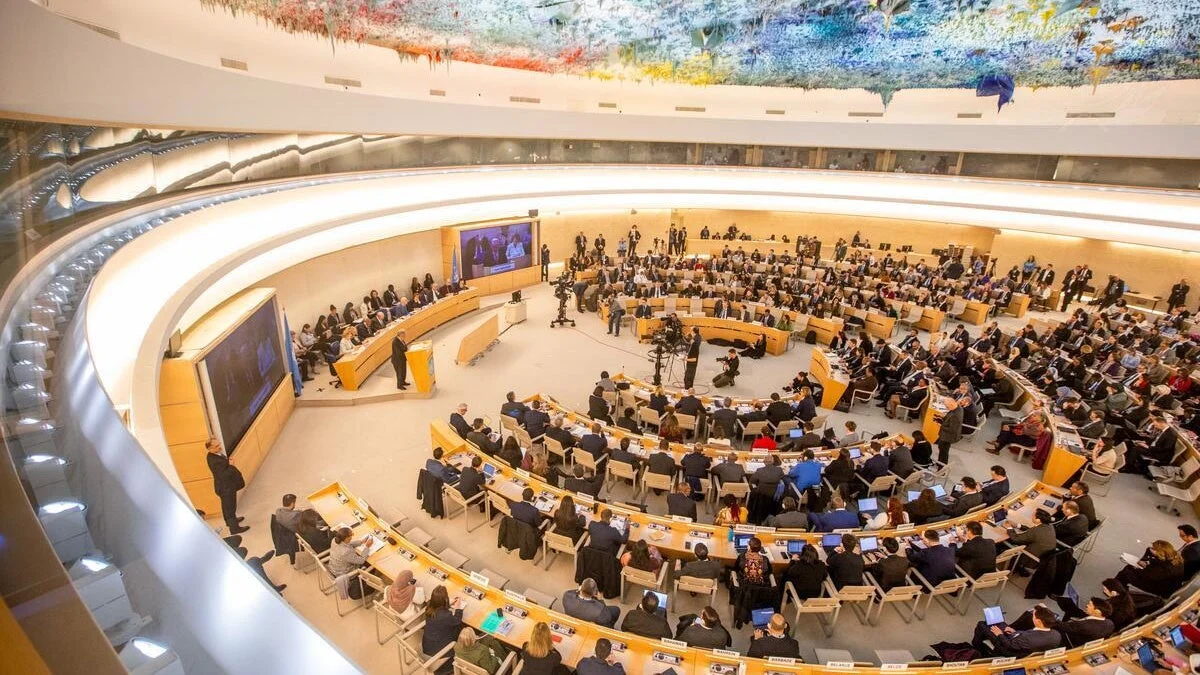
On October 7, the United Nations Human Rights Council (UNHRC) served as the stage for a pivotal diplomatic confrontation that underscored a deepening divide between the Global North and the nations seeking redress for the legacies of colonial exploitation. A resolution calling for concrete action against systemic racism—intended to be a landmark moment for global unity—instead exposed a fragile international consensus that has officially fractured.
As the international community grapples with the enduring shadows of the transatlantic slave trade and colonial rule, the United Kingdom, supported by its European Union counterparts, has signaled a firm resistance to the legal frameworks that would necessitate reparations. This move has prompted intense scrutiny from human rights advocates, who argue that European governments are prioritizing the preservation of state assets over the moral and legal imperatives of reparatory justice.
The October 7 Resolution: A Fractured Consensus
The resolution in question was designed to operationalize the global fight against systemic racism. By emphasizing "concrete action," it sought to move beyond the performative condemnations of discrimination that have characterized UN rhetoric in recent years. However, the UK’s decision to force a vote—effectively shattering the consensus established during the previous year’s proceedings—transformed a session of unity into one of exclusion.
The UK’s objection centered on the language regarding reparations and the applicability of international law in holding contemporary states accountable for historical colonial harm. By refusing to support the resolution and opting to abstain, the UK was joined by the broader EU bloc. While the resolution ultimately passed with 30 votes in favor and 17 abstentions, the lack of a unanimous front highlights a significant political retreat. The "consensus" that existed last year has been replaced by a defensive posture, revealing a glaring gap between the stated commitment of European powers to combat racism and their political willingness to address the historical, structural foundations upon which that racism was built.
Chronology: A History of Legal and Moral Contention
The path to the current impasse at the UNHRC is paved with decades of legal activism and shifting political landscapes.
- 2001 (Durban Declaration): The World Conference Against Racism marked an early international attempt to acknowledge the legacies of enslavement. While the declaration recognized that slavery was a crime against humanity, it stopped short of proposing a comprehensive framework for state reparations.
- The Rise of Modern Activism (2020–2024): The global protests following the murder of George Floyd acted as a catalyst, reinvigorating the debate on systemic racism. This period saw a rise in coordinated demands from Caribbean and African nations for a formal, legal path toward reparatory justice.
- January 2026: UN treaty experts, monitoring the International Convention on the Elimination of All Forms of Racial Discrimination (ICERD), issued General Recommendation No. 40. This guidance document provided the most explicit legal framework to date, clarifying that states have an affirmative duty to provide "just and adequate reparation" for harm caused by racial discrimination, regardless of when the policies were initiated.
- October 7, 2026: The UNHRC resolution on systemic racism is put to a vote. The UK breaks the previous year’s consensus, choosing to abstain rather than endorse language that bridges historical colonial harm with modern state accountability.
- November 2026 (Upcoming): The Commonwealth Heads of Government Meeting (CHOGM) in Antigua and Barbuda is expected to become the next battleground for the reparations movement, with Caribbean leaders looking to press the UK on its historical obligations.
Supporting Data and Legal Frameworks
The argument for reparations is not merely moral; it is increasingly rooted in international jurisprudence. The International Convention on the Elimination of All Forms of Racial Discrimination (ICERD) remains the primary instrument in this debate. Article 6 of the Convention mandates that state parties provide "effective protection and remedies" against racial discrimination.
Human Rights Watch and other observers have systematically documented how these historical harms continue to manifest. In Europe, the contemporary landscape of systemic racism is characterized by racial profiling, discriminatory policing, and systemic barriers that prevent marginalized communities from accessing economic and social rights.
The legal arguments are further bolstered by the petition currently before the Judicial Committee of the UK’s Privy Council, filed by the government of Jamaica. This landmark petition asks a fundamental question: Was the enslavement of Africans lawful under English and international law, and if not, does the UK owe a reparatory remedy? By challenging the legality of past British actions, Jamaica is forcing a conversation that the British government has long sought to avoid by framing the issue as one of "historical reflection" rather than "legal liability."
Official Responses and Diplomatic Posturing
The response from the UK government and its European allies has been characterized by a narrow interpretation of legal responsibility. Officials have repeatedly argued that current governments cannot be held accountable for the actions of their predecessors—a stance that critics label as a convenient evasion of the "continuous harm" doctrine.
Buckingham Palace, while acknowledging the forthcoming royal tour of the Caribbean, has maintained a careful distance from the policy debate. A spokesperson noted that while the King will not "shy away" from acknowledging the history of slavery, decisions regarding formal apologies and financial or structural reparations remain firmly in the domain of the UK government. This "division of labor"—where the monarchy offers symbolic recognition while the government blocks legal accountability—has been criticized by activists as a strategy to placate public pressure without offering substantive change.
Meanwhile, representatives from the Global South have characterized the UK’s UNHRC abstention as a betrayal of the international rules-based order. By citing "concerns about the applicability of international law," the UK is essentially arguing that its own legal system is immune to the standards it champions for other nations.
Implications: The Cost of Continued Inaction
The failure of the UK and its European peers to engage with the call for reparatory justice carries profound implications for the future of international human rights diplomacy.
1. Erosion of Trust
When powerful nations selectively apply international law, they undermine the legitimacy of the UN system. The abstention of the EU bloc signals to the Global South that the "human rights" agenda of the West is prioritized only when it does not interfere with national wealth or historical narrative.
2. The Persistence of Systemic Inequality
As documented by human rights monitors, systemic racism is not a static relic of the past but a dynamic force that evolves. By refusing to address the historical roots—such as the concentration of wealth derived from colonial exploitation—European states are perpetuating a cycle where affected communities remain economically and socially marginalized.
3. A Call for "Rethinking" Reparations
The UN principles for reparations are broad, encompassing more than just financial compensation. They include:
- Restitution: Restoring the status quo ante where possible.
- Rehabilitation: Providing medical, psychological, and legal services.
- Satisfaction: Formal apologies, truth-telling commissions, and the reform of institutions that currently harbor systemic bias.
- Guarantees of Non-Recurrence: Changing the very laws and policies that allowed systemic racism to flourish.
Moving from Rhetoric to Reality
The upcoming Commonwealth Heads of Government Meeting presents a critical juncture. If the UK continues its strategy of obstruction, it risks further isolating itself from its Commonwealth partners. The demand for reparations is not a fringe issue; it is a central pillar of the quest for global equity in the 21st century.
For those serious about ending systemic racism, the path forward is clear. It requires moving beyond the hollow comfort of rhetoric. It demands that governments engage meaningfully with the affected communities—those who have lived the consequences of colonial policies—to shape a process of restorative justice.
As the UN resolution aptly phrased it, the international community must transition "from rhetoric to reality." If the UK and other European nations truly believe in the principles of justice and human rights, they must be prepared to look at their own histories, acknowledge their ongoing responsibilities, and commit to the structural changes necessary to dismantle the legacies of their colonial past. Anything less is merely a maintenance of the status quo, ensuring that the shadows of the past continue to darken the future.


 Evan Lee Salim

 Nila Kartika Wati






