

 Dwi Wanna
Introduction: A City Transformed
In August 2026, the landscape surrounding Spokane, Washington, was irrevocably altered. A series of rapidly moving wildfires—described by Mayor Lisa Brown as the most significant natural disaster in the region’s modern history—swept through the area, forcing the emergency evacuation of over 65,000 residents. The statistics of the disaster are staggering: more than 850 structures were reduced to ash, an additional 2,500 homes and businesses suffered varying degrees of damage, and an estimated 10,000 acres of land were scorched.
Yet, beneath the headlines of property destruction and ecological loss lies a story of profound human resilience. As families like that of Devon Traylor navigated the sudden, life-altering transition from homeowners to survivors, a coalition of local organizations and global humanitarian actors mobilized to ensure that the most vulnerable among them were not left behind.
The Anatomy of the Disaster: A Chronology of Chaos
The crisis began with little warning. For many residents, the transition from a typical August day to a Level 3 evacuation order—the highest alert level, indicating imminent danger—occurred in mere minutes.
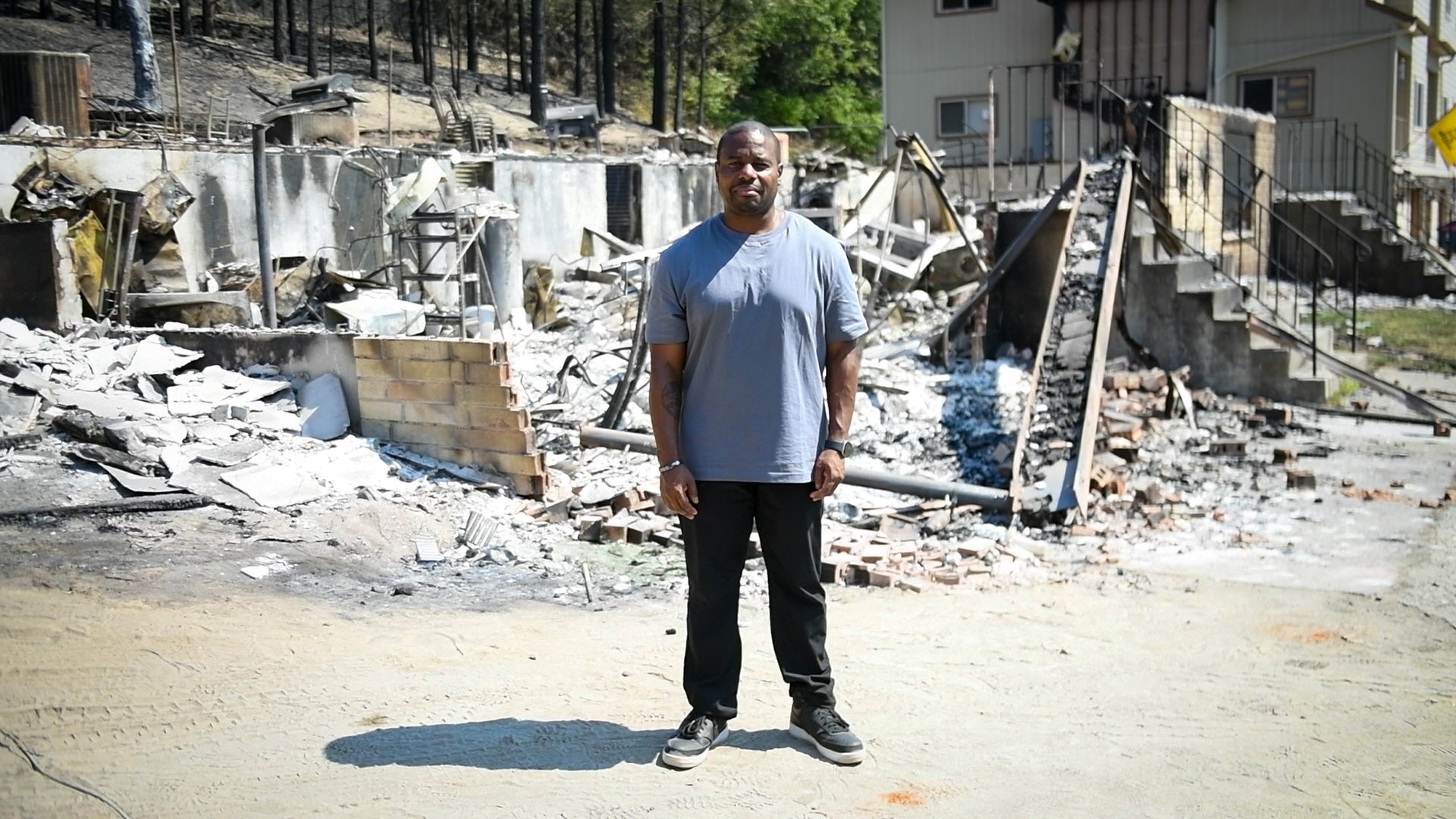
Devon Traylor, whose home was ultimately lost to the flames, recounts the chilling speed of the events. "I was taking a nap when a string of urgent phone calls woke me up," he recalls. "My son called, then my sister. She was panicked, asking if I knew what was going on. I looked outside and saw the fire across the street. Everything was on fire. I said, ‘We’ve got to go, now.’"
The fire did not discriminate. As the smoke thickened to a point where breathing became difficult, Traylor and his neighbors were forced to abandon their belongings. The ALERT Spokane system, a critical, if overwhelmed, tool during the crisis, struggled to keep pace with the shifting winds and erratic fire behavior. By the time the fires were brought under control, the social fabric of the community had been tested to its limits, leaving thousands of families in a state of sudden displacement.
The Humanitarian Response: A Strategic Partnership
When the immediate threat of the flames subsided, the city entered a precarious recovery phase. Recognizing that national disasters often hit those with the fewest resources the hardest, CARE’s U.S. Programs team deployed to Washington. Their objective was not to lead from the top, but to provide critical support to organizations already deeply embedded in the Spokane community.
"By the time we arrived, the city was in recovery mode," says Brooks Lee, a CARE photographer who documented the aftermath. "It was a rapid deployment to assist local partners who understand local needs and who could help accelerate recovery efforts."
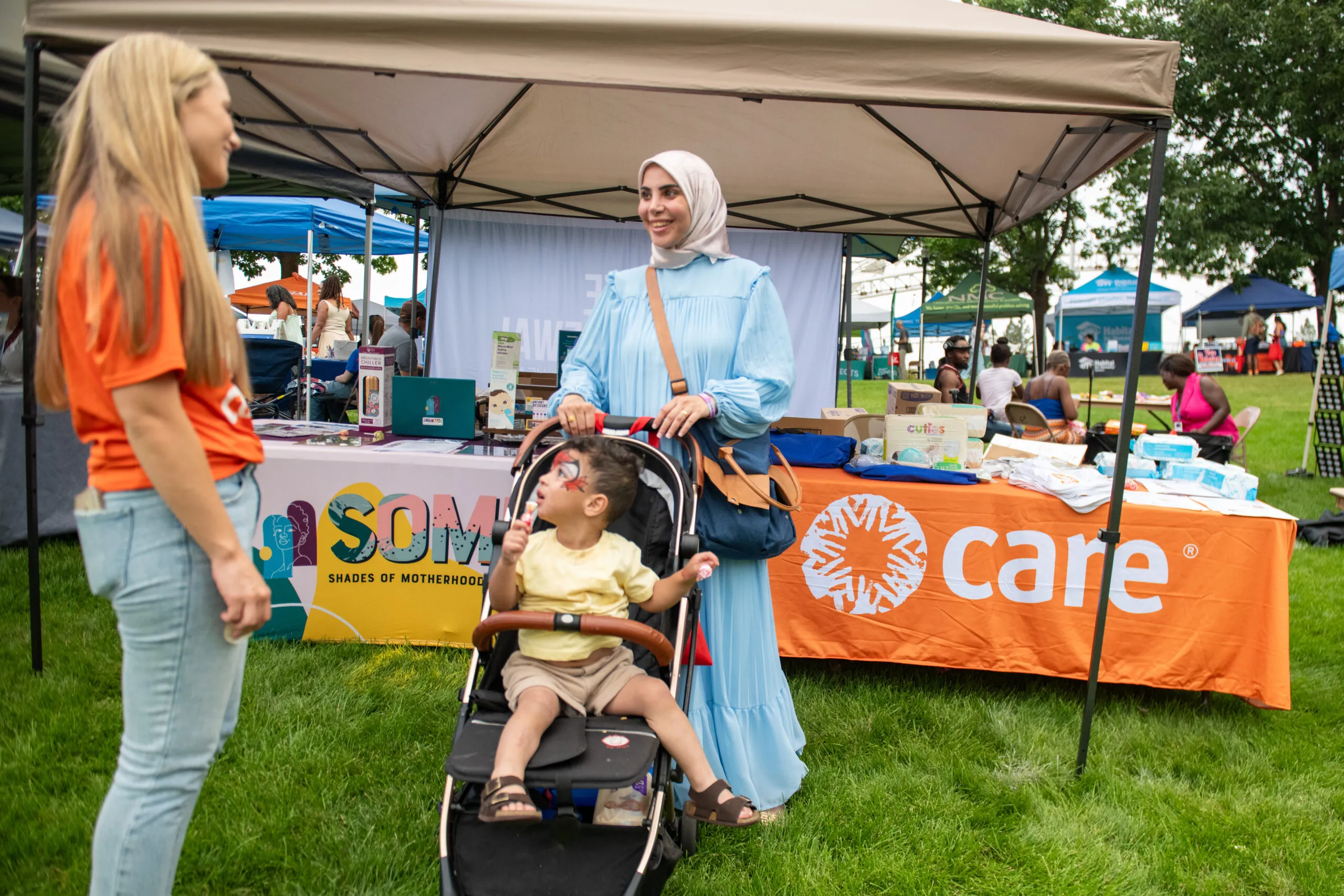
This strategy centered on two key partners: Partners INW, a resource-coordination nonprofit, and the Shades of Motherhood Network (SOMN), an organization specializing in Black maternal health. These groups served as the bridge between large-scale humanitarian aid and the granular, day-to-day needs of displaced mothers, infants, and families.
The Burden of Displacement: Women and Children at Risk
The disaster had a disproportionate impact on women and children. Sarah Thompson, CARE’s Vice President of U.S. Programs, emphasizes that in the chaos of displacement, women frequently bear the brunt of the burden, balancing the physical safety of their children with the psychological toll of losing their homes.
"Providing basic essentials means parents can focus on keeping their families safe," Thompson explains. "Babies need diapers, nursing mothers need support, and women need to maintain their health and dignity. That is why we invest in trusted local organizations; they know how to reach families quickly and compassionately."
The environmental hazards also extended beyond the fire itself. For weeks following the containment of the flames, lingering soot and poor air quality posed severe respiratory risks to vulnerable populations, including pregnant women and young children. The distribution of CARE PACKAGE® hygiene kits and mother-and-baby supplies became a vital public health intervention, preventing a secondary health crisis from developing in the wake of the fires.
The "Superpower" of Support: Voices from the Field
Stephaine Courtney, Executive Director of the Shades of Motherhood Network, became a pivotal figure in the recovery process. While her organization typically focuses on maternal services and counseling, the wildfires necessitated a shift toward emergency logistics.
"Now, people are in this place where they are asking, ‘Where do we go from here?’" Courtney says. She spent days coordinating the distribution of thousands of kits to over 120 families, often while fielding back-to-back phone calls from families in crisis.
For Courtney, the goal is to dismantle the stigma associated with needing help. "Support is the new superpower," she asserts. "Spokane is considered the city of belonging, and we want to show that everyone belongs, no matter what."
Brooks Lee, who witnessed the operation firsthand, describes the atmosphere at the distribution events as one of profound solidarity. "Between setting up tables and hauling boxes, I watched Stephaine solve problems for families in real-time. She’s a superhero. It was a true partnership."
Psychological Impact: Rebuilding Beyond Structures
For survivors like Devon Traylor, the road to recovery is long. The loss of a home is not merely a loss of physical infrastructure; it is the loss of a repository for decades of memories.
"We’re going to miss a lot of things, but we still have a lot of memories," Traylor says, looking toward the site of his former home. "This is a physical structure. Home is still us."
This experience of receiving aid has been a transformative, albeit humbling, one for Traylor. Having spent much of his life as a person who provides help to others, being on the receiving end has shifted his perspective on community interdependence. It is a sentiment echoed by many across Spokane: that the act of accepting help is a vital component of the collective healing process.
Implications for Future Disaster Preparedness
The 2026 Spokane fires serve as a sobering reminder of the increased frequency and intensity of wildfires in the Western United States. As climate change continues to alter weather patterns, the need for robust, locally-led disaster preparedness has never been greater.
The partnership between CARE, Partners INW, and SOMN offers a blueprint for future humanitarian responses. By leveraging existing social networks, aid organizations can avoid the "blind spots" that often occur when outside groups attempt to manage disaster recovery.
Furthermore, the recovery process has highlighted the necessity of integrating mental health services and maternal care into standard emergency response protocols. Disaster response is no longer just about food and shelter; it is about ensuring that the social and health infrastructure of a community remains intact even when its physical structures are lost.
Conclusion: Community as the Ultimate Medicine
As Spokane looks toward the future, the mantra "Community is the medicine" has become more than just a phrase—it is a functional reality. The recovery from the 2026 wildfires is far from over, and the work of rebuilding will continue for years.
However, the response has demonstrated that when humanitarian organizations align with local leaders who are deeply invested in their communities, the recovery process is not only more efficient but more humane. Organizations that prioritize the dignity of the survivor and the strength of the community, as the Shades of Motherhood Network has done, are creating a new standard for resilience.
For those interested in supporting this work or preparing for future emergencies, resources are available through local government channels and humanitarian organizations like CARE. As we move forward, the lessons of Spokane remain clear: while fire can destroy buildings, the strength of a community, when properly supported and resourced, is the one thing that cannot be burned away.
How to Prepare: A Note on Wildfire Safety
In honor of Fire Prevention Week and in response to the lessons learned from the 2026 wildfires, CARE’s U.S. Programs team recommends the following steps for all residents in wildfire-prone areas:
- Create an Emergency Plan: Ensure every family member knows the evacuation routes and a designated meeting point outside of the immediate danger zone.
- Build a "Go-Bag": Keep a supply of essential documents, medications, and hygiene items ready to grab at a moment’s notice.
- Stay Informed: Register for local alert systems, such as ALERT Spokane, to receive real-time updates during an emergency.
- Build Community Connections: Know your neighbors. As seen in Spokane, those who had strong community ties were able to act more quickly and safely when the crisis struck.
- Support Local Organizations: Invest in the nonprofits in your area that provide health and support services; they are the frontline responders when a disaster hits.
For more information on how you can support CARE’s ongoing work with families in crisis, visit the CARE website to learn about their global and domestic initiatives.

 Nana

 Lina Hope