

 Nana
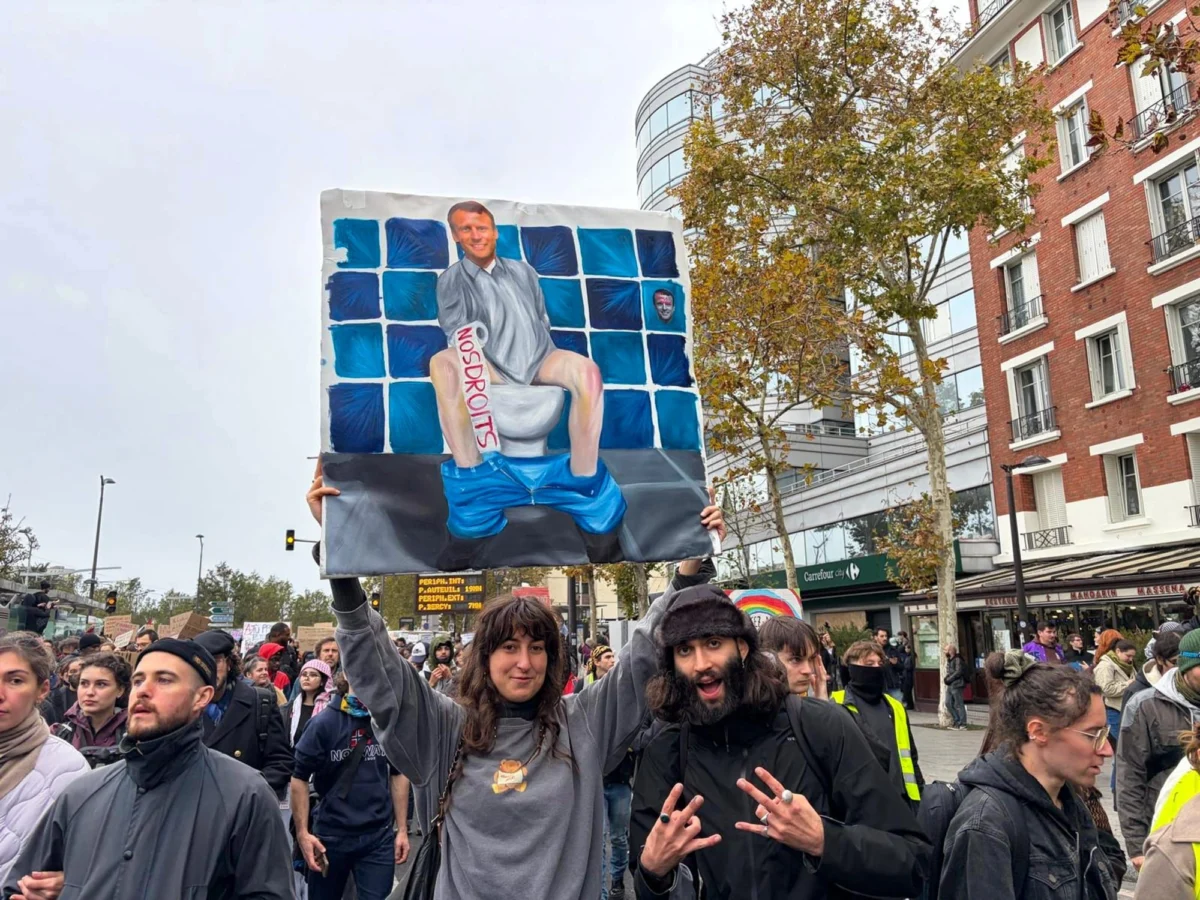
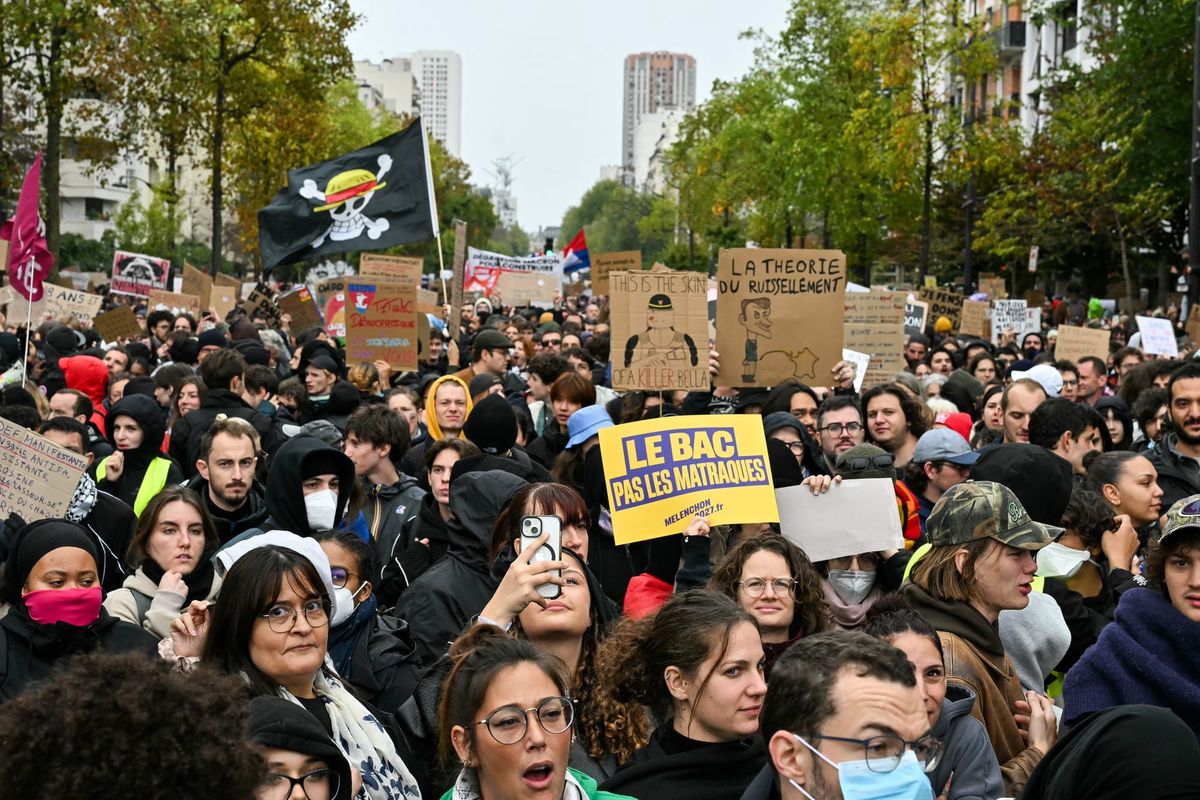
PARIS — The vibrant corridors of the Louvre and the polished floors of Art Basel Paris, usually bastions of aesthetic contemplation and global commerce, have fallen into an eerie, shuttered silence. In their stead, the streets of the French capital have become the primary site of cultural discourse. On October 24, 2026, tens of thousands of artists, art students, and cultural workers joined a massive national mobilization, signaling that the soul of France’s creative sector is no longer content to remain in the studio or the gallery—it is demanding a seat at the table of the republic.
The Convergence: Artists at the Frontline
The demonstration, which centered at the Porte d’Italie, was not merely a spontaneous gathering; it was a calculated show of force by Cultures en Lutte, a powerful network of coalition groups within the arts sector. These groups have been instrumental in bridging the gap between ivory-tower intellectualism and the harsh, lived realities of the working class. Alongside the National Union of Visual Artists (SNAP-CGT) and various student unions, these activists have transformed the artistic community into a vanguard for the broader labor movement that has been rocking France since mid-September.
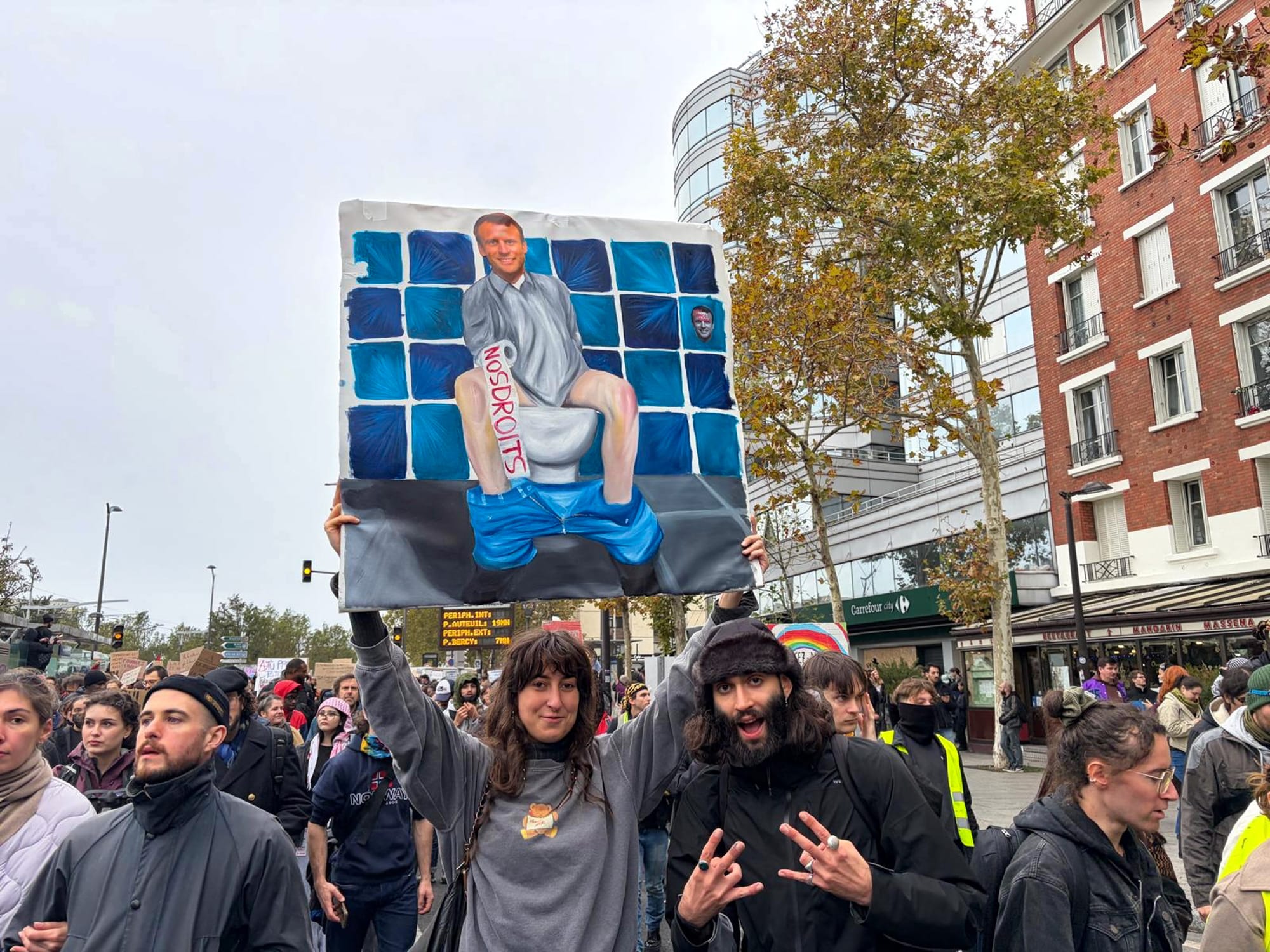
For many participants, the march was an existential necessity. Amid the rising cost of living, the precarity of the "intermittent" worker status, and the perceived indifference of the Macron administration toward the arts, the creative class has reached a breaking point. Signs carried by students and veteran painters alike painted a grim picture: one placard famously depicted President Emmanuel Macron using the concept of "citizen rights" as toilet paper, while others voiced sharp anxieties regarding the encroachment of artificial intelligence on creative labor.
Chronology of a Crisis: From Art Fairs to Barricades
The timeline of this escalation reveals a rapid deterioration of the status quo.
- Mid-September 2026: Initial murmurs of discontent begin within university art departments and union halls, triggered by proposed cuts to public funding for cultural institutions.
- October 17, 2026: A day of widespread civil disruption across France leads to significant property damage. The government responds by signaling a "hard-line" approach to future protests.
- October 22-23, 2026: Recognizing the volatility of the situation, major cultural institutions—including the Louvre and the organizers of Art Basel Paris—announce preemptive closures. Art Basel, a pillar of the Parisian fall calendar, is forced to shutter two days early, a rare and sobering acknowledgment that the market cannot operate in a vacuum of social instability.
- October 24, 2026: Despite a massive government security deployment, the "day of action" brings hundreds of thousands to the streets. In Paris alone, turnout estimates suggest over 250,000 participants, while national figures soar toward the 800,000 mark. By evening, authorities report nearly 1,000 arrests.
Supporting Data and Security Context
The scale of the October 24 mobilization caught many security analysts off guard. The French government had attempted to preempt the chaos with a "massive" security deployment. This included the deployment of Sentinelle anti-terror soldiers, who were reassigned from their traditional duties to provide backup to the national police.
The visual landscape of Paris was transformed by the presence of armored vehicles, water cannons, and a constant rotation of helicopters overhead. However, the sheer density of the crowds—a sea of humanity stretching from the Porte d’Italie—rendered traditional crowd-control tactics largely ineffective. According to reports from Solidaires, the movement has transcended traditional union boundaries, pulling in disparate groups who share a singular sentiment: the "boat is sinking," and the political class is too occupied with internal power struggles to grasp the tiller.
The arrests of nearly 1,000 protesters reflect a "zero-tolerance" policy now being enforced by the Ministry of the Interior. Violence, which marred several sections of the march, has provided the state with the justification to increase its reliance on tactical units, leading to a feedback loop of confrontation that shows little sign of de-escalation.
Official Responses: The Government’s Dilemma
The official response from the Élysée Palace has been characterized by a blend of firm rhetoric and calculated silence. Government spokespeople have repeatedly emphasized the necessity of restoring "republican order," citing the destruction of public property as an unacceptable affront to the state.

"We respect the right to protest," a ministerial aide noted in a brief press statement, "but the systematic targeting of our national cultural institutions and the disruption of the economy are not expressions of democracy—they are acts of sabotage."
Conversely, opposition leaders and union representatives argue that the government has systematically ignored the arts sector for years, treating culture as a luxury rather than a fundamental pillar of national identity. The decision by the government to prioritize the use of military-grade security over dialogue with cultural stakeholders has, in the eyes of many protesters, solidified the image of an administration increasingly disconnected from the creative and working-class segments of the population.
Implications: A Culture Sector in Flux
The events of October 2026 represent a potential watershed moment for the Parisian—and European—art world. The implications are profound and multifaceted:
1. The Death of the "Apolitical" Institution
Museums and galleries can no longer operate under the assumption that they are neutral spaces. The forced closure of the Louvre and the early termination of Art Basel Paris serve as a stark reminder that when the streets are burning, the galleries cannot remain insulated. Future programming and institutional policy will likely be forced to reckon with the social and political demands of the workers who keep these institutions functioning.
2. The Rise of the "Art-Worker"
The collaboration between the SNAP-CGT and student unions signals a maturation of the cultural sector’s political activism. By framing the artist not as an isolated genius but as a "cultural worker" entitled to the same protections as a laborer in any other industry, the movement is successfully shifting the narrative. We are witnessing the birth of a new, militant form of creative advocacy that views the defense of the arts as inseparable from the defense of labor rights.
3. Economic Fragility
The economic impact of these protests is, for now, incalculable. The Parisian art market is a multi-billion euro industry. The sudden cancellation of major events and the ongoing civil unrest create a climate of uncertainty that may drive international collectors and investors away from the city. If the protests persist, Paris risks losing its status as the premier destination for the global art trade, potentially ceding ground to other hubs like London, Berlin, or New York.
4. A Nation at a Crossroads
Ultimately, the protests are about more than just funding or working conditions; they are about the future of the French Social Contract. The protesters are asking a fundamental question: Who is the Republic for? As the government attempts to suppress the unrest through force, it risks further alienating a generation of young, educated, and increasingly radicalized artists.
As the smoke clears from the streets of Paris, one thing remains certain: the relationship between the French state and its cultural sector has been irrevocably altered. The art world is no longer just observing history; it is actively writing it, one protest at a time. The coming weeks will determine whether the government will choose the path of reform and dialogue or continue down a road of confrontation that threatens to tear the fabric of French society even further.


 Neng Nana
 Azzam Bilal Chamdy