



 Nila Kartika Wati
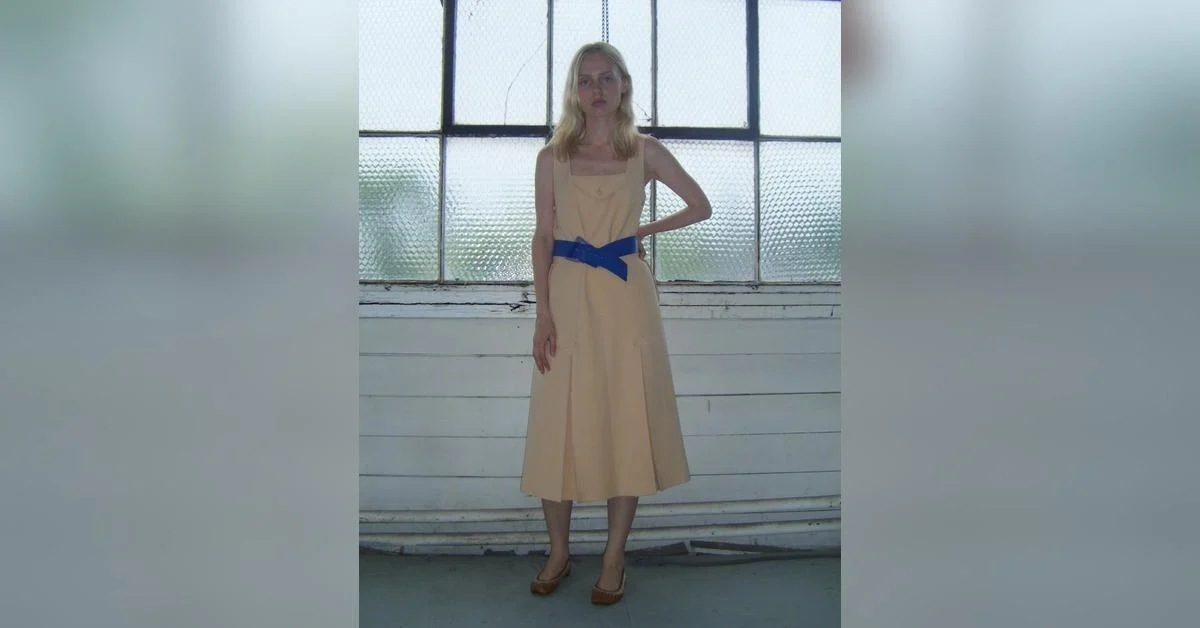
In the bustling world of film and advertising, where visual impact reigns supreme, costume designer and stylist Jackie Knight is carving a unique niche. Her approach transcends mere aesthetics, delving into the psychology and lived experiences of characters to craft wardrobes that feel not just seen, but deeply understood. With an art-world sensibility and a keen observational eye, Knight imbues her creations with a palpable sense of reality, ensuring that every garment tells a story before a word is spoken.
The Art of the Observed: Knight’s Character-Centric Philosophy
Jackie Knight’s process is rooted in a profound fascination with the nuances of human behavior. Unlike many who begin their design journey with curated mood boards and trending styles, Knight’s initial inspiration often stems from the unscripted moments of everyday life. She is captivated by the subtle cues that reveal an individual’s personality, history, and even their immediate intentions – the way a tie is tucked before a meal, the relaxed drape of a well-worn jacket, or the practical narrative woven into a pair of shoes.
"I am interested in what people wear when they are not trying to perform," Knight explains, articulating a core tenet of her design philosophy. "Those choices can tell you so much about who they are." This dedication to capturing authentic, unperformed style is what sets her apart in a fast-paced industry.
Knight’s extensive portfolio includes work on commercials, films, music videos, and narrative projects for globally recognized brands such as Instagram, Apple, Amazon, and Ford Motor Company. She also notably styled a Drake music video that garnered over 11 million views, demonstrating her ability to translate her distinctive vision across diverse platforms and scales. Despite operating within a high-velocity industry, Knight deliberately cultivates a slower, more deliberate approach to her craft.
A Chronology of Observation: From Art Criticism to the Silver Screen
Knight’s journey into costume design is marked by a rich and varied background that has profoundly shaped her artistic sensibilities. Her foundational education in curating and criticism at OCAD University, following an initial stint in costume design at Dalhousie, provided her with a unique vocabulary for visual storytelling and a deep appreciation for context. Her subsequent work as an assistant to artist Shelley Adler and at the Franz Kaka gallery further solidified her understanding of how art objects function within their environment and communicate meaning.
"My background in art still informs everything," Knight states, emphasizing the enduring influence of her art-world immersion. "I think about the concept first. What is the idea underneath the clothing? What is it doing in the world of the project?" This conceptual-first approach allows her to move beyond superficial styling and engage with the deeper thematic and narrative underpinnings of each project.
This artistic foundation also fosters a critical perspective on the often-misunderstood nature of styling. Initially, Knight herself underestimated the complexity of the field, viewing it from the outside as simply a matter of shopping and good taste. However, upon engaging deeply with the work, she discovered a discipline demanding immense creativity, intricate problem-solving, and a sophisticated visual vision. "I used to think it was much simpler," she admits. "Then I learned how much labor sits behind something looking effortless." This realization underscores her commitment to the meticulous research and thoughtful execution that characterize her designs.
Supporting Data: The Power of the "Flattened" and the "Unseen"
While many stylists rely heavily on online references, Knight distinguishes her process by prioritizing real-world observation over digital curation. She acknowledges the utility of online resources but is adamant about avoiding characters that appear "assembled from a search result." Instead, she actively seeks inspiration from tangible encounters: the unique combinations spotted on city streets, the personal touches that emerge from everyday wear, and the subtle idiosyncrasies that might be too peculiar or intimate to appear on a standard mood board.
Knight has spoken about the practice of capturing photographs of outfits that catch her eye during her travels and daily movements. These visual records are not merely reference points; they become invaluable components of her personal library, informing her approach to character development. "The internet can give you a version of style that has already been flattened," she observes, articulating a key concern about the limitations of purely digital inspiration. "The best dressed people are rarely photographed."
This distinction is critical in the realm of costume design. A character whose attire feels overly "styled" can come across as superficial, lacking depth and authenticity. Conversely, a character who appears genuinely "dressed" – as if their clothing is an organic extension of themselves – possesses a vitality that resonates with audiences. Knight is drawn to this nuanced space, aiming for a portrayal that is character-driven without being ostentatious or didactic. Her goal is not to explicitly explain a character’s backstory through their clothing, but rather to leave subtle, believable evidence that allows the audience to infer and connect.
For instance, a sweater might evoke a sense of sentimentality without feeling precious or contrived. A bag could suggest a history of use and resilience, hinting at a life lived beyond the confines of the scene. A carefully chosen color palette might convey confidence in one character and a sense of protective "armor" in another. The garments themselves do not need to broadcast the backstory; their role is to make that backstory credible and palpable.
Knight’s mantra, "I like when wardrobe feels like it has been chosen by the character, not by me," encapsulates this ethos. Even when she meticulously curates every element, the ultimate aim is for the audience to feel that the individual portrayed possessed a life and a personal style prior to stepping into the frame. This commitment to an observed reality, rather than an arranged one, is a hallmark of her distinctive contribution to visual storytelling.
Official Responses: Industry Recognition and Collaborative Success
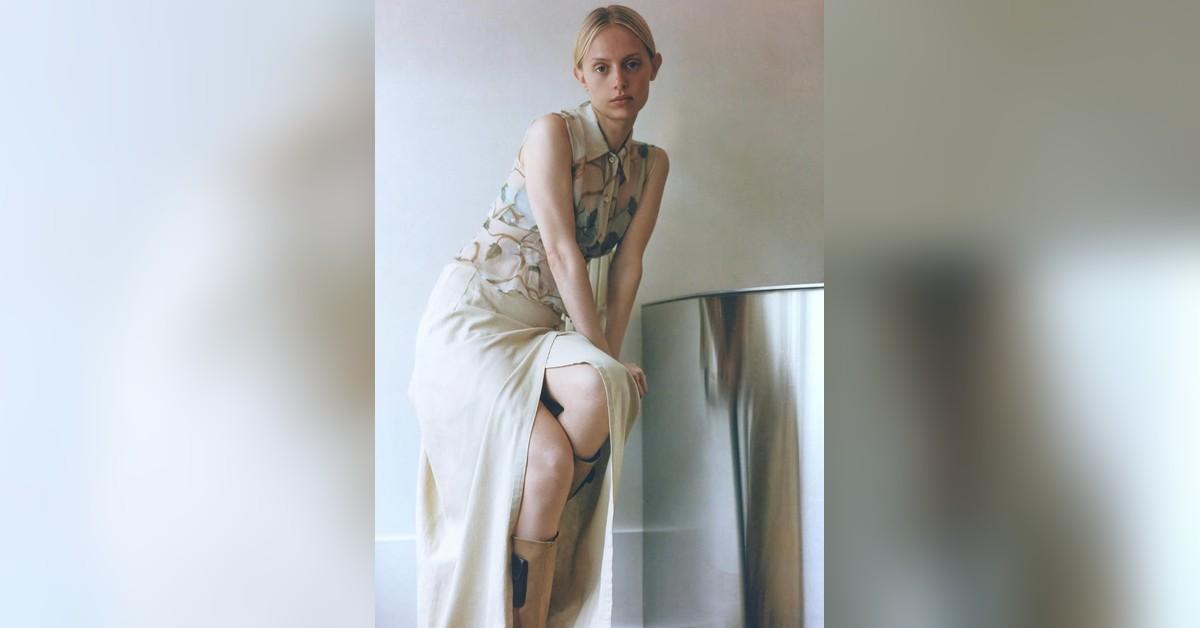
Knight’s innovative approach and the tangible impact of her work have garnered significant attention within the industry. Her contributions have been featured in prominent industry publications such as Little Black Book, Ads of the World, Shots, Ad Age, and The Drum. This consistent recognition from trade journals signifies the respect and admiration she commands from peers and clients alike.
Production companies and directors frequently seek out Knight not simply for her ability to select clothing, but for her capacity to construct compelling visual arguments. Her work is designed to withstand the rigorous demands of the camera, the editing process, client approvals, and, most importantly, the narrative itself. This multifaceted challenge is particularly honed through her experience in commercial work.
Commercial projects often operate under tight deadlines, requiring a rapid yet precise ability to suggest a character’s familial background, profession, personality, or emotional landscape within a fleeting timeframe. Knight thrives in this demanding environment, embracing the quick turnarounds, the fluid nature of shifting concepts, and the imperative for immediate visual clarity. However, she stresses that this speed never comes at the expense of meticulousness or thoughtful consideration.
In the most effective commercial wardrobe, viewers gain an intuitive understanding of the character before they can articulate the specific visual cues. The father’s shirt might suggest years of shared mornings and family routines. A teenager’s outfit could subtly communicate a sense of independent expression, perhaps even a defiance of parental opinion. A small, seemingly insignificant accessory might reveal a character’s inherent taste, their underlying nervousness, or a private joke unknown to others in the scene. This is the subtle, yet powerful, "quiet work" that Knight strives to achieve.
"I steer away from overdressing people," Knight states, reinforcing her commitment to understated authenticity. "I have always felt like I’m in a costume when I overbuild my own outfits, so I carry that mindset when I’m building characters. Sometimes an old button or grass stains can be enough. You have to trust the audience’s interpretation." This trust in the audience’s ability to interpret subtle visual cues is a testament to her sophisticated understanding of narrative and character development.
Implications for the Future of Storytelling: Preserving the Human Element
Knight’s dedication to analog processes and her appreciation for handmade, vintage, and unique items underscore a deeper philosophical stance. She is wary of the notion that creative work can be easily outsourced to artificial intelligence, not out of a rejection of technology, but from a firm belief that true artistry and emotional resonance stem from lived observation and human experience.
Her work is inherently drawn to the imperfect – the slightly worn cuff, a patch added with a discernible purpose, or an outfit that might not adhere to conventional fashion rules but is made uniquely compelling by the individual wearing it. These are the nuanced details that machines, devoid of lived experience and emotional context, are unlikely to perceive with genuine affection or understanding.
"Real people are strange in the best way," Knight asserts, articulating the essence of her artistic pursuit. "That is what I want to protect in the work. The specificity, the oddness, the feeling that someone is more than an image." This desire to safeguard the unique human qualities that make individuals memorable and relatable is at the heart of her creative mission.
Looking ahead, Knight anticipates a greater involvement in feature film projects, a rhythm that allows for a more extended immersion with characters. While the commercial work has sharpened her ability to convey meaning swiftly, she is drawn to the opportunity to live with characters for longer durations, allowing for even deeper exploration and development of their visual identities.
Regardless of the medium or the pace of the project, Knight’s core impulse is likely to remain constant: she will continue to observe. She will watch people crossing streets, the interactions of gallery workers, and the myriad of subtle choices that are made without an audience in mind.
Jackie Knight’s wardrobe creations are more than just clothing; they are meticulously crafted extensions of character, built from a profound understanding of human nature. Her work transcends mere aesthetics, offering a powerful reminder that in the realm of storytelling, the most compelling narratives are often woven into the very fabric of authenticity, capturing the feeling that someone on screen could step out of the frame and continue living, their journey subtly, yet powerfully, communicated through the clothes they wear.


 Jia Lissa

 Suro Senen






