




 Nana Muazin
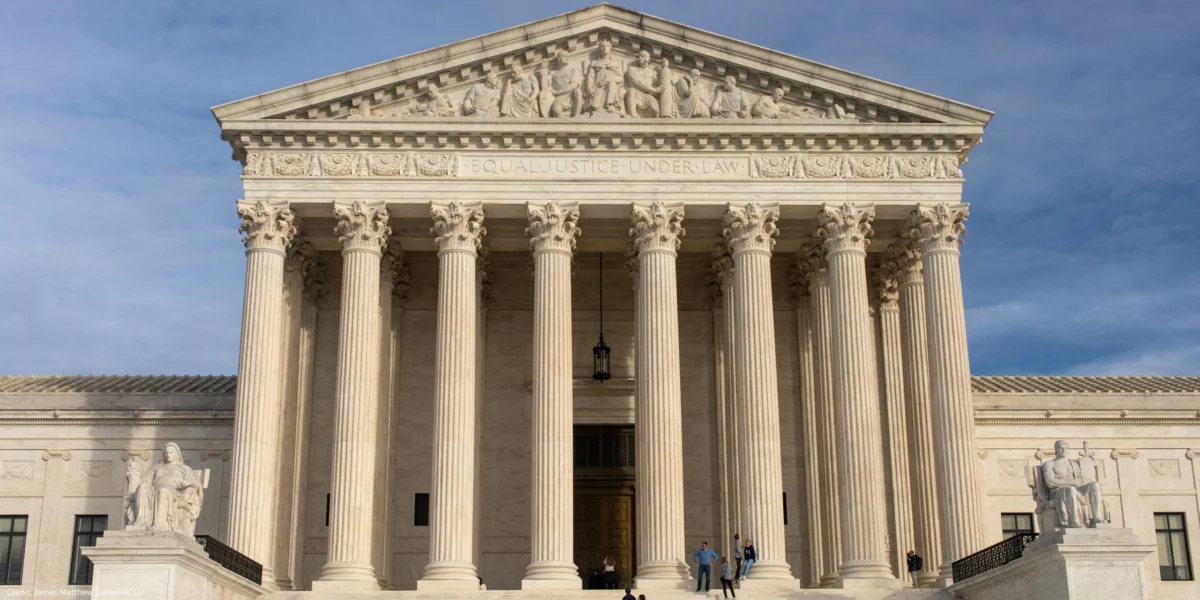
As the Supreme Court of the United States opened its doors on October 5, 2026, the American Civil Liberties Union (ACLU) stood at the threshold of what promises to be its most intensive and consequential term in modern history. With a docket already brimming with existential challenges to voting rights, reproductive autonomy, religious freedom, and the integrity of the immigration system, the organization is bracing for a workload that may well surpass its previous record-breaking year.
The legal landscape is currently defined by a "flurry of action" on the Court’s emergency docket—a mechanism increasingly used to resolve urgent disputes before they reach the full merits phase. By early October, the ACLU had already navigated four emergency stay applications, successfully defending lower court victories in three, with a fourth pending. This early momentum serves as a precursor to a grueling season of litigation that will test the boundaries of constitutional law in an era of heightened political polarization.
Chronology of a Mounting Docket
The strategic timeline for the 2026-2027 term began long before the first gavel fell in October. During the summer "long conference," the Court signaled its intent to tackle several high-profile issues. By the end of September, the ACLU was involved in 14 cases on the merits docket where either the organization or its opposition had petitioned for review.
Key milestones include:
- October 1: The Court granted review in a pivotal ACLU case concerning immigration detention.
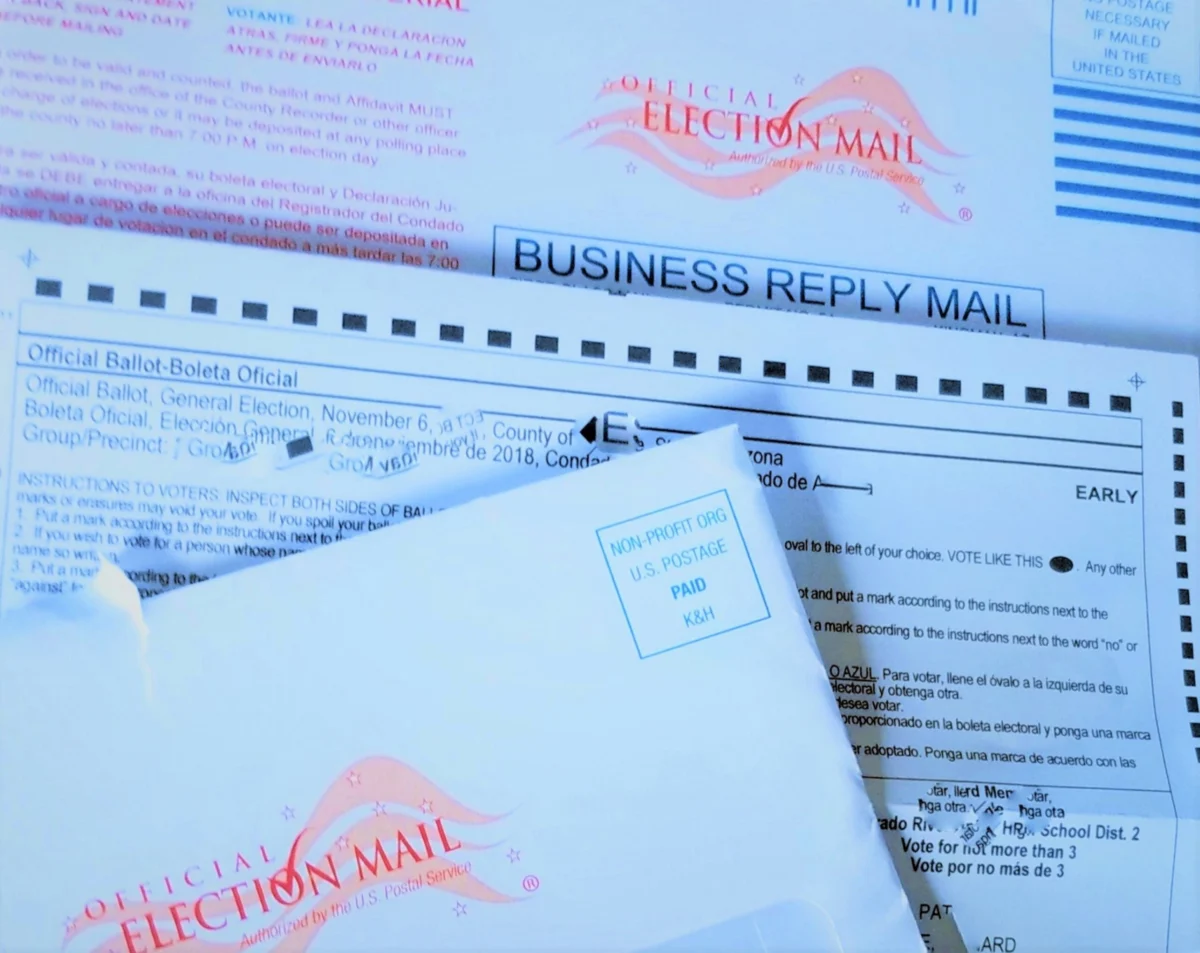
- September 2026: A series of victories on the emergency docket—including the successful defense of voting-by-mail access against U.S. Postal Service restrictions and the preservation of specialized high school admissions programs in New York City—established a defensive perimeter for civil liberties.
- Pending Decisions: The Court continues to weigh whether to hear cases involving asylum protections, the display of religious iconography in public schools, and the Sixth Amendment rights of death-row inmates.
Fundamental Fairness and the Immigration Crisis
Perhaps the most volatile area of the Court’s docket concerns the U.S. immigration system. The ACLU has remained a persistent check against what it describes as "extreme, novel, and unlawful" policies emanating from the federal government.
Central to this effort is the ongoing challenge to the mandatory detention of long-term U.S. residents. In Rhoney v. Barbosa da Cunha, the ACLU is contesting the government’s interpretation of a detention statute that has historically applied only to new border arrivals. For the first time in three decades, this statute is being weaponized against immigrants who have established deep roots and contributed to American communities for years.
Furthermore, the ACLU is litigating cases such as Mullin v. RAICES and Bird v. Iowa Migrant Movement for Justice. The former challenges the suspension of asylum applications at the border, while the latter strikes at the heart of state-level overreach—specifically, an Iowa law that attempts to create a parallel, unconstitutional state deportation system.
The Battle for Religious Freedom and the Separation of Church and State
A significant front in the ACLU’s current legal campaign is the defense of the Establishment Clause. The case Nathan v. Alamo Heights Independent School District serves as a bellwether for the future of religious neutrality in education.
At issue is a Texas law mandating the display of a Protestant version of the Ten Commandments in every public school classroom. The ACLU contends that this mandate is a direct affront to the precedent set in Stone v. Graham (1980), which affirmed that states cannot compel the display of religious texts in schools. The organization’s legal strategy centers on the principle that faith is a private, protected matter, and that the state has no authority to indoctrinate students or impose sectarian scripture within the public school system.
Jury Rights and the Sixth Amendment
The constitutional right to a trial by a jury of one’s peers is under intense scrutiny this term. In the realm of capital punishment, the stakes could not be higher. In Jackson v. Florida, the ACLU is representing a death-row inmate sentenced despite a non-unanimous jury verdict. Florida remains one of only two states where such a practice persists, a policy the ACLU argues fundamentally undermines the Sixth Amendment’s role as a check on executive power and a reflection of the "moral conscience" of the community.
Parallel to this, the organization has filed amicus briefs in Kian v. Florida, challenging the use of six-member juries in felony trials. The argument rests on the historical necessity of the 12-member jury as a safeguard against judicial overreach, asserting that reducing the size of the jury panel effectively erodes the democratic function of the legal system.
Voting Rights and Redistricting
Election-year litigation remains a perennial pressure point. Beyond the immediate wins on the emergency docket regarding mail-in voting, the ACLU is bracing for the potential return of Allen v. Milligan to the Supreme Court. Despite a 2023 ruling that affirmed the invalidity of Alabama’s discriminatory congressional map under the Voting Rights Act, the state has continued to challenge the mandate, leading to a 2025 district court ruling that explicitly found intentional discrimination against Black voters. The state’s petition to reverse this decision marks a critical test of whether the Supreme Court will uphold the integrity of the Voting Rights Act or allow states to effectively bypass its protections.
Government Accountability and the Rule of Law
The ACLU’s reach extends to the accountability of federal institutions, particularly regarding the treatment of incarcerated individuals. In Nielsen v. Watanabe, the organization is advocating for the rights of prisoners to receive adequate medical care, emphasizing the Eighth Amendment’s prohibition against cruel and unusual punishment.
Additionally, the case Mohammad v. United States highlights the long-standing legal battle surrounding the 9/11 military commissions. By challenging the Secretary of Defense’s ability to unilaterally withdraw plea agreements, the ACLU seeks to bring closure to proceedings that have been perpetually stalled by the government’s own history of torture and procedural irregularity.
Implications for the Future of American Civil Liberties
The 2026-2027 term is not merely a collection of isolated legal disputes; it represents a comprehensive struggle over the definition of the American constitutional project. The ACLU’s victories on the emergency docket—such as those in Thornell v. Jensen, which secured healthcare oversight for Arizona inmates, and Chen v. Mamdani, which defended equitable school admissions—highlight the practical, life-altering power of civil rights litigation.
As these cases move toward final adjudication, the implications are profound. If the Court continues to validate the executive branch’s broad interpretation of immigration, policing, and religious mandates, the "lived reality" of the Constitution could be significantly narrowed. Conversely, a victory in these cases would reaffirm the judiciary’s role as a protector of minority rights and a guardian of the separation of powers.

The ACLU’s presence in these chambers is a testament to the ongoing need for vigilance. Whether the outcome is a triumphant defense of birthright citizenship or a difficult loss on redistricting, the organization maintains that the fight for universal liberties is the bedrock of democracy. As the term progresses, the eyes of the nation will remain fixed on these proceedings, waiting to see if the core values of the Constitution will be preserved or reshaped in the crucible of the highest court in the land.

 Raul Delapena Setiawan
 Pevita Pearce






