 Suro Senen
By Becca Mountain
October 22, 2026
Somalia, a nation that has spent the better part of the decade navigating the narrowest of margins between survival and total catastrophe, is once again staring into the abyss. Having narrowly avoided a formal declaration of famine during the most recent historic drought, the country now faces a dual-pronged assault: the predictable, yet devastating, arrival of El Niño-induced flooding and a catastrophic collapse in international humanitarian funding.
As the Deyr rainy season approaches, meteorologists and disaster risk experts warn that the window to mitigate a potential famine is rapidly closing. While the country’s disaster management infrastructure remains in a state of high alert, the ground-level reality is grim. Health centers are shuttering, food assistance programs are being mothballed, and the vital, thin line of support that once kept millions from the brink has all but evaporated.
The Gathering Storm: Climate Volatility and the Deyr Season
Somalia’s climatic rhythm is defined by two rainy seasons. The Deyr, which typically spans from October through December, is currently forecasted to be significantly more severe than in previous years due to the compounding effects of El Niño. While rain is theoretically a boon for a nation that has endured years of desiccating drought, the current reality is inverted.
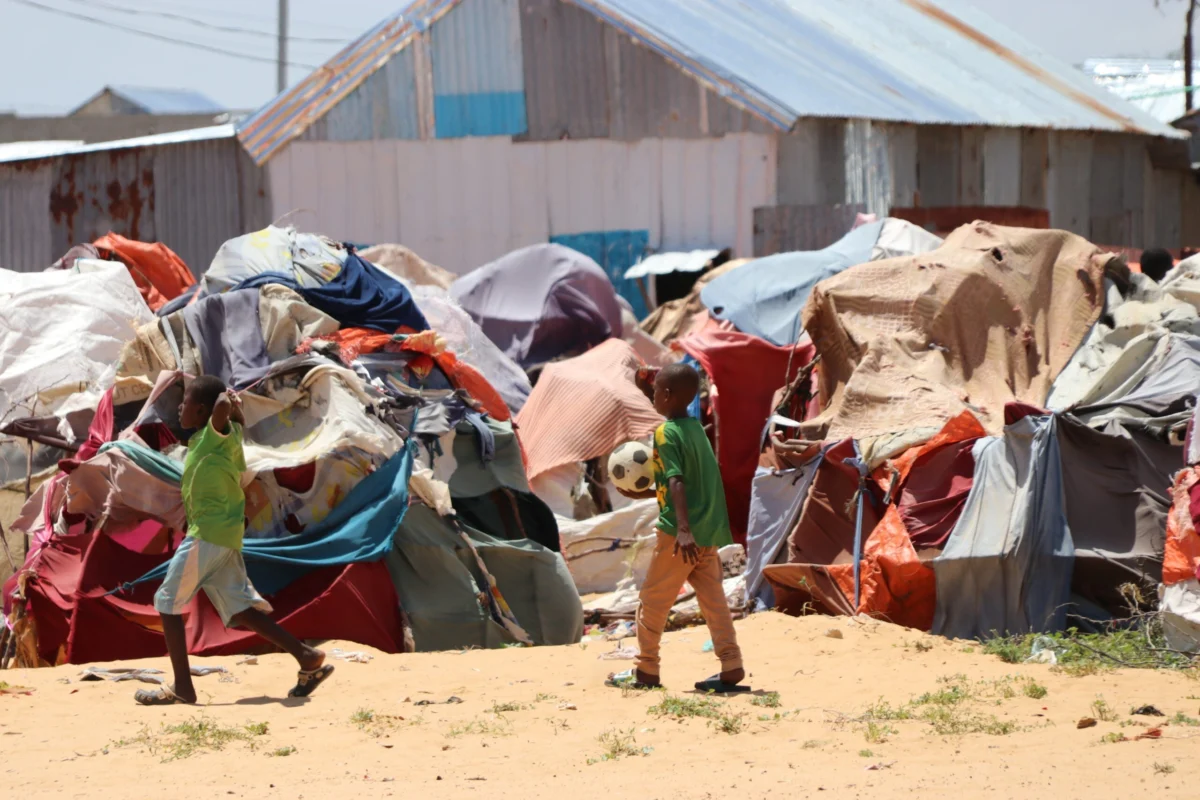
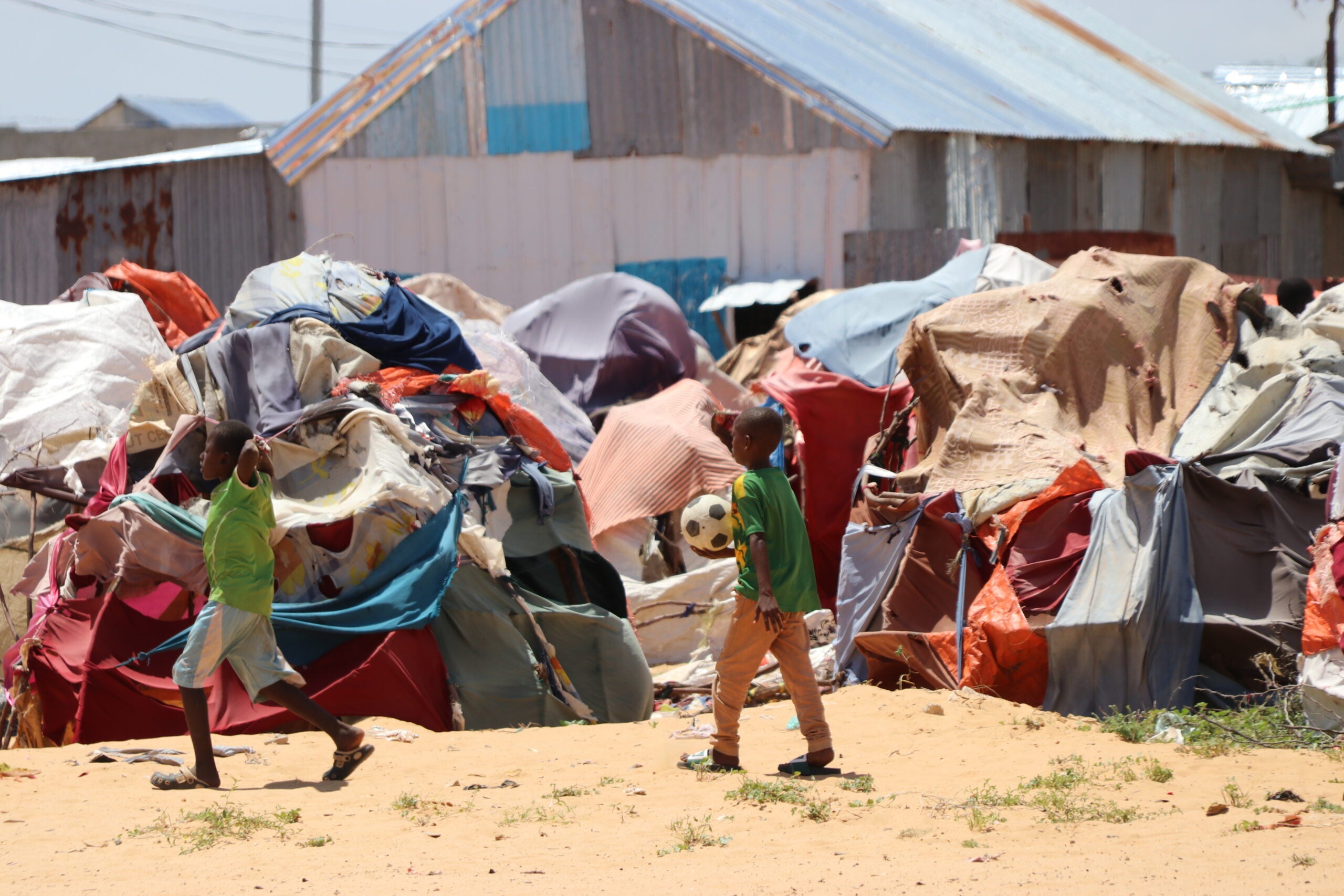
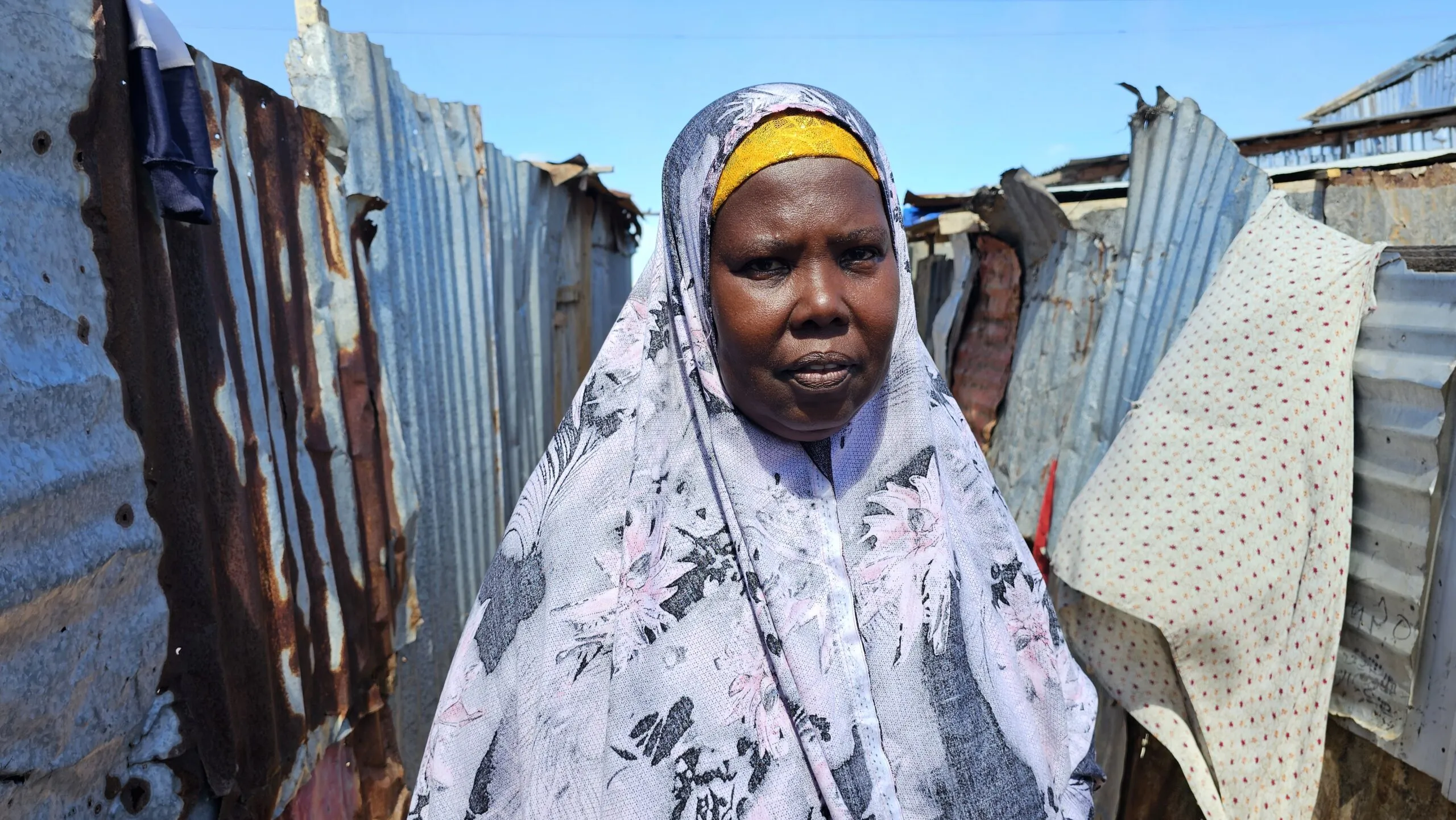
For the displaced families living in makeshift shelters across the outskirts of Mogadishu and Baidoa, rain is not a blessing; it is a threat. These families, having lost their livestock and harvests to years of failed rains, now reside on low-lying, marginal lands near riverbeds—the very areas most susceptible to flash flooding.
Chronology of a Crisis
- 2023: A severe El Niño event resulted in 1.2 million people being displaced. Thanks to early warning systems and pre-positioned funding, the WFP and local partners were able to mitigate the worst outcomes through cash transfers and emergency supplies.
- Early 2025: International donor fatigue begins to set in, with major government partners—including significant shifts in U.S. foreign assistance—scaling back funding for the Horn of Africa.
- September 2026: A critical tipping point is reached as over 230 nutrition centers across the country are forced to close their doors due to a lack of operational capital.
- October 2026: Forecasts confirm a high probability of severe flooding for the remainder of the year, with up to 3.5 million people in the path of destruction.
Supporting Data: The Anatomy of Hunger
The humanitarian community uses the Integrated Food Security Phase Classification (IPC) to measure the severity of hunger. The current projections for Somalia between October and December 2026 paint a chilling picture.
- Crisis Levels: An estimated 5.4 million people are expected to experience "Crisis" levels of hunger or worse.
- Emergency Levels: Nearly 1.5 million individuals are projected to reach the "Emergency" phase, characterized by severe food shortages and the exhaustion of all remaining household assets.
- The "Catastrophe" Threshold: In the displacement camps of Baidoa, approximately 26,000 people are expected to hit "Catastrophe" levels. This is the final stage before famine, where the risk of death, destitution, and extreme malnutrition becomes the daily reality.
The interaction between malnutrition and disease is a feedback loop of tragedy. As floodwaters contaminate water sources and destroy sanitation systems, outbreaks of cholera, measles, and diphtheria are on the rise. Malnutrition strips a child of their immune response, while waterborne illnesses prevent the absorption of nutrients, accelerating the onset of severe acute malnutrition. UNICEF projections suggest that 1.92 million children under the age of five will require treatment for acute malnutrition by mid-2027, with 433,000 of them requiring intensive care for severe cases.
The Funding Void: A System in Disarray
Perhaps the most distressing aspect of the 2026 crisis is not that the risks were unforeseen, but that the capacity to respond has been systematically dismantled.
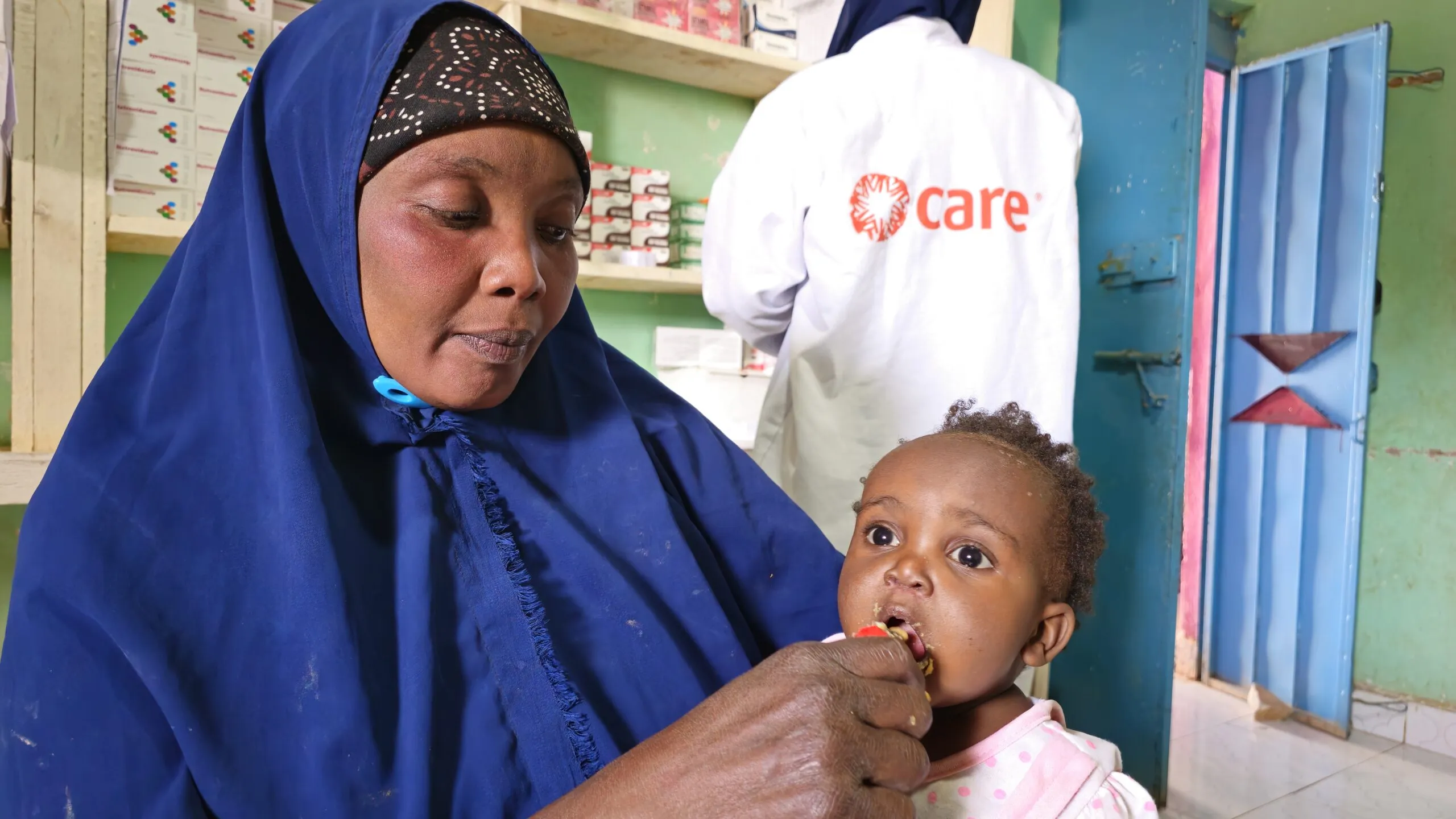
"We are being forced to close lifesaving health centers not because the need has disappeared, but because the funding has," says Ummy Dubow, CARE Somalia’s Country Director.
The statistics are sobering. Of the 75 CARE-supported health facilities that were actively treating acute malnutrition, only six remain operational as of October 2026. This mass closure is not an isolated incident; it is a systemic failure of global solidarity. As major donors prioritize other geopolitical conflicts, the "silent" emergency in Somalia—driven by the slow-motion violence of climate change—has been sidelined.
For mothers like Fadumo, a 42-year-old living in a displacement camp near Mogadishu, the loss of these services is tangible. Since the health center near her camp closed in May, she and her children have lost access to everything: clean water, nutrition support, and safe spaces. Her life is now defined by the uncertainty of the next meal, with her family surviving "day by day, hour by hour."
Official Responses and Strategic Challenges
The Somali Disaster Management Agency (SoDMA) has launched national preparedness simulations, attempting to replicate the successful "early action" models of 2023. However, these simulations rely on the existence of a robust, well-funded network of NGOs and UN agencies to implement the warnings. Without the "last mile" delivery mechanisms—the trucks, the cash transfer infrastructure, and the nutrition clinics—even the most accurate forecast is merely a record of an impending disaster.
The Strategic Necessity of Early Action
The international community learned in 2023 that "anticipatory action" saves money and lives. By providing cash transfers before the floods arrived, families could buy food, reinforce their shelters, and move to higher ground. When assistance is delayed until after the catastrophe, the cost to save a life increases exponentially, and the efficacy of that aid is severely hampered by destroyed logistics and severed supply lines.
The current strategy of the humanitarian sector, led by organizations like CARE, is twofold:
- Advocacy for Flexible Funding: Pushing for donors to provide "unearmarked" funds that can be moved quickly to wherever the flooding hits hardest.
- Support for Localized Response: Empowering local, women-led, and community-based organizations who are already on the ground and will remain there long after international media attention wanes.
Implications: The High Cost of Inaction
If the international community continues its current trajectory of withdrawal, the implications for Somalia are profound and potentially irreversible.
1. Loss of Human Capital
The generational impact of mass malnutrition cannot be overstated. Children who survive these periods of extreme deprivation often face lifelong cognitive and physical developmental delays. A generation stunted by hunger is a nation hampered in its future economic and social development.
2. The Erosion of Resilience
Somali pastoralist and agricultural communities have historically shown incredible resilience to environmental shocks. However, three years of drought followed by massive, devastating floods have effectively broken the "coping mechanisms" that once allowed these families to bounce back. Many have sold their last assets—tools, breeding livestock, and even household goods—just to survive the current hunger gap.
3. Geopolitical Instability
Hunger is a potent driver of conflict. As competition for dwindling resources—clean water, arable land, and humanitarian aid—intensifies, the risk of localized violence increases. Displacement camps are already hotbeds of tension; a failure to provide basic services only exacerbates the frustration and desperation that can be exploited by extremist elements.
A Call to Action: The Clock is Ticking
The window to prevent a full-scale famine is not measured in years, but in weeks. Once the floodwaters rise and the roads become impassable, the cost of delivering a bag of grain or a packet of therapeutic food will skyrocket, and the ability to reach the most vulnerable will vanish.
CARE and its partners continue to operate under severe constraints, leveraging local knowledge and partnerships to provide protection and support to the women and children who bear the brunt of this crisis. Yet, the work remains unfinished. The survival of millions in Somalia now rests on a simple, yet increasingly rare, commodity: political will.
As the rainy season begins in earnest, the world must decide if it will allow the progress made during the 2023 crisis to be washed away by the 2026 floods. The evidence is clear, the projections are verified, and the victims are identified. What remains to be seen is whether the international community will provide the resources necessary to ensure that "never again" remains a promise, rather than a hollow slogan.
For those who wish to support these efforts, the time to act is now—before the roads close, before the clinics are completely emptied, and before the famine shifts from a risk to a reality.
CARE has been working in Somalia since 1981, providing critical support across water, sanitation, education, and nutrition. For more information on how to support their efforts to avert this crisis, visit the official CARE donation portal.

 Nana

 Lina Hope