




 Siti Muinah
This coverage is made possible through a partnership between Grist and Interlochen Public Radio in northern Michigan.
For thousands of private forest owners across the United States, the promise of federal assistance to recover from catastrophic weather events has evaporated. The Emergency Forest Restoration Program (EFRP), a critical lifeline designed to help nonindustrial landowners clear debris, manage invasive species, and replant forests after natural disasters, has officially run out of money.
The U.S. Department of Agriculture (USDA) has confirmed that the program, administered by the Farm Service Agency (FSA), is currently unable to fulfill its mandate due to a massive surge in demand that has outstripped available appropriations. This funding freeze leaves hundreds of Michigan landowners—along with thousands of others across the nation—stuck in a bureaucratic purgatory, forced to choose between leaving their damaged timber to rot or paying out-of-pocket for restoration work with no guarantee of future reimbursement.
The Anatomy of a Funding Failure
The EFRP was established by Congress in 2008 as a cornerstone of the national Farm Bill, intended to provide rapid disaster relief for private forestlands. Nearly two years ago, Congress appropriated $357 million for the program, designating the funds as available “until expended.” However, the reality of the 2024 and 2025 climate landscape has proved that $357 million is a drop in the bucket.
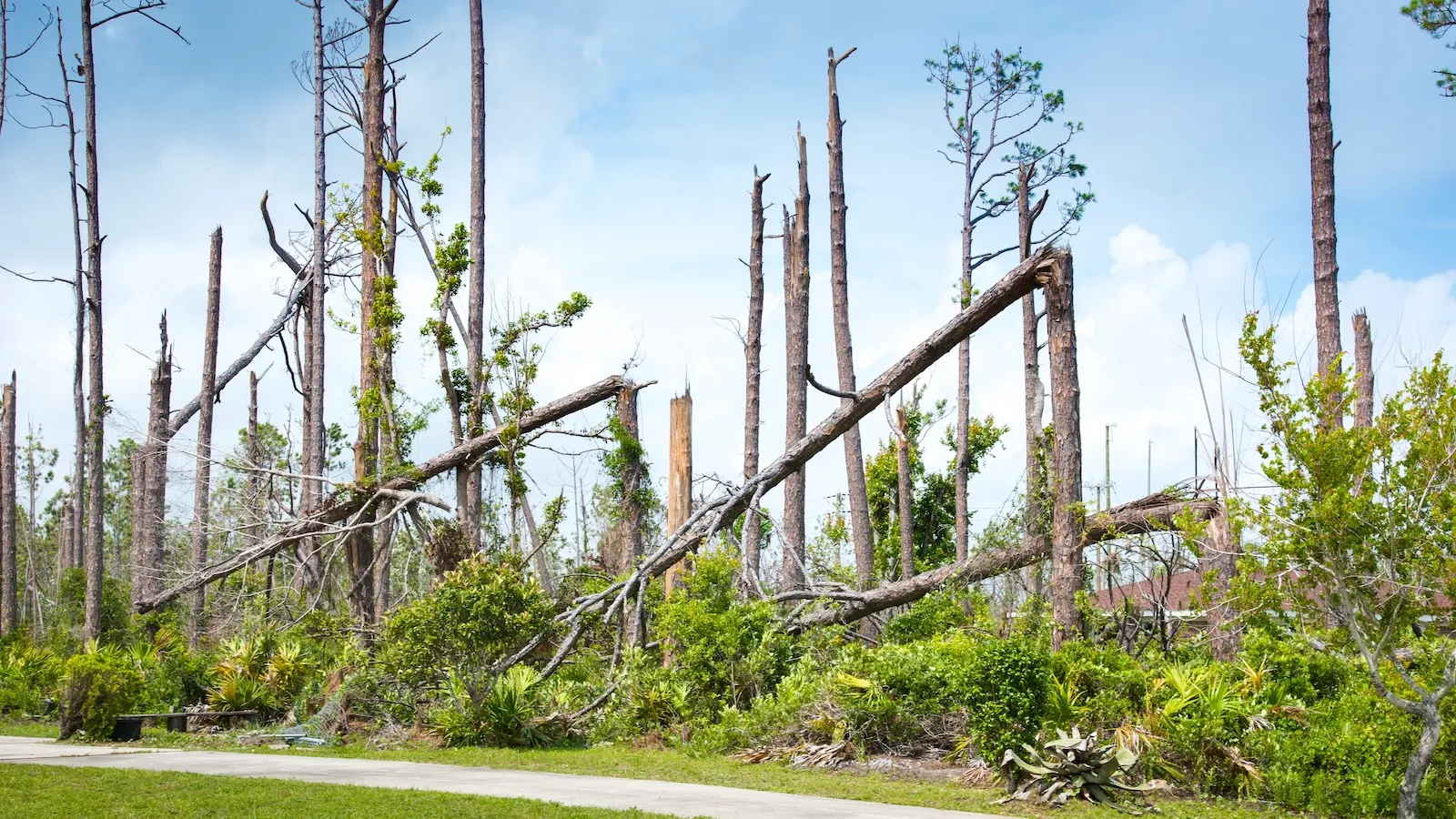
The USDA earmarked a significant portion of those funds to address the widespread destruction caused by the 2024 Atlantic hurricane season. As resources were diverted to hurricane-ravaged states, the rollout of the program in other regions—specifically northern Michigan—began to falter. What was promised as a streamlined disaster response quickly devolved into a narrative of administrative delays, confusion regarding eligibility requirements, and a profound lack of communication between federal agencies and the citizens they are meant to serve.
“Currently, requests for financial assistance through the Emergency Forest Restoration Program exceed the funding currently available,” a spokesperson for the USDA stated, confirming the suspension of new payouts.
A Chronology of Crisis and Confusion
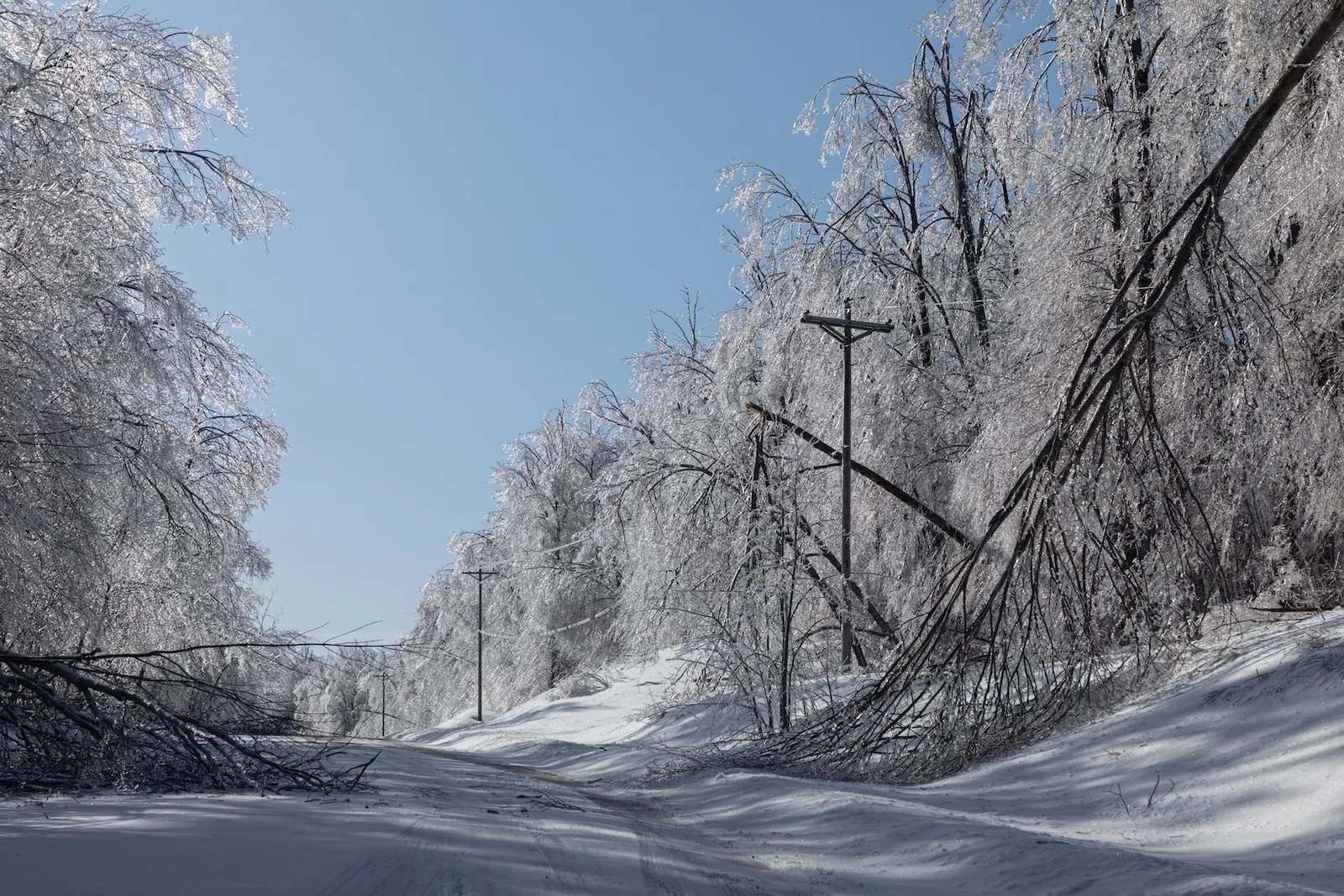
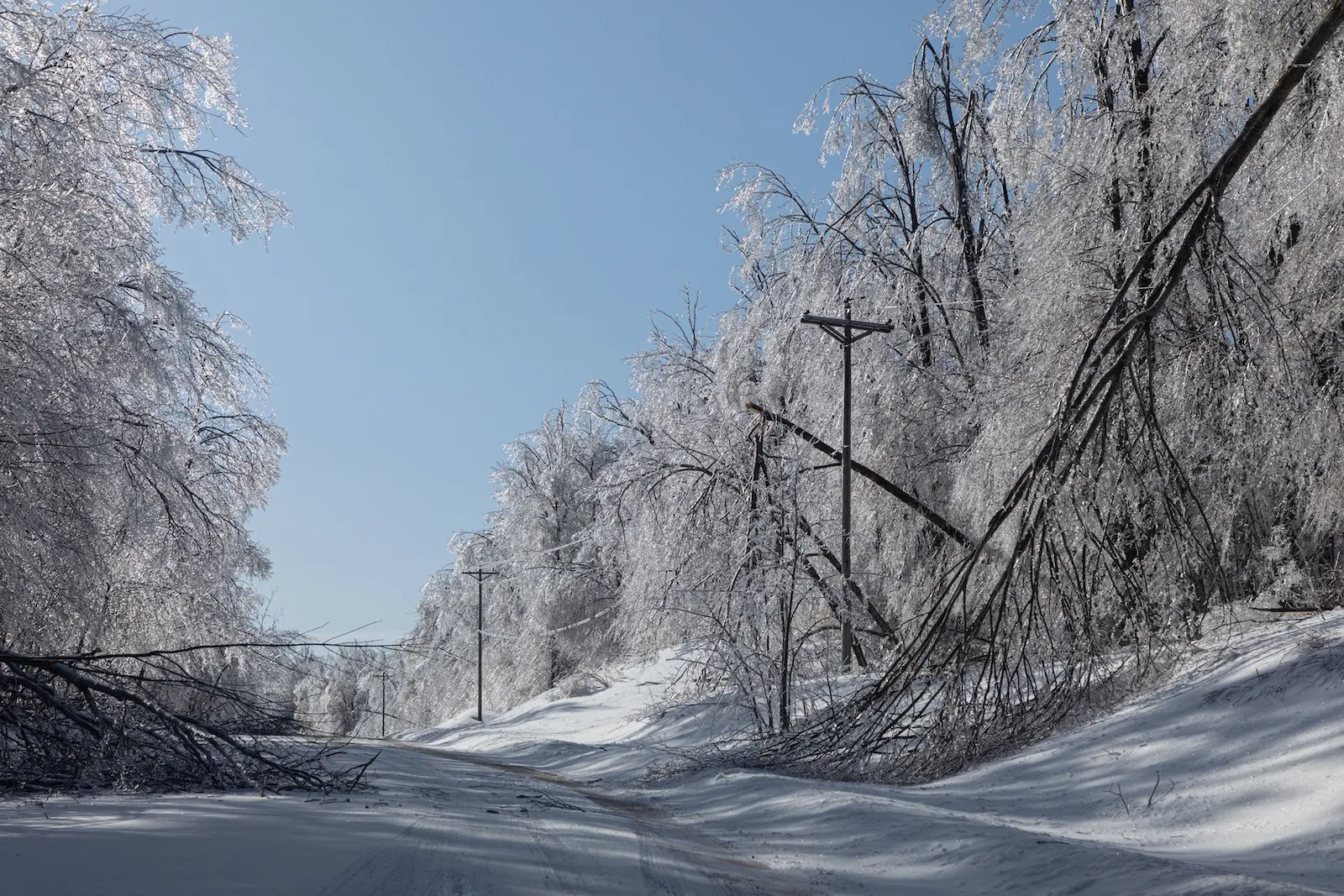
The struggle for Michigan’s forest owners began in March 2025, when a catastrophic ice storm tore through 12 counties in the northern part of the state. In just 48 hours, the weight of freezing rain snapped timber and downed trees across approximately 3 million acres.
- March 2025: A massive ice storm strikes northern Michigan, devastating private and public forests alike.
- May 2025: The USDA finally invites Michigan landowners to apply for EFRP assistance.
- Summer 2025: Professional foresters are contracted by the Michigan Department of Natural Resources (DNR) to conduct site visits and create restoration plans for applicants.
- Late 2025 – Early 2026: Applicants face mounting frustration as bureaucratic hurdles prevent the approval of restoration plans.
- January 2026: Reports emerge detailing the 10-month lag in federal aid, highlighting the growing anxiety among forest owners.
- Spring 2026: Parts of the same region are hit by a second, subsequent ice storm, further complicating recovery efforts and raising questions about the efficacy of current forest management.
- Late 2026: The USDA confirms that EFRP funding is exhausted, effectively halting the program nationwide.
This timeline reflects a disconnect between the reality of climate-driven destruction and the slow, often rigid machinery of federal disaster relief. While the state of Michigan estimates it needs $14 million to restore just the one million acres managed by the DNR, private landowners remain entirely reliant on the now-defunct EFRP to subsidize their own recovery costs.
The "Agricultural" Mismatch: A Steep Learning Curve
A significant portion of the frustration voiced by Michigan foresters stems from the structure of the Farm Service Agency itself. By design, the FSA is built to support traditional row-crop agriculture—corn, wheat, and soybeans. When the EFRP was tasked with managing hardwood forests, the agency lacked the institutional expertise to handle the unique ecological and economic nuances of timberland.
“It was a little unfair to the folks at FSA,” says Tony Fox, a forester based in Lake City, Michigan, who authored over a dozen restoration plans. “You had a lot of folks who had no clue about the forest trying to wedge an agricultural program into the woods. There was a steep learning curve.”
This mismatch resulted in administrative bottlenecks. Foresters were sent to survey damaged woods, drafting complex plans for reforestation and invasive species mitigation, only to have those plans sit idle on the desks of administrators who were unfamiliar with silviculture. The result was a cycle of repetitive paperwork, site visits, and ultimately, silence.
Neil Haney, executive director of the Lake Louise Christian Community in Boyne Falls, spent months coordinating on-site visits and filling out detailed documentation for 1,700 acres of damaged forest. “We’ve spent so much time filling out the paperwork, going and doing in-person meetings, having them on site doing visits, for what feels like nothing,” Haney remarked.
Implications: Ecological and Economic Costs
The implications of this funding collapse are both immediate and long-term. Forest health is not a static condition; it is a dynamic process that relies on timely intervention.
The Risk of Inaction
Foresters warn that delayed restoration work can lead to a domino effect of ecological degradation. When forests are left with significant downed timber, they become breeding grounds for pests and pathogens. Species like red pine and aspen, which were hit particularly hard in the 2025 storm, are at high risk of rot. If these trees are not salvaged in a timely manner, their timber value is lost, and the decaying matter increases the risk of catastrophic wildfire—a growing concern even in northern climates.
Carbon Sequestration
Beyond the immediate timber value, there is a global cost. America’s forests store nearly 60 billion metric tons of carbon, acting as a vital "sink" that offsets approximately 13 percent of the country’s total greenhouse gas emissions. When forests are destroyed or left to rot without replanting, they stop sequestering carbon and may even become net emitters. By failing to provide the funds necessary for restoration, the federal government is effectively undermining its own climate objectives.
Economic Impact
The forest industry in Michigan is a multi-billion dollar economic engine, supporting tourism, recreation, and wood products manufacturing. When private forest owners are forced to abandon their land because they cannot afford the cost of clearing debris or replanting, the regional economy suffers. The lack of aid is not just a personal tragedy for individual landowners; it is a systemic failure that threatens the future productivity of the state’s landscape.
Official Responses and Political Pressure
While the FSA has stated that landowners may proceed with restoration work at their own expense, this provides little comfort to those who lack the capital to front the costs. The agency remains opaque regarding the exact number of approved versus pending applications.
Representative Jack Bergman, a Republican representing northern Michigan, has been among the most vocal critics of the current situation. In a statement, Bergman emphasized that the federal government is failing its mandate to act in emergencies. “Landowners shouldn’t have to fight Washington just to get help recovering,” Bergman said. “If Washington calls this emergency relief, it needs to act like it’s an emergency.”
Legislative efforts are underway to fix the broken system. This summer, Congress passed a bill aimed at allowing advance payments for disaster relief, which supporters hope will provide a buffer against future funding delays. However, it remains unclear how, or if, this new legislation will provide retroactive relief to the thousands of landowners currently left in the cold.
Conclusion: Lessons for a Warming World
As climate change continues to increase the frequency and severity of extreme weather events—from ice storms in Michigan to hurricanes in the South and windstorms in the Midwest—the current disaster relief model is proving to be dangerously inadequate.
For landowners like Logan Hawley, the experience has been a sobering lesson in the fragility of federal promises. “Our weather conditions are becoming more harsh in many circumstances, so we need to be able to have these pots of funding available,” Hawley says. “These delays are continually putting us at a place where we have to restart efforts when the next storm hits.”
The federal government, Haney notes, seems well-equipped to respond to the high-profile, predictable disasters of the past, but it has yet to adapt to the new, chaotic reality of a changing climate. As the woods of northern Michigan sit in wait, the trees may eventually recover on their own, but the trust between the American public and the agencies designed to protect their land may take much longer to grow back.


 Nila Kartika Wati
 Laily UPN





