




 Lina Hope
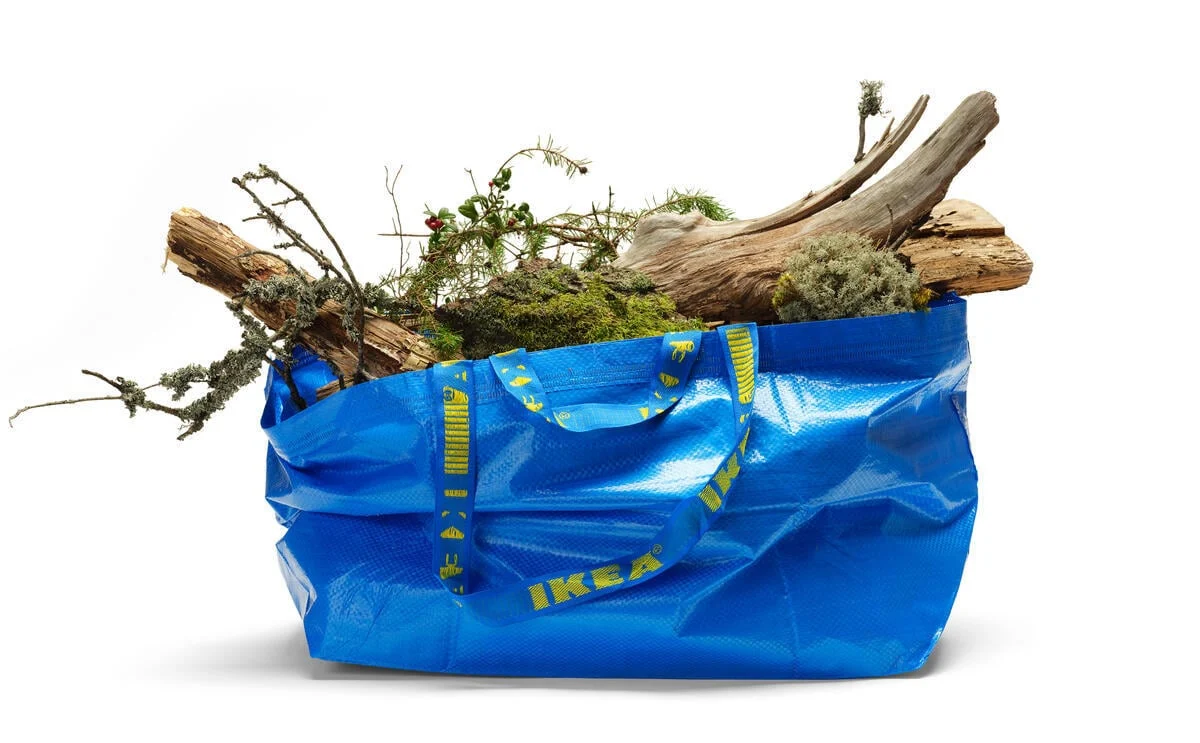
BUCHAREST/STOCKHOLM — For decades, Ikea has cultivated an image as the approachable face of sustainable living. With its minimalist aesthetics and promises of a "climate-positive" future, the Swedish retail giant has become a household staple. However, a damning new investigation by Greenpeace Nordic and Greenpeace Romania suggests that behind the sleek, budget-friendly furniture lies a darker reality: the systematic destruction of some of Europe’s most ecologically significant forests.
The report, titled The Missing Manual: What Ikea Must Do to Protect Europe’s Forests, alleges that the company is fueling the degradation of primeval landscapes while relying on flawed certification schemes to deflect criticism. As global leaders prepare to convene at the UN Biodiversity Conference (CBD COP17) in Yerevan, the revelations have cast a harsh spotlight on the limitations of voluntary corporate sustainability commitments.
The Core Allegations: A Supply Chain Under Scrutiny
Ikea is arguably the world’s largest consumer of wood, requiring vast quantities of timber to sustain its global operations. According to Greenpeace, the company’s internal metrics and public relations campaigns are disconnected from the operational reality on the ground. The core of the accusation is that Ikea’s massive scale—which the company claims is a tool for good—is instead acting as a primary driver of deforestation in high-biodiversity areas.
Frida Bengtsson, head of Greenpeace in Sweden, did not mince words regarding the findings. "Ikea says it wants to use its size to make sustainable wood sourcing the global norm. That ambition must start with a clear commitment: no wood from forests that need protection," she stated. "Every two seconds, a tree is felled to feed Ikea’s supply chain. It is time for them to stop hiding behind flawed certifications and show what their commitment to transforming the forestry industry really means on the ground."
Chronology of a Crisis: The Carpathians Investigation
The most visceral evidence of these practices comes from an accompanying field report titled Europe’s Vanishing Forests: (Part 1): How Ikea is driving forest destruction in the Carpathians. Greenpeace Romania focused its investigation on the Rusca Montană forest in the Romanian Carpathians, an area known for its immense biodiversity and ancient tree stands.
The Timeline of Destruction:
- Pre-2026: The Rusca Montană forest is identified as a critical, biodiverse area slated for strict legal protection. It serves as a vital habitat for endangered species and a carbon sink of significant local value.
- 2026: Despite its pending status for conservation, the forest is subjected to extensive clear-cutting. Investigative teams documented the felling of mature trees that would have been protected under the proposed conservation framework.
- The Regulatory Loophole: Following the logging, the area was stripped of its proposed conservation status. Critics argue this maneuver—logging an area just before it receives legal protection—is a recurring tactic used to bypass environmental regulations.
- The Supply Chain Link: Greenpeace’s investigation traced the timber from these specific clear-cut sites to the manufacturing of iconic, high-volume Ikea products, including the SNIGLAR bed and the BEKVÄM step stool.
Valentin Salageanu, a spokesperson for Greenpeace Romania, described the scene in the Carpathians as an "ecological tragedy." He noted, "We walked through areas proposed for strict protection, only to find endless fresh stumps where precious, biodiverse forests stood months ago. Ikea’s hunger for wood is grinding up Europe’s natural heritage."
Supporting Data: Why Certification Systems Are Failing
Ikea has long defended its sourcing practices by pointing to the Forest Stewardship Council (FSC) certification. However, the Greenpeace report argues that these certifications are fundamentally flawed when applied to large-scale, industrial-demand supply chains.
The Myth of "Responsible Sourcing"
The report highlights several systemic failures in current auditing processes:
- Limited Scope: Certification audits often fail to capture the cumulative impact of logging across vast, fragmented landscapes.
- Lack of Transparency: Chain-of-custody documentation is frequently opaque, making it difficult for third-party NGOs or consumers to verify the precise origin of the wood in a finished product.
- Regulatory Capture: In many regions, the legal requirements for logging are lower than the ecological requirements for forest survival. By simply meeting "local legal requirements," corporations like Ikea can legally destroy forests that are biologically invaluable but technically "unprotected" by state law.
Greenpeace asserts that Ikea is essentially using these certificates as a "green shield" to maintain their social license to operate while continuing to source from primary forests that are approaching a tipping point of collapse.
Official Responses: A Clash of Perspectives
In the lead-up to the report’s publication, Greenpeace provided Ikea with a draft of the findings to allow the company an opportunity to respond. Ikea’s reaction was largely defensive, emphasizing their adherence to existing frameworks while rejecting the call for an immediate moratorium on logging in contested areas.
The Ikea Stance
Ikea’s response focused on three pillars:
- Compliance: The company maintained that it follows all local laws in the regions where it operates.
- Certification: Ikea reaffirmed its commitment to the FSC standards, arguing that they remain the most robust tool available for global forestry management.
- The "Future Protection" Defense: Regarding the Rusca Montană forest, Ikea did not contest the fact that the area was logged, nor did it deny the link between that timber and their products. Instead, they characterized the site as one that was "considered for possible future protection" rather than one currently under a binding legal moratorium at the time of the felling.
The Greenpeace Counter
Greenpeace views this response as a textbook example of corporate deflection. By focusing on the legality of their actions rather than the morality or environmental outcome, the company is accused of ignoring the "spirit" of the Kunming-Montreal Global Biodiversity Framework (GBF). This framework, which calls for the protection of 30% of Earth’s land by 2030, is treated as a secondary priority by the retail giant, according to the report.
Global Implications: Biodiversity and the COP17 Summit
The timing of this report is no accident. As world leaders head to Yerevan for the UN Biodiversity Conference (CBD COP17), the "Ikea Case" serves as a microcosm of the wider global crisis.
The scientific consensus is clear: the current trajectory of industrial forestry is incompatible with the biodiversity goals established at the Kunming-Montreal summit. With voluntary corporate promises currently failing to curb the rate of deforestation, experts are increasingly calling for mandatory, legally binding regulations that go beyond the industry-led standards that have dominated for the last two decades.
The Demands for Reform
Greenpeace has issued a series of urgent demands for the furniture retailer:
- Immediate Moratorium: Stop sourcing wood from any high-biodiversity forests that qualify for protection, regardless of their current legal status.
- Board-Level Accountability: Implement binding, board-level biodiversity targets that are as rigorous as the company’s financial reporting.
- Full Traceability: Move toward total transparency, allowing for the independent verification of every piece of wood within the supply chain.
- Policy Advocacy: Shift from passive compliance to active support for political frameworks that aim to protect 30% of land—including 10% under strict protection—by 2030.
Conclusion: A Turning Point for Corporate Sustainability
The investigation into Ikea represents a significant escalation in the battle between environmental advocacy groups and the world’s largest retailers. If a company with the resources and the public commitment to sustainability that Ikea possesses cannot prevent its supply chain from encroaching on protected or ecologically vital lands, it raises serious questions about the viability of the current global model of consumption.
For the millions of consumers who choose Ikea for its promise of a "better everyday life," the findings present a challenging dilemma. As the debate moves from the boardrooms of Sweden to the halls of the United Nations, the message from the forests of the Carpathians remains clear: the time for good intentions has passed. The preservation of Earth’s remaining natural heritage now requires a fundamental transformation in how industrial giants value—and ultimately, extract—the world’s natural resources.
The industry is watching. Whether Ikea will choose to lead or continue to rely on the shield of flawed certifications will determine not just the future of their own furniture line, but the fate of the forests they claim to protect.


 Nila Kartika Wati

 Laily UPN





