

 Iffa Jayyana
From the depths of the Pacific Ocean to the high-stakes world of meteorological forecasting, the National Oceanic and Atmospheric Administration (NOAA) serves as a silent, indispensable guardian of the American way of life. While often recognized for its role in tracking hurricanes or issuing severe weather warnings, the agency’s reach extends far deeper into the socioeconomic fabric of the nation.
Recent research initiatives led by NOAA scientists are currently driving advancements in public health, economic resilience, and environmental sustainability. By leveraging cutting-edge technology—ranging from deep-sea robotics to advanced satellite modeling—NOAA is not merely observing the planet; it is actively engineering solutions to some of the 21st century’s most pressing challenges.
Main Facts: The Scope of Modern NOAA Research
At its core, NOAA’s mission is twofold: to understand the complexities of our atmosphere and oceans, and to translate that data into actionable intelligence for the public, industry, and government. The current research portfolio is anchored by several key pillars:
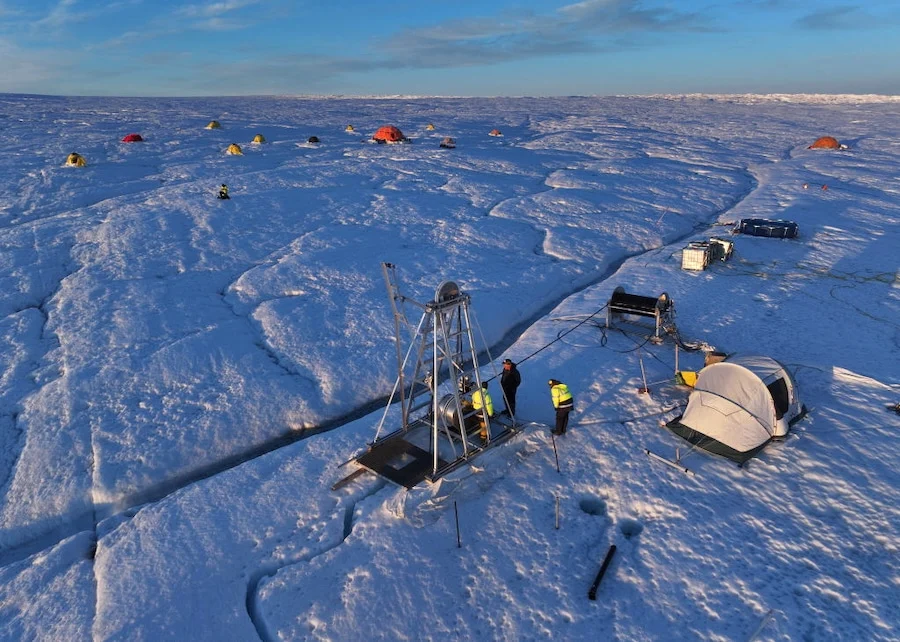
- Water Security and Quality: By mapping atmospheric rivers and monitoring groundwater interaction with coastal systems, NOAA provides the data necessary to ensure that American communities have access to safe, reliable drinking water.
- Sustainable Fisheries: As highlighted by recent studies on sablefish populations, NOAA is instrumental in maintaining the balance between marine biodiversity and the multi-billion-dollar commercial fishing industry.
- Climate-Resilient Infrastructure: Through high-resolution climate modeling, the agency helps urban planners and civil engineers design structures capable of withstanding the increased frequency of extreme weather events.
- Economic Optimization: Accurate weather and climate forecasts are not just safety measures; they are economic engines that allow the agricultural, shipping, and energy sectors to operate with greater efficiency.
- Technological Innovation: NOAA’s R&D enterprise is a hotbed for rapid prototyping in autonomous maritime vehicles and AI-driven predictive modeling.
Chronology: A Legacy of Scientific Progression
The evolution of NOAA’s research mandate is a narrative of technological adaptation. Understanding how the agency arrived at its current capacity requires a look at its trajectory over the last several decades.
1970–1990: The Foundation of Remote Sensing
Following its establishment in 1970, NOAA focused heavily on the deployment of environmental satellites. This era laid the groundwork for modern forecasting, moving the agency from ground-based observation to a comprehensive, "bird’s-eye" view of the planet.
1990–2010: The Digital Revolution
As computing power grew, so did the complexity of NOAA’s models. The introduction of numerical weather prediction (NWP) allowed for longer-range forecasting. During this period, the focus shifted toward integrating oceanographic data with meteorological data, recognizing the ocean as a primary driver of atmospheric change.
2010–2024: The Era of "Big Data" and AI
The last decade has seen a transition toward high-frequency data collection. The use of deep-sea gliders, drone swarms, and AI-driven analysis has allowed NOAA to process petabytes of information in real-time. The recent studies on species like the sablefish are a direct product of this era, where genomic sequencing and advanced tracking technologies provide a granular understanding of marine health.
2025 and Beyond: The Future of Resilience
Today, NOAA is prioritizing the "operationalization" of research. This means shortening the window between a discovery in the lab and its implementation in the field—a critical shift given the accelerating pace of climate change.
Supporting Data: The Economic and Ecological Impact
The necessity of NOAA’s research is best illustrated through the numbers. According to the agency’s most recent annual reports, the "Blue Economy"—which relies on NOAA data—contributes significantly to the U.S. GDP.
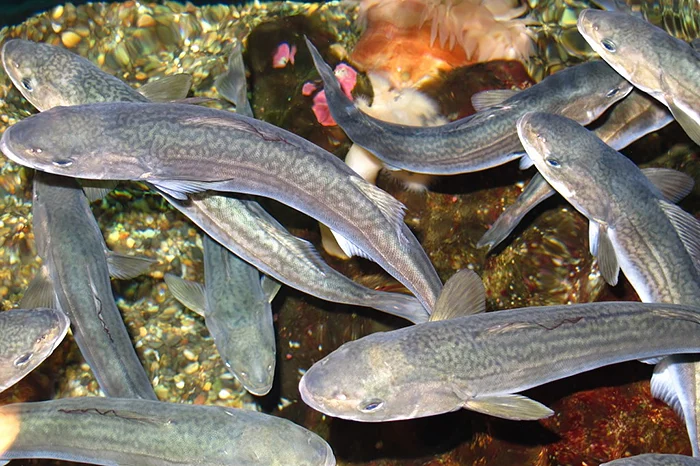
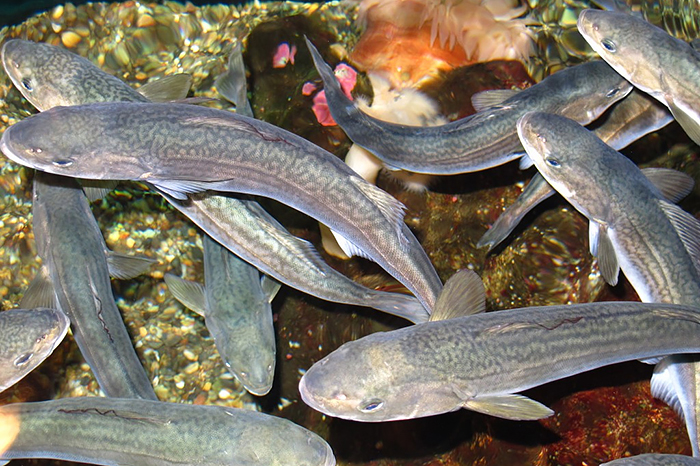
- The Sablefish Indicator: Sablefish (Anoplopoma fimbria) populations serve as a bellwether for the health of the North Pacific. Research indicates that by strictly managing catch limits based on NOAA’s biological modeling, the industry has maintained a sustainable yield worth hundreds of millions of dollars annually, preventing the collapse of the fishery that occurred in other regions of the world.
- Weather-Related Economic Savings: The maritime shipping industry, which relies on NOAA’s real-time ocean current and wind data, reduces fuel consumption by an estimated 10-15% through optimized routing. In a global economy, this translates to billions in saved operational costs.
- Drinking Water Infrastructure: NOAA’s precipitation frequency data is now the gold standard used by the Environmental Protection Agency (EPA) to update building codes. As rainfall patterns shift, this data ensures that storm drainage systems in cities like New York, Miami, and Seattle do not overflow, preventing the contamination of groundwater supplies.
Official Responses and Strategic Direction
The leadership at NOAA has emphasized a "whole-of-government" approach to its research initiatives. In recent statements, NOAA administrators have highlighted that the agency’s role is no longer just to report on the state of the world, but to provide the tools for adaptation.
"Our research is no longer an academic exercise," notes a senior NOAA research lead. "It is a vital component of national security and economic stability. Whether we are tracking the migration patterns of commercially vital fish species or modeling the impact of heatwaves on city infrastructure, we are working to ensure that the American public is prepared for the environment of tomorrow."
The agency is also doubling down on partnerships with the private sector. Through the Commercial Data Purchase Program, NOAA is integrating data from private weather satellites and ocean sensors, creating a more robust and redundant network of information that is less susceptible to individual instrument failure.
Implications: Why This Matters to You
The average citizen may not interact with a NOAA scientist, but they interact with the products of their work every day.
Public Health and Safety
When a municipality issues a boil-water advisory or a city implements a flood management plan, it is often based on hydrological models developed by NOAA. The agency’s research into harmful algal blooms, for example, directly protects coastal tourism and local shellfishing industries, preventing millions of dollars in losses and protecting the public from toxic exposure.
Sustainable Stewardship
The work being done on sablefish and other species is a template for the future of resource management. As global populations rise and the demand for protein increases, the ability to harvest marine resources without depleting the stock is a critical component of global food security. NOAA’s data-driven approach to fisheries management is the only way to ensure these resources remain available for future generations.
Adapting to a Changing Climate
The most profound implication of NOAA’s current research is the shift toward predictive adaptation. Rather than waiting for a crisis to occur, state and local governments are now using NOAA’s long-term climate projections to decide where to build homes, how to reinforce power grids, and what crops are viable in shifting agricultural zones. This is not a luxury; it is a necessity for maintaining societal stability in a period of environmental volatility.
Conclusion: A Mandate for the Future
The photograph of young sablefish swimming in the Pacific is more than just a snapshot of marine life; it is a symbol of the interconnectedness of our world. Every aspect of our economy, from the water in our taps to the goods delivered to our ports, is inextricably linked to the data streams monitored by NOAA.
As the agency looks toward the next decade, its mandate remains clear: to provide the science that makes life better, safer, and more sustainable. By fostering innovation and maintaining a commitment to rigorous, transparent research, NOAA continues to serve as the backbone of American environmental resilience. Whether it is through the tracking of oceanic currents or the fine-tuning of weather models, the agency is actively working to ensure that when we look at the horizon, we see not just the challenges ahead, but the tools to overcome them.
For those interested in the granular details of these initiatives, the ongoing projects offer a fascinating window into the future of environmental science. The path forward is complex, but with the data provided by NOAA, it is a path that we are increasingly equipped to navigate with confidence.


 Layla Zulfa
 Neng Nana