 Ammar Sabilarrohman
By Olivia Rosane and Cristen Hemingway Jaynes
Methane, a colorless, odorless gas, is a ubiquitous presence in our environment, emanating from natural sources like wetlands and the digestive systems of livestock, as well as from human activities such as natural gas extraction and waste decomposition. Despite its subtle nature, methane is a formidable greenhouse gas, second only to carbon dioxide (CO2) in its contribution to the climate crisis. Its potent warming capacity, particularly over shorter timeframes, makes it a critical target for climate mitigation efforts.
Quick Key Facts
- What is Methane? A potent greenhouse gas, primarily composed of carbon and hydrogen atoms.
- Contribution to Climate Change: Second only to CO2, responsible for approximately one-third of current global heating.
- Potency: Traps 86 times more heat than CO2 over a 20-year period.
- Atmospheric Lifespan: Approximately 12 years, significantly shorter than CO2.
- Major Human Sources: Agriculture (livestock, rice cultivation), fossil fuels (oil, gas, coal), and waste management (landfills).
- Major Natural Sources: Wetlands, oceans, geological seeps, and permafrost.
- Measurement Methods: "Bottom-up" (localized, facility-specific) and "top-down" (atmospheric, satellite-based).
- Climate Impact: Drives global warming, contributes to ground-level ozone formation, and exacerbates respiratory illnesses.
- Reduction Targets: The Global Methane Pledge aims for a 30% reduction by 2030. The IPCC recommends a 34% reduction by 2030 to limit warming to 1.5°C.
Understanding Methane: From Nature’s Cycles to Human Impact
Methane (CH4) is a simple hydrocarbon, a molecule consisting of one carbon atom bonded to four hydrogen atoms. It is a fundamental component of natural gas, which currently fuels approximately 25 percent of global electricity generation. Methane’s origins are twofold: geological and biological. Geologically, it is formed over millions of years under intense heat and pressure from decaying organic matter, a process that also yields much of the natural gas we extract. Alternatively, deep within the Earth, methane can be generated through non-organic processes.
Biologically, methane is produced through a process called methanogenesis, carried out by single-celled organisms known as archaea. These microorganisms thrive in oxygen-free environments, such as the muddy bottoms of wetlands or the digestive tracts of animals. This biological pathway is responsible for methane emissions from natural sources like swamps and the "burps" of ruminant animals like cows.
Measuring the Invisible Threat: Challenges and Advancements
Accurately quantifying methane emissions is a complex but crucial task. Two primary methodologies are employed:

- Bottom-Up Approaches: These methods begin at the source, focusing on localized emissions. They can involve direct measurements from specific facilities, such as oil rigs or farms, or estimations based on the known emissions of particular activities or animals. For instance, calculating livestock methane emissions might involve multiplying the average methane produced per cow by the total number of cattle in a region.
- Top-Down Approaches: These methods start with atmospheric measurements, often taken from aircraft, balloons, or increasingly, satellites. By analyzing the concentration of methane in the atmosphere and combining this data with knowledge of emission sources and sinks, scientists can model overall emission patterns.
The advent of advanced satellite technology has been particularly transformative, revealing "super-emitting" events—isolated incidents that release disproportionately large amounts of methane. These events, often missed by traditional bottom-up inventories, highlight significant leaks in fossil fuel infrastructure, such as oil and gas fields and coal mines. Studies have consistently shown that direct measurements of methane emissions, particularly from the oil and gas sector, often exceed official estimates, underscoring the critical need for improved monitoring and reporting.
Methane’s Climatic Punch: Potency and Persistence
Methane’s role in the climate crisis stems from its ability to trap heat. When released into the atmosphere, it absorbs infrared radiation emitted by the Earth’s surface, redirecting it back towards the planet and thus contributing to global warming. While natural sinks like soil and the troposphere can break down methane, human activities since the Industrial Revolution—primarily the burning of fossil fuels, intensive agriculture, and waste management—have overwhelmed these natural processes.
As of 2023, atmospheric methane concentrations have surged by 265 percent compared to pre-industrial levels, reaching 1,934 parts per billion (ppb). Human activities account for approximately 60 percent of this increase. This surge has contributed significantly to global heating, second only to CO2. The urgency of addressing methane is amplified by its dual nature: it is far more potent than CO2 over shorter periods, trapping 86 times more heat per unit mass over 20 years, and it has a relatively short atmospheric lifespan of about 12 years. This combination means that swift reductions in methane emissions can yield rapid and substantial benefits in curbing global warming and stabilizing temperatures. The Global Methane Assessment has identified methane mitigation as potentially the most impactful strategy for reducing warming in the next two decades. To align with the goal of limiting global heating to 1.5°C above pre-industrial levels, the Intergovernmental Panel on Climate Change (IPCC) has calculated that methane emissions must decrease by approximately 34 percent by 2030 compared to 2019 levels.
Sources of the Methane Surge: A Multifaceted Problem
Methane emissions originate from both natural and human-driven sources, with human activities contributing the larger share. More than 90 percent of these anthropogenic emissions stem from three primary sectors: agriculture, fossil fuels, and waste.
Agriculture: The Livestock and Rice Connection
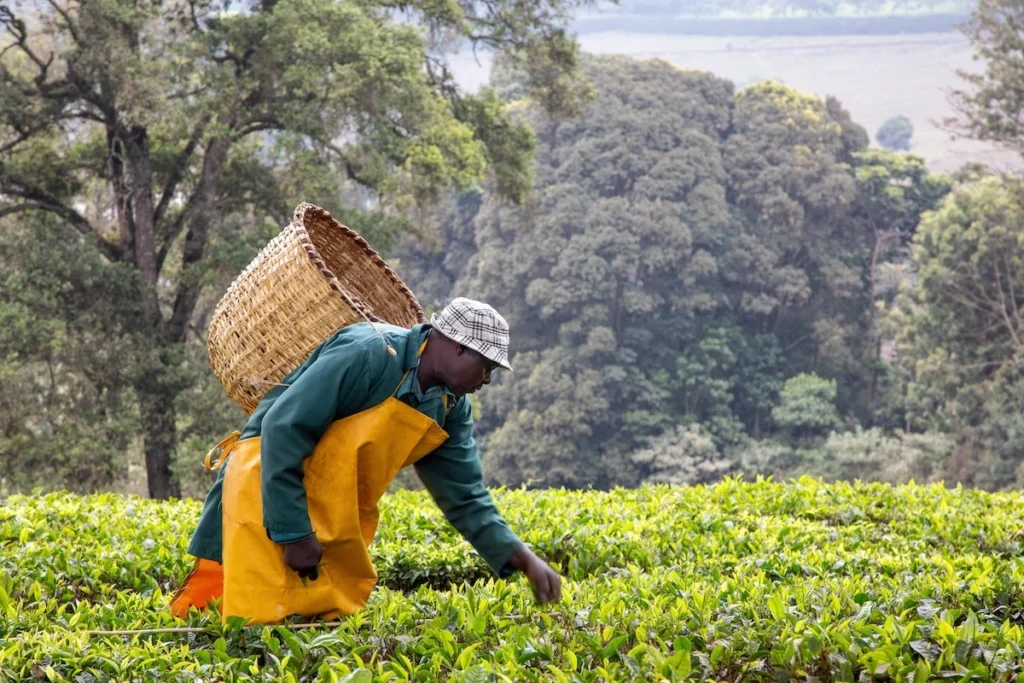
Agriculture accounts for roughly 40 percent of human-caused methane emissions. Livestock, particularly cattle raised for meat and milk, are the dominant source, contributing approximately 32 percent. This methane is primarily produced through enteric fermentation, the digestive process in ruminant animals. Manure management, especially from pigs and cows, also releases significant methane. With rising global meat consumption, these emissions are projected to increase substantially.

Rice cultivation, grown in flooded paddies, contributes another 8 percent of human-caused methane emissions due to the anaerobic conditions that foster methane-producing microbes. The burning of agricultural waste accounts for a further 1 percent.
Fossil Fuels: Extraction, Transport, and Mining
The fossil fuel industry is responsible for about 35 percent of human-caused methane emissions. The extraction, transport, and use of oil and gas contribute 23 percent, largely through venting, leaks during extraction and transport, and the use of natural gas itself. Emissions from this sector are expected to grow.
Coal mining, including from abandoned mines, accounts for 12 percent of human-caused methane emissions. Methane is naturally present in coal seams and can be released during various stages of the mining process.
A significant concern within the fossil fuel sector is the occurrence of "super-emitters"—individual facilities or incidents that release massive amounts of methane. Satellite data has identified numerous such events at oil and gas fields and coal mines, with some spewing emissions equivalent to those of entire countries. Experts believe that the rise in methane emissions during the 2010s was significantly driven by fossil fuel activities.
Landfills and Waste: Decomposing Materials, Rising Emissions
Landfills and waste management systems contribute approximately 20 percent of human-caused methane emissions. As organic waste decomposes in anaerobic conditions within landfills and wastewater treatment facilities, it releases methane. Waste sites have also been identified as significant super-emitters. With projected population growth and development, particularly in lower-income countries, emissions from waste are expected to rise faster than from any other human-caused source.

Natural Sources: Wetlands and Beyond
Wetlands are the predominant source of natural methane emissions, accounting for about one-third of total methane released into the atmosphere. Their waterlogged, oxygen-poor soils create ideal conditions for methanogenesis. However, climate change is exacerbating these natural emissions. Increased temperatures and altered rainfall patterns are leading to an expansion of tropical and Arctic wetlands, causing an "exceptional growth" in wetland methane emissions in recent years. This phenomenon, known as the "wetland methane feedback," poses a significant challenge to climate mitigation efforts.
Other natural sources include oceans (1-13% of natural emissions), geological seeps, volcanoes, termites, wild animals, and thawing permafrost. The Arctic permafrost, in particular, contains vast stores of ancient carbon that, upon thawing, can release significant amounts of methane and CO2, creating a potent positive feedback loop that amplifies global warming. Wildfires, intensified by warmer climates, also release methane and CO2, further contributing to warming.
The "Bridge Fuel" Myth: Unpacking the Reality of Natural Gas
The notion of natural gas as a "bridge fuel" from coal to renewable energy sources is increasingly being challenged by the reality of methane emissions. While burning natural gas produces less CO2 than coal, the significant methane leakage that occurs throughout its lifecycle—from extraction and transport to use—can negate this advantage.
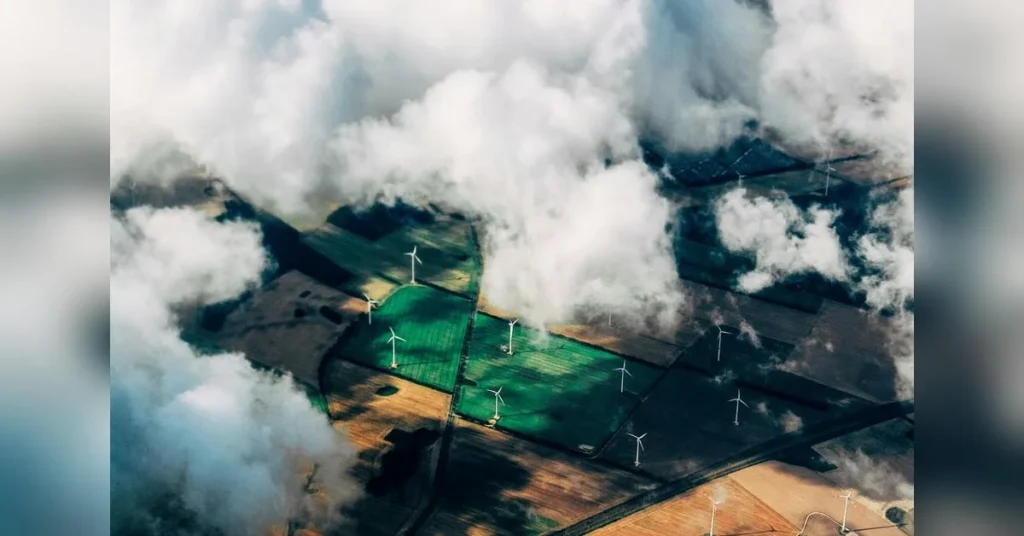
New data and satellite imagery indicate that methane leaks from natural gas infrastructure have been vastly underestimated. Studies suggest that when these leaks are factored in, liquefied natural gas (LNG) can have a global warming potential significantly greater than coal over a 20-year period. Furthermore, the planned expansion of LNG infrastructure, particularly in the U.S., risks locking in fossil fuel dependence and undermining progress towards renewable energy goals, potentially canceling out national climate achievements.
Beyond Warming: Additional Benefits of Methane Reduction
Reducing methane emissions offers benefits extending beyond mitigating global warming. Methane’s reaction in the atmosphere contributes to the formation of ground-level ozone, a harmful air pollutant that exacerbates respiratory illnesses, damages crops, and causes premature deaths. Globally, methane-generated ozone is responsible for approximately half a million extra deaths annually. By cutting methane emissions, we can simultaneously improve air quality, reduce the incidence of respiratory and heart diseases, decrease asthma-related emergencies, and boost agricultural yields.

Charting a Path Forward: Strategies for Methane Mitigation
Addressing methane emissions requires a multifaceted approach involving systemic changes across energy, food, and waste sectors. While a combination of methods will be necessary, existing technologies and practices, if widely adopted, could curb emissions from the three main human-caused sources by 45% by 2030, aligning with the IPCC’s target for limiting global warming to 1.5°C.
Transforming Agriculture
Reducing methane from agriculture can be achieved through two primary strategies:
- Systemic Transformation: This involves reducing meat and dairy production and consumption. Decreasing food waste, which accounts for a significant portion of methane emissions from ruminant and rice products, is a critical step. Shifting towards more plant-based diets, particularly in wealthier nations, can lead to substantial greenhouse gas emission reductions.
- Production Efficiency: This focuses on making existing agricultural practices more methane-efficient. Strategies include improving animal diets, enhancing animal health, and selective breeding to reduce methane production. The use of enteric methane inhibitors, such as certain additives and seaweed supplements, has shown remarkable success in reducing methane emissions from livestock. For manure management, methods like reducing storage times, covering waste, and utilizing manure digesters to produce biogas can significantly cut emissions. In rice cultivation, adopting alternative wetting and drying techniques and planting lower-methane varieties can also yield substantial reductions.
Decarbonizing Fossil Fuels
The most effective way to reduce methane emissions from fossil fuels is to accelerate the transition to renewable energy sources and halt the expansion of LNG infrastructure. However, significant methane reductions can also be achieved from existing oil and gas operations through:
- Leak Detection and Repair (LDAR): Implementing robust programs to identify and fix methane leaks across the supply chain.
- Technology Adoption: Installing devices to detect methane and phasing out equipment known to release the gas.
- Coal Mine Mitigation: Employing degasification wells and drainage boreholes to capture methane from active mines, and capping abandoned wells.
Rethinking Waste Management
Moving towards a zero-waste, circular economy is the ideal solution for reducing methane from landfills. Key strategies include:
- Waste Reduction: Minimizing food waste and diverting organic materials from landfills to composting.
- Landfill Management: Capturing methane emissions from landfills and covering them with methane-degrading soil.
- Wastewater Treatment: Upgrading treatment facilities to advanced stages, enabling the capture and reuse of biogas.
Exploring Direct Removal Technologies
Beyond emission reduction, scientists are investigating methods for directly removing methane from the atmosphere. Nature-based solutions, such as preserving and planting trees with high methane-absorbing capabilities (methanotrophs), show promise. Geoengineering approaches, like releasing iron salts to catalyze methane breakdown in the atmosphere, are also being explored, though further research is needed to ensure their safety and efficacy.

Global Progress and the Path Ahead
The Global Methane Pledge, launched in 2021, represents a significant international commitment to reduce global methane emissions by 30% from 2020 levels by 2030. As of early 2025, 159 nations have joined this pledge. However, despite this commitment, methane emissions reached a new record in 2023. The implementation gap—the difference between pledged reductions and actual emission decreases—remains a critical challenge, particularly in the oil and gas sector, where emissions continue to rise.
Individual Actions for Collective Impact
Individuals can play a vital role in reducing methane emissions through personal choices:
- Dietary Shifts: Reducing meat and dairy consumption, even by a moderate amount, can significantly lower an individual’s methane footprint.
- Reducing Food Waste: Planning meals, purchasing "ugly" produce, and composting food scraps are effective measures.
- Energy Choices: Transitioning from natural gas appliances (stoves, furnaces) to electric or induction alternatives, such as heat pumps, can reduce household methane emissions.
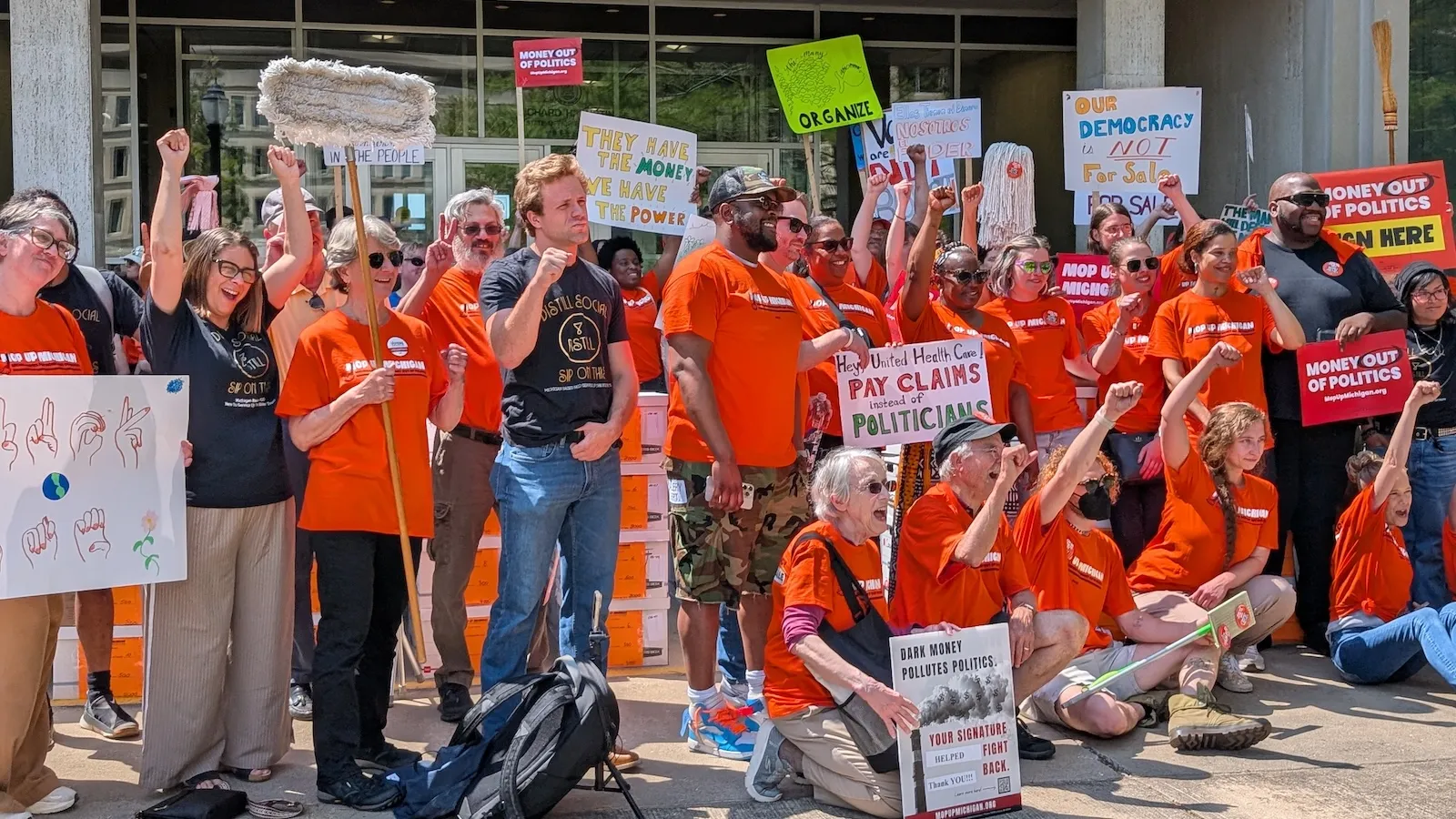
Beyond personal actions, collective advocacy is crucial. Engaging with local governments to implement composting programs or supporting organizations dedicated to tackling fossil fuel expansion and advocating for systemic change can amplify individual efforts and drive broader policy shifts.
Conclusion: An Urgent Opportunity
Methane emissions present a dual challenge and opportunity in the fight against climate change. Its potent warming capacity poses an immediate threat, accelerating global heating and exacerbating extreme weather events. However, its relatively short atmospheric lifespan means that decisive and rapid action to cut methane emissions can yield swift and substantial climate benefits. Raising awareness about methane’s sources and mitigation strategies, and applying sustained pressure on political and business leaders to act, are essential steps toward a more stable climate future.


 Nana