

 Pevita Pearce
The landscape of global impact investing is undergoing a profound transformation, moving beyond niche philanthropic gestures toward a sophisticated ecosystem of institutional-grade capital. As investors increasingly pivot toward environmental, social, and governance (ESG) outcomes, the past week has seen a flurry of activity spanning from African agrifood supply chains to European biomethane development and North American wildfire mitigation.
This report summarizes the critical capital movements and structural shifts currently defining the impact economy, highlighting how catalytic capital, strategic partnerships, and sector-specific innovations are reshaping market resilience.
I. Main Facts: Where Capital is Moving
The recent wave of investment reveals a clear trend: capital is no longer just funding high-level research; it is flowing directly into the infrastructure of sustainability.
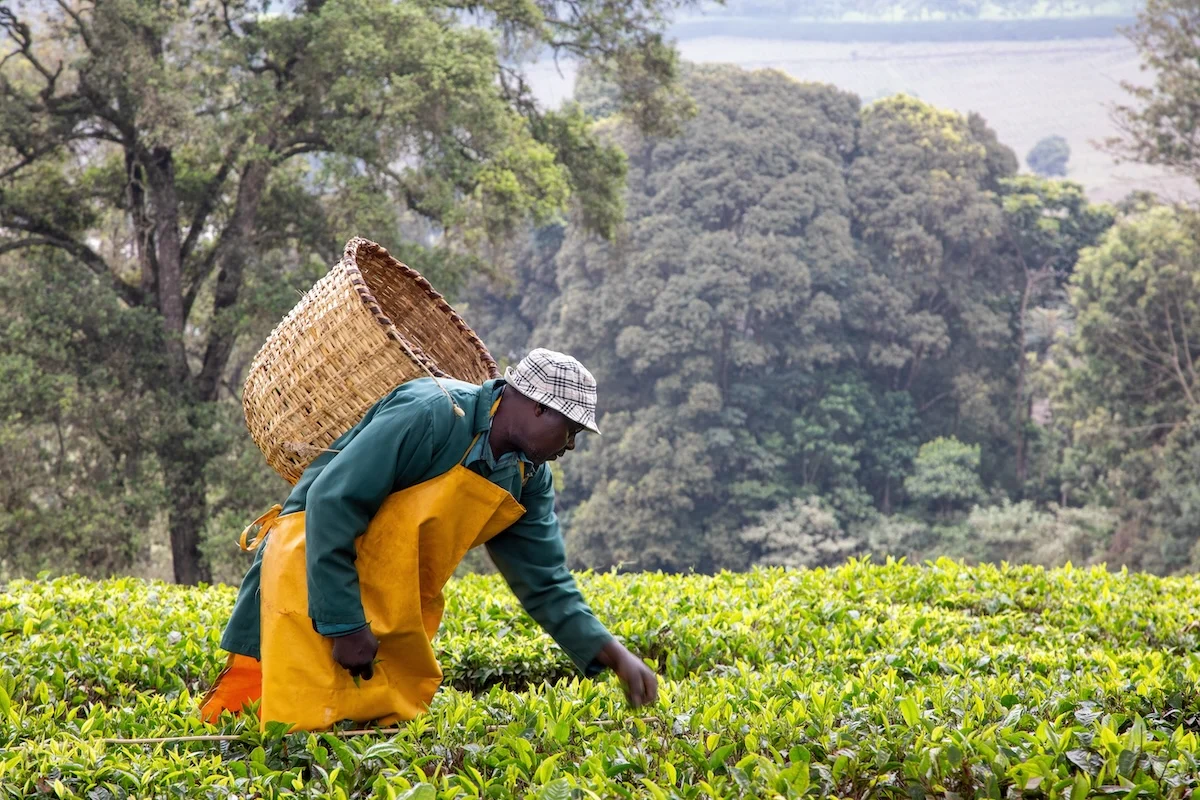
- Agrifood Resilience: East Africa Foods has secured $40 million to bolster the logistical backbone of agricultural supply chains in Tanzania and Kenya, bridging the gap between smallholder farmers and urban retail markets.
- Decarbonization and Energy: The energy transition remains a top priority, with significant inflows into virtual power plant technologies (Voltus, $225 million) and decentralized home energy management systems (1Komma5, $78 million).
- Catalytic Equity: Nonprofit initiatives are finding new ways to scale, evidenced by the $10 million investment from Blue Meridian Partners into ROC USA, aimed at democratizing manufactured housing through resident ownership.
- Climate Adaptation: New funds, such as EG Capital’s Economic Empowerment Fund, are specifically targeting the intersection of climate resilience and small business growth in emerging markets.
II. Chronology: A Week of Market Shifts
The deployment of capital over the last seven days demonstrates a high velocity of deal-making across diverse geographies and asset classes.
Early Week: Infrastructure and Agrifood
The week began with a focus on supply chain efficiency. East Africa Foods’ $40 million raise signifies a growing recognition that in emerging markets, "impact" is synonymous with infrastructure. By investing in storage and processing, the firm is addressing post-harvest loss—a primary driver of food insecurity. Simultaneously, the circular economy saw a boost as Ara Partners acquired a majority stake in Pacific Ag, signaling a move toward industrializing the collection of agricultural waste for sustainable commercial use.
Mid-Week: Energy and Financial Inclusion
Mid-week activity centered on the "Energy AI" and digital finance sectors. 1Komma5’s successful funding round—conducted at a 35% higher valuation than previous efforts—underscores investor confidence in the commercial viability of home energy systems. Parallel to this, the fintech space saw major consolidation in Africa, with Standard Bank Group’s strategic entry into OPay and AfricInvest’s commitment to Vantage Payment System, highlighting the role of digital infrastructure in financial inclusion.
Late Week: Climate Resilience and Institutional Allocation
The latter half of the week focused on long-term systemic risks, particularly wildfire mitigation and institutional pension fund management. The Arbor Day Foundation’s investments in Vibrant Planet and Convective Capital underscore a shift in forest health from a conservation concern to a technology-driven disaster mitigation sector. Concurrently, the Dutch pension fund ABP’s €150 million allocation to SLM Partners reflects a growing trend of institutional capital seeking stable, long-term returns in sustainable forestry.
III. Supporting Data: The Scale of Impact
To understand the magnitude of these developments, one must look at the raw figures driving these initiatives:
- Renewable Infrastructure: Aligned Climate Capital’s $387 million raise for 20 community solar projects in Illinois and Maryland represents a significant leap in localized energy production, promising to decouple communities from legacy power grids.
- Emerging Markets: The BlueOrchard-managed fund, supported by a $100 million commitment from Tokio Marine HHC, is on track for a $2 billion goal. This indicates that private debt markets are increasingly comfortable with the risk-return profiles of emerging market loans when backed by organizations like the International Finance Corp (IFC).
- Wildfire Mitigation: The $85 million venture fund raised by Convective Capital marks one of the largest dedicated pools of capital for wildfire-resilient technologies, proving that private equity is beginning to view climate-related disaster prevention as a viable growth market.
IV. Official Responses and Industry Perspectives
The discourse surrounding these deals reveals a consensus: the integration of market-rate and catalytic capital is essential for scaling impact.
"The objective is no longer to choose between profit and purpose," says a representative close to the Woodcock Foundation’s recent fund-of-funds deployments. By balancing catalytic capital—which absorbs higher risk—with market-rate capital, firms are able to de-risk projects that would otherwise be deemed "unbankable" by traditional financial institutions.
Regarding the 1Komma5 funding, investors emphasized the role of the "Energy AI" platform in solving the intermittency problems of renewables. "The ability to manage household energy usage through smart, automated systems is the missing link in the net-zero transition," noted a partner at G2 Venture Partners.
In the realm of financial inclusion, the move by Standard Bank into OPay has been framed as a strategic necessity. Industry analysts note that "financial services in Africa are shifting from traditional branch banking to mobile-first ecosystems." This partnership is seen as a blueprint for how large financial institutions can leverage fintech agility to reach the unbanked.
V. Implications: What This Means for the Future
The collective weight of these investments suggests three major shifts in the global economy:
1. The Industrialization of Circularity
The deals involving Via Verde and Pacific Ag demonstrate that the circular economy is moving beyond recycling. By converting agricultural waste into biomethane or mushroom-growing media, these companies are creating closed-loop industrial ecosystems. This shift reduces the dependency on virgin materials and provides farmers with secondary revenue streams, inherently tying profit to environmental health.
2. Democratizing Energy through Virtual Power Plants (VPPs)
The $225 million Series D round for Voltus is a watershed moment for VPPs. By aggregating energy storage from thousands of home and business sources, these platforms act as virtual power plants that can stabilize grids during peak demand. The implication is clear: the future of energy is distributed, not centralized.
3. Resilience as a New Asset Class
The investments in wildfire-resilience tech and water-resilient supply chains signify that investors are pricing in climate risk. Climate change is no longer viewed solely as a source of "negative impact" to be mitigated, but as a catalyst for new technology markets. Companies that provide the tools to survive a changing climate—whether through fire prevention software or drought-resistant agricultural logistics—are becoming the new blue-chip stocks of the impact sector.
4. The Role of Institutional Capital
Perhaps the most significant development is the increased participation of pension funds like ABP and insurance firms like Tokio Marine HHC. As these institutional giants shift their asset allocations toward sustainable forestry and emerging market debt, impact investing is effectively leaving its "early adopter" phase and entering the mainstream. This influx of capital brings the stability required to scale solutions from pilot projects to global standards.
Conclusion
The developments of the past week confirm that impact investing is reaching a state of maturity. While the challenges of climate change and economic inequality remain immense, the alignment of private capital—from micro-lending programs in Canada to massive solar deployments in the US and supply chain upgrades in East Africa—provides a roadmap for a more resilient future. The focus has shifted from "doing good" to "doing good effectively," utilizing the mechanisms of global finance to ensure that environmental and social sustainability are not just goals, but the foundation of future economic growth.


 Basiran