


 Raul Delapena Setiawan
Main Facts: The Hidden Cost of the Confectionery Industry
As the global confectionery market continues to expand—projected to reach a valuation of over $250 billion by 2028—a growing segment of the industry is facing a reckoning. While holidays like Halloween drive record-breaking sales, the environmental and ethical footprints of conventional candy remain significant. Traditional supply chains are frequently marred by exploitative labor practices in cocoa harvesting, the proliferation of non-recyclable single-use plastics, and the widespread use of ingredients linked to deforestation, such as conventional palm oil.
In response, a new vanguard of "sustainable candy" brands is emerging. These companies are redefining the industry by prioritizing three core pillars: ethical labor (Fair Trade and Direct Trade), environmental stewardship (organic farming and regenerative agriculture), and circular packaging (compostable and plastic-free solutions). This shift represents more than a niche market trend; it is a fundamental restructuring of the supply chain aimed at decoupling indulgence from ecological and human exploitation.

Chronology: From Industrial Sweets to the "Third Wave" of Ethical Treats
The evolution of the confectionery industry can be traced through three distinct phases:
- The Industrial Era (Post-WWII – 1990s): The rise of mass-produced, shelf-stable candy. This era prioritized low costs and high volume, leading to the dominance of high-fructose corn syrup, synthetic dyes, and opaque global supply chains.
- The Certification Movement (2000s – 2015): Increasing consumer awareness regarding child labor in West Africa led to the rise of third-party certifications. Labels such as Fair Trade and Rainforest Alliance became benchmarks for brands looking to differentiate themselves through ethical claims.
- The Regenerative and Circular Era (2016 – Present): Modern sustainable brands are moving beyond "doing less harm" to "doing more good." This current phase focuses on carbon sequestration through regenerative cocoa farming, B Corp transparency, and the elimination of plastic packaging in favor of compostable materials.
This chronological shift reflects a broader global movement toward "conscious capitalism," where the success of a brand is measured not just by its quarterly earnings, but by its impact on the soil and the workers at the source.

Supporting Data: The Environmental and Ethical Landscape
The necessity for sustainable alternatives is underscored by stark industry data:
- Plastic Waste: According to environmental reports, the vast majority of the 600 million pounds of candy purchased for Halloween in the U.S. alone comes wrapped in multi-layer laminate plastic that is virtually impossible to recycle through municipal systems.
- Cocoa Exploitation: Data from the International Cocoa Initiative suggests that despite decades of promises from major manufacturers, child labor remains a systemic issue in Ghana and Ivory Coast, where approximately 60% of the world’s cocoa is grown.
- Biodiversity Loss: Palm oil, found in roughly 50% of packaged consumer goods, remains a primary driver of deforestation in Southeast Asia. Even "certified" palm oil is often scrutinized for failing to prevent primary forest loss.
- Heavy Metal Concerns: Recent investigations, including high-profile studies by Consumer Reports, have highlighted the presence of lead and cadmium in dark chocolate bars, prompting brands to implement rigorous heavy metal testing protocols.
Official Responses: Leading Brands and Their Sustainability Mandates
Several key players are leading the transition toward a more ethical confectionery market. Their official missions and operational strategies provide a roadmap for the future of the industry.
1. Alter Eco: The Circular Packaging Pioneer
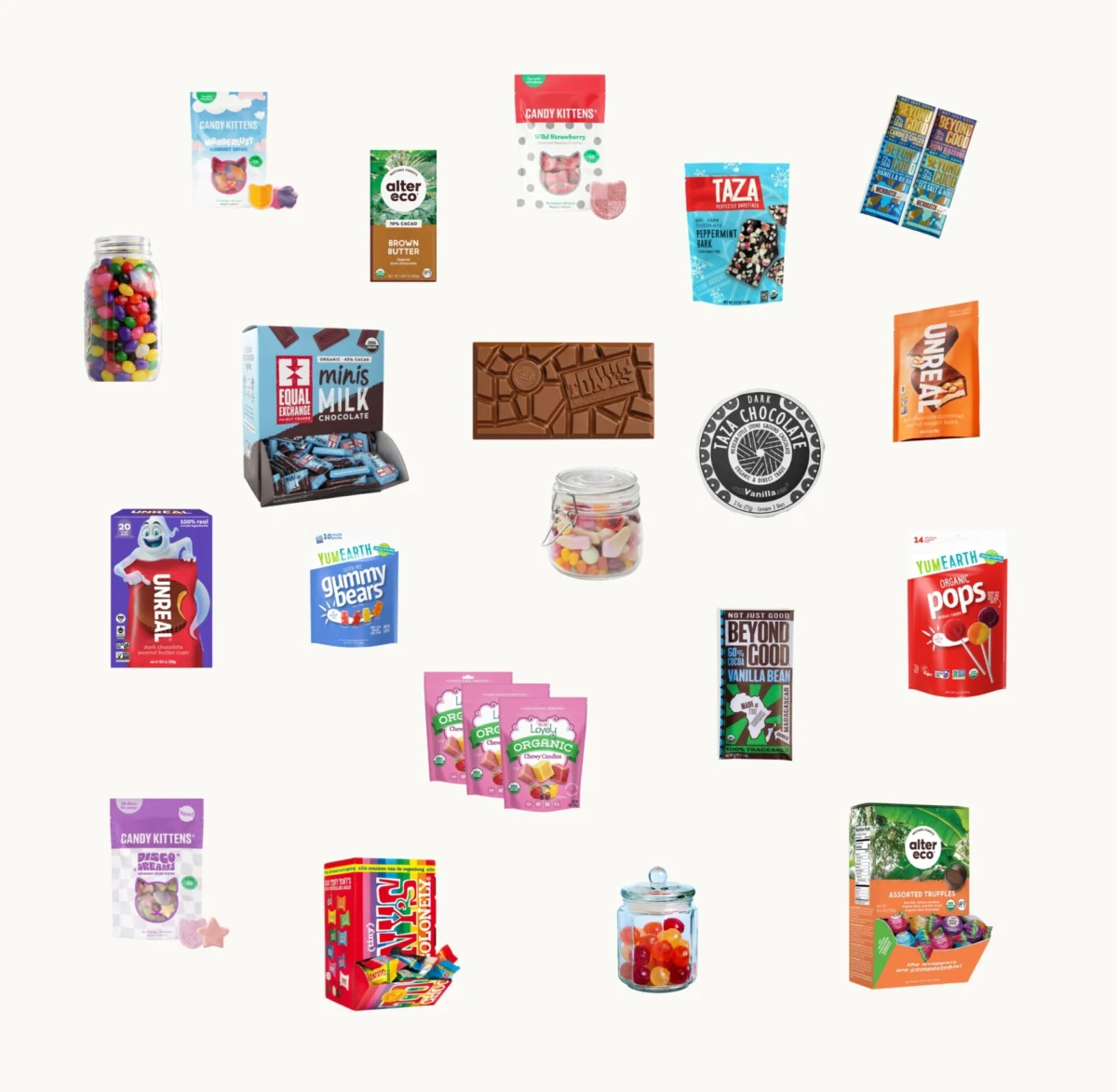
Alter Eco has positioned itself at the intersection of soil health and waste reduction. As a Certified B Corp and Public Benefit Corporation, the brand utilizes 100% pure coconut oil instead of palm oil. Their official mandate focuses on four pillars: Fair Trade sourcing, organic/non-GMO production, carbon emission reduction, and minimal waste. Notably, the brand has introduced compostable truffle wrappers to combat the plastic crisis.
2. Tony’s Chocolonely: The Advocacy Powerhouse
This Dutch manufacturer operates with a singular, provocative mission: to make 100% slave-free the norm in chocolate. Through their "Open Chain" program, they pay cocoa farmers a premium above the Fair Trade price and maintain a fully traceable supply chain. Their official stance is that big-brand chocolate is "broken," and they use their platform to lobby for legislative change in the EU and US.

3. Beyond Good: Value-Add at the Source
Beyond Good (formerly Madécasse) challenges the traditional colonial model of chocolate production. While most chocolate is grown in Africa but manufactured in Europe or North America, Beyond Good produces its chocolate in Madagascar. This ensures that a higher percentage of the final product’s value stays within the local economy, creating jobs and ensuring 100% traceability.
4. Taza Chocolate: The Direct Trade Standard
Taza Chocolate utilizes a traditional stone-ground milling process to preserve the flavor of the bean. Their official Direct Trade program is independently verified, ensuring they pay farmers at least $800 per metric ton above the market price. By bypassing traditional middlemen, they establish long-term, stable relationships with cooperatives in the Dominican Republic and Haiti.

5. Candy Kittens: The Vegan Gummy Revolution
The UK-based B Corp Candy Kittens has disrupted the gummy market by removing animal-derived gelatine. Since 2018, their entire range has been plant-based. Their official impact reports highlight a commitment to palm oil-free recipes and partnerships with charities like akt, supporting LGBTQ+ youth.
6. YumEarth: The Allergy-Friendly Alternative
Focusing on the "clean label" movement, YumEarth provides candy free from the top nine allergens and synthetic dyes. Their official response to the health concerns of conventional candy is to use fruit and vegetable concentrates for coloring, catering to a growing demographic of health-conscious parents.

Implications: The Future of the Confectionery Supply Chain
The growth of these brands has profound implications for the global food system. As consumers increasingly vote with their wallets, large-scale manufacturers are being forced to adapt.
The Legislative Shift
The success of ethical candy brands is fueling a push for stricter "due diligence" laws. In the European Union, new regulations are being drafted to hold companies legally accountable for human rights abuses and environmental destruction in their supply chains. The "Direct Trade" and "Open Chain" models pioneered by small brands are now being studied as templates for industry-wide compliance.

The Packaging Revolution
The transition from plastic to compostable materials like those used by Alter Eco signals a shift toward a circular economy. If the technology for home-compostable wrappers can be scaled, it could eliminate millions of tons of landfill waste annually. However, this requires significant investment in waste management infrastructure to ensure "compostable" labels translate to actual decomposition.
Health and Transparency
The move toward "dye-free" and "heavy-metal-tested" candy reflects a broader trend of radical transparency. Consumers no longer accept "natural flavors" as a catch-all term; they demand to know the origin of every ingredient. This level of scrutiny is likely to become the standard for all food and beverage sectors, not just confectionery.

Consumer Action and Waste Management
For the end-user, the implications are practical. The rise of zero-waste bulk stores allows consumers to bypass packaging entirely. Furthermore, organizations like TerraCycle are filling the gap left by municipal recycling by offering specialized programs for hard-to-recycle candy wrappers.
Final Perspective
The transformation of the candy industry from a source of ethical concern to a driver of positive change is well underway. While conventional brands still dominate the market share, the intellectual and ethical leadership has shifted to the sustainable vanguard. For the modern consumer, the choice of a Halloween treat or an afternoon snack is no longer just a matter of taste; it is an endorsement of a specific vision for the planet’s future. By supporting brands that prioritize fair wages, regenerative farming, and plastic-free packaging, consumers are participating in a global effort to ensure that the world’s "sweetest" industry is no longer bitter for the people and environments that sustain it.

 Nana
 Ammar Sabilarrohman






