



 Ammar Sabilarrohman
As the frost recedes across North America, May stands as a pivotal month for farmers and market gardeners alike. Whether you are managing a high-production commercial farm or a community-focused market stand, the decisions made in May set the trajectory for your entire summer and autumn harvest.
While seasonal weather patterns serve as a baseline, modern agricultural techniques—such as season extension, row covers, and precise cultivar selection—have granted growers the flexibility to push the boundaries of their planting zones. This month is not merely about maintenance; it is a critical period of strategic expansion, revenue planning, and, occasionally, calculated experimentation.
The Strategic Importance of May Planting
For the modern farmer, the calendar is a tool for risk management. In regions blessed with long, hot summers, May is the final call for warm-season staples. In contrast, for those in cooler northern climates, this is the prime window to ensure that long-maturing autumnal crops reach maturity before the first frost.
Balancing Market Demand with Agricultural Innovation
Successful farming requires a duality of focus. First, the farm’s revenue model dictates that you prioritize crops with a proven track record of success in your specific microclimate. These "bread-and-butter" crops ensure steady income at the farmers’ market. However, the most resilient farms are those that reserve a percentage of their land for trial crops.
Experimenting with a new variety or an atypical species serves as a form of intellectual and economic capital. Even when an experimental crop fails to yield a massive harvest, the knowledge gained regarding soil health, pest resistance, and water requirements is invaluable. A successful "atypical" crop is worth far more than its market price, as it represents a diversification of the farm’s future capabilities.
A Detailed Chronology of May Sowing
To maximize yield, growers must distinguish between crops that thrive when sown directly into the field and those that require the head-start of a greenhouse transplant.
Early-to-Mid May: The Transition Window
- Transplanting Solanaceous Crops: Eggplants, in particular, should be moved from indoor starts to the field once soil temperatures consistently exceed 65°F (18°C).
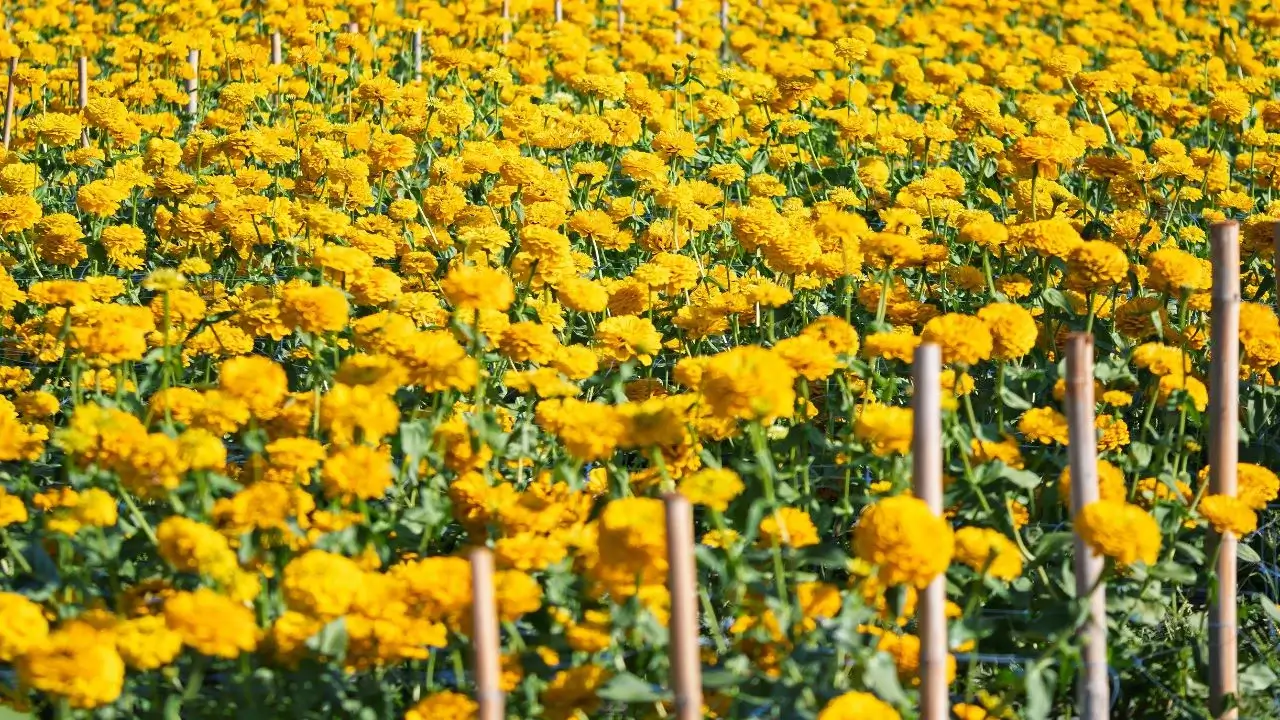
- Hardy Flowers: Marigolds, borage, and cornflowers should be established early in the month to take advantage of the remaining mild days before the peak heat of summer settles in.
- Dahlia Management: For regions with late-spring frosts, May is the time to sink dahlia tubers into the earth, ensuring they are positioned to provide late-summer blooms.
Mid-to-Late May: The Warm-Season Push
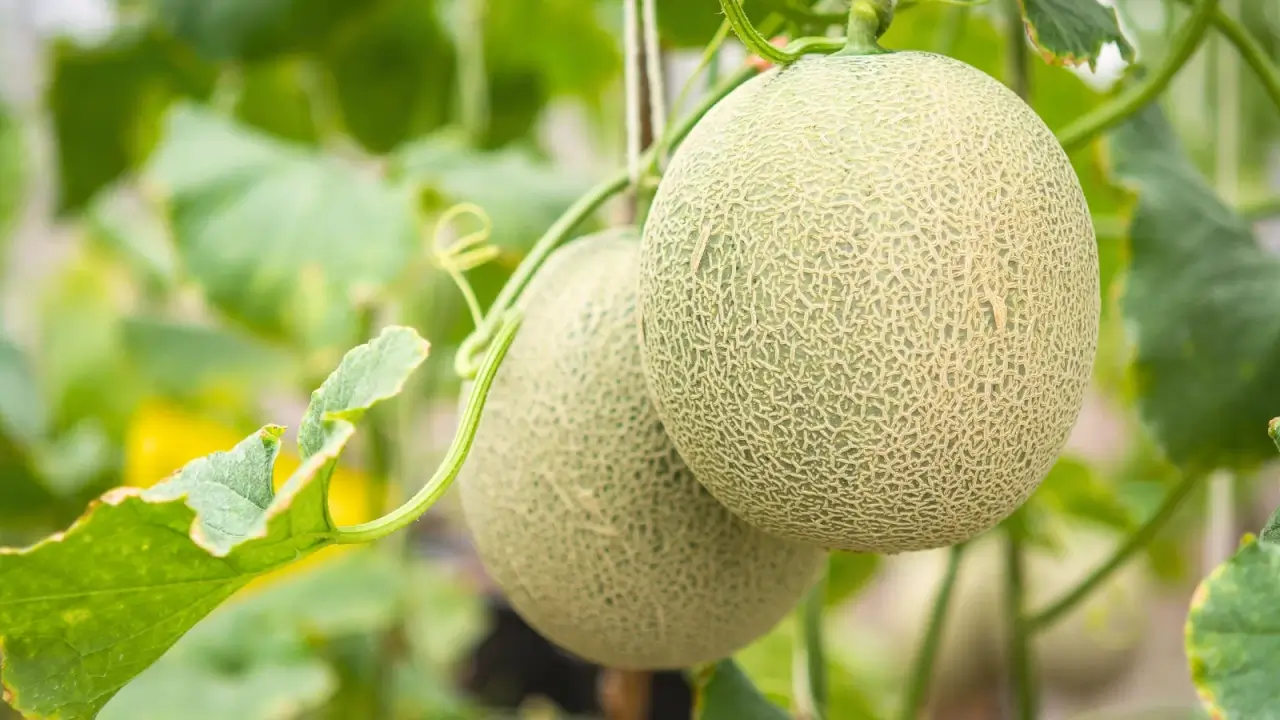
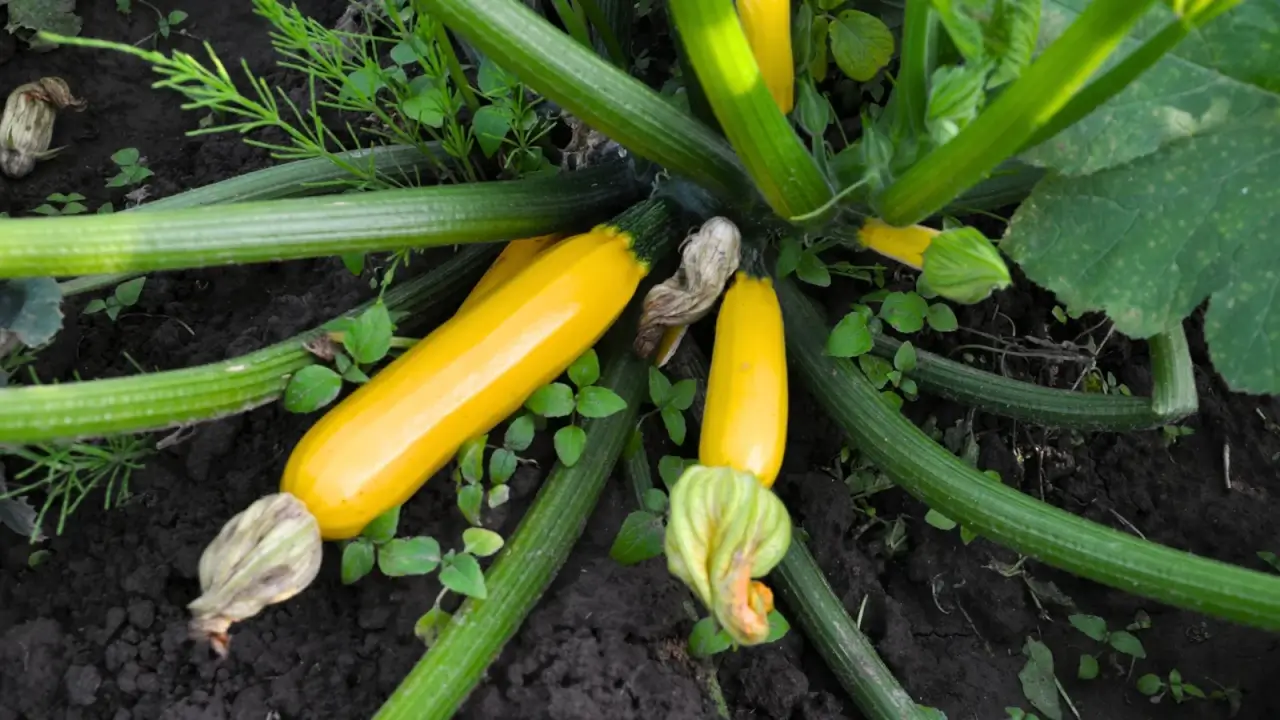
- Melons and Squash: Once the threat of frost is firmly in the rearview mirror, direct-sow watermelons, cantaloupes, and various summer squashes. These crops demand warmth and space; providing them with consistent, diluted liquid fertilizer during this growth phase will pay dividends at harvest time.
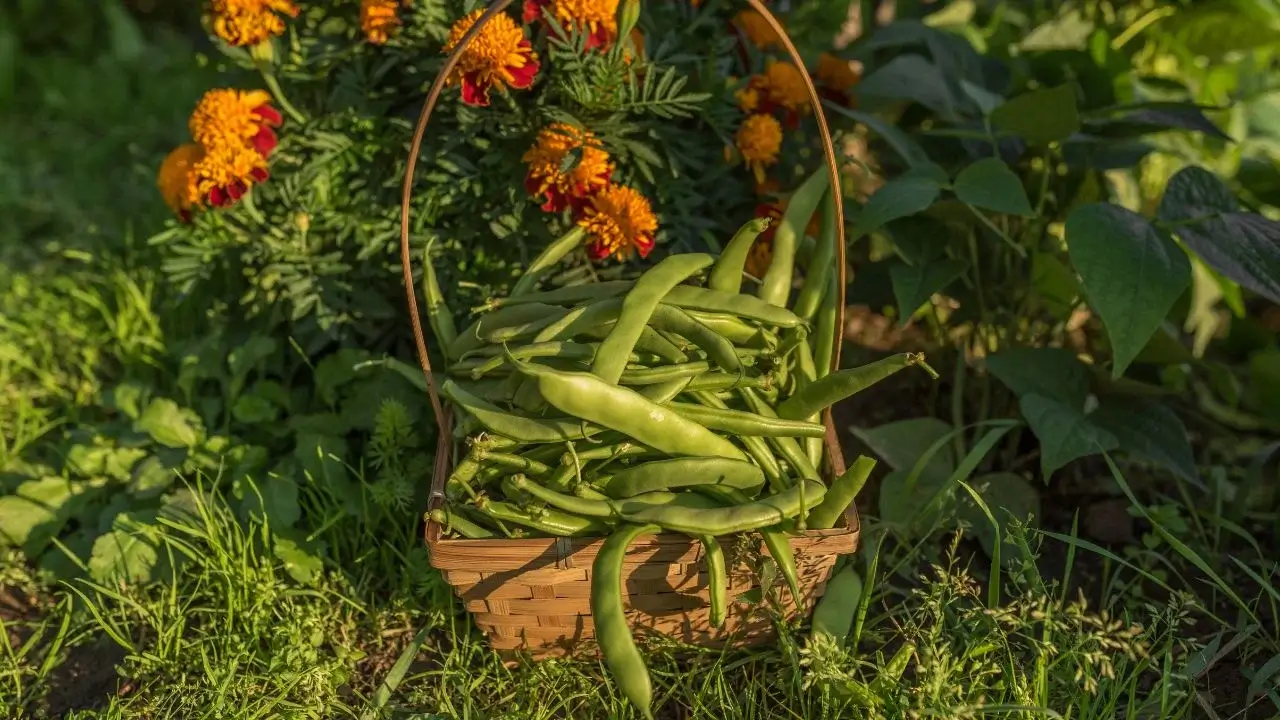
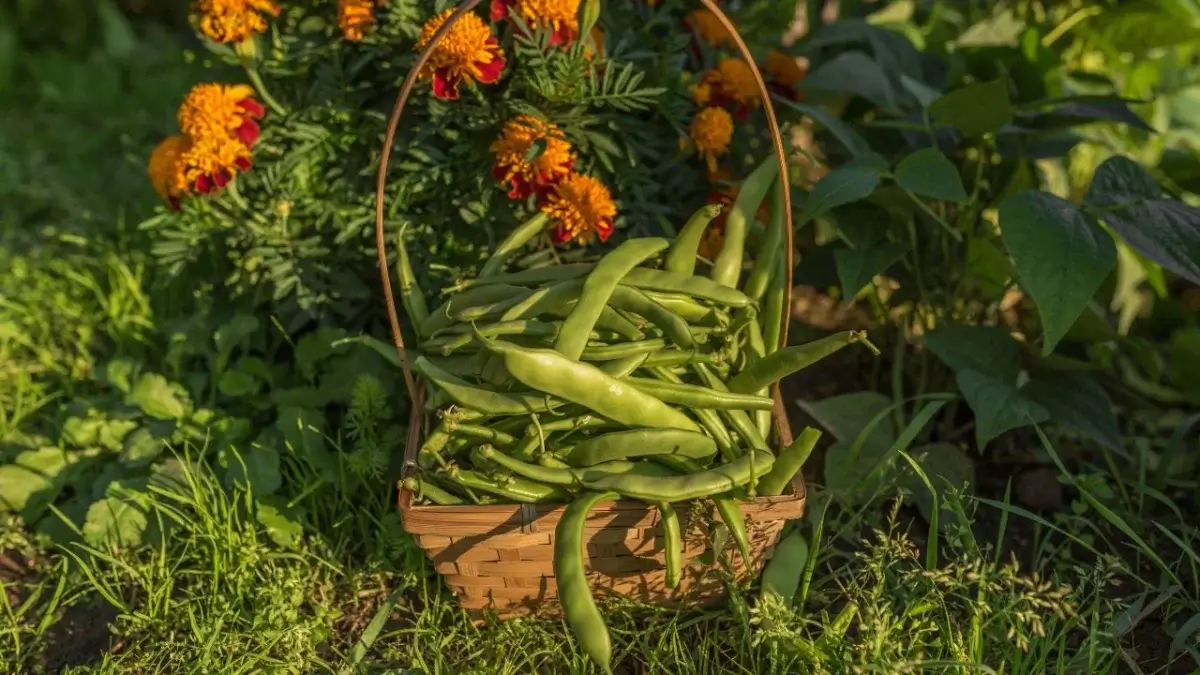
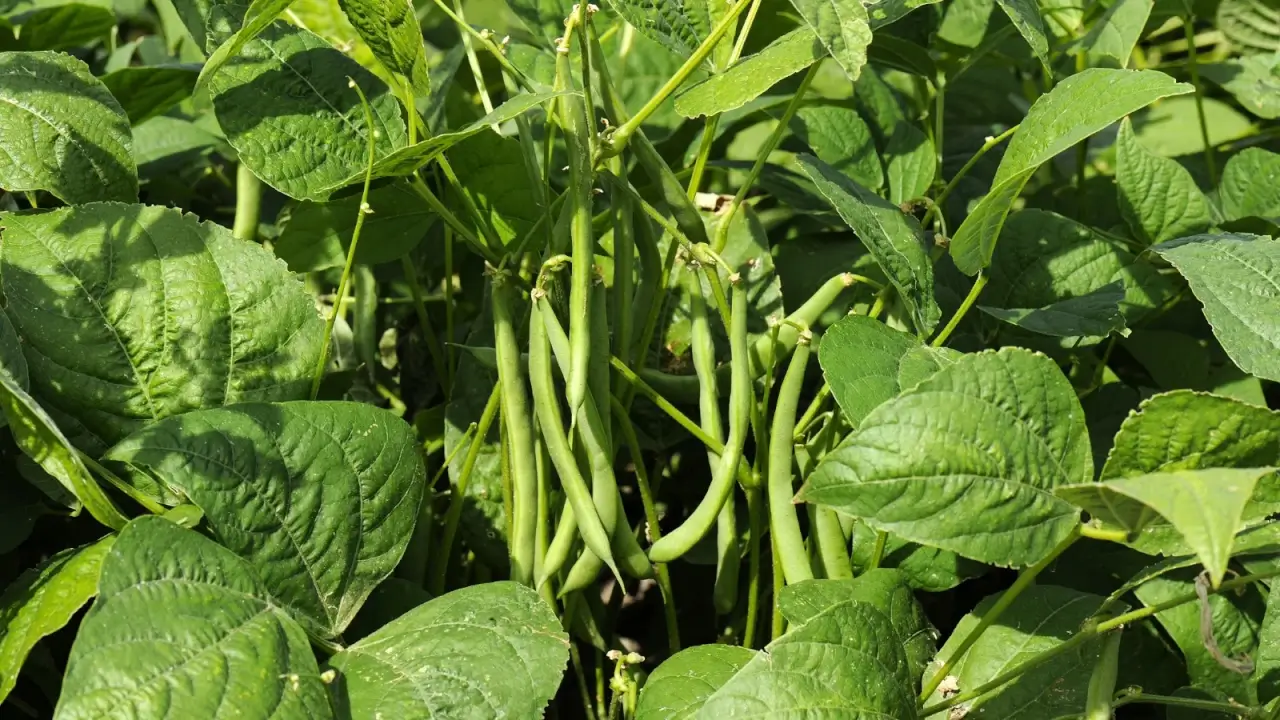
- Legumes: Beans—both bush and pole varieties—are highly responsive to the warming soil of late May.
Supporting Data: Crop-Specific Cultivation Strategies
Melons: The Heat Seekers
Cantaloupe, honeydew, and watermelons are the hallmarks of a productive summer. For optimal growth, these vines require ample space. In coastal regions, watermelons are particularly robust, as their tolerance for sandy soils and saline-laden winds makes them a staple for difficult topographies. In contrast, musk melons prefer rich, nutrient-dense soil. When selecting varieties, always cross-reference the "days to maturity" listed on seed packets with your local historical first-frost date.
Eggplant: Precision Transplanting
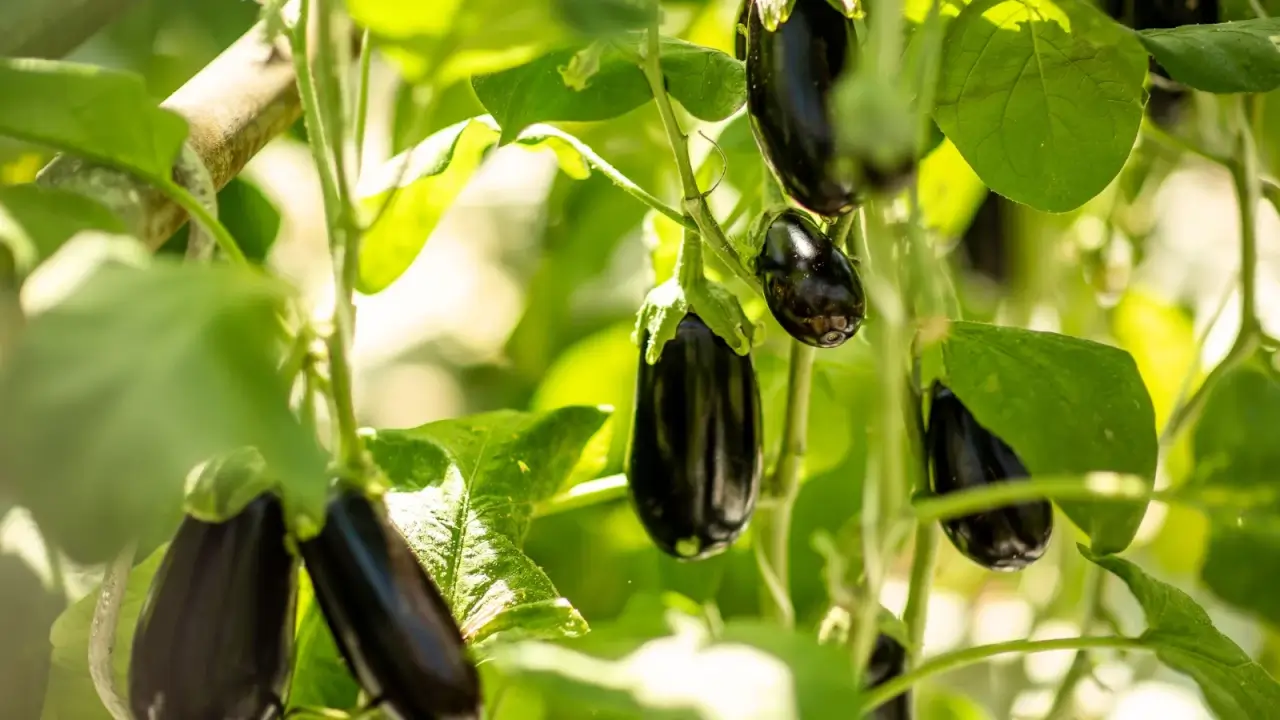
Eggplants require roughly ten weeks to reach maturity. Varieties like ‘Epic’ are renowned for heavy production in sustained heat, while ‘Nadia’ is preferred for size. If your farm is located in an area where temperatures struggle to hit the optimal 75-85°F (24-29°C) range, look toward cold-tolerant cultivars like ‘Orient Express’ or ‘Elondo.’
Okra: The Spineless Advantage
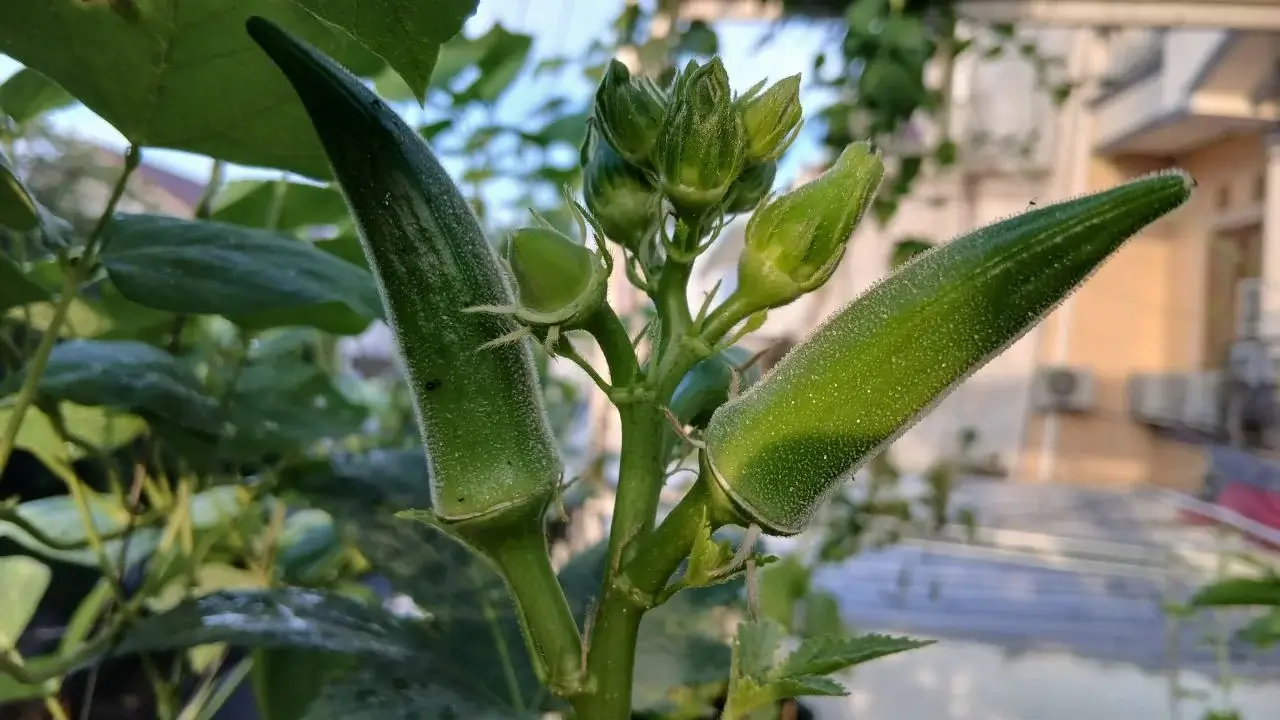
Okra is synonymous with summer heat. However, the spiny nature of traditional varieties can make harvesting a labor-intensive chore. Modern farmers are increasingly turning to spineless varieties like ‘Clemson Spineless 80,’ which offer the same high yield and heat tolerance without the discomfort during the daily harvest.
Corn: A Study in Variety
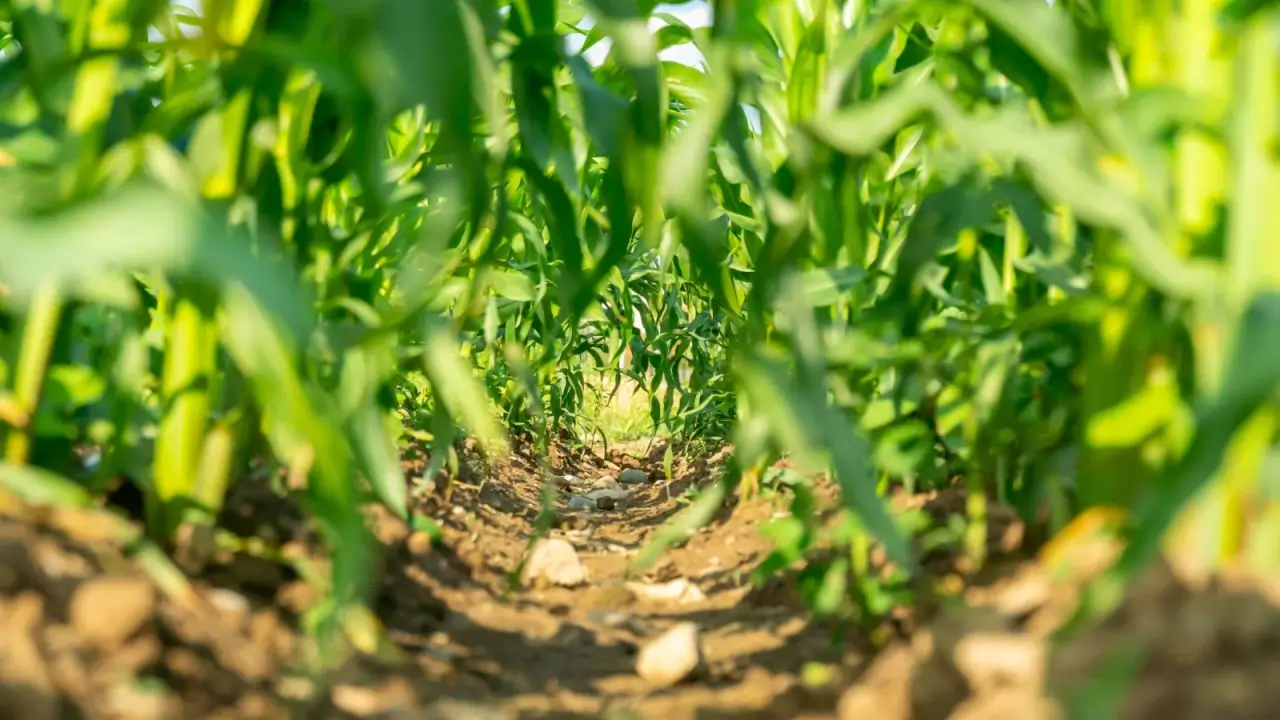
Whether you are planting sweet corn for the fresh market, dent corn for high-quality masa, or popcorn, your selection should be dictated by your end-use. Heirloom and open-pollinated varieties are highly recommended for those looking to preserve agricultural heritage and improve the long-term resilience of their seed stock. Ensure your season allows for at least 75 to 90 days of frost-free growth.
Beans: Climate-Adaptive Legumes
The diversity of bean species allows for planting across almost all climatic zones. Fava beans are excellent for cooler, shorter seasons, while cowpeas and butter beans thrive in the sweltering heat of the south. In the American Southwest, farmers continue to rely on tepary beans, an indigenous crop that has been selected over centuries to survive high daytime temperatures and arid conditions with minimal water.
Grains and Amaranth
For those interested in diversifying their crop portfolio, amaranth is an excellent choice. Beyond its nutritional profile, its ornamental appeal makes it a dual-purpose crop for cut flower arrangements. Meanwhile, sorghum and millet remain the gold standards for dry, moisture-challenged climates.
Expert Perspectives: The Role of Pollinators
The inclusion of floral elements in a farm plan is not merely aesthetic—it is a functional requirement for high-yield operations. By interplanting zinnias, cosmos, and sunflowers, farmers create a habitat for beneficial insects. These "pollinator powerhouses" are critical for the fruit set of orchard trees and vegetable crops. Integrated pest management, bolstered by the presence of these predatory insects, reduces the need for external chemical interventions, creating a more stable and profitable ecosystem.
Implications for the Resilient Food System
The transition from spring to summer represents a high-stakes period for food security. As we face increasingly erratic climate patterns, the "extensional techniques" mentioned earlier—such as using row covers to buffer temperature spikes or implementing drip irrigation to manage water scarcity—are becoming standard operating procedures for successful farmers.
The shift toward local, diverse crop production helps insulate regional food systems from the volatility of global supply chains. When farmers choose to plant a mix of staple crops and experimental varieties, they are not only managing risk but also contributing to the genetic and agricultural diversity of their region.
The Path Forward
As you prepare your fields for the month of May, remember that the most successful farms are those that observe, adapt, and iterate. Whether you are planting traditional rows of corn or testing a new variety of tepary bean, you are contributing to a broader movement of agricultural resilience.
For those looking to lower their operational costs or increase their market appeal, the focus should remain on high-utility crops that provide consistent returns. However, never lose the spirit of experimentation. By documenting the success of your May plantings, you build a foundation of data that will serve as your most important asset in the seasons to come.
For further insights on building a more resilient, localized food system, we encourage readers to explore the "Solutions Hub" on our website, where we feature ongoing discussions on innovative farming techniques, regenerative practices, and community-led agricultural initiatives.


 Evan Lee Salim

 Asep Darmawan






