



 Asro
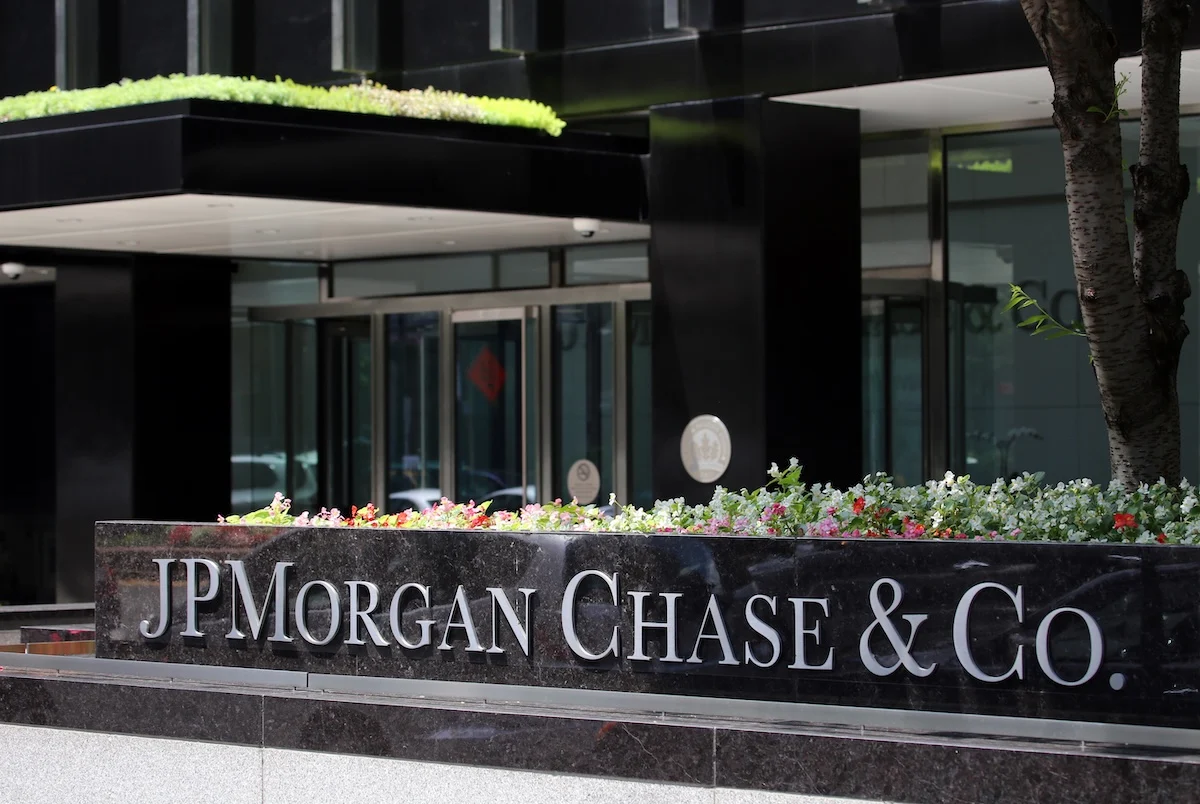
New York, NY – [Date of publication] – JPMorgan Chase is embarking on a significant new endeavor, the "American Dream Initiative," a decade-long commitment designed to inject vital capital into small businesses across the nation. The initiative aims to deploy a staggering $80 billion, directly and through a network of lending partners, to millions of small enterprises that form the backbone of local economies and drive job creation. As part of its initial rollout, the financial giant is dedicating $39 million in grants and debt capital to over two dozen mission-driven lenders, setting the stage for a substantial catalytic effect on private investment and employment.
This bold move, announced as National Small Business Month concludes, underscores JPMorgan Chase’s strategic pivot towards supporting the foundational elements of economic prosperity. The initiative acknowledges that small business owners often require more than just funding; they need the "right capital at the right time, delivered through trusted pathways that meet them where they are," as articulated by Shaolee Sen, a representative from JPMorgan Chase. By collaborating with established local organizations, the bank aims to empower entrepreneurs, dismantle existing barriers to growth, foster the development of resilient businesses, and ultimately, cultivate vibrant local economies. The initial $39 million investment is projected to catalyze over $500 million in additional private capital, with an ambitious target of creating approximately 6,000 sustainable jobs nationwide.
Genesis of the American Dream Initiative: Addressing a Critical Need
The launch of the American Dream Initiative is not merely a philanthropic gesture; it is a strategic response to the persistent challenges faced by small businesses in accessing the financial resources necessary for survival and expansion. For countless entrepreneurs, securing appropriate funding can be a labyrinthine process, often fraught with difficulties in navigating traditional lending channels. This is particularly true for businesses operating in underserved communities or those with unconventional business models that may not fit the rigid criteria of mainstream financial institutions.
JPMorgan Chase’s decision to partner with "mission-driven lenders" and "impact lenders" is a key differentiator of this initiative. These organizations, often structured as Community Development Financial Institutions (CDFIs) or other specialized funds, possess a deep understanding of local market dynamics and a commitment to serving populations that are frequently overlooked by larger financial institutions. By channeling capital through these trusted intermediaries, JPMorgan Chase can effectively reach a broader spectrum of small businesses, ensuring that funding is tailored to specific needs, whether for working capital, bridging short-term financial gaps, or facilitating significant investments in commercial real estate and new construction.
A Multi-pronged Approach to Capital Deployment
The $39 million in initial funding is strategically allocated across a diverse range of partners, each with a unique focus and geographic reach. This diversified approach ensures that the initiative’s impact is widespread and addresses the multifaceted needs of the small business ecosystem.
Key initial allocations include:
-
Craft3: A $10 Million Long-Term, Low-Cost Loan: This significant investment in Craft3, an Oregon-based CDFI, is earmarked to support 50 small businesses across urban, rural, and Tribal communities throughout the state’s Pacific Northwest. This partnership exemplifies the initiative’s commitment to geographically diverse and community-focused lending. Craft3’s expertise in understanding the unique economic landscapes of these regions will be instrumental in ensuring the effective deployment of these funds.
-
Avante Capital Partners: $10 Million for SBIC Fund IV: JPMorgan Chase has allocated $10 million to Avante Capital Partners’ fourth Small Business Investment Company (SBIC) fund. This women-led private credit firm recently closed its $400 million fund, drawing substantial interest from a diverse pool of investors including pension funds, endowments, foundations, family offices, and high-net-worth individuals. Avante specializes in providing mezzanine debt capital, investing between $10 million and $75 million to fuel the growth of businesses, with a particular emphasis on those located in low-to-moderate income areas. This investment highlights JPMorgan Chase’s confidence in specialized investment vehicles that cater to the lower middle market.
-
Grant Funding for Operational Support and Expansion:
- Access Ventures received a $2.3 million grant, aimed at bolstering its capacity to support emerging fund managers.
- Impact Charitable secured a $1 million grant, likely to enhance its philanthropic efforts in supporting impactful ventures.
- TruFund Financial Services was awarded a $2.3 million grant to strengthen its operational infrastructure. This funding will enable TruFund to leverage and deploy an additional $30 million to approximately 150 small businesses in Atlanta, New York, and New Jersey over a two-year period. This demonstrates a clear pathway for grants to translate into direct lending and business support.
-
Catalyzing Investment in Underserved Regions:
- Appalachian Community Capital’s $2 million grant will be directed towards its Powering Resilient Opportunities Fund. This fund aims to mobilize up to $200 million in private and philanthropic investment through more than 25 community lenders, specifically targeting small businesses in the Appalachian region, an area historically facing economic challenges.
-
Supporting Innovative Funding Models:
- VilCap is set to utilize its support to raise a pilot fund, providing flexible growth capital to startups identified by community-based entrepreneur support organizations. This approach focuses on early-stage businesses with high growth potential.
- Community Vision CA is launching a small business real estate resource center, intending to deploy up to $5 million in flexible real estate lending to entrepreneurs in the Bay Area. This addresses a critical need for affordable and accessible commercial property financing.
- Capital Impact Partners is initiating two cohort programs designed to support 30 community-focused real estate developers, further emphasizing the importance of real estate in small business infrastructure.
Official Statements: A Vision for Inclusive Growth
The strategic vision behind the American Dream Initiative was clearly articulated by JPMorgan Chase leadership. Shaolee Sen emphasized the nuanced needs of small business owners, stating, "Small business owners don’t just need capital – they need the right capital at the right time, delivered through trusted pathways that meet them where they are." This statement highlights a departure from a one-size-fits-all approach, recognizing the diverse operational realities and financial requirements of entrepreneurs. Sen further elaborated on the collaborative ethos of the initiative: "By working alongside local organizations, we’re helping entrepreneurs overcome barriers, build lasting businesses, and contribute to vibrant local economies." This underscores the belief that local knowledge and existing community structures are crucial for effective impact.
The sentiment was echoed by Ivelisse Rodriguez Simon, the leader of Avante Capital Partners. Reflecting on the successful closure of their $400 million SBIC Fund IV, she stated, "Closing Fund IV at $400 million, oversubscribed, is a meaningful vote of confidence from our LPs. Since 2009, we’ve stayed focused on one thing: being a reliable capital partner to lower middle market businesses. We’re grateful to every investor who continues to back that work." This statement not only highlights the confidence of Avante’s investors but also emphasizes their long-standing commitment to serving the lower middle market, a segment often crucial for job creation and economic stability.
Broader Implications and Future Outlook
The American Dream Initiative extends beyond its immediate focus on small business lending. It is intricately linked to broader objectives within JPMorgan Chase’s overarching strategy, which also encompasses support for housing access and affordability, financial health and wealth creation, career development and skills training, healthcare access, and the strengthening of local institutions. This holistic approach recognizes that sustainable economic growth is multifaceted and requires interventions across various social and economic domains.
The commitment of $80 billion over 10 years is a significant pledge, positioning JPMorgan Chase as a major player in the landscape of impact investing and community development finance. The success of this initiative will likely be measured not only by the sheer volume of capital deployed but also by the tangible outcomes for the small businesses and communities it aims to serve. These outcomes will include job creation, revenue growth, increased access to essential goods and services, and the fostering of greater economic resilience.
The catalytic effect of JPMorgan Chase’s initial $39 million investment is a critical component of the strategy. By demonstrating commitment and providing foundational capital, the bank aims to attract further private sector investment, thereby amplifying the initiative’s reach and impact exponentially. The success of this model could serve as a blueprint for other large financial institutions looking to engage more deeply with the small business sector and contribute to more equitable economic development.
As the American Dream Initiative unfolds, its journey will be closely watched by policymakers, community leaders, and entrepreneurs alike. Its potential to reshape the landscape of small business finance and foster inclusive economic growth across America is substantial, marking a new chapter in corporate responsibility and community investment. The long-term success will depend on the continued collaboration with its diverse partners, the adaptability of its strategies to evolving economic conditions, and its unwavering focus on empowering the entrepreneurs who are the driving force behind America’s economic vitality.


 Reynand Wu

 Raul Delapena Setiawan