



 Siti Muinah
Introduction: A New Paradigm of Policing
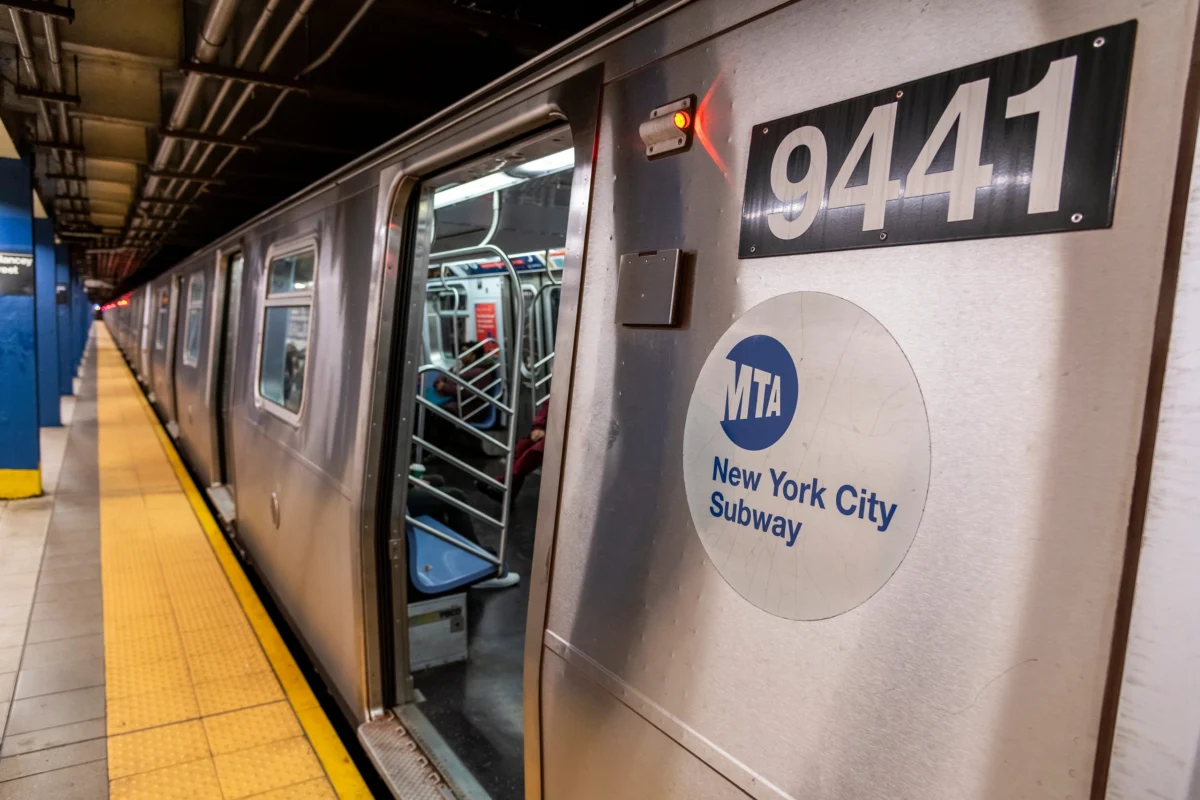
In a move that has ignited a fierce debate over public safety and civil liberties, New York State Governor Kathy Hochul recently unveiled an expansive five-point plan to bolster security within the New York City subway system. The strategy involves the deployment of 1,000 personnel—comprising members of the U.S. National Guard and the New York State Police—directly into the transit infrastructure.
While the administration frames this maneuver as a necessary response to public anxiety regarding subway safety, civil rights advocates have been quick to condemn the move as a regressive policy that favors optical strength over substantive systemic reform. At the forefront of this opposition is the Legal Defense Fund (LDF), which argues that the presence of armed military personnel in a civilian transit environment risks exacerbating racial profiling and eroding the constitutional protections of marginalized communities.
The Five-Point Plan: An Overview of the Strategy
Governor Hochul’s initiative is not limited to the deployment of uniformed personnel; it represents a multi-faceted approach to law enforcement within the city’s transit hubs. The five pillars of the governor’s plan include:
- Military and State Deployment: The integration of 750 National Guard members and 250 New York State Police officers into the subway system to assist the NYPD with bag checks and security presence.
- Expanded Judicial Authority: New legislative proposals aimed at granting judges the power to ban individuals from the transit system following specific criminal convictions.
- Prosecutorial Tracking: Enhanced data-sharing protocols allowing prosecutors to more aggressively track and monitor repeat offenders who commit crimes within the transit system.
- Technological Surveillance: The installation of additional surveillance cameras within transit operator booths to enhance monitoring capabilities.
- Co-Response Teams: The expansion of specialized units that pair mental health practitioners with law enforcement officers to address individuals experiencing crises.
The administration argues that this "show of force" is essential to deterring crime and providing commuters with a tangible sense of security. However, critics point out that the legislative components—specifically those allowing for transit bans—could create a legal quagmire, effectively barring individuals from the city’s primary mode of transportation.
Chronology of Transit Security Tensions
The escalation of transit policing is not an isolated event; it is the culmination of years of political friction regarding the management of New York City’s infrastructure.
- Pre-Pandemic Baseline: Before 2020, subway safety was a standard issue of transit management, with the NYPD maintaining a specialized Transit Bureau.
- The Post-2020 Surge: Following the pandemic, as ridership fluctuated and public concern over subway crime rose, Mayor Eric Adams implemented "Subway Safety Plans," which involved flooding stations with police officers.
- The "Safety" Narrative (2022-2023): Throughout 2023, Mayor Adams and Governor Hochul repeatedly cited crime statistics as a justification for increased patrol numbers. The LDF and other advocacy groups noted that these surges failed to address the underlying causes of transit disruptions.
- The March 2024 Escalation: Governor Hochul officially announced the deployment of the National Guard, marking the first time in recent memory that military personnel have been utilized in such a capacity for routine municipal transit policing.
- Current Pushback: The immediate reaction from civil rights organizations, including the LDF, has challenged the constitutionality and efficacy of this deployment, setting the stage for potential legal challenges and community protests.
Supporting Data: Examining the Crime Narrative
A critical component of the LDF’s opposition is the discrepancy between the perceived crime wave and the empirical reality. The LDF’s Thurgood Marshall Institute has consistently published research arguing that the "crime wave" narrative is often detached from statistical evidence.
The Correlation of Instability
Research by the Thurgood Marshall Institute suggests that crime spikes are not random occurrences but are deeply tethered to social and economic instability. According to their findings, areas experiencing high rates of homelessness, food insecurity, and a lack of mental health resources show higher levels of public disturbances.
The LDF contends that Governor Hochul’s plan ignores these variables. By focusing on "punitive legislation" and "invasive surveillance," the state is choosing a short-term, cosmetic fix rather than investing in the root causes of violence. The LDF argues that if the state redirected the funding used for military deployment toward social support services—such as housing assistance and mental health clinics—the necessity for police intervention would naturally decline.
Official Responses: The LDF Position
Janai Nelson, President and Director-Counsel of the Legal Defense Fund, issued a scathing critique of the plan, emphasizing that the deployment is not merely a logistical shift but a moral failure.
"Having already suffered from Mayor Adams’ failed policies of flooding New York City’s transit system with more law enforcement officers, New Yorkers are now faced with Governor Hochul’s dangerous plan," Nelson stated. She emphasized that the policy mistakes "heavily armed military and police presence for safety."
The "Stop-and-Frisk" Parallel
Perhaps the most significant aspect of Nelson’s critique is her comparison of this plan to the era of "Stop-and-Frisk." For decades, the New York City Police Department employed stop-and-frisk tactics that were later ruled unconstitutional due to their disproportionate targeting of Black and Brown New Yorkers.
Nelson argues that the new plan creates a similar environment where officers are "emboldened to harass and surveil New Yorkers at length." By conducting bag checks and increasing the number of police-civilian interactions, the state is inviting a return to discriminatory practices that traumatized communities of color for years.
Implications: The Constitutional and Social Cost
The implications of the governor’s plan extend far beyond the immediate deployment of 1,000 personnel. The introduction of the National Guard—an organization typically reserved for disaster relief or national security threats—into a municipal subway system sets a concerning precedent for the militarization of public life.
Constitutional Concerns
Legal scholars are currently weighing the implications of the proposed "transit bans." If an individual is barred from using the subway system, they may be effectively cut off from employment, education, and essential medical services. This creates a de facto exclusion zone that could be challenged under the Fourteenth Amendment, specifically regarding due process and the right to freedom of movement.
The Impact on Community Trust
The LDF warns that the heavy-handed approach will likely deepen the divide between the state and the public. When commuters perceive that they are being watched or treated as potential suspects by military personnel, the sense of "public safety" is replaced by a sense of "public anxiety." The LDF asserts that true safety is generated through community investment, not through the presence of rifles and surveillance cameras.
Conclusion: A Call for Strategic Reconsideration
The Legal Defense Fund’s stance remains firm: the root causes of violence cannot be remedied by increased law enforcement. Instead, the LDF urges the Governor to pivot toward holistic solutions that address economic insecurity and the mental health crisis currently gripping parts of the transit network.
As New York moves forward with this deployment, the eyes of the civil rights community remain fixed on the subway stations. The debate is no longer just about transit safety; it is about the role of the military in domestic life and the protection of the civil liberties of every New Yorker.
The LDF’s final plea to the Governor is clear: "New Yorkers need solutions that are serious about safety—not a cosmetic show of force." Whether the administration will heed this warning or double down on its current trajectory remains to be seen, but the LDF stands ready to challenge any policy that infringes upon the rights and dignity of the communities it serves.
About the Legal Defense Fund (LDF)
Founded in 1940, the Legal Defense Fund (LDF) is the nation’s first civil rights law organization. Through litigation, advocacy, and public education, the LDF seeks to expand democracy, eliminate disparities, and achieve racial justice. The Thurgood Marshall Institute, a multi-disciplinary hub within the LDF, provides the data-driven research that guides these advocacy efforts.
Note: The Legal Defense Fund (LDF) has been completely separate from the National Association for the Advancement of Colored People (NAACP) since 1957. While the organizations share a historical foundation and a commitment to equal rights, they operate as distinct entities.

 Raul Delapena Setiawan
 Pevita Pearce






