



 Dwi Wanna
New York City, NY – December 24, 2024 – In a landmark decision that positions the Empire State as a national leader in climate action, New York has officially become the first state in the United States to mandate that all new buildings be constructed entirely electric, phasing out the use of fossil fuels like natural gas. This pioneering regulation, finalized in late July 2025, marks a significant stride toward decarbonizing the built environment and addressing the urgent challenges of climate change.
The new directive, known as the All-Electric Buildings Act, was initially passed by the New York State Assembly in 2023. Its finalization by the State Fire Prevention and Building Code Council signifies a commitment to cleaner energy and healthier living spaces for New Yorkers. This transformative policy will necessitate the installation of electric heating, cooling, and cooking systems in new constructions, thereby eliminating the need for traditional gas hookups.
The Path to Electrification: A Chronological Overview
The journey to New York’s all-electric building mandate has been a carefully navigated process, marked by legislative action, regulatory refinement, and legal challenges.
-
2023: The New York State Assembly passes the All-Electric Buildings Act, laying the foundational framework for the future of building construction in the state. This initial passage signaled a clear intent to move away from fossil fuel reliance in new developments.
-
Late July 2025: The State Fire Prevention and Building Code Council formally approves the regulations that bring the All-Electric Buildings Act into effect. This crucial step transforms the legislative intent into actionable policy, setting clear compliance dates and guidelines.
-
December 31, 2025: This date represents a pivotal deadline. Residential buildings up to seven stories tall, and commercial or industrial buildings up to 100,000 square feet, with building permit applications for initial construction approved on or after this date, must adhere to the all-electric requirements. This phased approach ensures that smaller and mid-sized projects transition first.
-
2029: Larger commercial and industrial buildings exceeding 100,000 square feet will be required to meet the all-electric mandate by this year. This later deadline allows for more complex infrastructure planning and adaptation for these substantial developments.
The timeline underscores New York’s strategic approach, ensuring a smooth and comprehensive transition towards a fully electrified building sector.
Supporting Data: The Environmental and Economic Imperative
The impetus behind New York’s ambitious policy is rooted in compelling environmental and economic data. Buildings are a significant contributor to greenhouse gas emissions, and transitioning to electric infrastructure presents a clear pathway to substantial reductions.
-
Significant Emission Source: Buildings are responsible for approximately 31% of all emissions in New York State, according to a comprehensive report by the New York State Department of Environmental Conservation (DEC). By eliminating fossil fuel use in new constructions, the state directly targets a major source of pollution.
-
Potential Energy Savings: The All-Electric Buildings Act is projected to reduce energy usage in New York homes by an estimated 17%. This translates into significant cost savings for residents, with projections indicating nearly $5,000 saved per household over a 30-year period.
-
Cost-Effectiveness of Electrification: Contrary to some initial concerns, studies suggest that building entirely electric homes can be cost-effective, and in some cases, even lead to savings during the construction phase. The New Buildings Institute reports that constructing 100% electric single-family homes could result in savings of approximately $7,500 to $8,200 compared to conventional single-family homes. This indicates that the upfront investment in electric infrastructure can be offset by long-term operational efficiencies and reduced reliance on volatile fossil fuel markets.
-
Improved Air Quality: Beyond carbon emissions, the combustion of fossil fuels indoors releases harmful pollutants that can negatively impact indoor air quality and public health. All-electric buildings, utilizing systems like heat pumps, offer a cleaner and healthier indoor environment.
Navigating Exemptions and Legal Terrain
While the All-Electric Buildings Act represents a broad mandate, the legislation includes provisions for specific exemptions to accommodate unique building needs and operational requirements. These exemptions are carefully considered to ensure the policy’s practicality without compromising its core environmental objectives.

- Designated Exemptions: The act allows for exemptions for certain building types that require specialized systems or face unique operational challenges. These include agricultural buildings, medical facilities, crematoriums, laboratories, and restaurants, among other specific facility types that can demonstrate a compelling need for an exemption based on defined criteria.
The finalization of the All-Electric Buildings Act was not without its legal hurdles. Earlier in July 2025, the U.S. District Court of the Northern District of New York ruled that the state could proceed with enacting the legislation. This decision came after building and fossil fuel industry groups had attempted to challenge the act, employing arguments that had previously led to the overturning of a gas ban in new buildings in Berkeley, California.
The court’s decision in New York was hailed as a significant victory by environmental advocates. Dawn Wells-Clyburn, executive director of PUSH Buffalo, stated in a press release issued by Earthjustice, "The fossil fuel industry was sent a powerful message by the court in this case – the health, well-being, affordability, and prosperity of our communities matters more than the industry’s profits and the hollowness of its fear mongering. The AEBA remains a powerful victory in the fight for our lives."
Despite this legal triumph, the New York act could still face further legal challenges. Industry groups have reportedly requested the U.S. Department of Justice to intervene and block the law from taking effect, indicating that the battle for widespread building electrification may continue.
Official Responses and Public Support
The implementation of the All-Electric Buildings Act has garnered significant attention and support from various stakeholders, including government officials, environmental organizations, and public advocacy groups.
-
Praise for Climate Leadership: New York’s pioneering stance has been widely commended as a crucial step in combating climate change. Canary Media Inc. highlighted the achievement, stating, "New York just became the first state to bar fossil fuels in most new buildings. It’s a win for the climate and a win for owners’ utility bills."
-
Community Advocacy: Grassroots organizations have played a vital role in advocating for and supporting the All-Electric Buildings Act. Alex Beauchamp, Northeast region director at Food & Water Watch, emphasized the power of collective action: "When New Yorkers come together… we can win even in the face of opponents with an almost-limitless budget. That is how we won this bill. It’s also how we are going to continue the fight to get fossil fuels out of all the existing buildings in the state." This sentiment underscores the broader ambition to extend decarbonization efforts beyond new construction to existing building stock.
-
Broader Implications for Existing Buildings: The success of the All-Electric Buildings Act is seen by many as a crucial precedent for future policy initiatives aimed at decarbonizing existing buildings, which represent a substantial portion of the state’s building inventory and energy consumption.
Implications for the Future: A Greener Horizon
New York’s commitment to all-electric new construction has far-reaching implications, not only for the state’s environmental future but also as a model for other jurisdictions across the nation and globally.
-
National Trendsetter: By becoming the first state to enact such a comprehensive mandate, New York is setting a powerful precedent. This action is likely to inspire and embolden other states and municipalities to consider similar policies, accelerating the national transition away from fossil fuels in the built environment.
-
Economic Opportunities: The shift towards electric buildings will spur innovation and investment in clean energy technologies, including heat pumps, electric vehicles charging infrastructure, and advanced energy management systems. This can create new jobs and foster economic growth within the green technology sector.
-
Public Health Benefits: The reduction in indoor fossil fuel combustion will lead to improved air quality, fewer respiratory illnesses, and a healthier living environment for all New Yorkers. This aligns with broader public health goals and can lead to reduced healthcare costs.
-
Energy Independence and Resilience: By reducing reliance on imported fossil fuels, New York can enhance its energy independence and resilience. Electrified buildings powered by renewable energy sources are less susceptible to the price volatility and supply disruptions associated with fossil fuels.
-
Long-Term Cost Savings for Consumers: As highlighted by the projected savings for homeowners, the transition to all-electric buildings offers a path towards more affordable energy consumption over the long term, shielding residents from the fluctuating costs of natural gas.
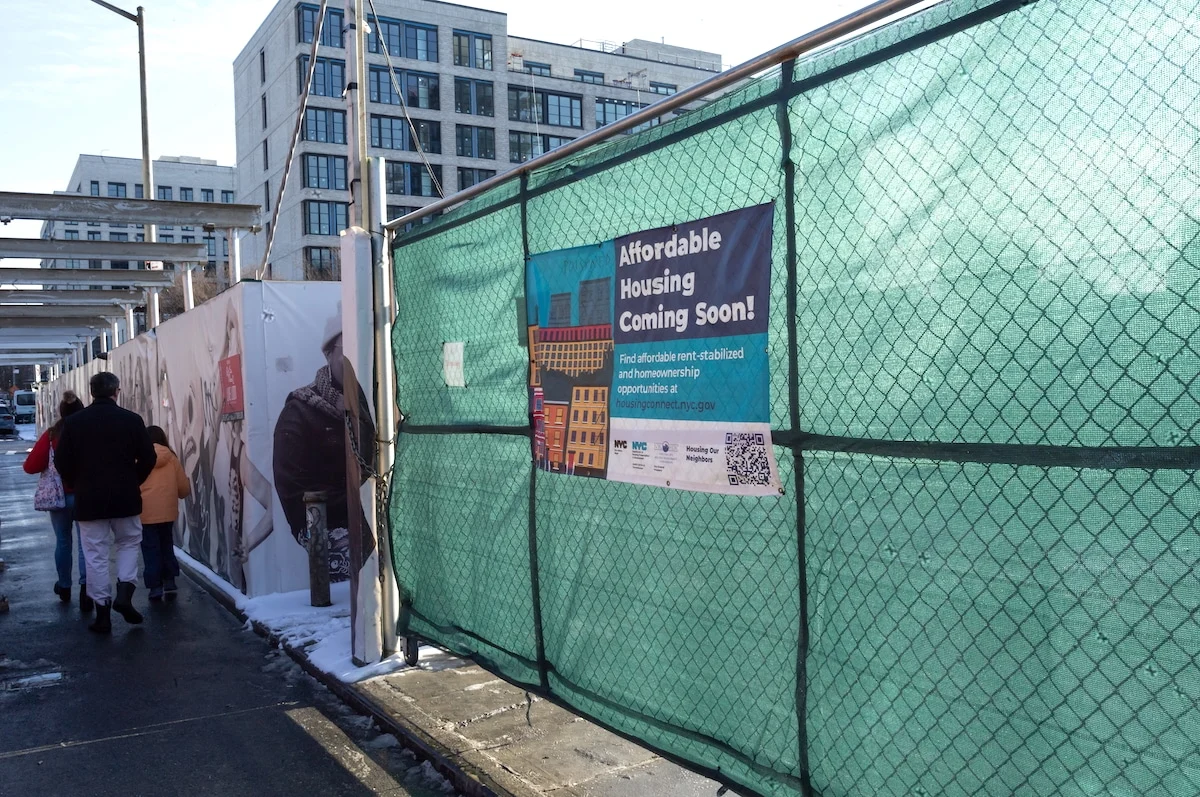
While legal challenges may persist, and the full scope of implementation will unfold over the coming years, New York’s All-Electric Buildings Act represents a bold and visionary step towards a sustainable and healthier future. The image of dozens of new housing projects along the Gowanus Canal in Brooklyn, seen on December 24, 2024, now symbolizes not just growth, but growth powered by a commitment to environmental stewardship and a cleaner energy paradigm. This policy is a testament to what can be achieved when policy, innovation, and public will converge to address the critical environmental challenges of our time.


 Sagoh

 Siti Muinah