



 Ammar Sabilarrohman
The modern bathroom has long been a sanctuary of convenience, but beneath the fragrant suds of conventional body washes lies a complex web of synthetic chemistry and environmental degradation. As consumers increasingly scrutinize the back of their personal care bottles, a "Clean Lather Revolution" is taking hold. The transition from mass-produced, plastic-packaged detergents to natural, non-toxic, and circular alternatives is no longer a niche preference; it is a burgeoning sector of the $500 billion global beauty industry.
A comprehensive investigation into the current market reveals 11 pioneering brands—including Plaine Products, Dr. Bronner’s, and Meliora—that are redefining what it means to get clean. By eliminating harmful surfactants, adopting reusable packaging, and pursuing rigorous third-party certifications, these organizations are addressing a dual crisis: the "toxic load" on human health and the systemic failure of plastic recycling.

Chronology: The Evolution of Body Care and the Rise of "Clean Beauty"
The history of personal hygiene has undergone three distinct phases, leading to the current demand for non-toxic formulations.
The Traditional Era (Pre-1940s): For centuries, cleansing was the domain of true soaps—fats and oils saponified with an alkali. While effective, these traditional bars often had high pH levels that could be harsh on sensitive skin.
The Synthetic Surge (1950s–1990s): The post-war era saw the rise of "syndets" (synthetic detergents). Chemists developed surfactants like Sodium Lauryl Sulfate (SLS) to create voluminous foam and liquid formulas that were cheaper to produce and easier to store in plastic bottles. This era introduced "fragrance" as a proprietary trade secret, allowing brands to hide hundreds of unlisted chemicals.

The Transparency Movement (2010s–Present): Fueled by rising rates of skin sensitivity and environmental awareness, the "Clean Beauty" movement emerged. Consumers began demanding the removal of parabens, phthalates, and sulfates. In 2020, California passed the Toxic-Free Cosmetics Act, a landmark piece of legislation banning 24 hazardous chemicals from personal care products. This paved the way for the "circular" model, where brands like Plaine Products and A Drop In The Ocean began treating packaging as a reusable asset rather than disposable waste.
Supporting Data: The Chemical and Environmental Case for Change
To understand the necessity of these 11 brands, one must look at the data regarding conventional body wash ingredients and their broader impacts.
The "Dirty Dozen" of Body Care
Scientific research highlights several categories of concern in standard formulations:
- Sulfates (SLS & SLES): Studies published in The Journal of the American College of Toxicology indicate that SLS can irritate skin at concentrations as low as 2%. In conventional washes, these are used to provide the "psychology of clean" through excessive foaming.
- 1,4-Dioxane: Often a byproduct of the ethoxylation process (common in ingredients ending in "-eth"), this potential human carcinogen is not listed on labels. While New York State recently capped it at 1 ppm, it remains a persistent contaminant in many mainstream gels.
- Phthalates: Frequently hidden under the umbrella term "fragrance," these endocrine disruptors are linked to reproductive health issues.
- Formaldehyde-Releasers: Preservatives like DMDM hydantoin slowly release formaldehyde to prevent spoilage. While legal in the US, Washington State has moved to ban 25 such releasers by 2027.
The Environmental Footprint
A 2018 study in the journal Science found that everyday chemical products, including personal care items, now produce half of the fossil fuel volatile organic compound (VOC) emissions in industrialized cities. Furthermore, a 2009 life-cycle study from ETH Zurich noted that the carbon footprint of liquid soap is roughly 25% higher than bar soap, primarily due to the energy required to produce plastic packaging and transport the water-heavy liquid.
Official Responses: Leading Brands and Expert Reviews
Sustainable Jungle’s Head of Content, Amber McDaniel, and a team of testers spent months evaluating the performance and ethical standing of the market’s top contenders. Their findings provide a roadmap for the "clean" consumer.
The Liquid Leaders: Plaine Products and A Drop In The Ocean
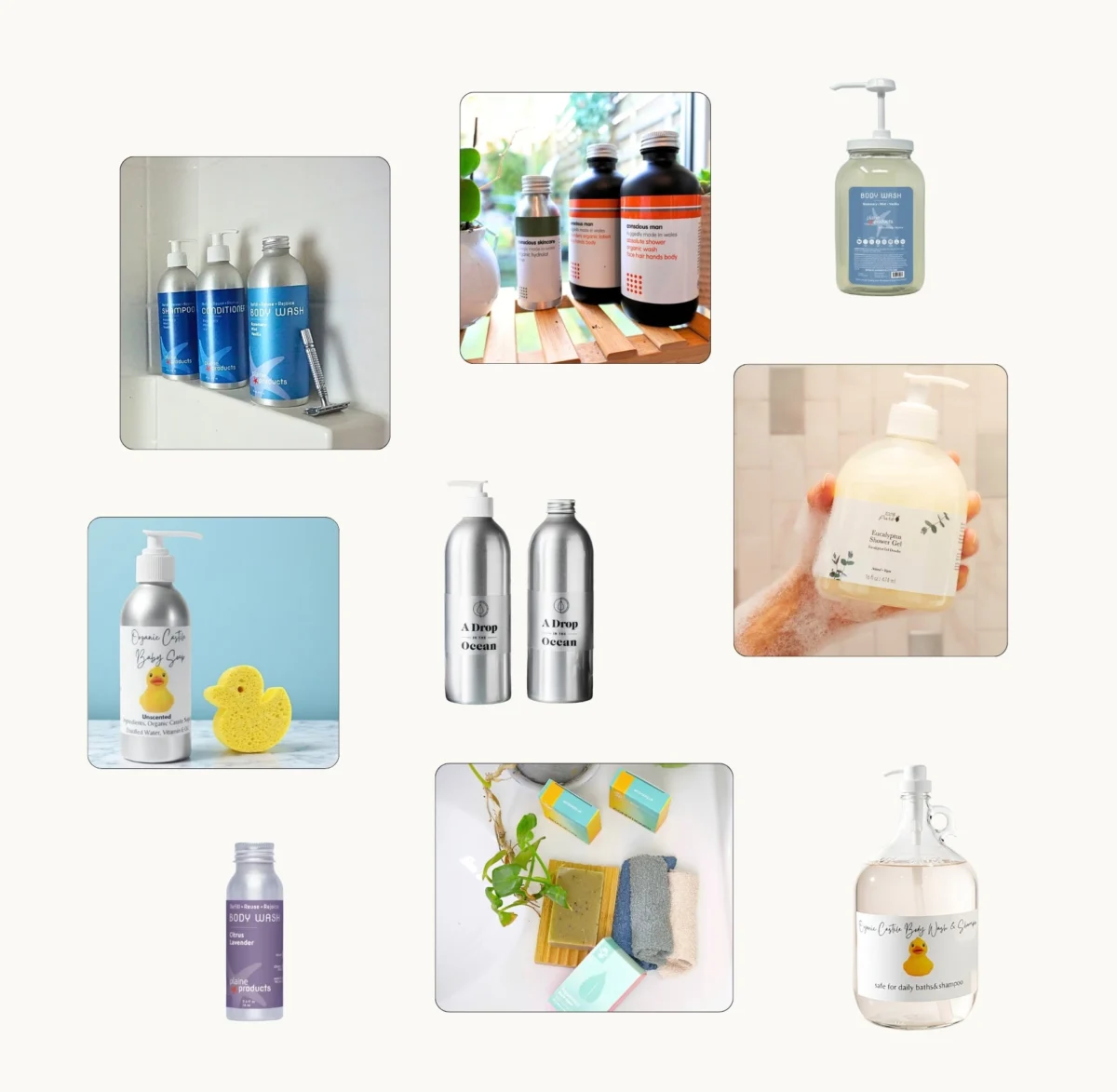
Plaine Products has emerged as a gold standard in the industry. As a Certified B Corp, they utilize a circular model where aluminum bottles are returned, washed, and refilled.

- Expert Review: "The Rosemary, Mint, and Vanilla scent is one of my favorites," says McDaniel. "I love the fast-foaming convenience and the fact that it isn’t watered down with synthetic fillers."
Similarly, A Drop In The Ocean provides a zero-waste store model, hand-making their organic coconut oil-based wash in Washington. Their use of prepaid return labels for aluminum refills addresses the logistical hurdles of the circular economy.
The Solid Solutions: Meliora and EcoRoots
For those looking to eliminate the shipping of water altogether, bar soaps are the most sustainable choice.
- Meliora: Their bath and body bar is MADE SAFE certified, meaning it has been screened against over 15,000 known toxins.
- EcoRoots: These bars are cold-pressed in small batches. SJ Co-founder Lyall Mabin noted, "The Peppermint bar is invigorating for a post-workout shower, though it’s essential to keep it dry on a soap dish to prevent product waste."
The Sensitive Skin Specialists: Butterfly & Bee
For infants and those with compromised skin barriers, Butterfly & Bee offers a castile wash with an ingredient list that can be counted on one hand. By utilizing organic olive and jojoba oils, they provide a fragrance-free option that avoids the "masking chemicals" often found in "unscented" mainstream products.

Implications: The Future of Personal Care and Regulatory Gaps
The rise of these 11 brands highlights a significant gap in federal oversight. In the United States, the FDA does not define terms like "natural," "non-toxic," or "clean." This lack of regulation has led to widespread "greenwashing," where brands use earthy packaging to distract from synthetic formulas.
The Regulatory Lag
While the EU has banned over 1,300 chemicals from cosmetics, the US has historically banned or restricted fewer than 30. This puts the onus of safety on the consumer and third-party certifiers.
- Certifications to Watch: The USDA Organic seal (requiring 95% organic ingredients) and the MADE SAFE seal are currently the most reliable indicators of safety. The Leaping Bunny certification remains the industry standard for ensuring no animal testing occurred at any stage of the supply chain.
The Economic Shift
As brands like Meow Meow Tweet and HiBAR gain market share, legacy companies are taking notice. Dove and Method have begun offering sulfate-free options and recycled plastic packaging. However, the move toward true circularity (aluminum/glass) and the elimination of "fragrance" loopholes remains a hurdle for multi-billion dollar conglomerates with rigid supply chains.

The Biological Impact
The shift to non-toxic washing also considers the skin’s microbiome. The skin’s natural pH sits around 4.7. True soaps, like Dr. Bronner’s, have a high pH (8.5–11), which can be drying. Syndet bars, like HiBAR’s, are pH-balanced to be more acidic, matching the skin’s barrier. Understanding this biological nuance is the next frontier for the clean beauty movement.
Conclusion: Lathering with a Conscience
The transition to a cleaner, more sustainable shower is more than a cosmetic choice; it is an environmental and physiological necessity. The 11 brands identified—ranging from the high-tech circularity of Plaine Products to the traditional simplicity of Dr. Bronner’s—represent a necessary departure from the "disposable chemistry" of the 20th century.
As consumers continue to vote with their wallets, the implications for the global supply chain are profound. A future where "non-toxic" is the baseline rather than the exception depends on continued transparency, the expansion of refill infrastructure, and a fundamental shift in how we value our skin as our body’s largest and most absorbent organ. In the words of Joy McConnochie, co-founder of Sustainable Jungle, "Our skin stands between us and the rest of the world. Why would we jeopardize it by washing in a bath of toxic chemicals?" For those seeking a cleaner conscience, the tools are now readily available in the form of a better, safer lather.


 Jia Lissa

 Suro Senen