

 Nana Muazin
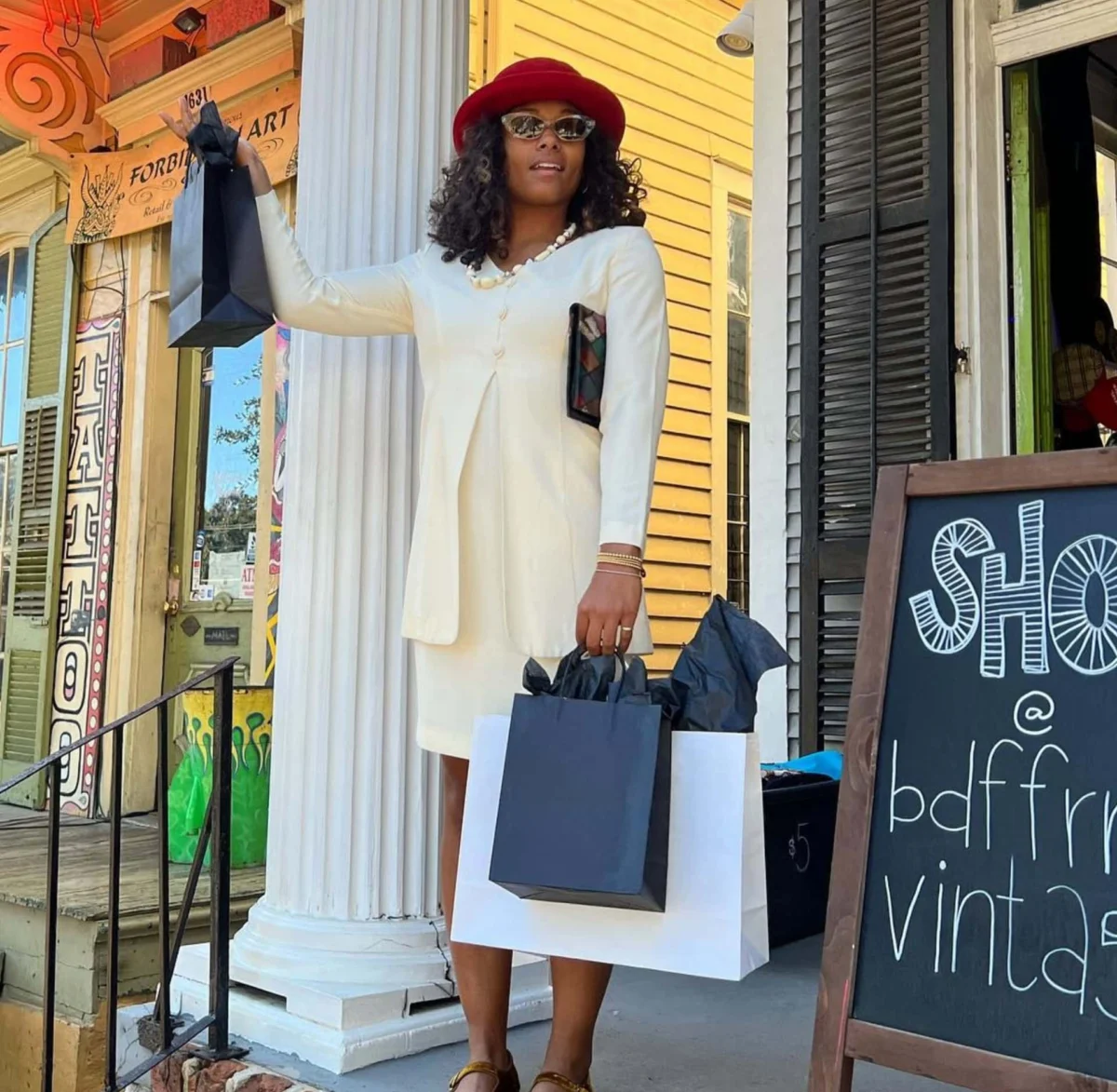
New Orleans is a city defined by its layers—of history, of music, and of style. In a landscape where the "Who Dat" spirit permeates every corner, the local retail scene is undergoing a significant transformation. As consumers increasingly pivot toward the circular economy, the thrift and vintage markets of New Orleans (NOLA) have emerged as more than just bargain bins; they are essential pillars of sustainability and social enterprise.

From the high-end consignment boutiques of Magazine Street to the sprawling architectural salvage yards of the St. Claude corridor, thrifting in New Orleans offers a unique "lagniappe"—that little something extra. This guide explores 13 pivotal storefronts that define NOLA’s secondhand landscape, examining their roles in environmental preservation and community support.
Main Facts: The State of Secondhand in New Orleans
Thrifting in New Orleans is driven by two primary forces: a cultural reverence for history and a modern necessity for waste reduction. The city’s aesthetic—often described as a blend of bohemian elegance and festive maximalism—is perfectly suited for the secondhand market.

Unlike many metropolitan areas where "fast fashion" dominates, New Orleans has maintained a robust network of independent resellers. These range from non-profit organizations that fund addiction recovery and youth empowerment to curated vintage boutiques that preserve the "old world" charm of the French Quarter. Key destinations like Swamp Rags Vintage, The Green Project, and Bridge House Thrift Stores serve as the backbone of this movement, ensuring that textiles, furniture, and building materials are diverted from the region’s strained landfills.
Chronology: The Evolution of NOLA’s Resale Market
The history of secondhand commerce in New Orleans is as old as the city itself, rooted in the antique trade of the 19th century. However, the modern "thrifting" era has evolved through several distinct phases:

- The Antique Era: Traditionally, New Orleans was a hub for European antiques, with Magazine Street serving as a global destination for high-end furniture and decor.
- The Post-Katrina Rebuild: After 2005, organizations like The Green Project became vital. The focus shifted to architectural salvage—doors, shutters, and lumber—as residents sought to rebuild the city’s unique historic housing stock sustainably.
- The Social Enterprise Boom: The last two decades saw the rise of the "thrift for a cause" model. Organizations like the Youth Empowerment Project (YEP) and Bridge House integrated retail into their rehabilitation and education programs.
- The Modern Vintage Movement: Today, a new generation of curators, such as those at bdffrnt Vintage and Blue Dream, has elevated thrifting to a form of social activism, focusing on inclusivity, "slow fashion," and the reduction of microplastics in the local water table.
Supporting Data: A Deep Dive into 13 Essential Storefronts
To understand the impact of the local resale market, one must examine the specific niches filled by these 13 establishments.
1. Swamp Rags Vintage (French Quarter)
Located on St. Louis Street, Swamp Rags is a bastion of historical preservation through apparel. Specializing in vintage tees, hats, and pins, the store serves as a curated archive of New Orleans ephemera. It represents the "high-intent" side of vintage, where items are selected for their cultural longevity.

2. YEP Thrift Works (Central City)
As a component of the Youth Empowerment Project, this store on Oretha Castle Haley Boulevard operates as a dual-purpose entity. It provides affordable goods to the community while funding mentorship and job training for local teenagers. Every purchase directly contributes to the social fabric of the city.
3. Merchant House (Lower Garden District)
Merchant House is a premier destination for consignment furniture. Housed in a large warehouse on Magazine Street, it aggregates the collections of local antique merchants. It serves as a vital link in the furniture lifecycle, preventing high-quality hardwood pieces from being replaced by disposable, particle-board alternatives.

4. The Green Project (St. Claude)
Perhaps the most environmentally significant entry, The Green Project focuses on "architectural thrift." By salvaging building materials, they prevent tons of construction waste from entering the River Birch Landfill. Their recycled paint program and community workshops are benchmarks for urban sustainability.
5. Oddz N Endz (Boutique Consignment)
This boutique offers a refined approach to the circular economy. By focusing on both designer apparel and home goods, it provides a middle ground between high-end retail and traditional thrifting, maintaining a clean, accessible environment for those new to the secondhand market.

6. bdffrnt Vintage (Lower Garden District)
Under the leadership of owner Astrid, bdffrnt Vintage promotes inclusivity. Specializing in authentic 70s, 80s, and 90s gear, the store hosts community events like group meditations, positioning the act of shopping as a holistic, community-building experience.
7. Blue Dream (Sophie Wright Place)
Leaning into the bohemian aesthetic, Blue Dream focuses on natural fibers and "heat-friendly" vintage—a necessity in the Louisiana climate. They act as a community hub, hosting markets that support other local artisans.

8. Junk’s Above (Mid-City)
Located in a former plumbing warehouse, this store is a haven for collectors. By specializing in vintage toys, records, and "doodads," Junk’s Above preserves pop-culture history. Their focus on hardwood furniture over plastic-heavy modern goods aligns with long-term sustainability goals.
9. Bridge House Thrift Stores (Multiple Locations)
Bridge House is a heavyweight in the NOLA non-profit sector. The proceeds from their vast inventory of clothing and electronics fund long-term residential treatment for individuals battling substance abuse. It is a prime example of "philanthropic commerce."

10. Second Act Inc. (Metairie/New Orleans)
Since the 1970s, Second Act has defined high-end women’s consignment in the region. By enforcing strict quality criteria for designer pieces, they extend the life of luxury garments, proving that sustainable fashion can also be aspirational.
11. SpayMart Thrift Store and Adoption Center (Metairie)
Combining animal welfare with retail, SpayMart uses its sales to fund cat rescues. The store offers a unique consumer experience where shoppers can adopt pets while browsing antique glassware, creating a unique emotional connection to the act of recycling.

12. Funky Monkey (Magazine Street)
A staple for the "fashion-forward," Funky Monkey bridges the gap between everyday wear and the costume culture of Mardi Gras. Their buy-sell-trade model encourages a high turnover of inventory, keeping the local wardrobe in constant, vibrant circulation.
13. Buffalo Exchange (Magazine Street)
Part of the larger national network but deeply ingrained in the NOLA scene, Buffalo Exchange provides the infrastructure for residents to monetize their closets, facilitating a fast-moving, peer-to-peer exchange of styles.

Official Responses: Waste Management and Sustainability Goals
The City of New Orleans has faced significant challenges regarding its waste management infrastructure. Official data indicates that New Orleans currently recycles only 2% to 3% of its total waste—roughly a tenth of the national average. Most of the city’s refuse is diverted to the River Birch Landfill in Avondale.
In response to this, the city has outlined an ambitious goal to reach a 25% recycling rate by 2030. While municipal curbside programs have struggled with consistency, the private and non-profit thrift sectors have stepped in as the de facto leaders of the city’s "Reduce, Reuse" mandate. Organizations like The Green Project and Bridge House have effectively created their own self-sustaining waste-diversion ecosystems, often operating without significant government subsidies.

Implications: The Future of NOLA Style and Environment
The implications of a robust thrift economy in New Orleans are both environmental and social.
Environmental Impact:
The fashion industry is a major contributor to microplastic pollution. Synthetic fabrics like polyester and nylon take decades to break down in landfills. In a city like New Orleans, which sits precariously close to the water table, the leaching of chemicals from decomposing textiles is a critical concern. By extending the life of a garment by just nine months, consumers can reduce its carbon, water, and waste footprint by up to 30%.

Social Impact:
The "non-profit thrift" model provides a critical safety net. When a resident shops at YEP or Bridge House, they are participating in a localized economic cycle that funds addiction recovery and youth education. This "community-funded" social work is vital in a city with significant economic disparities.
The "Carnival" Factor:
New Orleans’ unique culture of costuming (Mardi Gras, Second Lines, Halloween) creates a demand for sequins, feathers, and vintage formalwear that would otherwise be discarded. The thrift ecosystem ensures that these "single-use" festive items remain in circulation, moving from one parade-goer to the next.

Conclusion: The Sustainable Path Forward
Thrifting in New Orleans is not merely a trend; it is a cultural and environmental necessity. As the city works toward its 2030 sustainability goals, these 13 stores provide the blueprint for a more intentional way of living. By choosing "new-to-you" over "new," residents and visitors alike contribute to the preservation of the city’s historic charm and its ecological future. In the Crescent City, the best way to "be different" is to buy something with a story already attached.


 Siti Muinah
 Neng Nana