



 Muslim
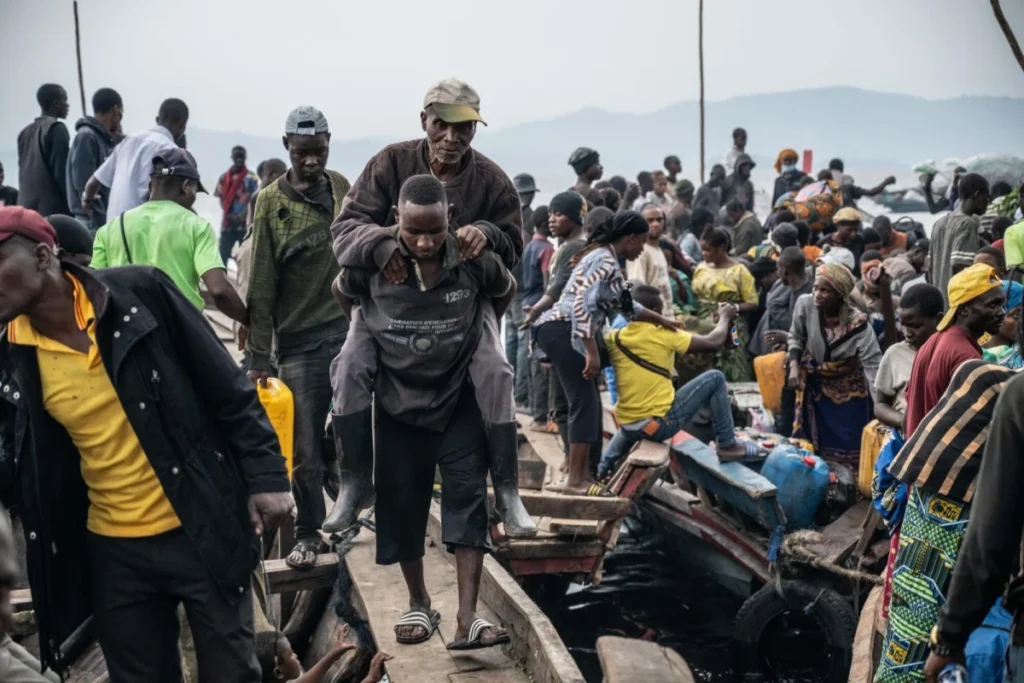
The global safety net, a delicate architecture of international aid and humanitarian support built over decades, is currently unraveling at an alarming pace. As geopolitical tensions rise and domestic economic pressures mount, the pillars of international development are shifting—and, in many cases, crumbling. The systematic dismantling of institutional support systems, most notably within the U.S. Agency for International Development (USAID), has left the world’s most vulnerable populations facing an unprecedented vacuum of resources.
This structural decline is not merely a political trend; it is a financial crisis of historic proportions. According to recent data from the OECD, official foreign aid from major donor nations has suffered its steepest annual decline on record. This withdrawal of institutional support has exacerbated a staggering $4 trillion annual financing gap required to meet the United Nations’ Sustainable Development Goals (SDGs). As official funding evaporates, the burden of global stability is being forced onto the shoulders of those least equipped to carry it: everyday citizens.
The Myth of the Apathetic Donor
For years, a dangerous narrative has permeated the halls of global finance: the belief that when governments retreat, individual citizens will follow suit. This assumption posits that because households are currently battling stubborn inflation and the crushing weight of rising living costs, the charitable impulse is the first luxury to be sacrificed. Economists have long argued that as disposable income contracts, the social sector should prepare for a "generosity recession."
However, a groundbreaking survey conducted by Kiva, in partnership with Harris Interactive, suggests that this conventional wisdom is fundamentally flawed. Far from abandoning their global responsibilities, everyday citizens are proving remarkably resilient. The survey reveals a stark disconnect between the pessimism of policy analysts and the actual behavior of the public.
While the macro-environment suggests a retreat, the micro-environment shows a persistence of values. The data indicates that despite the "affordability crisis," the human commitment to collective well-being remains a stubborn fixture of modern society, even when that commitment comes at a personal cost.
Chronology of a Funding Crisis
The current crisis did not emerge in a vacuum; it is the culmination of several years of shifting political and economic tides.
- 2020–2022: The Pandemic Strain: Global aid surged to meet the immediate health demands of COVID-19. However, this spike in spending masked the underlying volatility of donor budgets.
- 2023: The Inflationary Squeeze: As interest rates rose and inflation became a global phenomenon, donor nations began to prioritize domestic fiscal stability over international commitments.
- 2024: The Structural Shift: Reports began surfacing regarding the downsizing of key international development agencies, signaling a pivot toward isolationist fiscal policies.
- 2025: The Record Decline: Preliminary OECD data confirmed a historic drop in Official Development Assistance (ODA), marking the sharpest contraction since data collection began.
- Late 2025/Early 2026: The current state of play reveals a $4 trillion financing gap, leaving non-governmental organizations (NGOs) and social enterprises to bridge a void that was previously the domain of sovereign states.
Supporting Data: Resilience in the Face of Hardship
The Kiva-Harris study provides empirical weight to the argument that individual generosity is evolving rather than disappearing. The findings are as sobering as they are inspiring:
- The Barrier to Entry: Over 85% of adults in the United States and 86% in the United Kingdom reported that cost-of-living pressures have created genuine, tangible barriers to charitable giving over the past six months.
- The Persistence of Giving: Despite these barriers, 80% of respondents in both nations reported that they still managed to donate to causes they care about.
- Climate Urgency: Roughly 70% of respondents affirmed that supporting communities disproportionately affected by climate change is a higher priority now than at any point in history.
- The Preference for Micro-Commitments: The mechanism of giving is changing. 74% of Americans and 73% of British citizens stated that recurring, smaller commitments of $25 or less are far more sustainable for their personal budgets than the traditional "one-off" large donation.
- The Demand for Transparency: A significant 70% of participants expressed frustration with organizations that prioritize constant solicitation over transparent, measurable, long-term impact reporting.
These figures indicate that the modern donor is not necessarily becoming stingy; they are becoming more pragmatic, intentional, and selective.
Official Responses and Institutional Silos
The response from the international development community has been a mixture of alarm and calls for systemic reform. While government agencies remain largely silent on the specific impacts of their budget contractions, the nonprofit sector has been forced to adapt to a "funder-less" landscape.
Many development experts argue that the reliance on government funding was always a precarious strategy. The current crisis has forced a conversation about the role of "impact-first" capital. There is a growing consensus that the traditional model—which demands market-rate returns, low risk, and high social impact—is failing to address the world’s most intractable problems.
"If we expect every investment to deliver maximum social impact, strong financial returns, and minimal risk, we should not be surprised when the hardest problems remain unfunded," notes Vishal Ghotge, CEO of Kiva. This critique targets the institutional investor class, which has often treated impact investing as a subset of private equity rather than a tool for humanitarian progress.
The Implications: Why "Impact-First" Matters
The implications of this shift are profound. If governments will not or cannot fill the $4 trillion gap, and if individual donors can only cover the margins, the middle ground must be occupied by "impact-first" capital. This is a class of investment that intentionally accepts lower financial returns and higher risk in exchange for measurable, transformative social change.
The Power of Leveraged Collaboration
The most promising path forward is not found in a single source of funding, but in the synthesis of multiple pools of capital. When institutional resources are used to absorb early financial risk, they act as a "de-risking" mechanism for private donors and social enterprises.
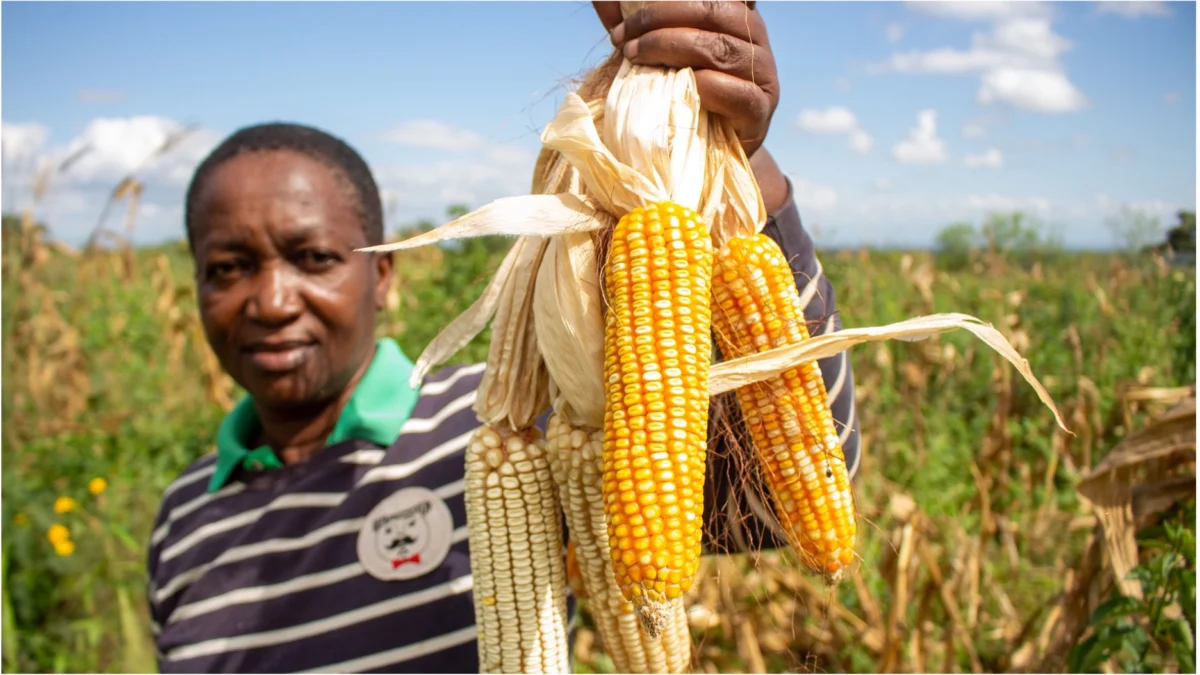
For example, philanthropic capital can fund the initial training for smallholder farmers to transition to drought-resistant crops. Once the model proves its efficacy, the individual donor’s small $25 contribution can provide the liquidity for the farmers’ seeds, and eventually, impact investors can provide the scaling capital. This chain of finance creates a multiplier effect that isolated funding sources cannot achieve.
The "Team Sport" Philosophy
The Kiva survey highlights that 60% of people feel that contributing through a group is more impactful than acting alone. This sentiment reflects a deeper understanding of modern systemic issues: climate change, food insecurity, and displacement are not problems that can be solved by an individual’s isolated act of charity. They require coordinated, systemic responses.
Conclusion: A Call for Courage
We find ourselves at a critical juncture. The world’s safety net is not just fraying; it is being redefined. While the retreat of government funding is a legitimate cause for concern, it should not be treated as an excuse for inaction.
The generosity of the individual is a powerful, under-utilized force, but it is not a panacea. Expecting squeezed households to close a trillion-dollar gap through micro-donations is a policy failure. The path forward requires a new, courageous alignment of stakeholders. We need institutions that are willing to take risks, investors who prioritize impact over immediate financial gain, and a public that continues to demand transparency and accountability from the organizations they support.
As we head toward the close of the year, the question is not whether the money exists—the capital and the willingness are clearly present. The question is whether we have the collective courage to bring them together in a way that is sustainable, equitable, and effective. If we wait for the pendulum of government policy to swing back, we risk losing a generation of progress. The time for waiting is over; the time for systemic, collaborative, and impact-first action has begun.

 Suro Senen
 Nila Kartika Wati






