



 Jia Lissa
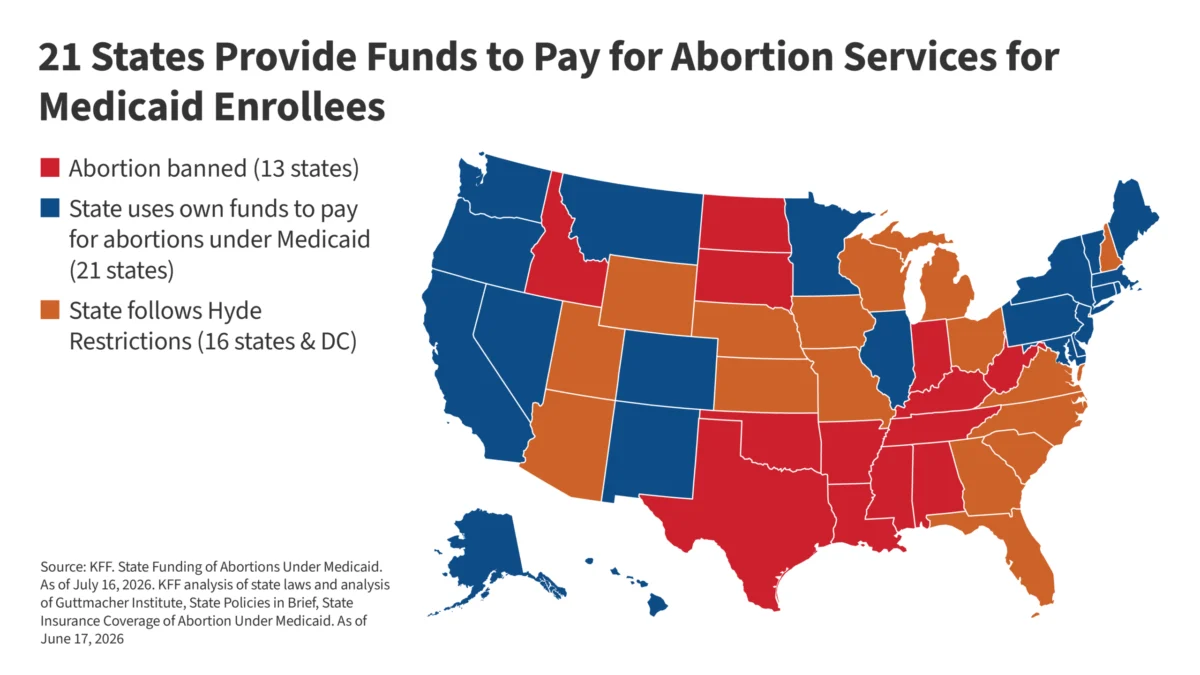
Four years after the Supreme Court’s Dobbs v. Jackson Women’s Health Organization decision effectively ended the federal constitutional right to abortion, the landscape of reproductive healthcare in the United States remains profoundly fractured. While 13 states have enacted near-total bans on the procedure, the battle for access in the remaining states has shifted toward a quiet, systemic struggle: the adequacy of Medicaid reimbursement. For the millions of low-income Americans who rely on Medicaid, the policy gap between what states pay providers and the actual cost of care is emerging as a critical, yet often overlooked, barrier to essential reproductive health services.
The Landscape of Coverage: A Tale of Two Policies
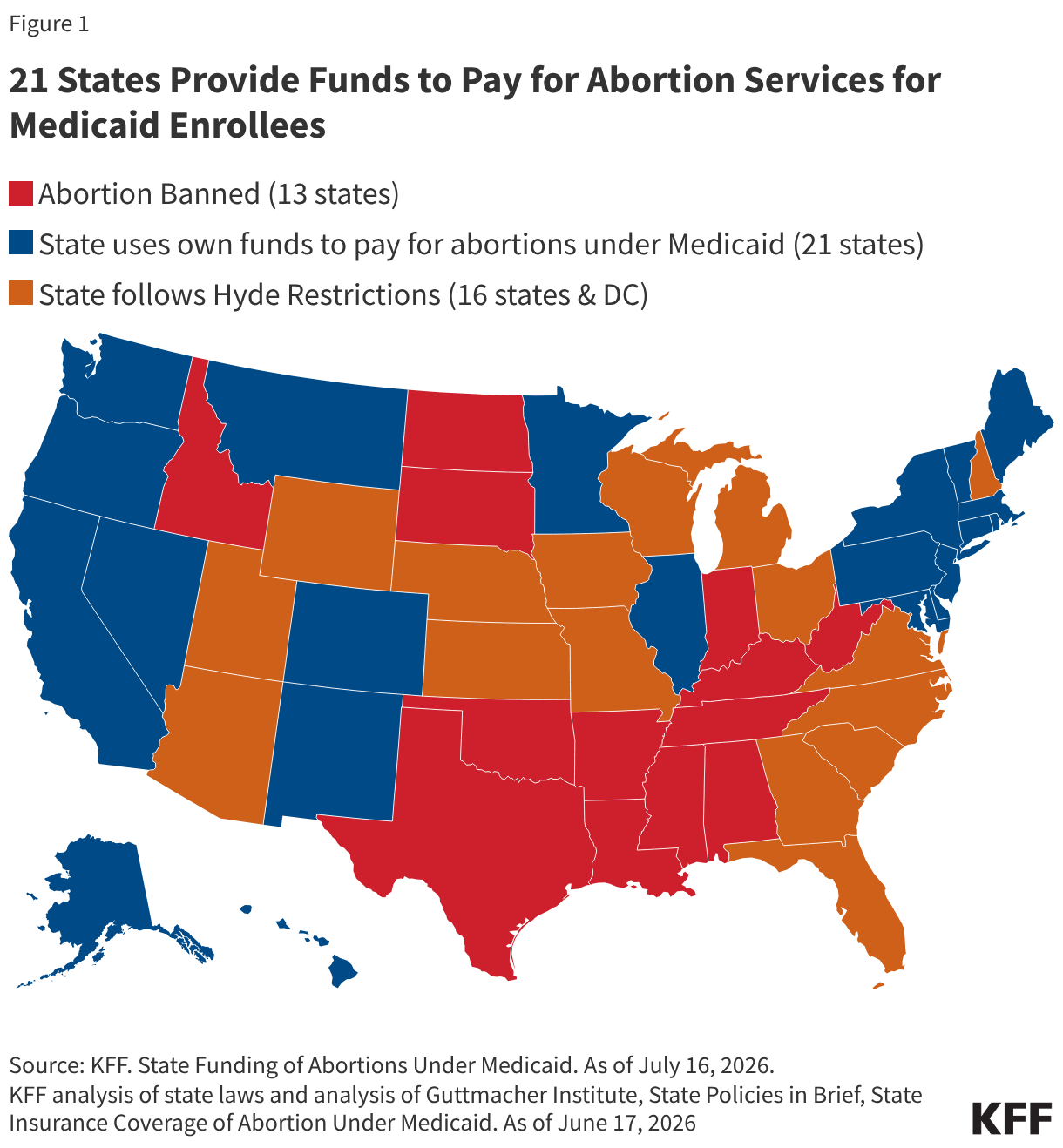
The current environment is defined by a stark divide in how states approach the financing of abortion. At the federal level, the long-standing Hyde Amendment continues to prohibit the use of federal Medicaid funds for abortion services, with narrow exceptions for cases of rape, incest, or life endangerment.
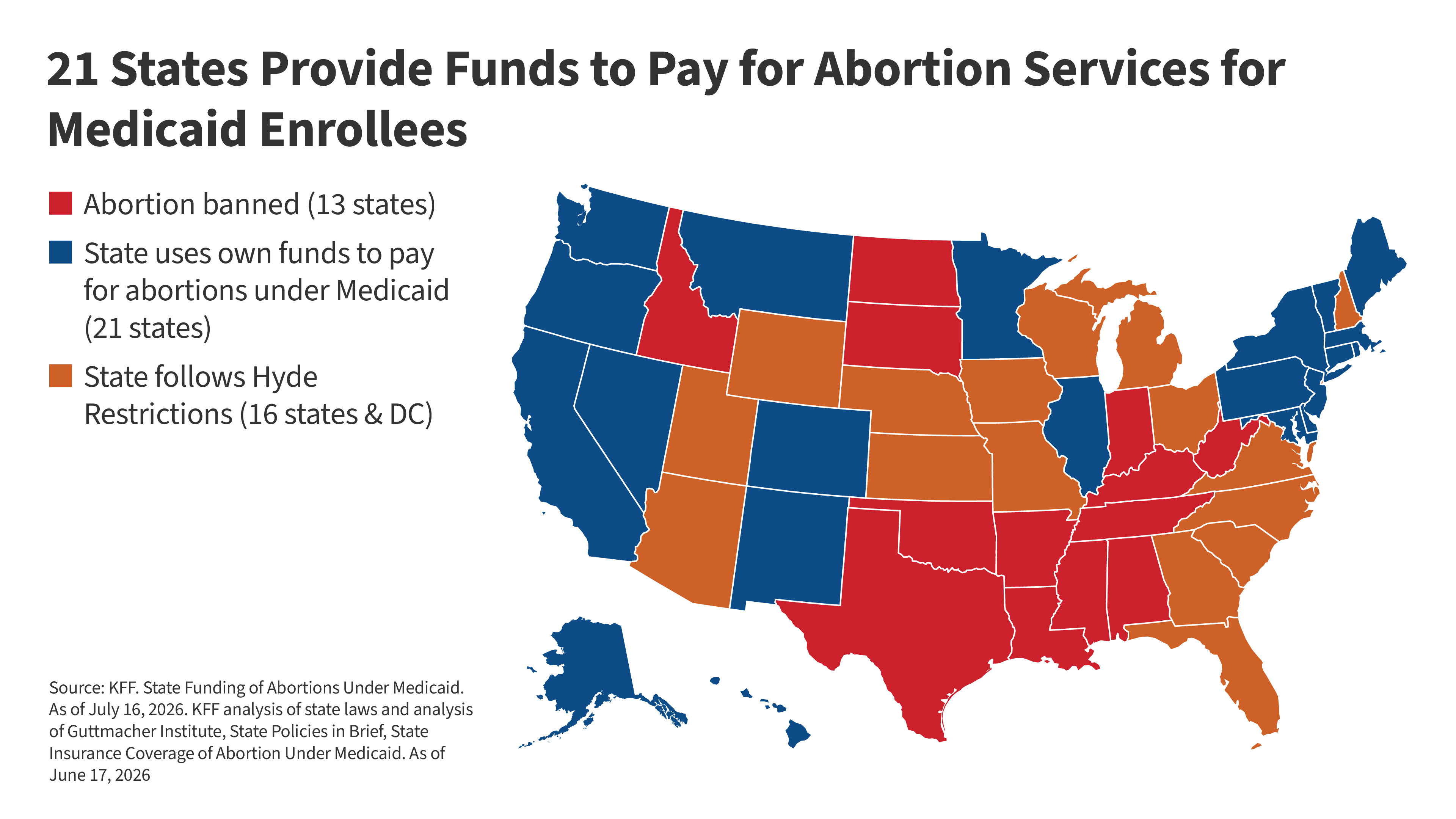
However, states possess the authority to go beyond these federal restrictions by utilizing their own state-level revenues. As of mid-2026, 21 states and the District of Columbia have taken this path, using state funds to cover a broader range of abortion services for Medicaid enrollees. Conversely, 16 states that have not banned abortion continue to strictly adhere to the federal Hyde Amendment, leaving their low-income residents with limited access to publicly funded care.
This patchwork of policy creates significant geographic disparities. In states like Washington or New York, the state government acts as a financial backstop, ensuring that providers are reimbursed for care. In states clinging to Hyde-only restrictions, the burden of financing care often falls on the patient, forcing them to rely on personal savings, credit card debt, or the increasingly strained resources of independent abortion funds.
Chronology of a Financial Crisis
The roots of the current reimbursement crisis predate the 2022 Dobbs decision, but the overturning of Roe v. Wade acted as an accelerant.
- Pre-2022: Providers consistently reported that Medicaid reimbursement rates lagged significantly behind private insurance and Medicare. Research from 2020 indicated that Medicaid rates for common procedures covered less than half of the actual costs charged to self-pay patients.
- June 2022: The Dobbs decision leads to immediate bans in 13 states, causing a massive migration of patients to states where abortion remains legal. This influx placed unprecedented strain on clinic infrastructure and budgets.
- 2023-2024: Medication abortion emerges as the dominant form of care, accounting for roughly 65% of all abortions. States begin grappling with how to code these services—whether through bundled "global" payments or separate billing for drugs and ancillary care.
- 2025-2026: A wave of state-level policy adjustments occurs. Pennsylvania and Colorado shift from Hyde-restricted funding to state-funded coverage. Despite this, a 2025 GAO report reveals that 14 states were non-compliant with federal requirements to cover FDA-approved medication abortion drugs even under the limited circumstances allowed by Hyde, signaling systemic administrative neglect.
Supporting Data: The Reality of Reimbursement Gaps
The financial sustainability of an abortion clinic depends on its ability to cover overhead—staff salaries, medical supplies, facility maintenance, and, increasingly, security. When Medicaid reimbursement fails to meet these costs, the clinic must either cross-subsidize the care through private-pay patients or face the risk of insolvency.
Medication Abortion
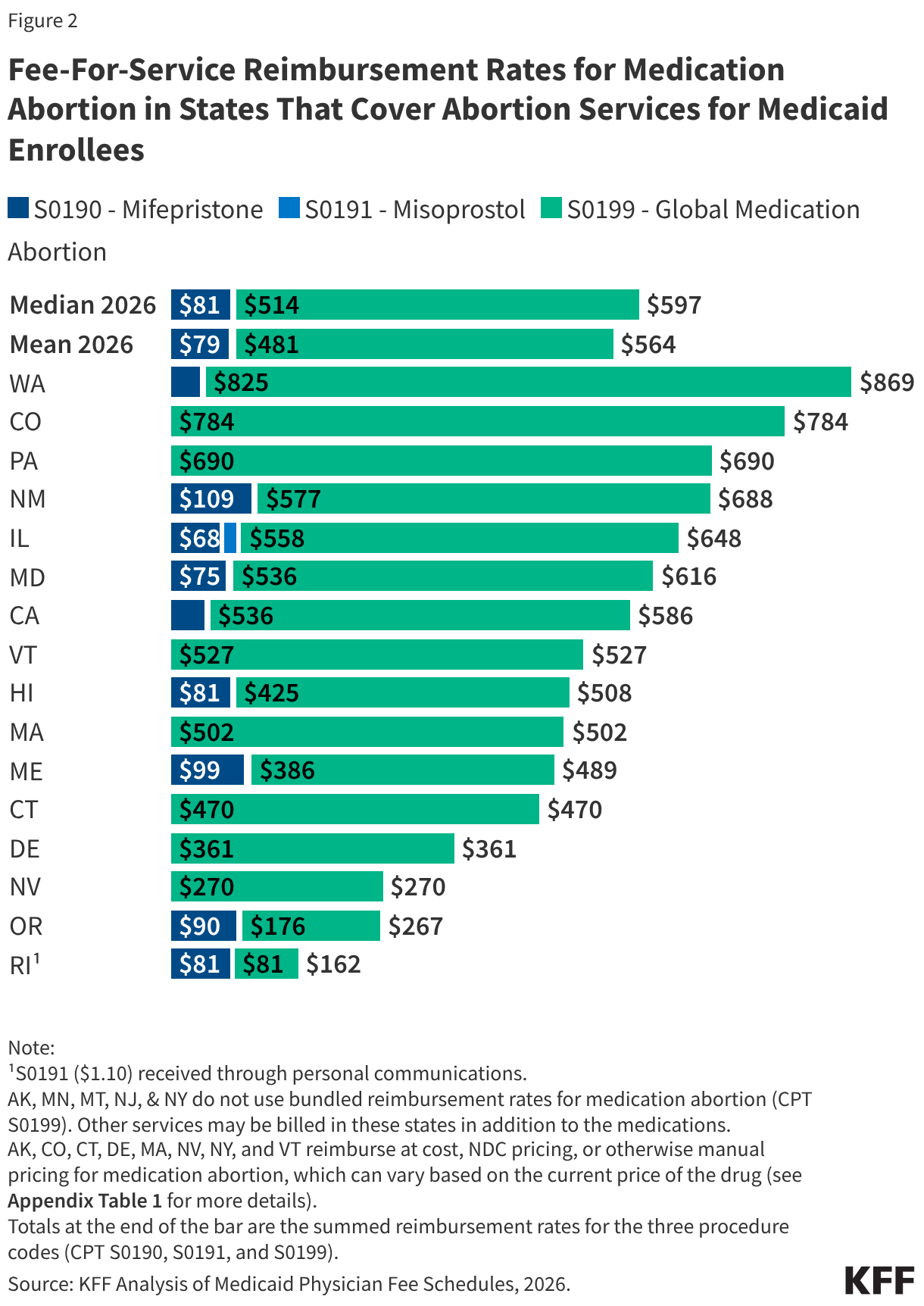
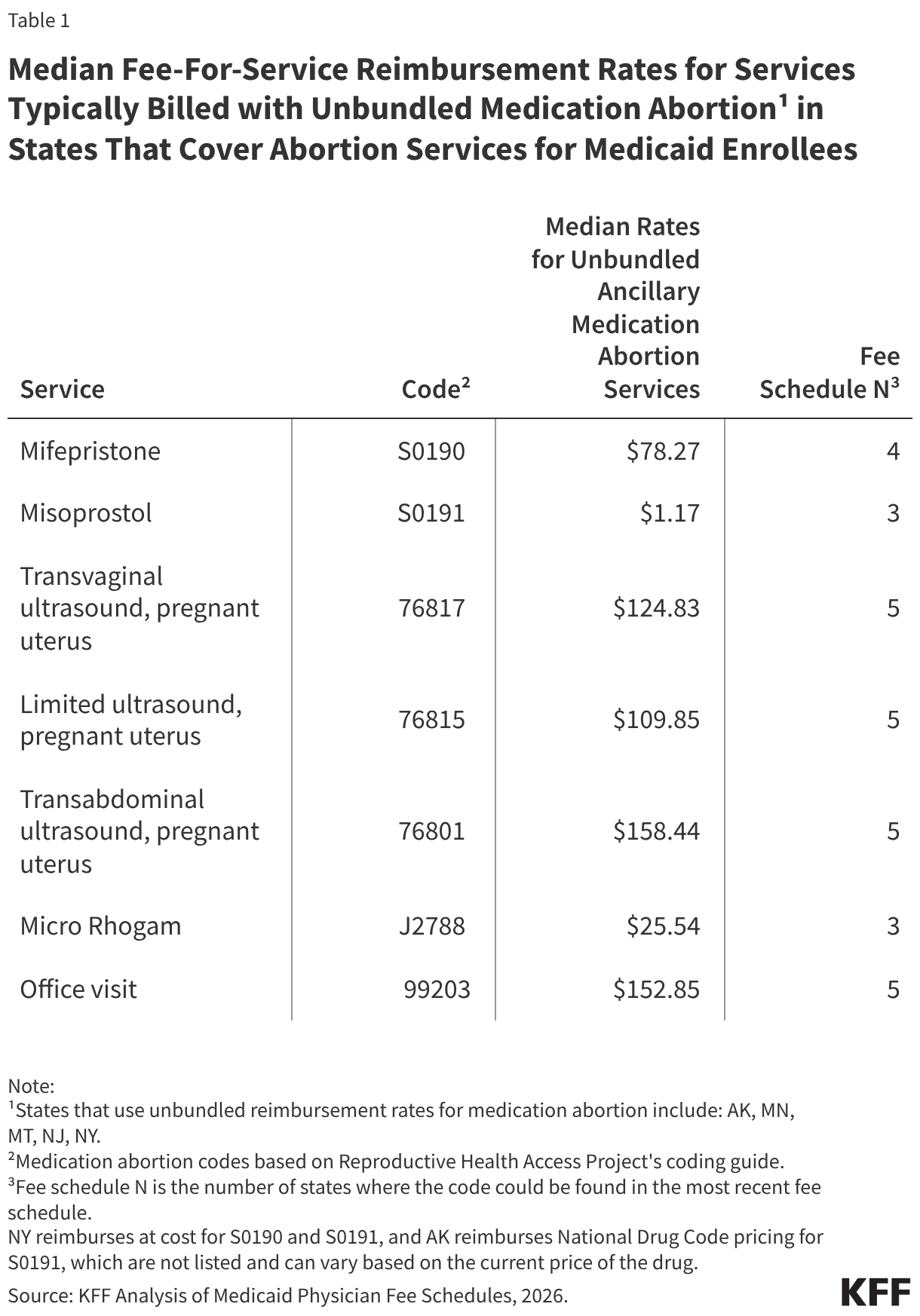
Medication abortion is often billed using three specific codes: mifepristone, misoprostol, and a "global" code that includes counseling and ultrasounds. KFF research shows that for states that cover the service, the median reimbursement for the global code is $514. However, the range is extreme: Rhode Island reimburses just $81, while Washington State provides $825. When all codes are summed, the median reimbursement is $597—a figure that often fails to reflect the true market cost of the medication and the time-intensive nature of the patient-counseling process.
Procedural Abortions (D&C and D&E)
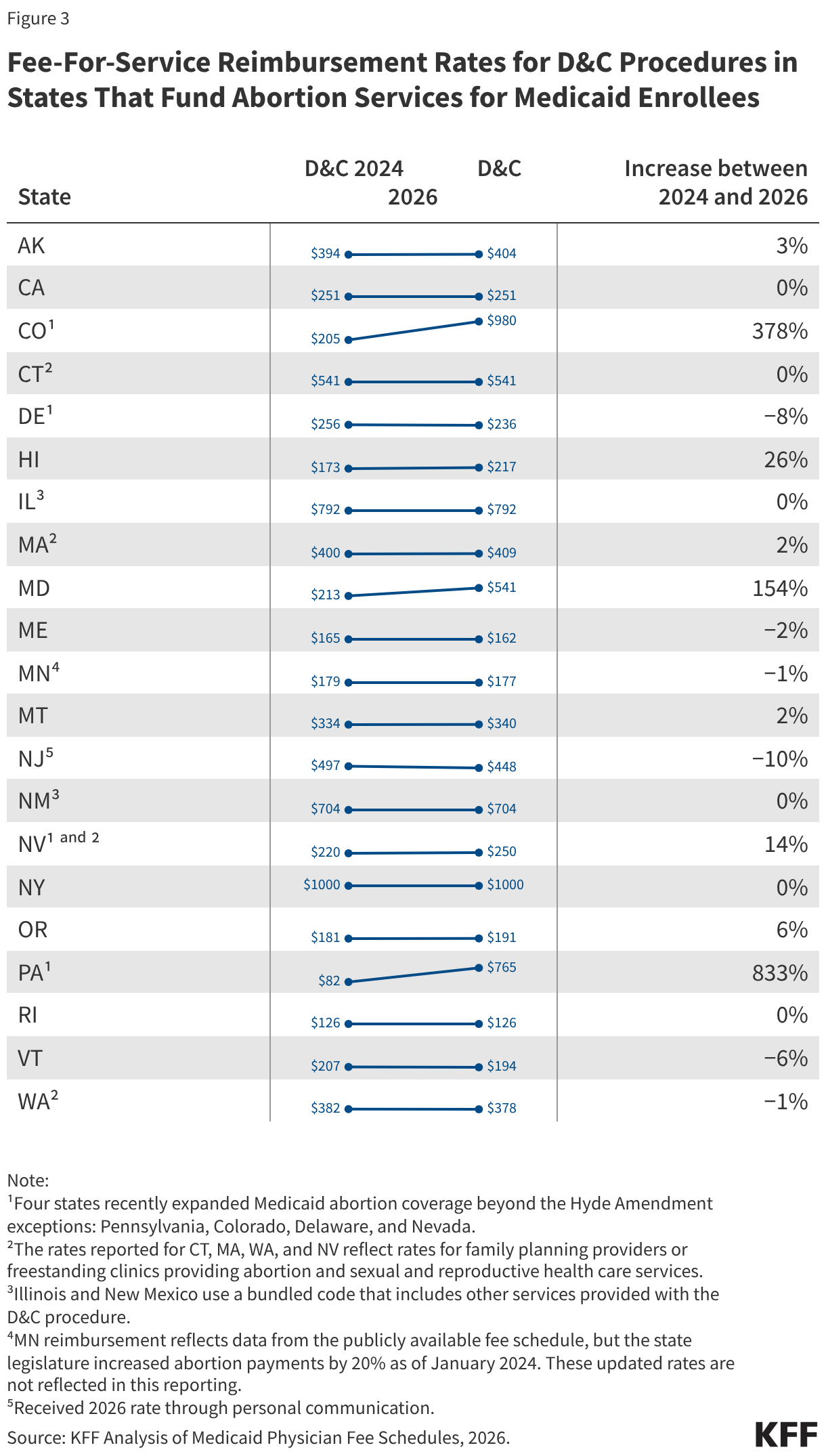
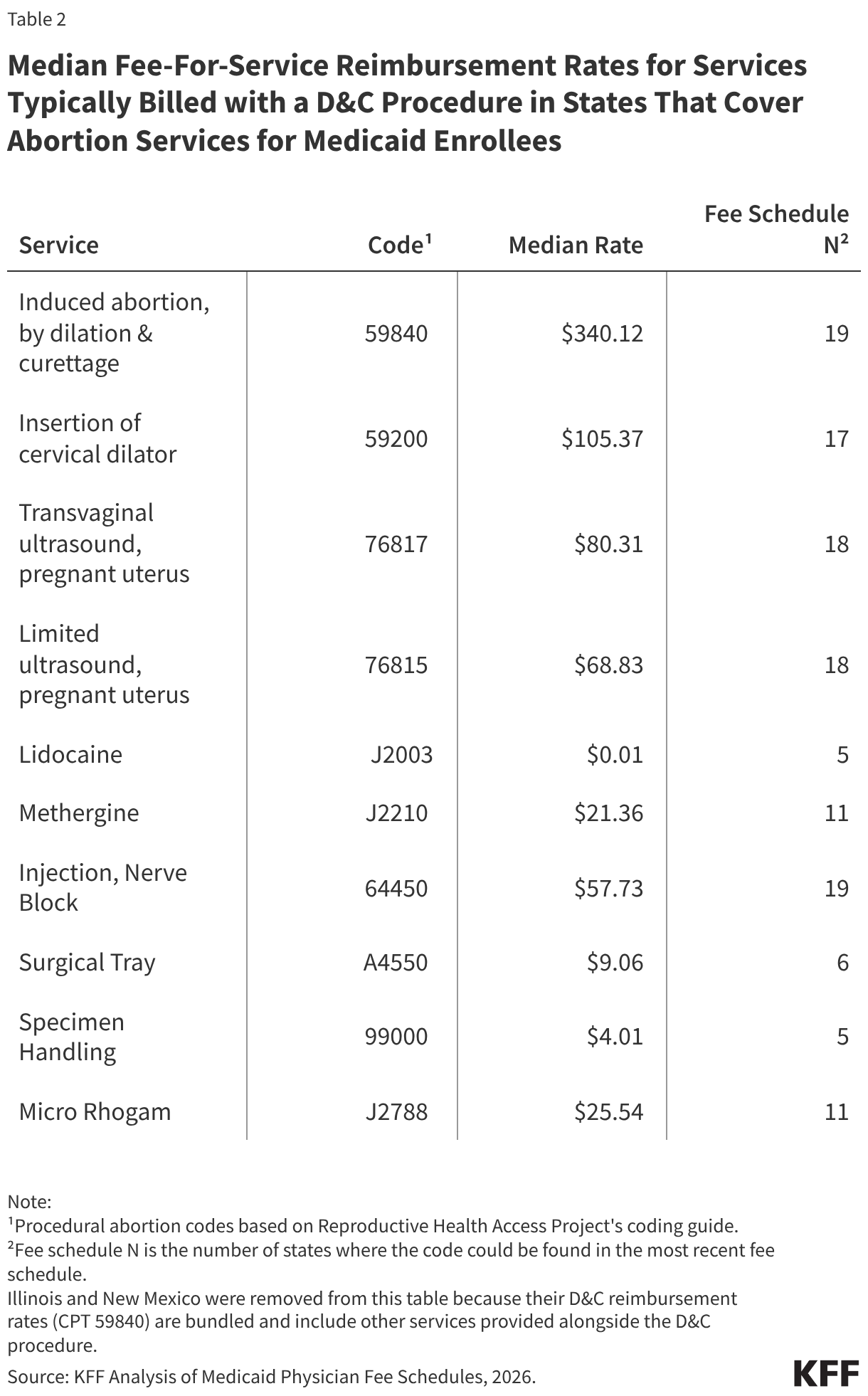
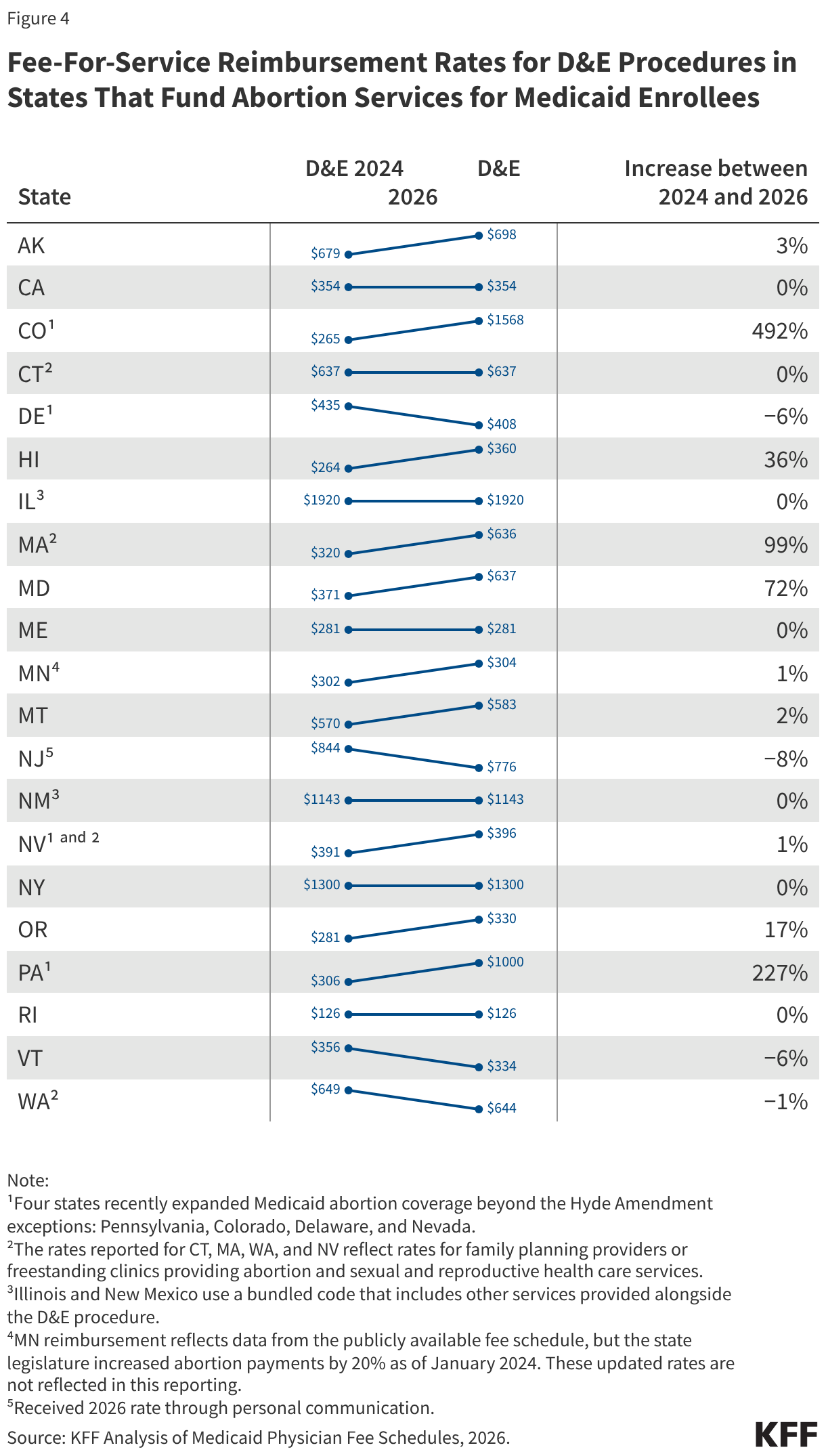
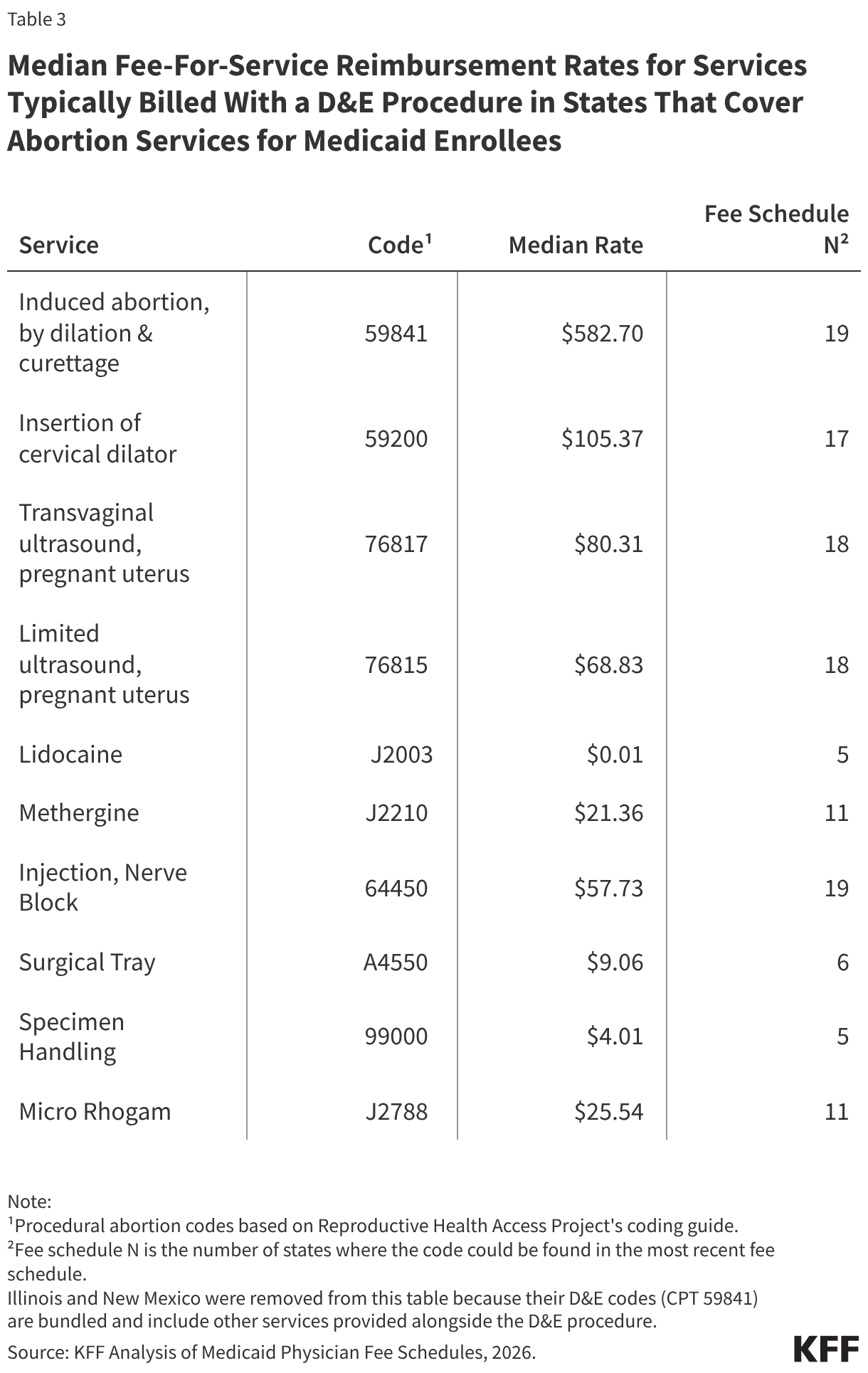
For dilation and curettage (D&C) procedures, the median Medicaid reimbursement is $378. While some states have seen significant increases—notably Pennsylvania’s 833% jump after moving to state-funded coverage—many others remain stagnant. For more complex, second-trimester dilation and evacuation (D&E) procedures, the median rate is $636.
Crucially, the reimbursement gap between early-term and later-term procedures is often negligible. In states like Wisconsin and Nebraska, the rates are identical. This creates a "financial cliff" for providers: because D&E procedures are more medically complex and resource-heavy, providing them at the same rate as a D&C procedure is a guaranteed financial loss. Consequently, many providers are forced to stop offering second-trimester care, further narrowing the window of time patients have to access an abortion.
Official Responses and Regulatory Challenges
The response from the Centers for Medicare and Medicaid Services (CMS) has been scrutinized in light of the 2025 GAO findings. The report highlighted that many state Medicaid programs were failing to cover essential medications despite federal mandates. While some states have responded to the post-Dobbs climate by raising rates, these increases are rarely keeping pace with medical inflation.
In many cases, the lack of transparency is the primary culprit. For instance, several states do not publicly publish their fee schedules for ancillary services like ultrasounds or nerve blocks. When these are not bundled into a global fee, providers are left guessing whether they will be reimbursed for basic medical necessities. This lack of transparency serves as a deterrent to participation in the Medicaid program, as clinics are understandably hesitant to accept patients when the reimbursement landscape is opaque and volatile.
The Broader Implications for Reproductive Equity
The implications of these financial barriers extend far beyond the clinic walls.
1. The Erosion of the Safety Net
For patients in Hyde-restricted states, the out-of-pocket cost is the primary barrier to entry. Surveys suggest that 82% of patients in these states pay entirely out of pocket. As these individuals struggle to gather funds, they are often forced to delay their procedures, pushing them into later stages of pregnancy where the cost of care—and the medical complexity—increases. This creates a vicious cycle where financial inability leads to delays, which in turn leads to higher costs, further deepening the patient’s financial crisis.
2. Operational Costs and Security
Abortion providers face unique overhead costs that distinguish them from standard primary care clinics. In an era of heightened political hostility, clinics must invest heavily in security guards, camera systems, and physical structural reinforcements like bulletproof glass. When Medicaid rates are calculated, these security costs are rarely factored in, yet they are essential for the survival of the practice.
3. Workforce Retention
The combination of low reimbursement and high-stress work environments has created a crisis in the abortion clinic workforce. If a provider cannot cover the costs of their staff and security, the clinic is forced to reduce hours or close entirely. This leads to the phenomenon of "abortion deserts," where even in states where abortion is legally protected, access is effectively denied because there are no providers left who can afford to keep the doors open while serving a predominantly Medicaid-eligible population.
Conclusion: A Call for Policy Reform
The data gathered four years after the Dobbs decision makes one thing clear: the legality of abortion is not synonymous with access. For Medicaid enrollees, access is contingent upon a complex web of reimbursement policies that are currently failing to keep pace with economic reality.
To bridge this gap, policy experts suggest several paths forward:
- Mandatory Inflation Adjustments: States must ensure that reimbursement rates are automatically indexed to medical inflation to avoid the erosion of value over time.
- Bundling Transparency: States should standardize billing codes to include necessary ancillary services, ensuring that providers are not losing money on the "hidden" costs of care, such as ultrasounds and Rh testing.
- Federal Oversight: Enhanced enforcement by CMS is required to ensure that states are not violating the Medicaid Drug Rebate Program requirements, particularly concerning the coverage of medication abortion.
Without meaningful reform, the financial barrier to abortion will continue to act as a de facto ban for low-income populations, rendering the right to choose an empty promise for those who lack the private wealth to pay for their own care. The future of reproductive equity depends not just on the courts, but on the fiscal policies that determine whether or not a doctor can afford to provide the care their patients need.

 Lina Hope