




 Layla Zulfa
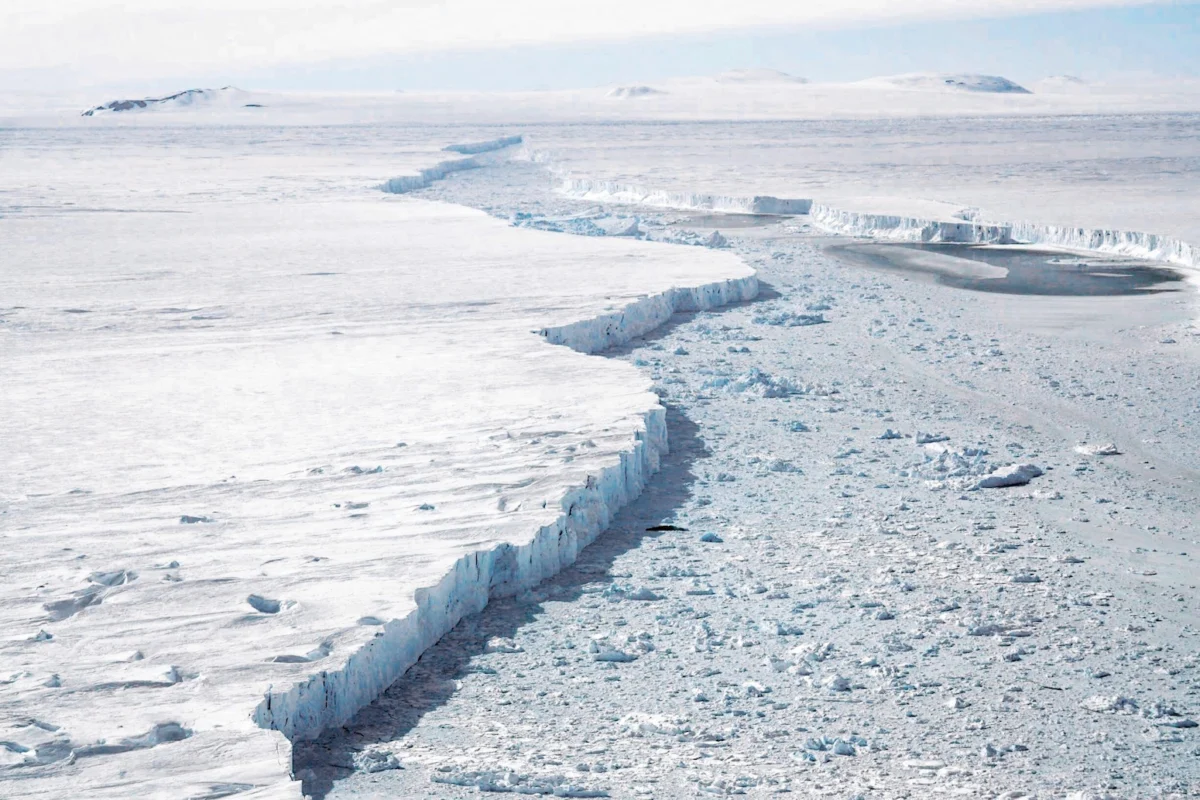
In a stark reminder of the rapidly changing climate at the Earth’s extremes, new data from the US National Snow and Ice Data Center (NSIDC) has confirmed that Antarctic sea ice has recorded its third-smallest winter peak extent since satellite observations began 48 years ago. Simultaneously, the Arctic continues its long-term decline, with this year’s summer minimum tying for the 10th-lowest on record. Together, these figures paint a troubling picture of a cryosphere in transition, leaving scientists grappling with the question of whether these patterns represent natural variability or a fundamental, structural shift in the global climate system.
The Antarctic Winter: A Persistent Deficit
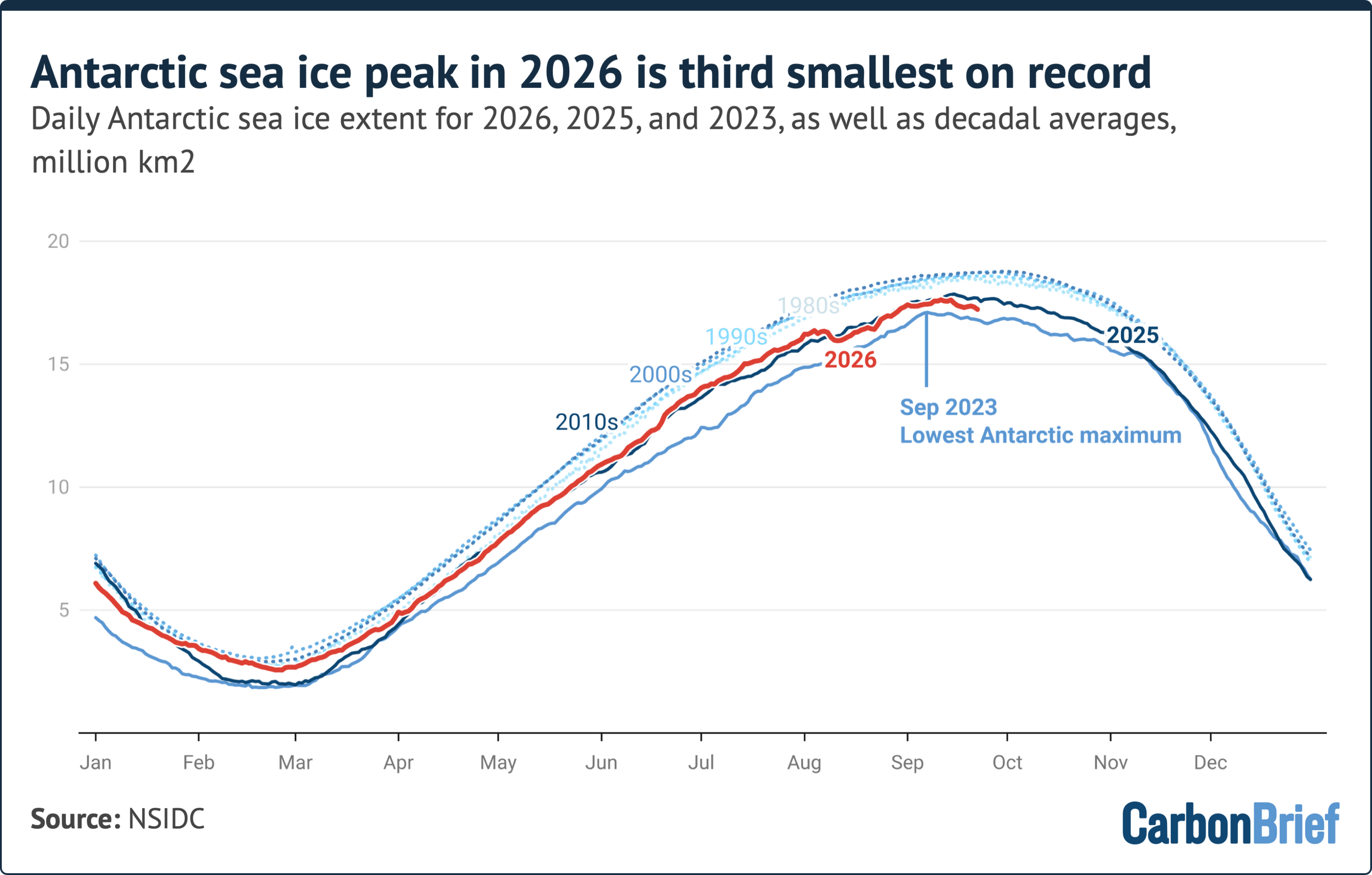
On 14 September 2026, Antarctic sea ice reached its annual winter peak at 17.59 million square kilometres (km²). While this figure is technically preliminary—as the NSIDC notes that large, late-season fluctuations are common—it follows a series of historically low-coverage months that have alarmed the polar research community.
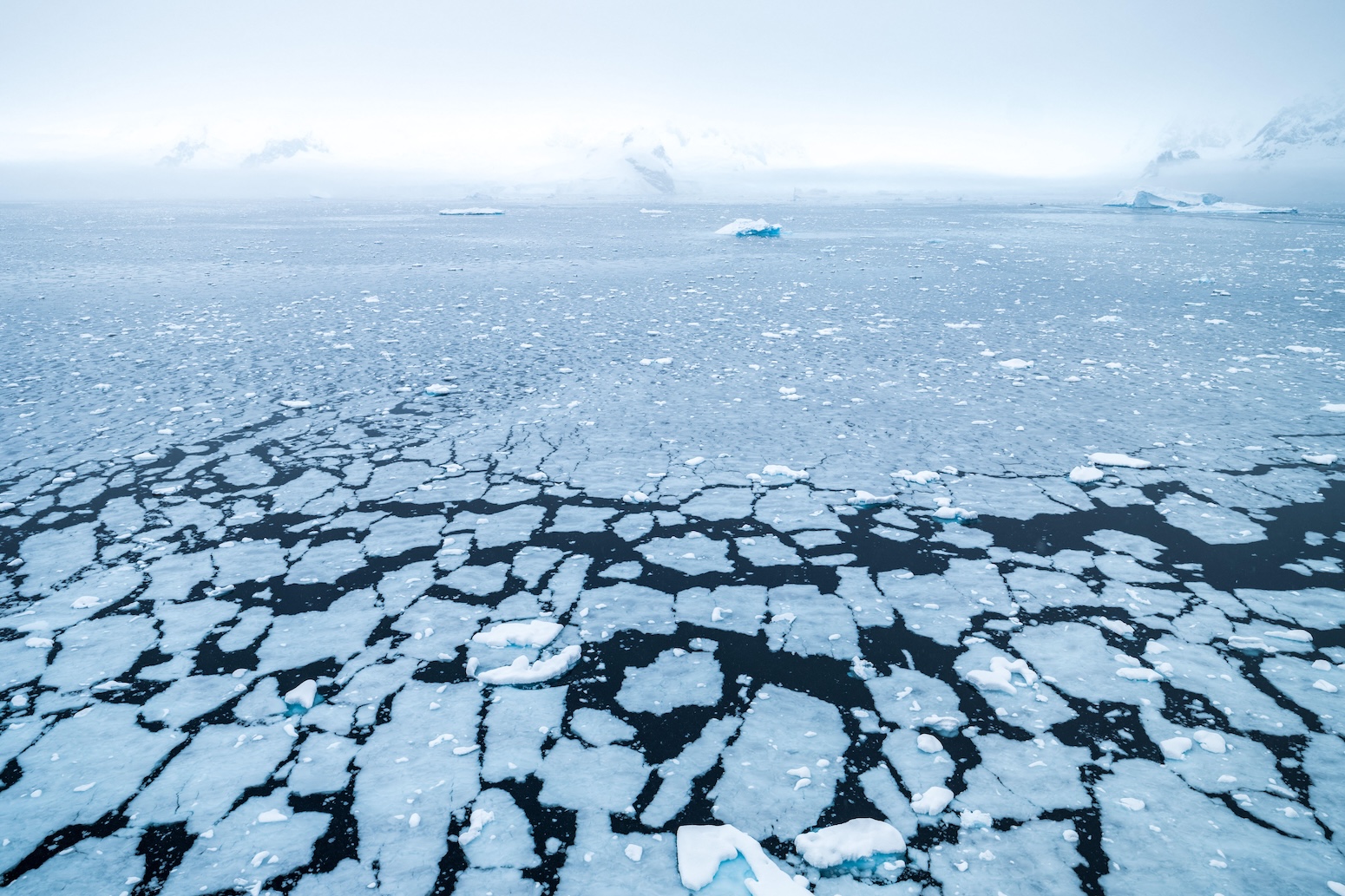
Dr. Lettie Roach, a polar climate scientist at the Alfred Wegener Institute in Germany, describes this year’s maximum as "well below average for the season." For decades, Antarctica was perceived as the more resilient of the two poles, with sea ice extent showing relative stability or even slight increases. That era, according to current data, appears to be in jeopardy.
"After several decades of stable or increasing winter Antarctic sea ice conditions, it is concerning to see these low values persisting," Dr. Roach noted. "Compared with the Arctic, it’s less clear how recent changes in Antarctic sea ice are attributable to human-caused warming versus natural variability. We need more years of observations to better understand whether this is truly a structural shift."
A Chronology of Decline: The Shift Since 2022
The current state of the Southern Ocean is not an isolated anomaly but the continuation of a trend that has accelerated sharply in recent years. Dr. Clare Eayrs, a postdoctoral researcher at the Korea Polar Research Institute (KOPRI), highlights the severity of this shift. Following a "near-average" February minimum, the Antarctic sea ice failed to rebound as expected during the winter growth season.
The statistical evidence is sobering: all five of the lowest recorded July sea ice extents have occurred since 2022. Similarly, all four of the lowest August extents have been recorded since 2023. This rapid succession of record-lows suggests that the Southern Ocean is undergoing a transformation that defies historical precedent.
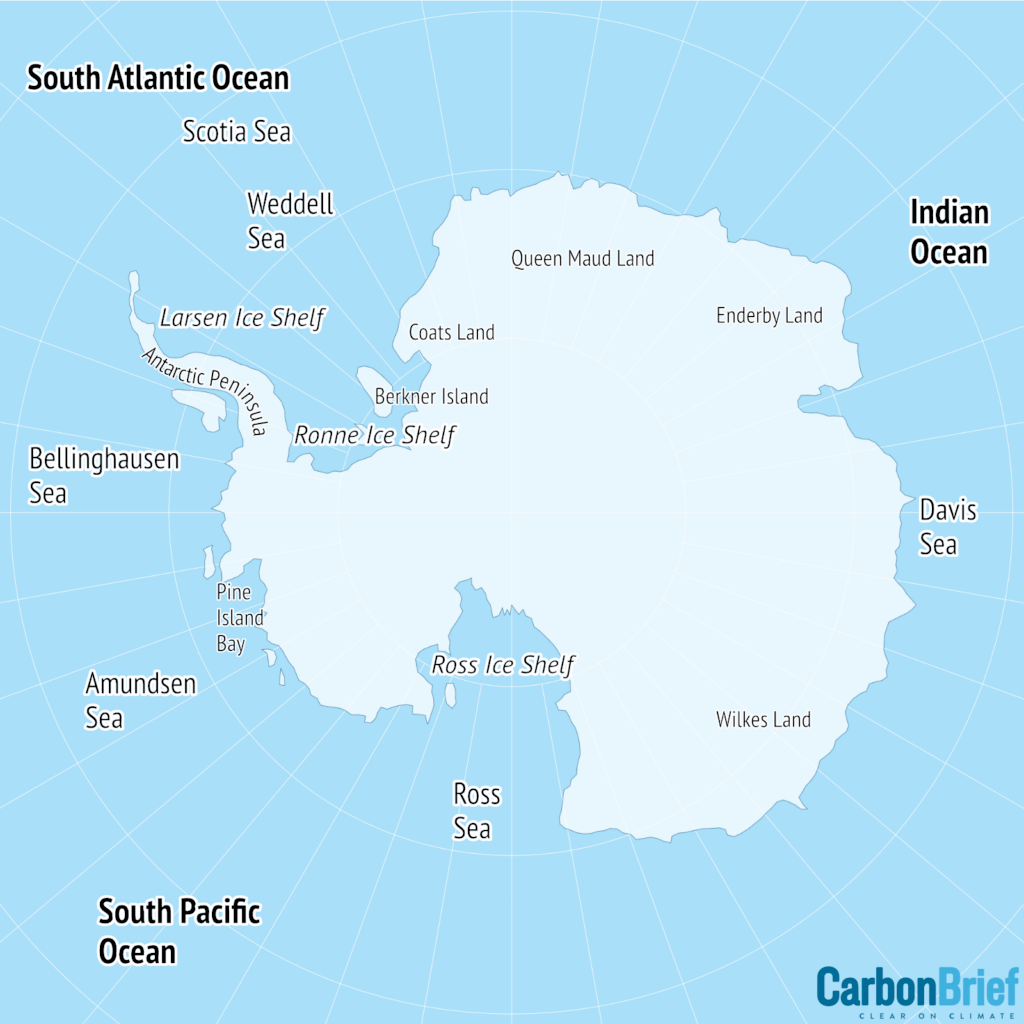
Regional patterns further complicate the picture. During the 2026 growth season, the distribution of ice was highly volatile. In April, for instance, the Bellingshausen Sea remained largely ice-free, while the Amundsen Sea exhibited a surplus. By August, these dynamics had inverted due to shifting atmospheric pressure systems and wind patterns, leaving the Amundsen Sea and large swathes of East Antarctica significantly ice-depleted.
The Arctic Minimum: A Decade of Decline
At the opposite end of the globe, the Arctic reached its summer minimum on 12 September, settling at 4.60 million km². This value ties 2026 with 2025, 2010, and 2008 as the 10th-lowest on record. While this may not be the lowest absolute minimum in history, the broader context is one of unrelenting decline; the last 20 years have seen the 20 lowest sea ice extents ever recorded by satellites.
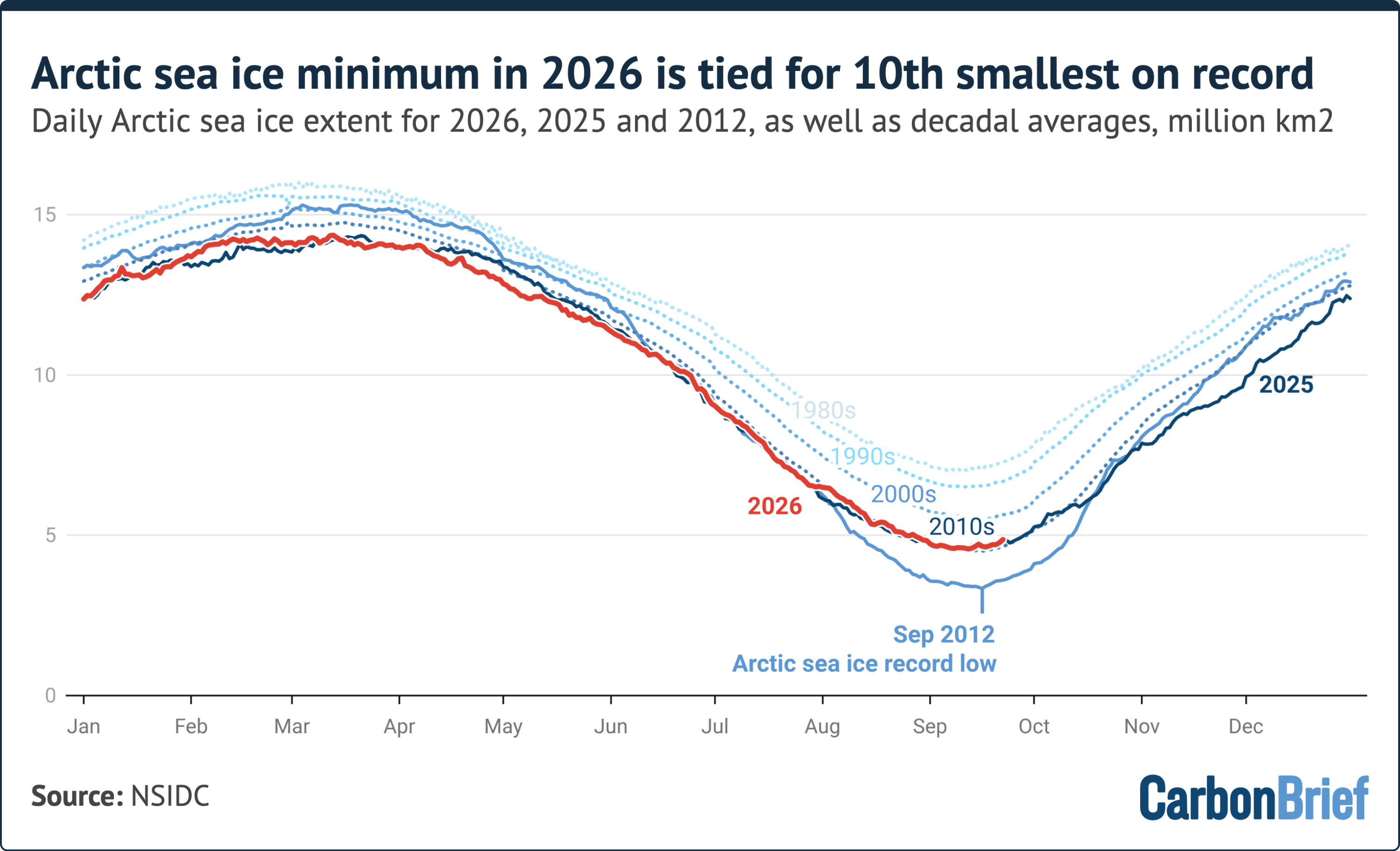
Dr. Zack Labe of Climate Central cautions against interpreting a lack of a "new record" as a sign of recovery or resilience. "Local weather patterns across the Arctic play a really important role in year-to-year sea-ice extent, even as the long-term trend is clearly downward," Labe explained.
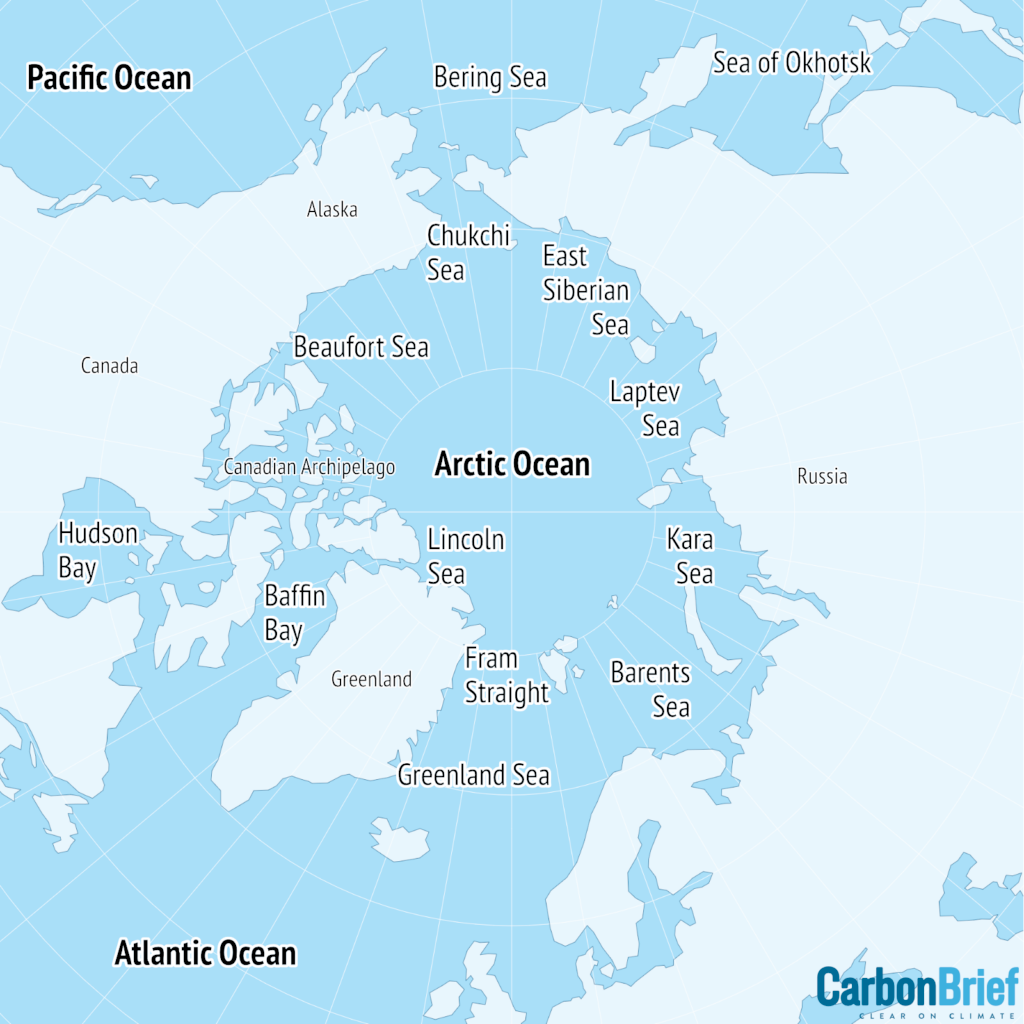
The 2026 Arctic summer was defined by a stark contrast between regions. The central Arctic experienced lower pressure, which brought cloudier and cooler conditions, effectively delaying the melt in areas like the Beaufort and Chukchi seas by over two weeks. Conversely, the Atlantic side of the Arctic suffered a much more extreme season. The Barents Sea saw its earliest "melt-out" on record, fueled by persistent heatwaves—with temperatures in western Siberia peaking at 5°C above the 1981-2010 average—that bled out over the sea ice, accelerating the rate of loss.
The Data Crisis: A Setback for Polar Science
A significant hurdle has emerged in the effort to track these changes. In March 2026, the National Oceanographic and Atmospheric Administration (NOAA) terminated a global air pressure dataset that served as a cornerstone for the Pan-Arctic Ice Ocean Modeling and Assimilation System (PIOMAS).
PIOMAS has been the gold standard for tracking Arctic sea ice thickness since 1979. With its primary data stream severed, the research team behind the model faces a precarious future. Their official statement indicated that finding alternative data sources will require "considerable effort and time," and they remain uncertain if they possess the necessary funding to resume production of the timeseries. This loss of observational capability comes at the worst possible time, as scientists struggle to parse the difference between climate-driven trends and short-term weather-related noise.

Implications: A World Out of Balance
The implications of declining sea ice are profound. Sea ice acts as a global thermostat; its white surface reflects solar radiation back into space, keeping the poles—and by extension, the planet—cool. As the ice retreats, the ocean absorbs more heat, creating a feedback loop that accelerates further melting.
Furthermore, the "fragmentation" of the ice pack, noted by researchers like Dr. Labe, makes the ice more vulnerable to wind and wave action, further accelerating its disintegration. This is not merely a regional environmental issue; it is a catalyst for global sea-level rise and changes in ocean circulation patterns that affect weather systems as far away as the tropics and the mid-latitudes.

As we observe these shifting conditions, the scientific consensus is shifting toward the necessity of more comprehensive data. Reliance on extent alone—the surface area covered by ice—is no longer sufficient. Scientists are now advocating for a greater focus on ice thickness and volume, which provide a more accurate metric of the "health" of the ice pack.
Conclusion: The Path Forward
The 2026 sea ice data serves as a stark warning. While the Arctic and Antarctic are distinct environments governed by different physical processes, both are now showing clear signs of stress under the weight of human-caused climate change. The "structural shift" that researchers are tentatively identifying may well be the new baseline.
As international bodies continue to debate climate policy, the physical reality in the polar regions continues to outpace the political response. Without sustained investment in polar monitoring, consistent global emissions reductions, and a deeper commitment to understanding the complex feedback loops of the cryosphere, the world may soon find itself in a state of rapid, irreversible change. For now, the scientific community remains in a state of alert, watching the margins of our world grow thinner by the year.


 Siti Muinah

 Nila Kartika Wati





