

 Raul Delapena Setiawan
In an era defined by economic volatility, the rising cost of living has become a central pillar of national discourse. From the checkout aisle to the gas pump, inflation has left few corners of American life untouched. However, new data from the 2026 KFF Women’s Health Survey reveals that the most acute and dangerous impact of these financial pressures is being felt within the doctor’s office.
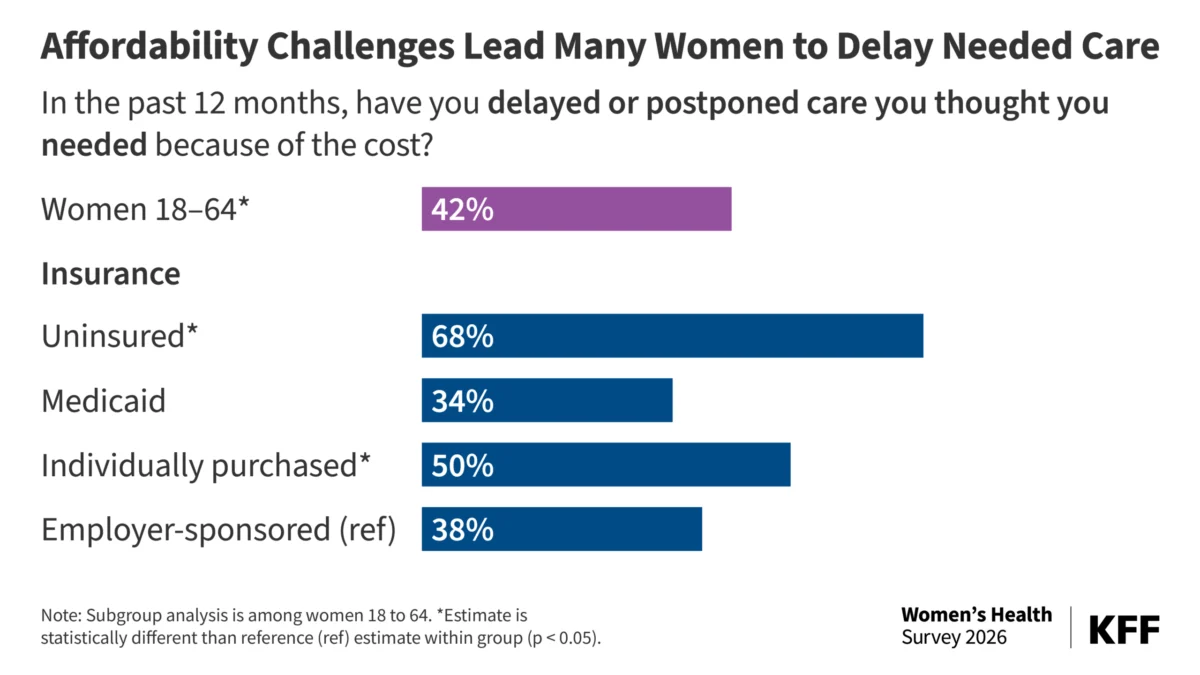
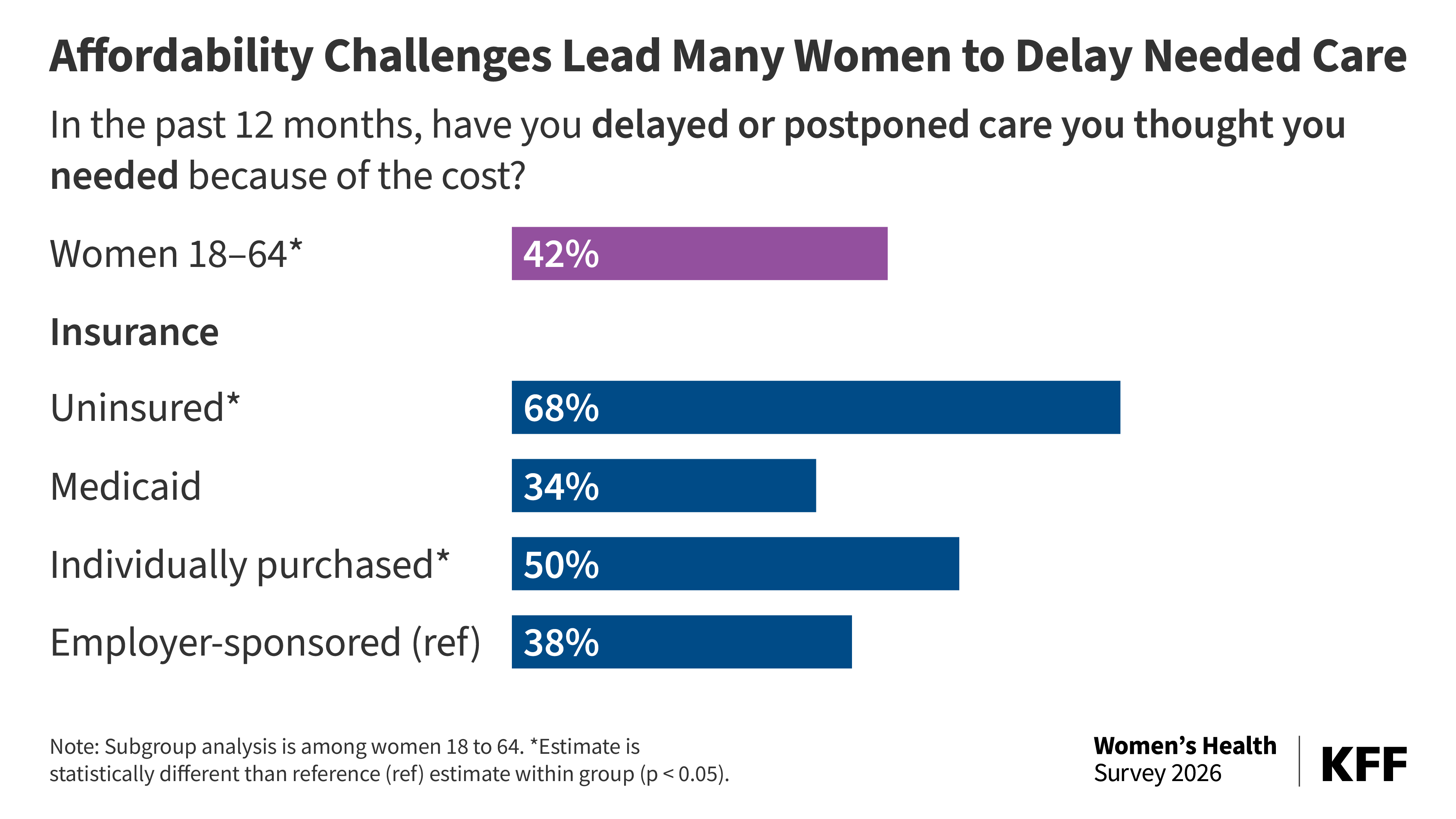
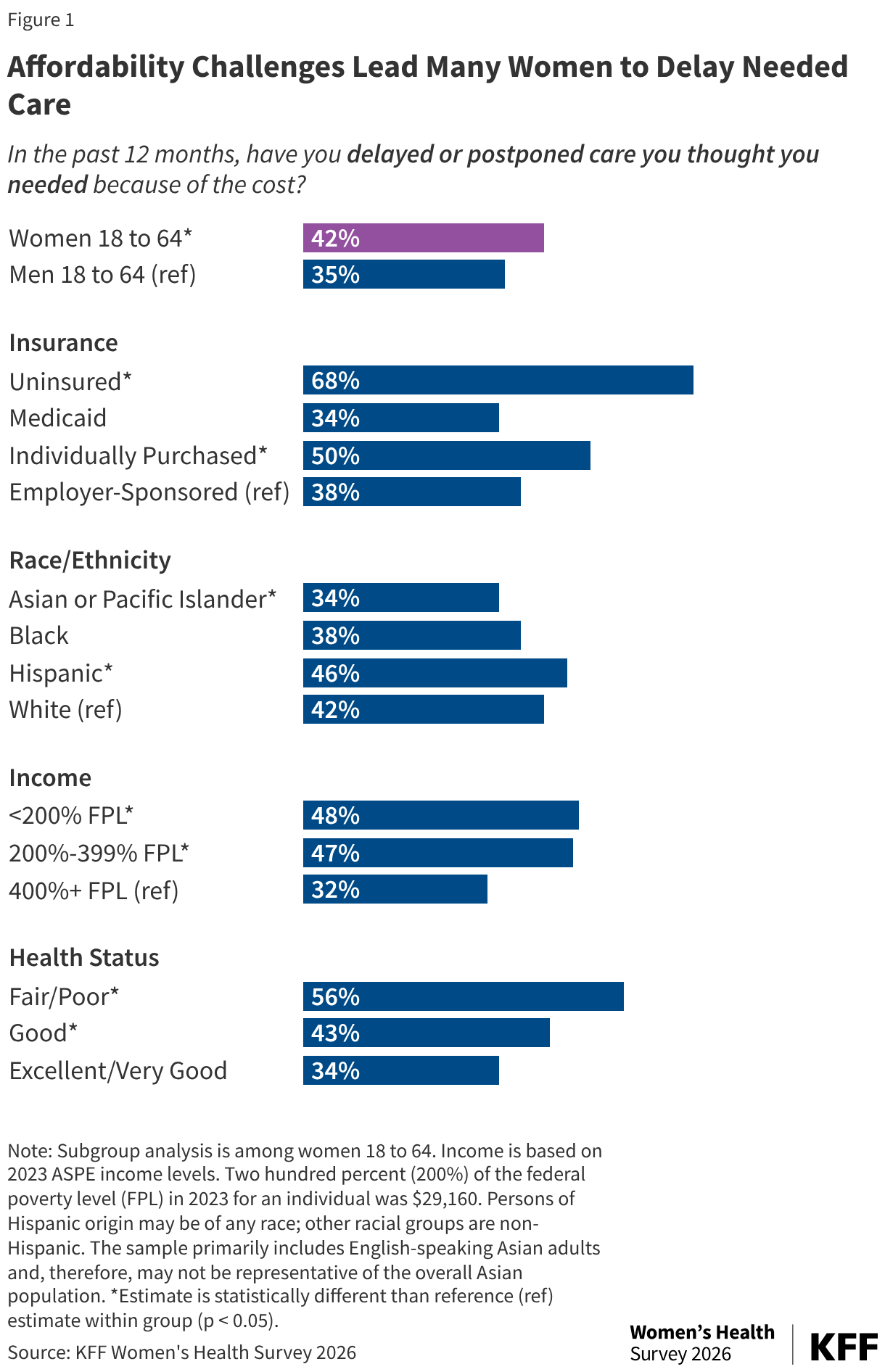
A staggering 42% of women between the ages of 18 and 64 report that they have delayed or completely postponed necessary medical care in the past year due to prohibitive costs. This finding highlights a widening chasm between the promise of modern medicine and the reality of access, with women bearing a disproportionate burden of the financial strain that now threatens to undermine public health outcomes nationwide.
The Anatomy of a Health Care Crisis: Main Facts
The 2026 KFF survey, which provides a comprehensive, nationally representative look at the health care landscape, paints a grim picture of American households navigating a "pay-to-play" health system. While men also face significant hurdles, the data suggests that women are uniquely vulnerable.
The core of the issue lies in the intersection of systemic gender inequality and the rising costs of medical services. Women, on average, earn lower wages, possess fewer financial assets, and accumulate less wealth than their male counterparts. Compounding this is the fact that women utilize the health care system at higher rates than men, primarily due to reproductive health needs and higher rates of chronic conditions.
According to the findings, the ripple effects of these costs are pervasive:
- Delayed Care: 42% of women reported skipping care they knew they needed.
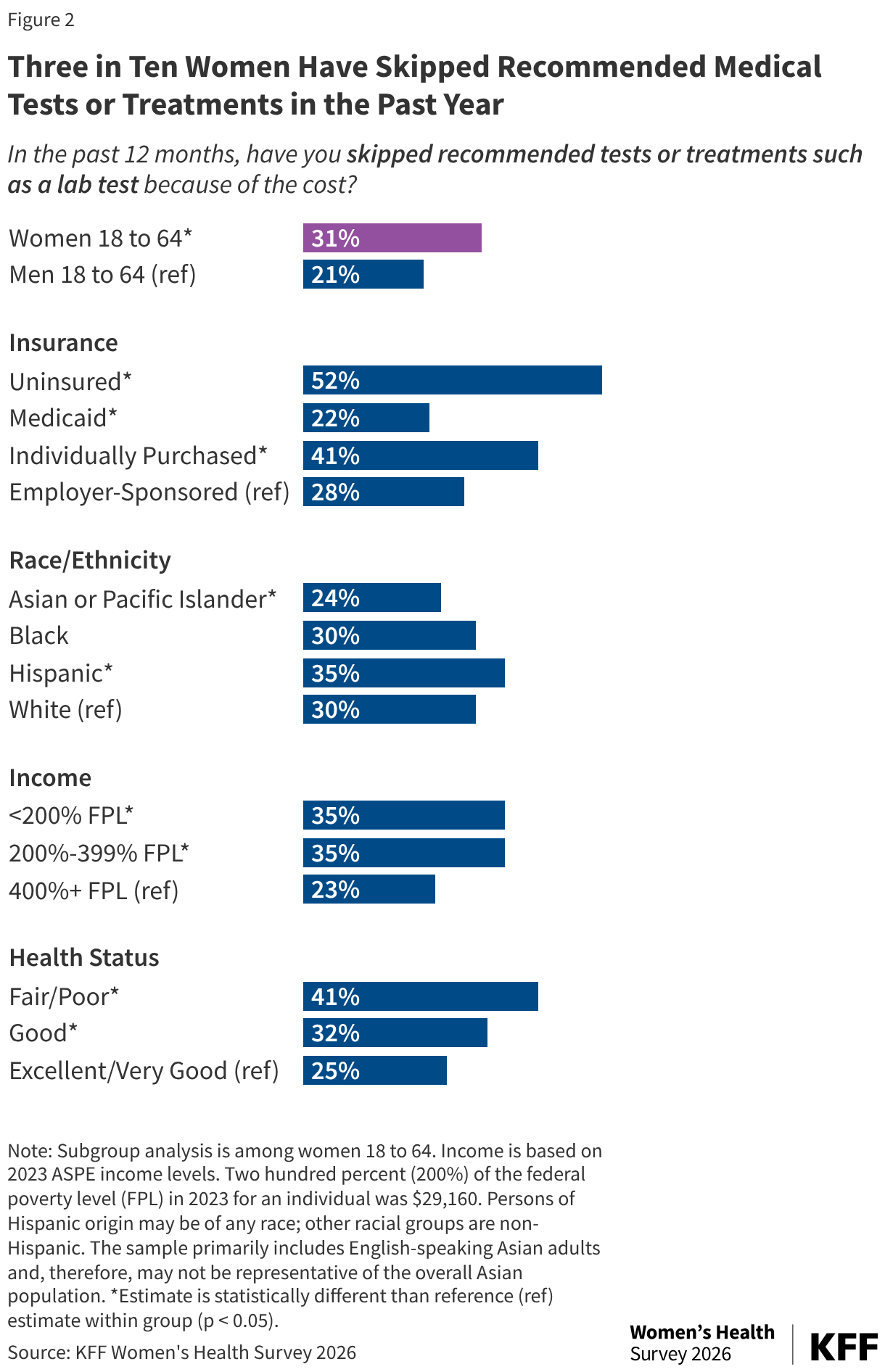
- Skipped Diagnostics: 31% of women bypassed recommended tests or medical treatments.
- Prescription Gaps: 27% of women reported failing to fill a prescription, while 17% resorted to cutting pills in half or skipping doses to stretch their supply.
These are not merely inconveniences; they represent a fundamental erosion of preventive care, which experts warn will lead to more expensive, emergency-based interventions in the long term.
A Chronology of Declining Access
The current crisis did not emerge overnight. To understand the gravity of the 2026 findings, one must look at the recent trajectory of American health care policy and economic shifts.
Early 2024: As the post-pandemic economic landscape settled, high inflation rates began to strain family budgets. Early reports from organizations like the Kaiser Family Foundation (KFF) began noting a shift in consumer behavior, with health care expenses moving to the top of voter concern lists.
Late 2024 to 2025: Economic pressures continued to mount. The expiration of certain pandemic-era protections and the ongoing fluctuation of ACA (Affordable Care Act) marketplace tax credits created a sense of instability for millions of Americans. During this period, reports of insurance premiums spiking and "narrow network" provider lists began to dominate insurance-related consumer complaints.
March 11 – April 14, 2026: KFF conducted its comprehensive Women’s Health Survey, capturing a snapshot of the health care experience for 4,688 women. This period followed a year of continued insurance premium hikes and the implementation of new federal policy changes regarding Medicaid, which significantly altered the landscape for the nation’s lowest-income earners.
Mid-2026: The release of this data marks a critical turning point in the conversation, as it confirms that the "affordability gap" is no longer just a problem for the uninsured, but a pervasive issue for those with employer-sponsored and individual insurance plans alike.
Supporting Data: The Myth of "Full Coverage"
One of the most startling revelations from the survey is that insurance coverage is no longer the shield it was once presumed to be. The data challenges the assumption that having a health plan guarantees access to care.
Even among those with coverage, the financial barriers remain high:
- Individually Purchased Plans: 50% of women with these plans reported delaying care due to cost, often driven by high deductibles and the out-of-pocket costs associated with narrower provider networks.
- Employer-Sponsored Plans: 38% of women in these plans—long considered the "gold standard" of coverage—reported skipping needed care.
- Medicaid: Surprisingly, 34% of women covered by Medicaid reported delaying care. While Medicaid is intended to minimize out-of-pocket expenses, even nominal co-payments can create a significant hurdle for those living at or near the federal poverty level.
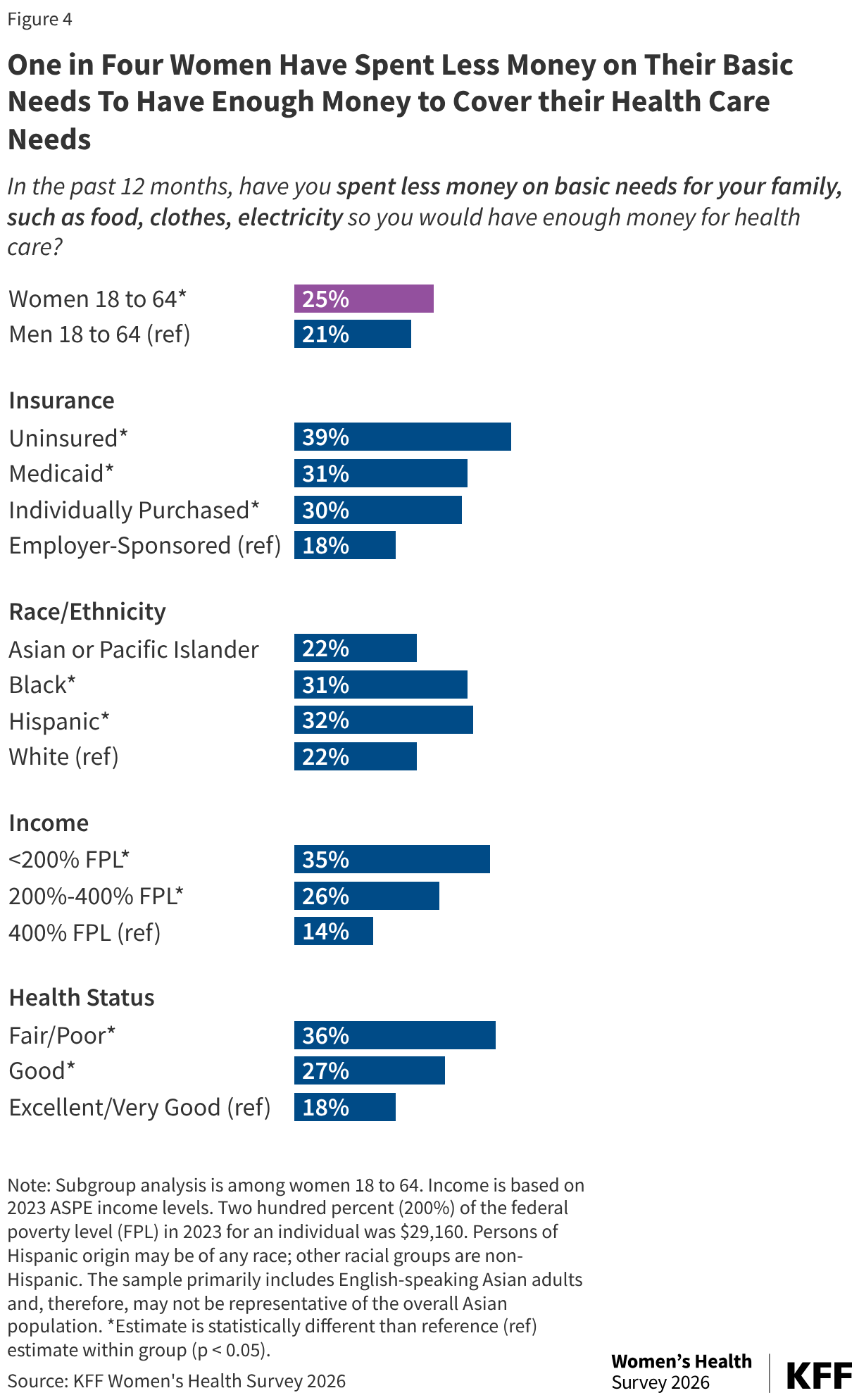
The data also reveals a stark disparity based on race and socioeconomic status. Hispanic and Black women, as well as those with lower incomes, are significantly more likely to report that they have sacrificed basic needs—such as food, electricity, or clothing—to prioritize health care spending. This "trade-off" phenomenon, reported by 25% of all women surveyed, illustrates the extreme financial stress currently plaguing American families.
Official Perspectives and Policy Context
Public health officials and policy analysts have expressed alarm at the persistence of these barriers. The survey highlights that the issue is not just about the availability of insurance, but the utility of that insurance in a high-cost environment.
"We are seeing a trend where coverage does not equate to access," noted one analyst associated with the research. "When a patient has a $5,000 deductible, for all intents and purposes, they are paying for their care out-of-pocket. That is a massive barrier that effectively prohibits them from seeking medical help until a condition becomes critical."
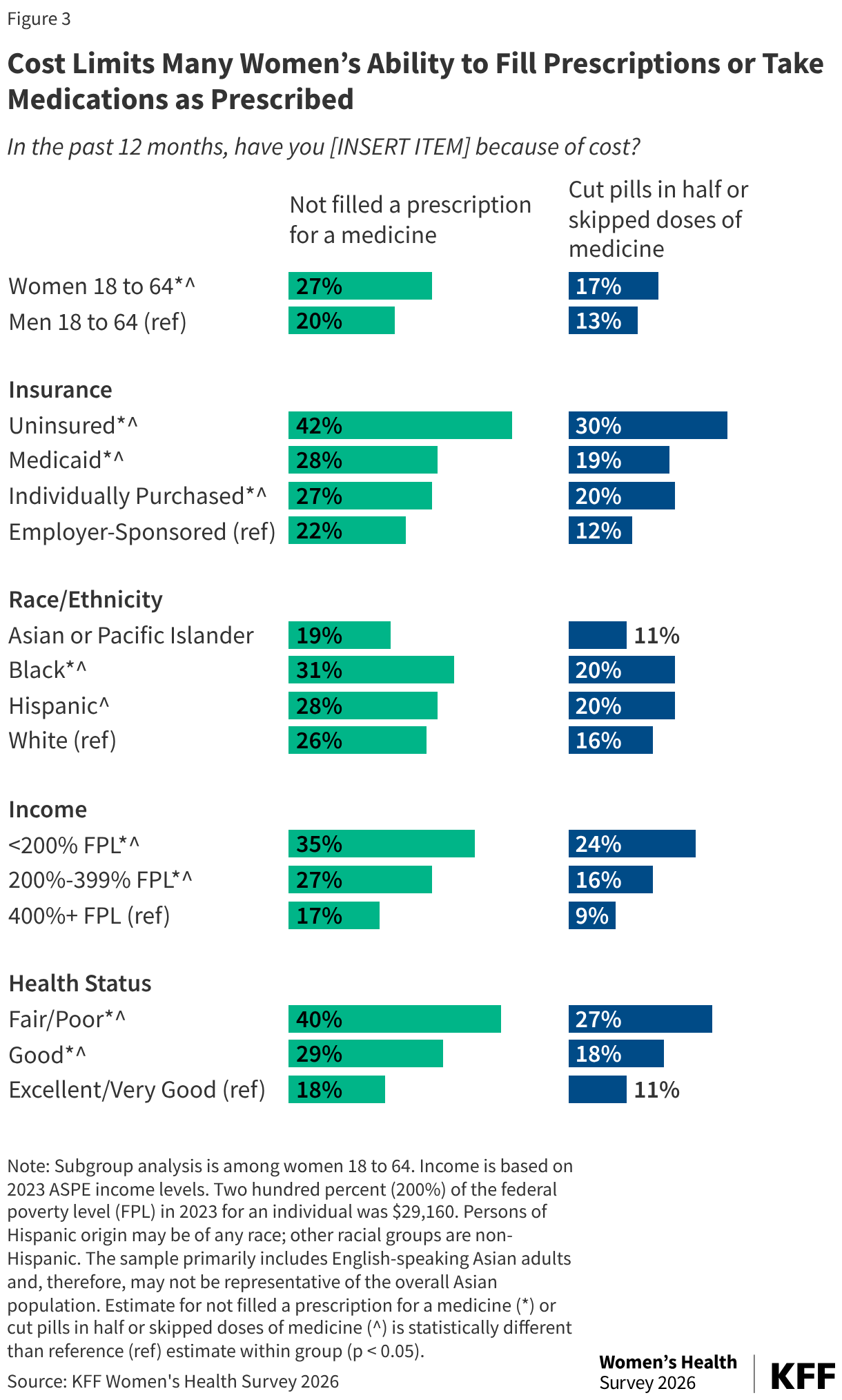
The policy implications are significant. With federal changes to Medicaid and the potential expiration of enhanced ACA tax credits, researchers expect the number of uninsured or under-insured women to rise further. The current environment is forcing a reassessment of what "affordable health care" means in 2026. Experts argue that without structural changes to how out-of-pocket costs are capped, the cycle of deferred care will continue to worsen, leading to a surge in preventable health complications.
The Broader Implications: A Strained Future
The implications of this survey extend far beyond the doctor’s office. When nearly half of the female population in the United States is forced to weigh the cost of a medical appointment against the cost of groceries or electricity, the long-term health of the nation is at stake.
1. The Erosion of Preventive Health
By delaying screenings, tests, and medication, women are at a higher risk of developing advanced stages of treatable diseases. This not only decreases individual quality of life but also places a heavier, more expensive burden on the hospital system when these individuals finally do seek emergency care.
2. The Economic Multiplier Effect
Women make up a vital portion of the workforce. When they cannot access care, they are more likely to experience absenteeism or reduced productivity due to untreated health issues. This creates a feedback loop: health problems reduce earning potential, which further limits the ability to afford health care, reinforcing the cycle of poverty and poor health.
3. A Call for Structural Reform
The survey serves as a clarion call for policymakers to address the specific vulnerabilities of women in the current health care market. Proposed solutions often include strengthening subsidies for marketplace plans, capping out-of-pocket expenses for chronic medication, and expanding Medicaid to ensure that even the most modest incomes are protected from the crushing weight of medical debt.
Conclusion: The Path Ahead
The 2026 KFF Women’s Health Survey serves as a diagnostic tool for the American health care system itself. It reveals a patient population that is resilient but increasingly exhausted by the financial toll of staying healthy.
As political leaders grapple with inflation and the national budget, they must recognize that health care affordability is not just a secondary concern—it is a foundational economic issue. Without decisive action to reduce the burden of deductibles, premiums, and pharmaceutical costs, the divide between those who can afford life-saving care and those who must forgo it will only continue to widen. The findings from 2026 provide a sobering baseline: the time for incremental changes may have passed, and the need for a more equitable, accessible, and truly affordable health care system has never been more urgent.

 Reynand Wu
 Sagoh