




 Neng Nana
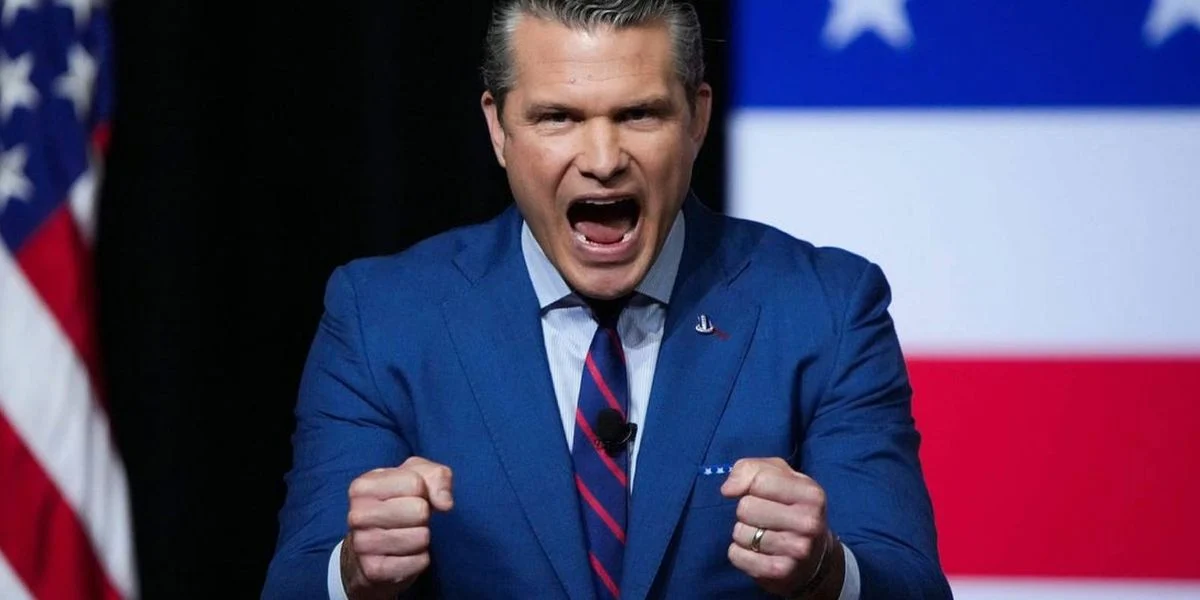
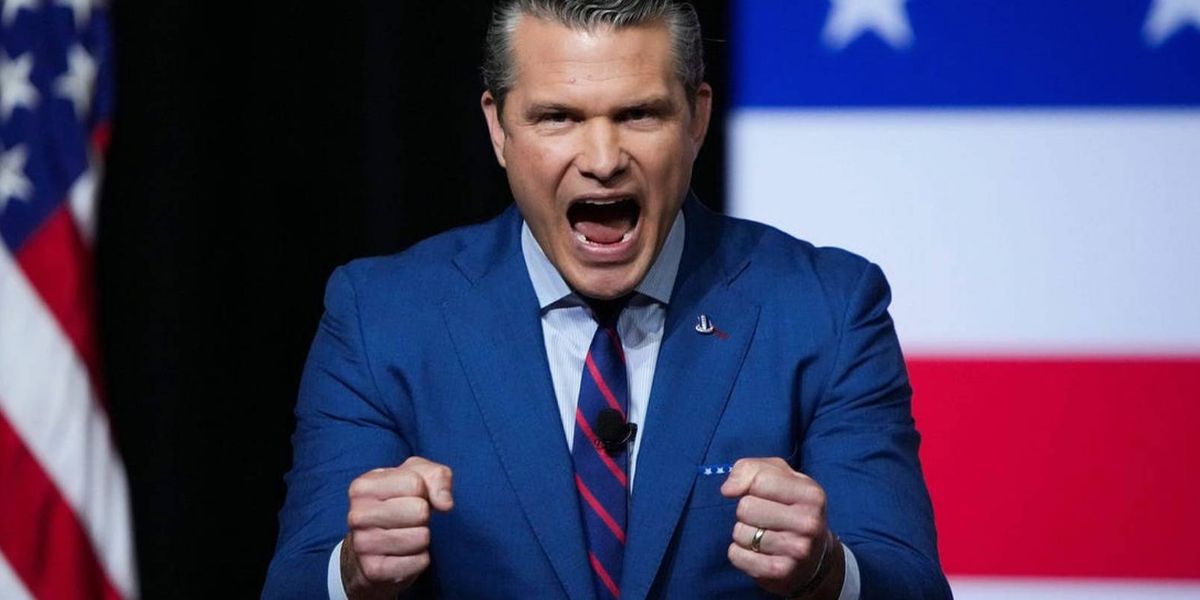
In a series of events that have stunned both Washington’s political establishment and the global defense community, Secretary of Defense Pete Hegseth has initiated a sweeping transformation of the U.S. Armed Forces. Describing his mandate as a departure from a "woke and weak" institution, Hegseth has moved to purge leadership, gut long-standing diversity initiatives, and pivot the military toward an aggressive, hyper-masculine operational posture. His actions, which critics argue represent a "frat-house" recalibration of the Department of Defense, have sparked intense debate over the future of American national security.
The Quantico Mandate: A New Aesthetic of Power
On Wednesday, at the Quantico Marine Corps Base in Virginia, Secretary Hegseth addressed an audience of approximately 600 military personnel, marking his latest attempt to redefine the cultural identity of the U.S. military. Reports from The Wall Street Journal and other outlets suggest that the assembly was meticulously curated. Commanders were instructed to nominate troops meeting specific physical standards—emphasizing height-weight ratios and "impeccable grooming"—to ensure a visual alignment with Hegseth’s vision of a "warrior-first" force.
The event, which included a dawn workout session and a choreographed run through Washington, D.C., was marked by a theatricality rarely seen in the Pentagon. Attendees were issued t-shirts emblazoned with the slogan "This Is War," a branding exercise that critics characterize as "off-off Broadway" production rather than military strategy. Hegseth’s rhetoric, which emphasized the removal of "fatties, trannies, beardos, weirdos, wimps, and radicals," signals an end to the inclusivity mandates of the previous decade.
Chronology of a Controversial Tenure
Hegseth’s rise to the helm of the Pentagon has been as contentious as it has been rapid. A former weekend television host with a background in the National Guard, his nomination required a tie-breaking vote from Vice President J.D. Vance, highlighting the deep partisan divide surrounding his leadership.
- The Initial Purge: Shortly after taking office, Hegseth moved to consolidate power by firing or forcing the resignation of senior military officials deemed "disloyal" or ideologically misaligned. This included a significant reduction in the number of high-ranking generals and admirals.
- The "State of the Force" Address: Last year, Hegseth summoned nearly 800 senior leaders from across the globe to a summit where he announced a 10% force structure cut. The silence that reportedly greeted his call for applause became a defining image of the growing friction between the civilian leadership and the military hierarchy.
- The 20% Mandate: In his latest address, Hegseth doubled down, announcing a 20% reduction in high-ranking personnel. He defended the move as "accountability," a term that critics argue is a euphemism for the systematic removal of institutional knowledge and dissenting voices.
- Academic and Structural Reform: Beyond personnel, Hegseth has targeted the intellectual infrastructure of the military. This includes the elimination of tenure for civilian professors at military academies and the creation of new partnerships with institutions like Liberty University and Hillsdale College to "correct" what he terms "anti-American, DEI-worshiping woke factories."
Supporting Data: The "High-T" Department of War
The intellectual underpinning of Hegseth’s agenda is rooted in a focus on "lethality" and a rejection of diversity, equity, and inclusion (DEI) initiatives. His administration argues that the military must return to a foundational focus on raw combat capability. To this end, he has established several new entities:
- AutoWarCom (Autonomous War Command): A four-star combatant command designed to scale autonomous and robotic warfare.
- Project Meridian: A strategic advisory board featuring tech mogul Elon Musk, former Speaker of the House Newt Gingrich, and Anduril founder Palmer Luckey. The inclusion of individuals with no active-duty military experience has prompted significant backlash from veteran groups and defense analysts, who question the expertise informing the nation’s next war-planning phase.
- Office of Religious Affairs: A newly created department tasked with "strengthening the moral, ethical, and spiritual readiness" of the force. Critics describe this as an attempt to codify a specific religious worldview within a secular, pluralistic military.
Official Responses and Internal Dissent
The backlash against Hegseth’s administration has been widespread. Within the Pentagon, employees have described the atmosphere as one of "paranoia, distrust, and dysfunction." One DOD official characterized Hegseth as "the living embodiment of the Dunning-Kruger effect," noting that his lack of experience at the senior executive level has left the department vulnerable to poor decision-making.
Hegseth has remained defiant, framing the criticism as an assault by "ideological clowns" and "anti-American" media outlets. During his speech, he labeled the free press’s coverage of military morale—including reports of suicide rates on the USS Abraham Lincoln—as "propaganda" and "treasonous." He explicitly stated, "The information space is a battle space," suggesting that the Department of Defense under his leadership will treat domestic dissent with the same intensity as foreign threats.
Implications for National Security
The long-term implications of the Hegseth era are the subject of intense speculation. Observers identify several key risks:
- Hollowing of Institutional Knowledge: By aggressively purging the senior leadership and targeting independent academic voices, the military may lose the capacity for nuanced strategic thinking. Generals, historically the final check on reckless military expansion, are being systematically sidelined.
- The "Frat House" Effect: The focus on aesthetics, testosterone testing, and the performative nature of Hegseth’s "warrior" culture is seen by some as a degradation of military professionalism. Critics argue that the emphasis on "central casting" visuals over substantive capability creates a fragile force structure.
- Ideological Polarization: By aligning the military with specific right-wing academic institutions and religious frameworks, Hegseth risks alienating a broad swath of the American public and the diverse demographic that makes up the modern enlisted force. This could lead to long-term recruitment and retention crises.
- The Risk of "Yes-Men": With the removal of those who have the standing to say "no" to questionable orders, the Pentagon is increasingly becoming an echo chamber for the administration’s most aggressive impulses. The lack of internal friction could lead to catastrophic errors in judgment during future conflicts.
Conclusion: A Legacy in the Making
As the Pentagon shifts toward this new, "patriotic cowboy" model, the divide between the Secretary’s office and the career military officer corps continues to widen. While Hegseth claims to be restoring the "warrior spirit," detractors argue that he is merely dismantling the professional structures that have ensured civilian control and operational excellence for generations.
Whether this era of "subtraction-based" leadership will result in a more lethal, efficient force or a hollowed-out shell of the institution remains to be seen. However, the current reality—marked by purges, performative masculinity, and a confrontational stance toward the press and domestic critics—suggests that the U.S. military is undergoing a fundamental identity crisis that will likely take years, if not decades, to resolve. For now, the "Department of Defensiveness" continues its march, leaving a trail of institutional skepticism in its wake.


 Rifan Muazin

 Layla Zulfa




