

 Asep Darmawan
The 2026 Men’s FIFA World Cup, designed to be the largest and most ambitious sporting event in history, was intended to serve as a milestone for global inclusivity. Instead, a damning 50-page joint report released by the Sport & Rights Alliance and Football Supporters Europe (FSE) reveals a tournament characterized by a profound failure of leadership. Titled “Profit Over People: The 2026 FIFA Men’s World Cup,” the document outlines how FIFA’s pursuit of record-breaking revenue effectively sidelined its own human rights obligations, creating a sanitized, exclusive spectacle that left vulnerable populations, fans, and journalists behind.
As the international football community prepares for the 2027 presidential election, this report serves as a stark indictment of FIFA’s current trajectory, demanding that human rights become the central pillar of the organization’s future governance.
The Disconnect Between Rhetoric and Reality: Core Findings
The 2026 tournament, hosted across the United States, Canada, and Mexico, was the first World Cup conducted under FIFA’s 2017 Human Rights Policy. This policy was supposed to ensure that the tournament would be a space where everyone felt "safe, included, and free to exercise their rights." However, the report highlights a persistent "climate of fear."
According to the findings, the tournament was marred by:
- Discriminatory Visa Policies: Restrictions prevented fans from the Global South and nations targeted by U.S. travel bans from participating.
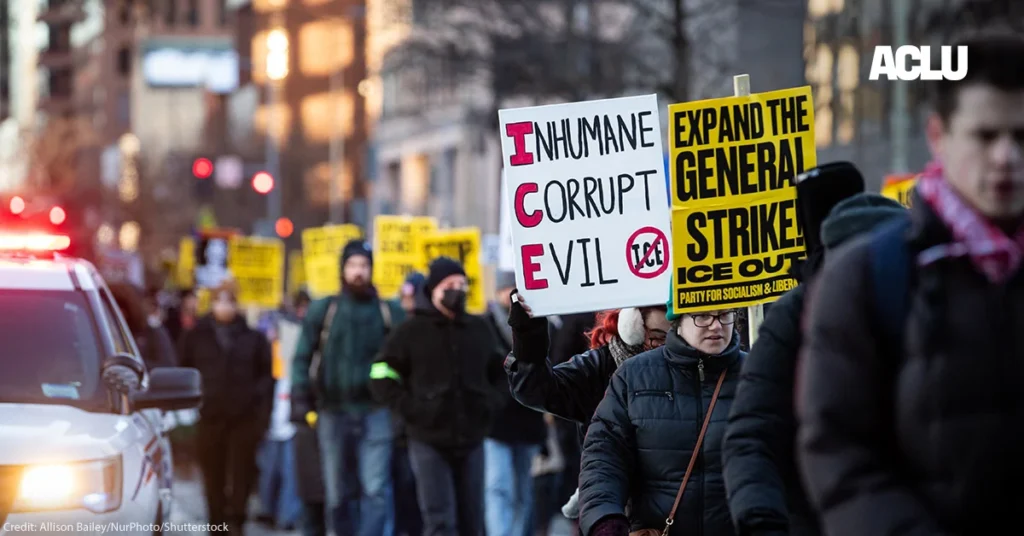
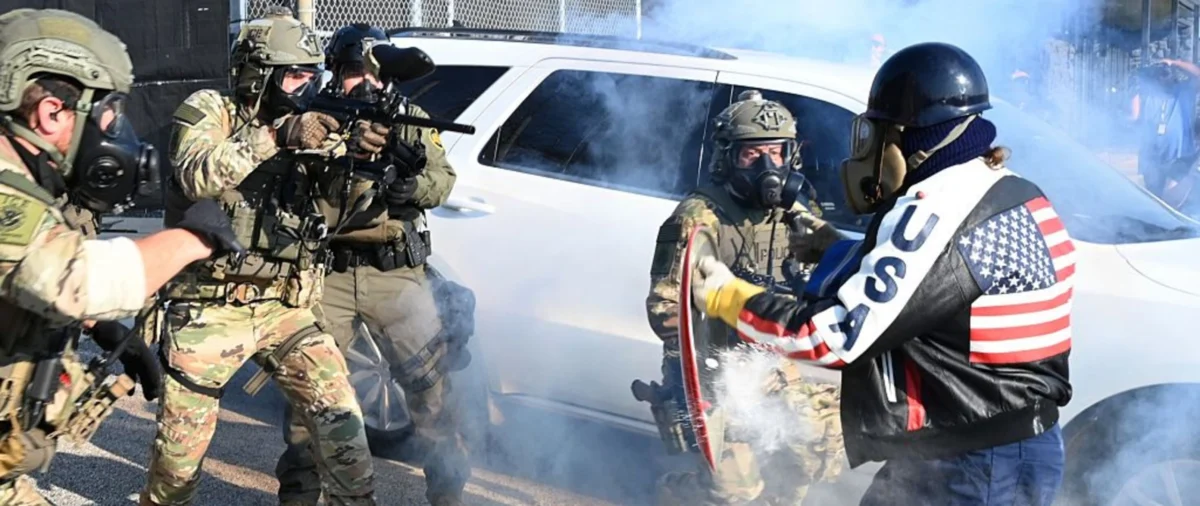
- Aggressive Immigration Enforcement: A surge in ICE (Immigration and Customs Enforcement) activity in the U.S. created an environment of surveillance rather than celebration.
- Accessibility Failures: Sky-high ticket prices and a lack of support for fans with disabilities rendered the games inaccessible to all but the wealthy elite.
- Suppression of Civil Liberties: Protests were blocked, and journalists faced significant barriers to reporting, further exacerbated by FIFA’s opaque accreditation processes.
A Chronology of Controversy: From Bidding to Final Whistle
To understand the scope of the failures, it is essential to trace the tournament’s evolution from its inception to its conclusion.
Pre-Tournament: The Mirage of Inclusivity (2025–Early 2026)
Following the initial bid, FIFA promised a "Human Rights Framework" for all 16 host cities. Despite this, alarm bells were rung early by human rights organizations. By early 2026, over 65,000 people had signed petitions led by Amnesty International demanding that FIFA address the risks associated with the U.S. immigration climate and the potential for civil rights violations. These calls went largely unheeded as the organization focused on finalizing lucrative commercial partnerships.
The Tournament Phase: A Climate of Fear (June–July 2026)
As the tournament commenced, the contrast between the atmosphere inside the stadiums and the streets of the host cities became stark. While matches were underway, internal U.S. policy saw a surge in immigration enforcement. Human Rights Watch documented over 167,000 arrests in host cities in the lead-up to the event. A specific five-day period in late June saw 10,000 individuals taken into custody, casting a long, dark shadow over the "festivities."
The "Peace Prize" Controversy
Perhaps the most symbolic failure cited by the Sport & Rights Alliance was FIFA’s decision to award an unvetted "FIFA Peace Prize" to then-U.S. President Donald Trump. Critics argue that by honoring a leader whose policies directly contributed to the climate of exclusion and division experienced during the tournament, FIFA signaled that its political allegiances lay with powerful governments rather than the human rights of its stakeholders.
Supporting Data: By the Numbers
The report provides a wealth of data to support its claims of systemic failure:
- 167,000: The number of arrests conducted by ICE in and around the 11 U.S. host cities in the lead-up to the tournament.
- 39+: The number of nations affected by U.S. travel restrictions, which disproportionately barred fans from the Global South from attending.
- 10,000: The number of people arrested by ICE during a single five-day stretch in late June.
- 8: The number of players participating in the tournament who were facing active allegations or pending cases involving sexual assault or violence, calling into question FIFA’s safeguarding standards.
- 64th: The position of the United States on the World Press Freedom Index, a drop from 45th in recent years, highlighting the dangerous environment for the media tasked with covering the event.
Official Responses and Stakeholder Perspectives
The report features powerful testimony from leaders across the human rights and sporting sectors, all of whom agree that FIFA prioritized profit over the human element of the sport.
Andrea Florence, Executive Director of the Sport & Rights Alliance, did not mince words:
"For everyone touched by the tournament, access and participation were limited by economic status, nationality, immigration status, disability, gender identity, and sexual orientation. Not only did FIFA fail to use its leverage to uphold human rights obligations, it chose to lift up a government that is actively violating human rights."
Frank Conde Tangberg, Policy Advisor at Amnesty International, highlighted the lived experience of fans:
"The unity and joy we saw on the pitch and in the stands were a world away from the fear and division beyond the stadiums. ICE raids surged, protests were blocked, and discriminatory visa policies kept many fans from enjoying what was billed as ‘the most inclusive World Cup ever.’"
Ronan Evain, Executive Director of Football Supporters Europe, emphasized the elitist nature of the event:
"Supporters were treated as objects to be exploited rather than the heart of the game. When ticket prices are at the highest in World Cup history… you no longer have a global celebration—just an exclusive, sanitized spectacle meant only for the elite."
The Global Impact: Regional Failures
The report makes it clear that the failures were not limited to the United States. In Mexico, law enforcement utilized tear gas against peaceful protesters, and at least two journalists were detained for their reporting. In Canada, host cities saw "street sweeps" that displaced unhoused populations, while the visa rejection rate for Global South applicants remained disproportionately high compared to their Western counterparts.
These regional issues were compounded by FIFA’s lack of transparency regarding its "grievance mechanism." Players, fans, and journalists reported that they were unaware of how to report abuses, meaning the full scale of the harm caused during the 2026 World Cup may never be fully known.
Implications for the Future: A Call for Reform
The 2026 World Cup serves as a cautionary tale for the future of international sports. It demonstrates that as long as governing bodies like FIFA view human rights as a "box-ticking" exercise rather than a foundational requirement, the integrity of the sport will remain compromised.
The Path to 2027
With the 2027 presidential election on the horizon, the Sport & Rights Alliance and FSE are issuing a formal call to action for all candidates. They argue that the next administration must commit to:
- Systemic Governance Reform: Embedding human rights into every level of decision-making, ensuring that host selection is contingent upon proven human rights protections.
- Independent Oversight: Establishing a system of checks and balances that is not beholden to the interests of the FIFA executive leadership.
- Accountability: Creating a transparent, accessible, and independent grievance mechanism for all stakeholders, including players, fans, workers, and the media.
- Prioritizing People over Profit: Moving away from the current model that favors maximum revenue at the expense of accessibility and equality.
Conclusion
The 2026 World Cup was meant to be a crowning achievement for global football, a moment where the world came together in the spirit of sport. Instead, it exposed a FIFA that has become increasingly disconnected from its own stated values. As Andrea Florence noted, the lesson of 2026 is that "human rights risks must shape how tournaments are awarded, planned, contracted, monitored, and delivered."
Whether FIFA will take these lessons to heart remains to be seen. However, the pressure is mounting. The report by the Sport & Rights Alliance and Football Supporters Europe is more than just a document of grievances; it is a blueprint for the fundamental changes required to ensure that the beautiful game does not continue to be played at the expense of human dignity. The next president of FIFA will have to decide whether to continue the path of "profit over people" or to finally hold the organization accountable to the universal standards it claims to uphold.


 Iffa Jayyana

 Ammar Sabilarrohman




