



 Basiran
This coverage is made possible through a partnership between Grist and The Salt Lake Tribune, a nonprofit newsroom in Utah.
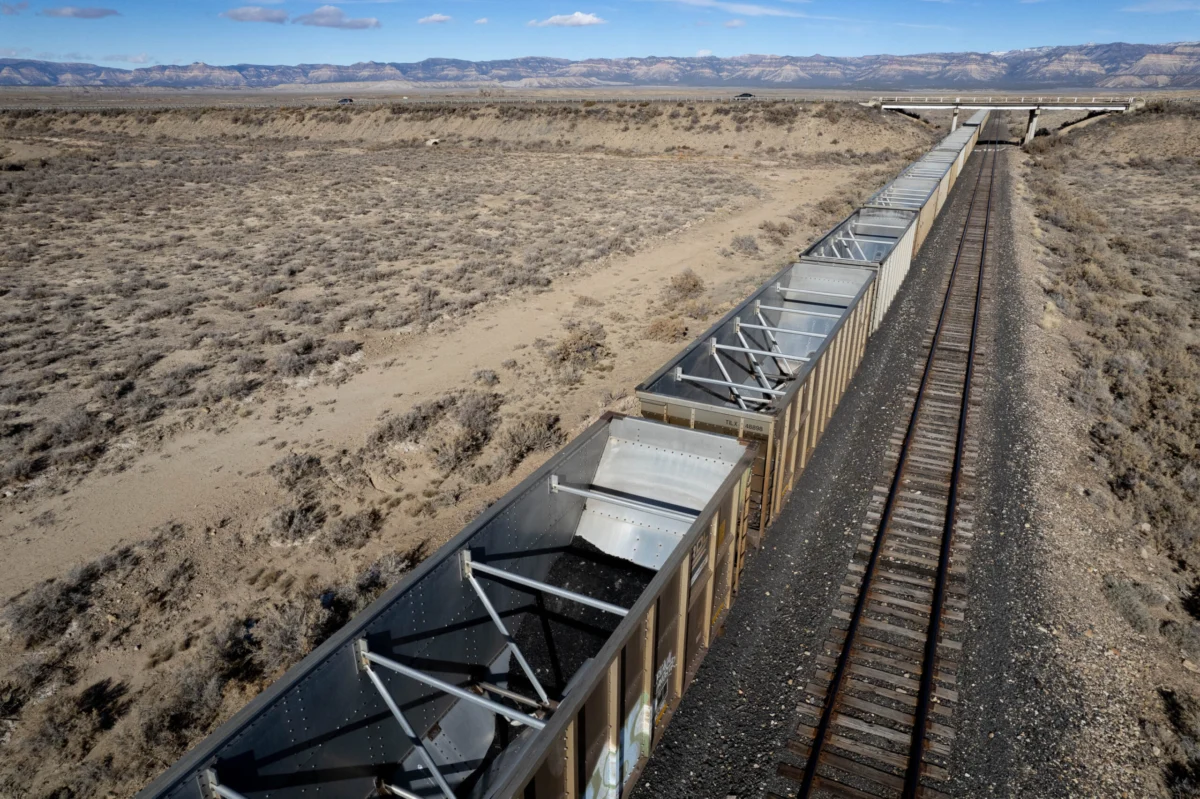
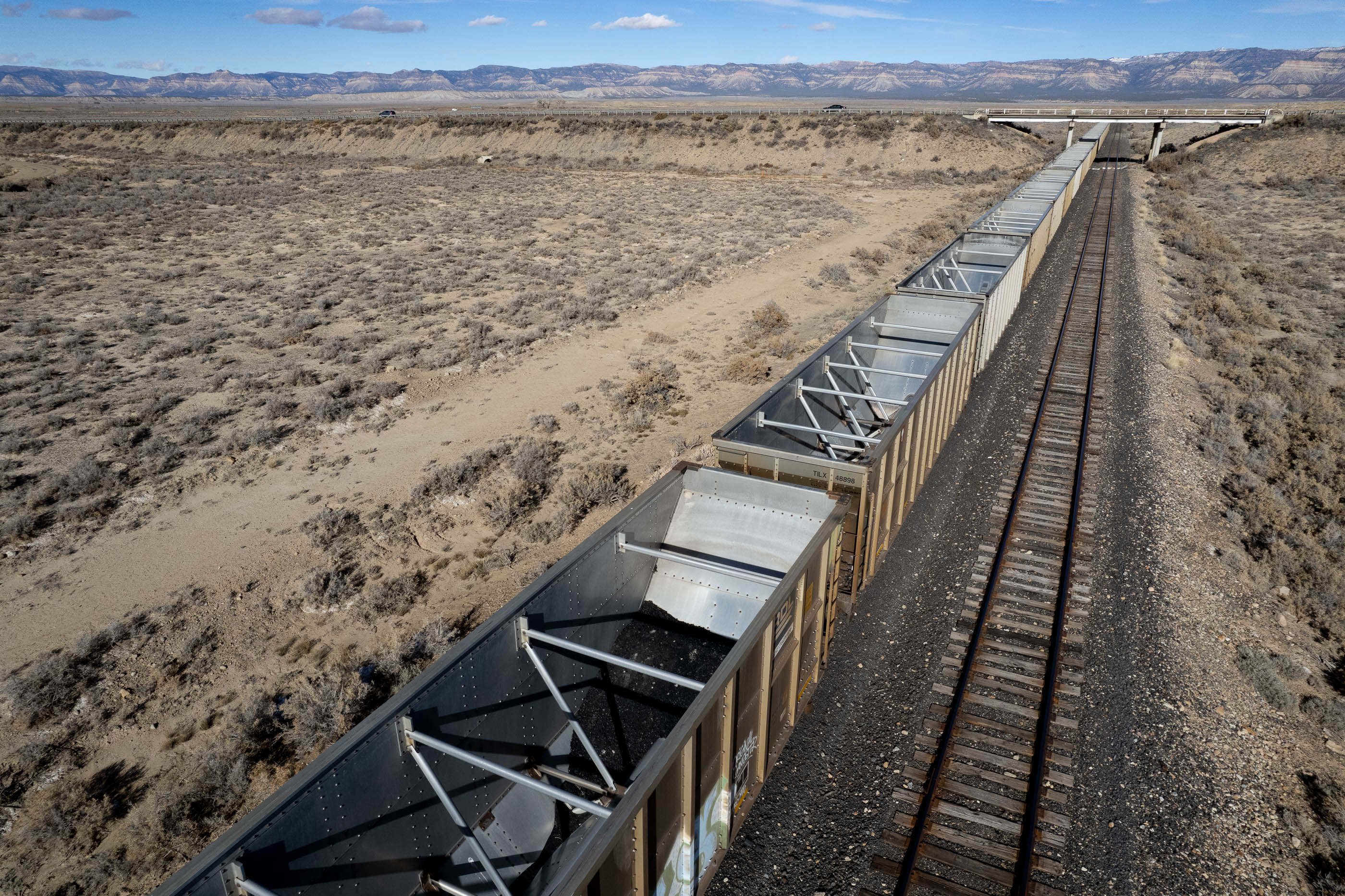
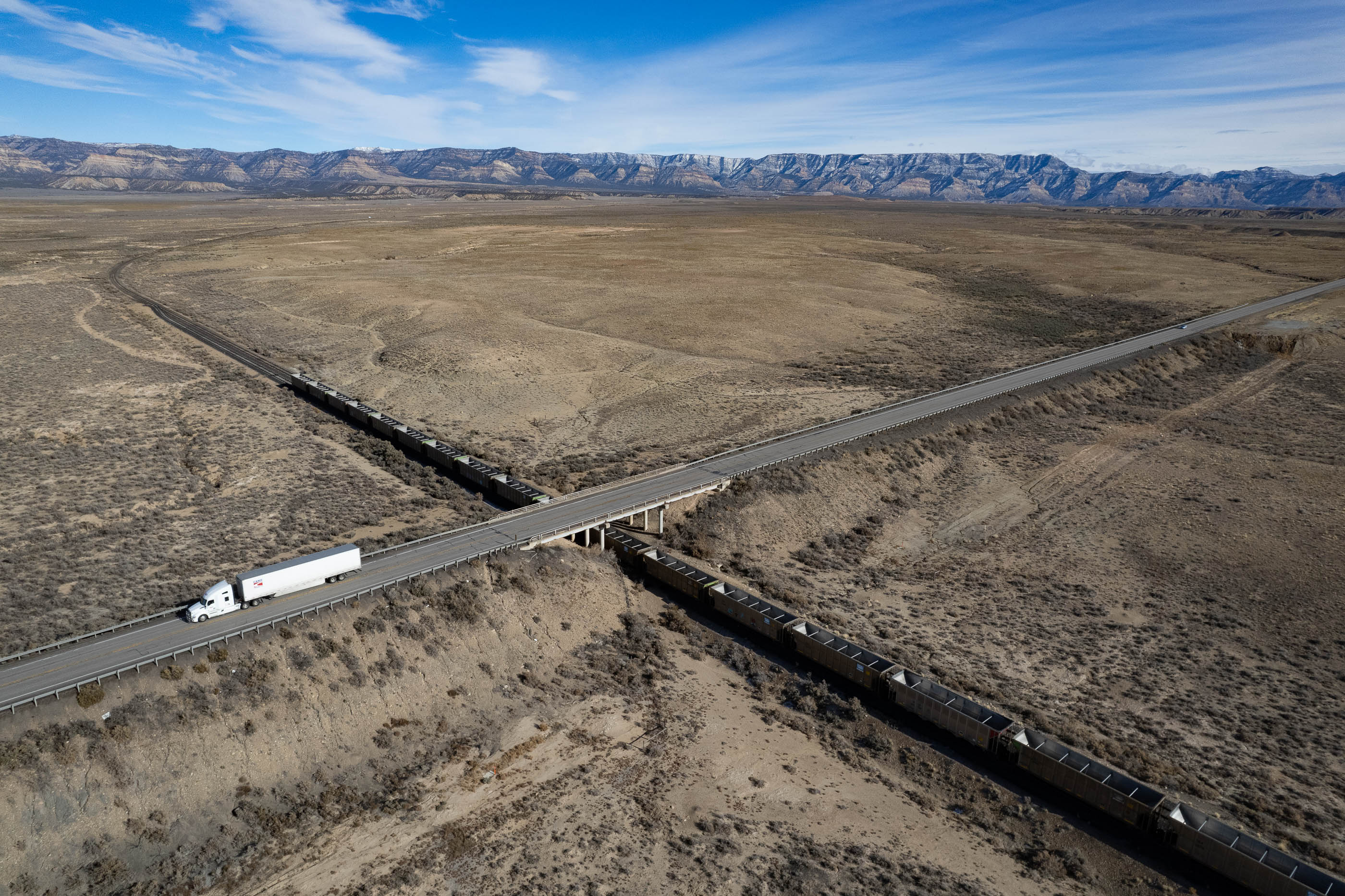
For generations, the residents of Carbon County, Utah, have measured their lives by the rhythm of the coal industry. It was a life defined by extraction: the grit of the mines, the economic boom-and-bust cycles that dictated the local prosperity, and the heavy physical toll of black lung disease, mining accidents, and industrial fires. Today, that era has officially closed—not a single pound of coal has been mined in the county since 2023.
However, the silence left by the departing coal industry is being replaced by the hum of a new, high-tech industrial revolution. As Utah pivots toward artificial intelligence and high-density computing, Carbon County is being positioned as a "power hub" for the future. Yet, for many locals, this shift brings a haunting sense of déjà vu. Instead of coal, they are now facing the arrival of massive, experimental nuclear reactor complexes and sprawling natural gas-powered data centers.
A Chronology of a Shifting Landscape
The decline of Carbon County’s coal industry was not a sudden event, but a steady erosion caused by the rise of cheaper renewables and the depletion of local coal seams. In 2006, the region produced nearly 10 million tons of coal. By 2021, the writing was on the wall. The subsequent shuttering of the mines left a massive economic vacuum that local officials have been desperate to fill.
The current transition began in earnest with the state’s aggressive push to court the tech industry. This culminated in legislative efforts like Senate Bill 132, passed last year, which permits companies with massive energy demands—specifically those requiring 100 megawatts or more—to build their own private, self-contained power generation stations.
The strategy was designed to prevent the strain of massive data centers from crippling the public utility grid. Instead, it triggered a gold rush. Tech developers, struggling to find sufficient electricity to power AI-hungry servers, began eyeing the vast, open tracts of Bureau of Land Management (BLM) and state-owned trust lands in central Utah.
Key developments include:
- The Valar Atomics "Project Beehive": A proposed mega-complex featuring 456 small modular reactors (SMRs). The project, which includes a square mile of state trust land, aims to process uranium, desalinate water, manufacture steel, and refine critical minerals, all while powering a massive data center array.
- The Altigen "Jurassic Spark": A 1,200-acre project east of Wellington that plans to utilize a 250-megawatt natural gas plant, with potential scaling to reach 3 gigawatts of capacity—nearly three-quarters of the entire state of Utah’s current energy consumption.
The Technological Gamble: Unproven Power
The reliance on Small Modular Reactors (SMRs) has become a flashpoint for debate. While supporters view them as the pinnacle of clean, firm energy, critics point out that this technology remains largely untested and unproven for commercial use in the United States.
Valar Atomics, backed by state leaders including Governor Spencer Cox and U.S. Senator John Curtis, has already begun testing its "Ward250" microreactor at the San Rafael Energy Lab in neighboring Emery County. In June, the company announced it had achieved "self-sustaining criticality," a milestone in nuclear fission. Despite this technical success, the regulatory and safety implications of deploying hundreds of these units within miles of residential homes remain a point of deep contention.
Mike Nelson, chair of the Utah Trust Lands Administration board, admitted during a September meeting that the board was navigating uncharted waters. "We weren’t always sure what to ask about," Nelson said, acknowledging that the deal, which grants a 100-year lease to Valar, is a first-of-its-kind arrangement for the state.
Economic Promises vs. Environmental Realities
The economic argument for these projects is clear-cut: the Utah Trust Lands Administration expects the Valar site to generate $35 million in lease revenue over 50 years, with funds earmarked for state schools. For county commissioners, the move is a necessary survival tactic.
"We realize that this topic is a hot button," said Carbon County Commissioner Larry Jensen. "But it’s important that you understand that the Carbon County Commissioners are committed to allowing these things to move forward… the silent majority are the ones that we really represent."
However, local residents like Cindy O’Neil, who tracks these projects, argue that the "table scraps" offered by these corporations are not worth the long-term environmental and health risks. O’Neil, whose husband spent years in the mines, sees a disturbing pattern of community sacrifice. "We’ve had the coal. We’ve dealt, the whole community, with black lung," she said. "They’re setting these things within a couple of miles of homes."
The Heat and Water Crisis
Beyond the radiation fears, environmental scientists and residents are sounding alarms regarding the "heat island" effect. Professor Robert Davies of Utah State University notes that nuclear and gas-fired plants in a contained valley, like the Wellington area, could concentrate heat, worsening local climate conditions.
Aspen Westenskow, a lifelong resident of Carbon and Emery counties, highlights the water issue as a critical concern. In a region that is already "water-strapped," the massive cooling requirements of these data centers—even if closed-loop—pose a potential threat to local agriculture and residential water security. "They go clear all this land, the brush, the trees. What helps cool the planet down? Not flat dirt," Westenskow remarked.
The Culture of Secrecy
A central tension in the current discourse is the use of non-disclosure agreements (NDAs) by developers and local government. Residents claim that information regarding the environmental impact and the specific nature of these operations is being withheld from public scrutiny until the projects are effectively "done deals."
Cheryl Lupo, a local candidate for the county commission, describes the mood among residents as one of desperation and anger. "People are up in arms," she said. "Torches and pitchforks. Because they’re not being heard."
Lupo’s opposition is deeply personal; she believes her mother’s death at age 38 was a direct result of radioactive fallout from Nevada nuclear testing in the 1950s. For families who have lived through the "downwinder" era, the prospect of new nuclear infrastructure is a painful reminder of past government and industrial negligence.
Implications for the Future
As Carbon County stands on the precipice of this industrial shift, the stakes could not be higher. The state of Utah is betting on the idea that high-tech energy and AI infrastructure can replace the coal economy. But as the transition accelerates, the gap between the vision of the state’s political leadership and the lived reality of its residents continues to widen.
If the "Jurassic Spark" and "Project Beehive" initiatives proceed, Carbon County will once again become a test site for experimental energy. The question remains: is the promise of tax revenue and technological modernization enough to compensate for the potential risks to public health, water security, and the character of a community that has already given so much to fuel the nation?
For now, the battle lines are drawn. While commissioners argue that the projects are essential to prevent further economic decline, citizens are increasingly demanding transparency, safety guarantees, and a seat at the table. As O’Neil aptly summarized: "You shouldn’t be hiding what you and the company are going to bring to a community, and not tell the community until it’s too late."
The transition in Carbon County is not merely an economic shift—it is a struggle for the future of rural life in an age of insatiable digital demand. Whether this new chapter will lead to a revitalized local economy or a repeat of past industrial injustices remains to be seen, but one thing is certain: the residents of Carbon County are no longer willing to be silent observers in their own backyard.


 Evan Lee Salim

 Asep Darmawan






