




 Evan Lee Salim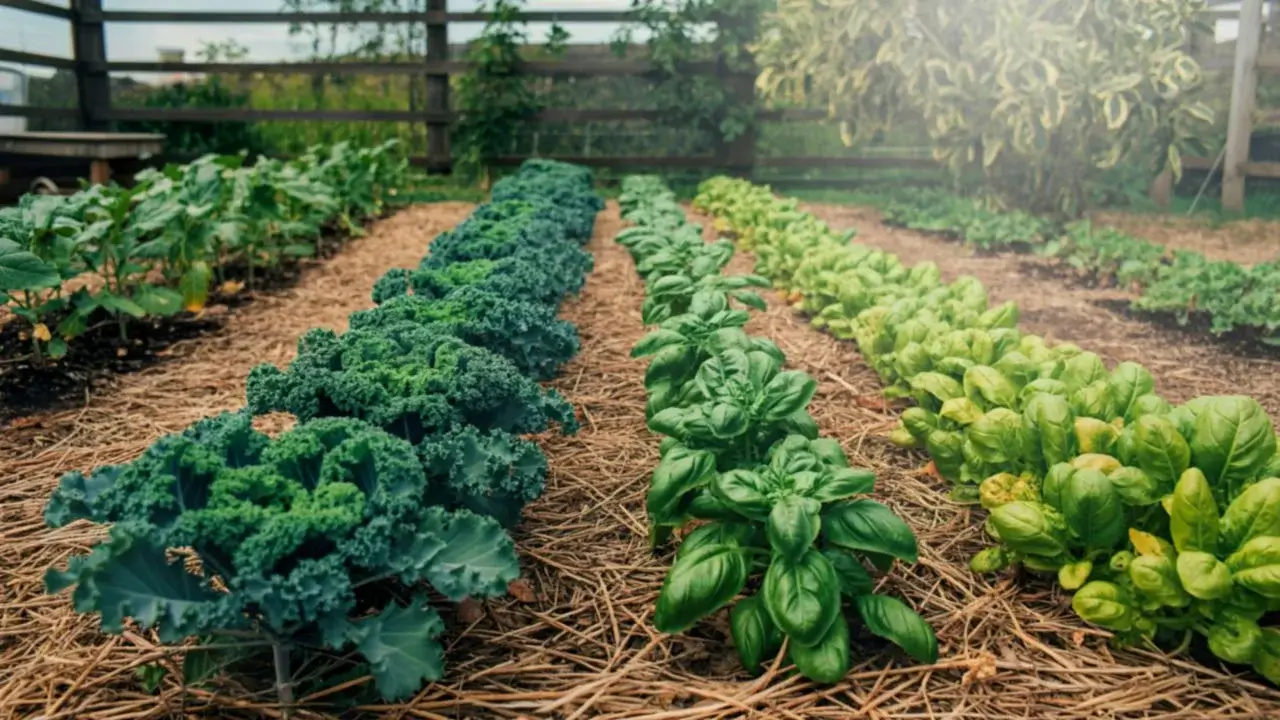
In the high-stakes environment of modern small-scale agriculture, efficiency is the difference between a seasonal hobby and a viable, revenue-generating enterprise. For farmers looking to maximize their land’s potential, the "one-and-done" approach to planting is rapidly becoming a relic of the past. Instead, professional growers are turning to succession sowing—a calculated, systematic method of continuous planting that keeps the soil productive from the final frost of spring to the first deep freeze of winter.
By staggering planting times, diversifying crop varieties, and utilizing intensive space management, farmers can ensure a consistent flow of fresh produce for market stands and local supply chains. This guide breaks down the essential strategies, technical considerations, and logistical planning required to implement a robust succession sowing program on your farm.
The Core Philosophy: Productivity Through Precision
At its simplest, succession sowing is the practice of planting seeds or seedlings in waves rather than all at once. This strategy fundamentally shifts a farm’s output from a single, overwhelming "harvest glut" to a steady, manageable, and highly marketable supply of produce.

For the small farmer, the primary advantage is economic. By maintaining a constant supply of popular items—such as salad greens, radishes, or beans—you secure a permanent presence at the farmers’ market, building customer loyalty and ensuring that your revenue stream isn’t dependent on a single week of high volume.
Understanding the Variables
To master succession sowing, you must move beyond traditional planting calendars. Success depends on a triad of variables:
- Days to Maturity (DTM): Knowing exactly how long a variety takes to reach harvestable size.
- Environmental Thresholds: Understanding the temperature tolerances of specific crops, as some flourish in the cool shoulder seasons while others demand the heat of midsummer.
- Soil Health Cycles: Recognizing that intensive cropping requires a rigorous commitment to soil amendment and rotation to prevent nutrient depletion.
Chronology of Implementation: A Seasonal Roadmap
Succession sowing is not an ad-hoc process; it requires a meticulous calendar. Successful farmers typically begin their planning months in advance, utilizing spreadsheets or farm management software to track planting dates and projected harvest windows.

Phase 1: Early Season (The Quick Starters)
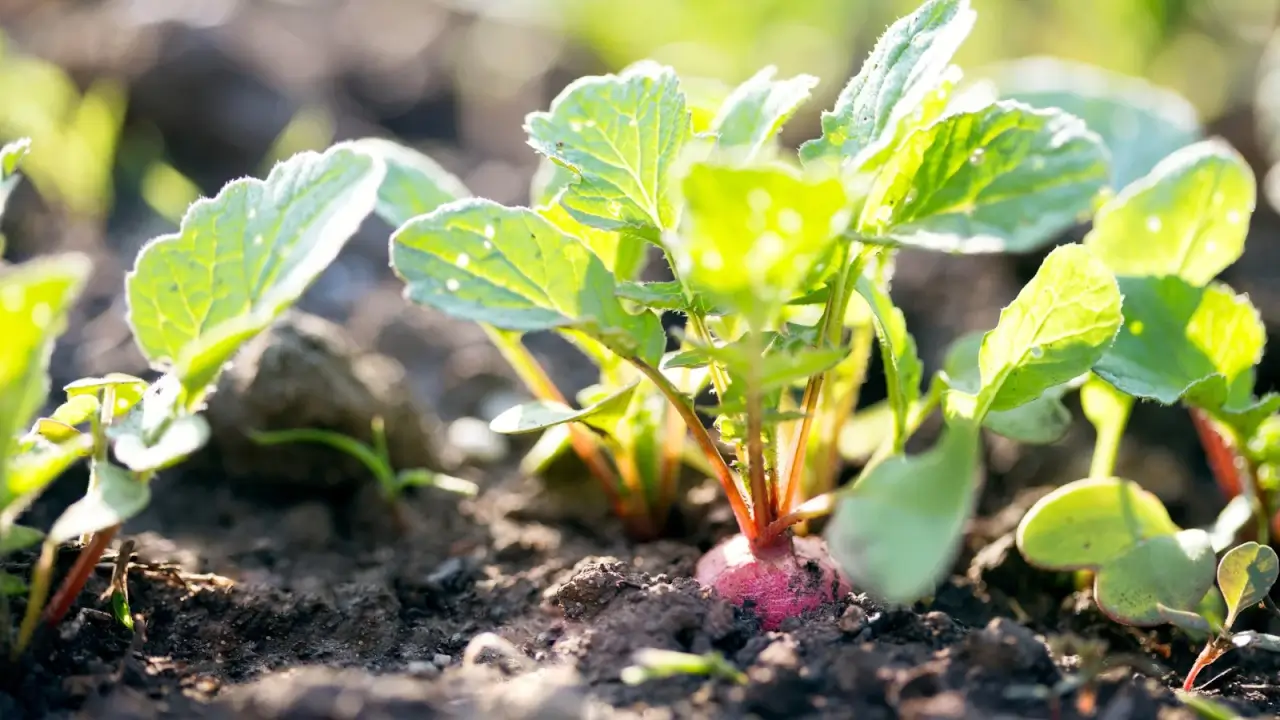
As soon as the soil can be worked, the focus should be on "fast-turn" crops. Radishes, baby spinach, and arugula are the cornerstones of early succession. By planting small, staggered rows every 10 to 14 days, you ensure a continuous harvest that hits the market just as demand for fresh greens peaks.
Phase 2: Mid-Season (The Heavy Lifters)
As temperatures rise, the rotation shifts to heat-loving crops like bush beans, summer squash, and cucumbers. During this phase, the goal is to plant a new batch as soon as the previous one begins to decline or as space becomes available.
Phase 3: Late-Season (The Fall Extension)
The most skilled farmers distinguish themselves by their ability to harvest well into autumn. By planting cool-weather crops in late summer, you can "double-crop" the space previously occupied by summer legumes or early potatoes. Utilizing tools like low tunnels or cold frames can push these harvests into November or even December, depending on your climate zone.
Supporting Data: Why Timing Matters
The efficacy of succession sowing is backed by the biology of plant development. Most vegetables have a defined "harvest window"—a period of time during which the quality is peak. For crops like head lettuce, this window might be as short as five to seven days before the plant turns bitter or bolts (goes to seed).
By mapping out your days to maturity, you can work backward from your intended harvest dates. If your market requires 50 pounds of carrots every two weeks, you don’t plant 500 pounds of carrots in May. Instead, you calculate the sowing interval based on the growth rate of your specific variety, ensuring that your harvest dates are offset by exactly the amount of time you need to clear the previous bed and prep the soil for the next.
Methodologies for Modern Growers
There is no "one size fits all" approach to succession. Depending on your farm’s layout and labor capacity, you may choose to implement one or several of the following techniques.
1. Interval Sowing (Same Crop, Staggered Timing)
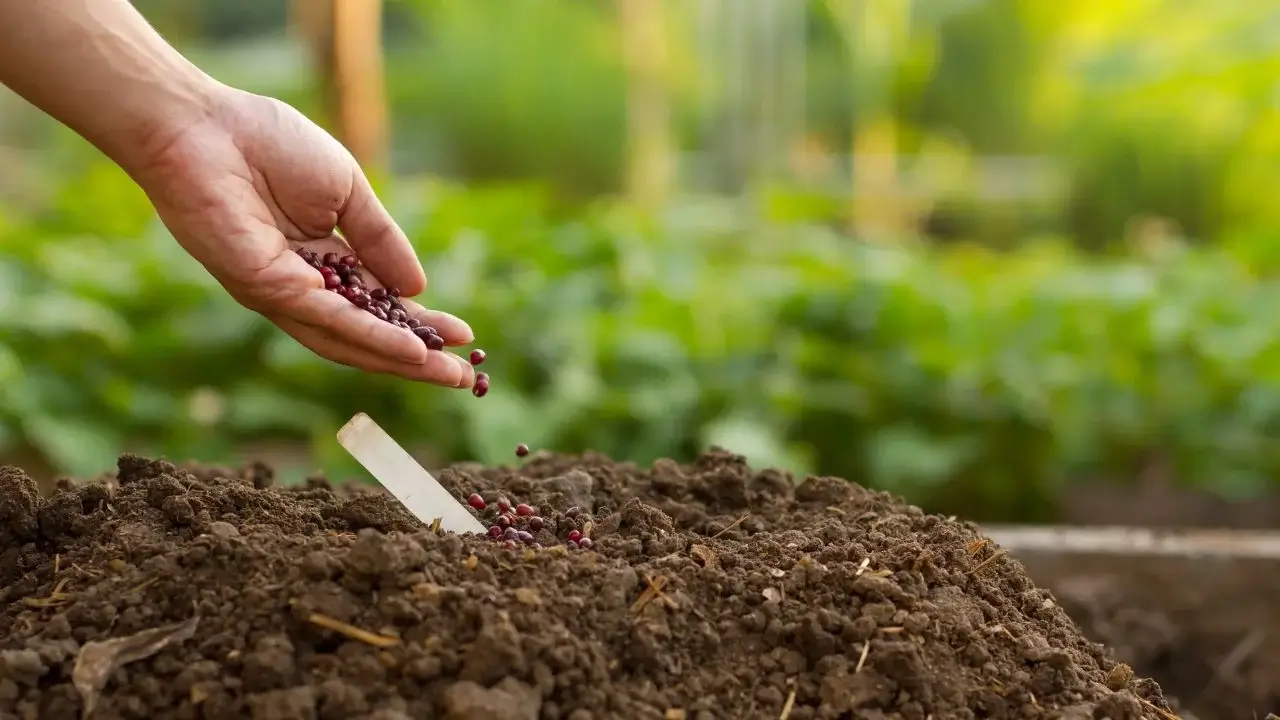
This is the most common method. You sow a portion of a crop, wait a set number of days (usually 10–14), and sow another portion. This is ideal for short-lived, high-turnover crops.
- Pro Tip: Always leave a designated "next-up" section in your bed prep. Don’t wait for the first crop to fail; have the next seeds ready to go into the ground the moment the first harvest begins.
2. Space-Sharing (Different Crops, Sequential Timing)
This involves utilizing the same physical plot of land for different crops throughout the season. A classic example is a heavy-feeding crop followed by a soil-rebuilding crop.
- The Nitrogen Cycle: Plant a spring crop of heavy-feeding brassicas (like cabbage). Once the harvest is cleared, immediately follow it with a legume (like snap beans), which will help fix nitrogen back into the soil before the next cycle begins.
3. Intercropping (Synergistic Growth)
Intercropping, or polyculture, involves growing two or more crops in the same space at the same time. The succession element comes in when one plant is "timed" to take over as the other fades. For instance, planting fast-growing radishes alongside slow-growing carrots allows you to harvest the radishes before the carrots require the full space of the row.
4. Varietal Diversification
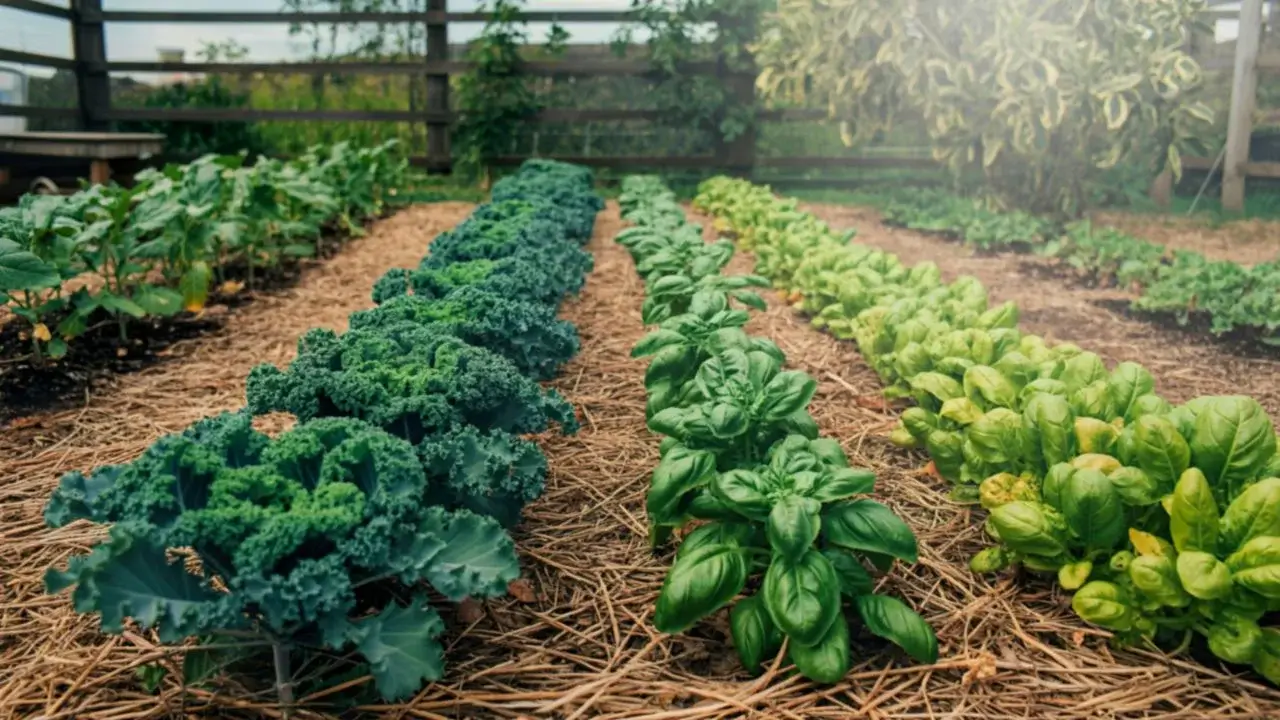
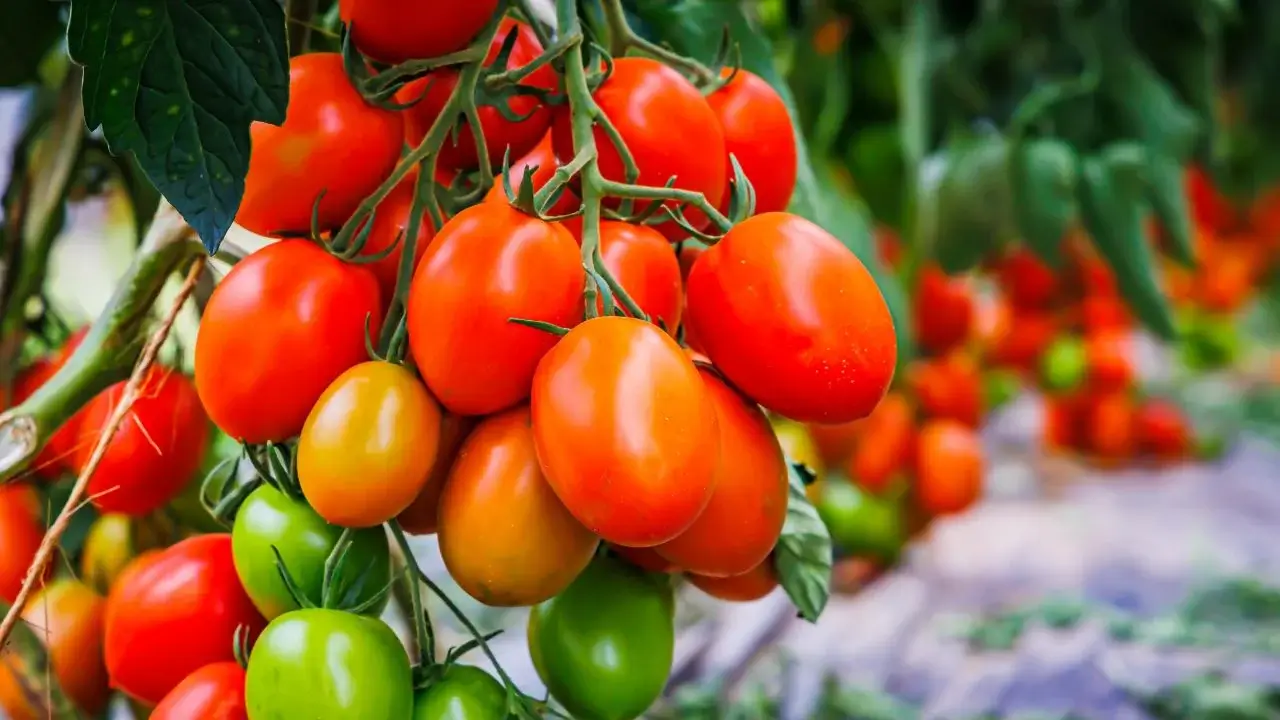
If you are known for a specific crop—say, heirloom tomatoes—you can extend the season by planting multiple varieties with different maturity dates. Planting early-season, mid-season, and late-season varieties of the same vegetable allows you to offer that product over a much longer period without the labor of constant re-sowing.
Implications for Farm Sustainability and Revenue
The implications of adopting a strict succession schedule go far beyond simple convenience.
Reducing Food Waste
One of the most significant challenges for small farmers is "market waste"—having 200 pounds of kale all at once that cannot be sold in a single weekend. Succession sowing acts as a natural buffer against this, aligning supply with real-time market demand.

Soil Health and Integrated Pest Management (IPM)
Continuous cropping is intensive. Without proper management, it can strip soil of nutrients and provide a buffet for pests. Therefore, succession sowing must be paired with:
- Aggressive Composting: Every time a crop is cleared, the soil must be amended to replenish what the previous plant consumed.
- Crop Rotation: Never plant the same family of vegetables in the same bed twice in a row. This breaks the lifecycle of soil-borne diseases and prevents specific pest populations from becoming entrenched.
Professional Feedback and Market Adaptation
"We have seen a 30% increase in farm revenue simply by adjusting our planting cadence to match our local customer’s purchasing habits," notes one veteran market gardener. The ability to pivot based on what sells at the market is a hallmark of a resilient farm. By keeping records of what varieties sold best in which "succession slot," farmers can refine their strategy year-over-year.
Conclusion: A Living System
Succession sowing is not just a technique; it is a mindset. It requires the farmer to stop viewing the growing season as a single event and start viewing it as a series of overlapping, interconnected cycles. While it demands more planning and record-keeping than traditional methods, the result—a farm that produces high-quality, diverse, and consistent yields—is the foundation of a successful, professional agricultural business.
For the beginner, start small: select one crop, such as the humble radish or a fast-growing lettuce, and commit to sowing a new row every week for a month. As you witness the rhythm of the harvest, you will find that succession sowing is not just a way to grow more food—it is the most reliable way to build a sustainable future for your farm.

 Ali Ikhwan
 Raul Delapena Setiawan