

 Neng Nana
By Hakim Bishara, Editor-in-Chief
The New York art season has arrived with its customary collision of high-finance ambition and gritty urban reality. As the city transitions into autumn, the art world finds itself navigating a landscape that feels increasingly fractured—caught between the sterilized, climate-controlled halls of international art fairs and the raw, unvarnished struggle occurring just outside their glass-fronted expansions.
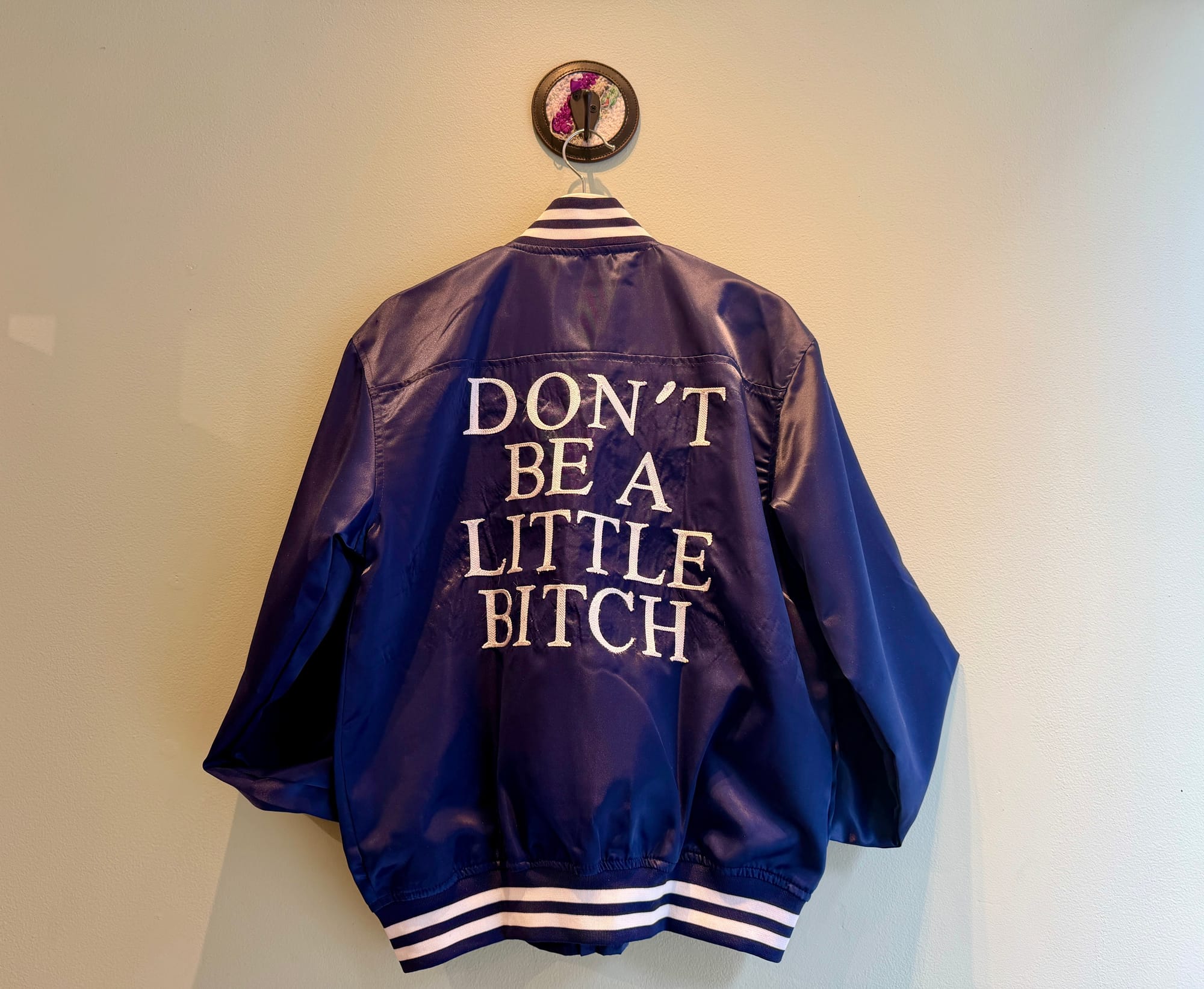
This week, we take a deep dive into the latest developments in the art world, from the quiet, downcast halls of the Armory Show to the provocative critiques of the 61st Venice Biennale.
The Paradox of the Art Fair: A Study in Contradictions
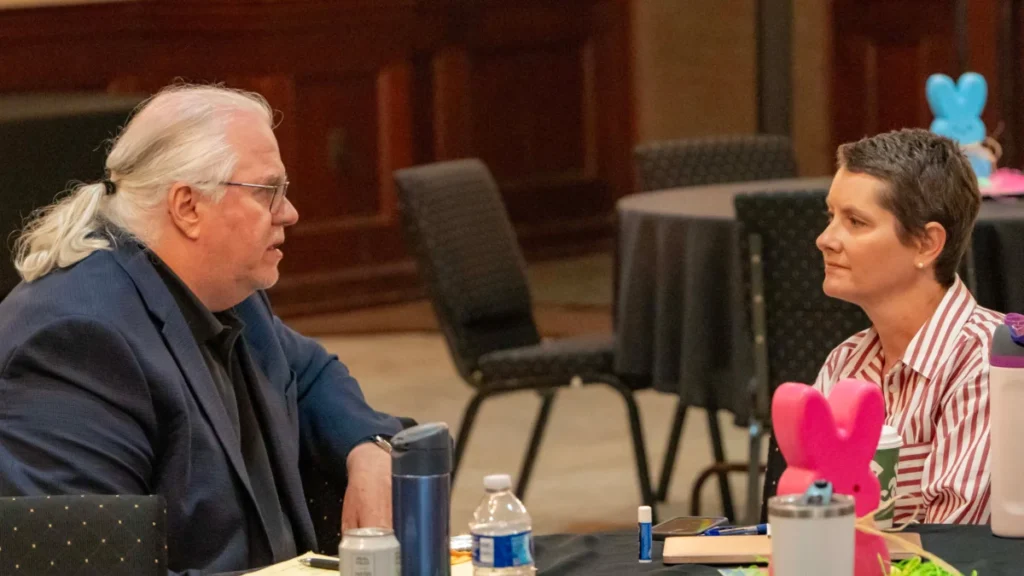
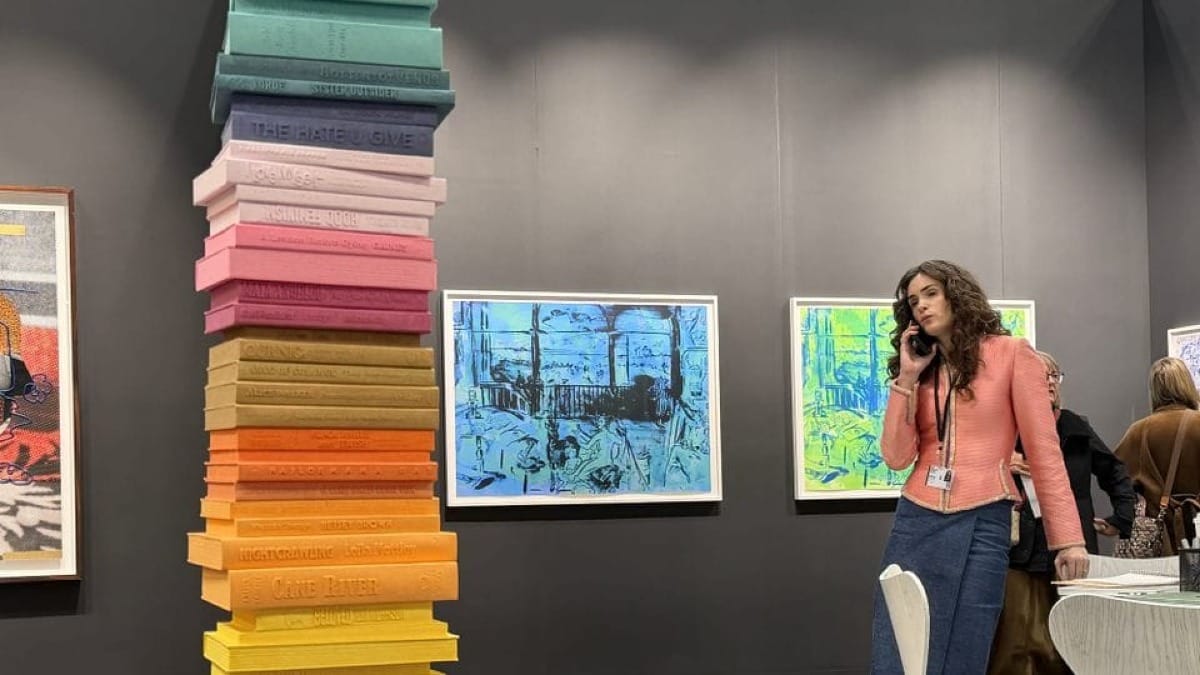
The Armory Show, traditionally a bellwether for the health of the New York art market, opened this year with an atmosphere that felt decidedly restrained. During a press preview, the air was thick with a specific type of performative ambition. I found myself in a surreal exchange with a prominent curator, who, when asked how they were doing, blurted out, "I’ve been obsessed with money and lifting weights." Upon realizing the candor of the remark, the curator quickly pivoted to "running"—a thin veil over the relentless, hyper-competitive drive that currently defines the sector.

This "obsession" with the bottom line stood in stark contrast to the mood on the floor. The fair felt quiet, almost somber. One could not help but notice the financial sector trade show occurring on the level below; ironically, the energy of the finance professionals seemed to eclipse the art itself. It is a telling reflection of our current moment: when the art market mimics the stock market, the work often loses its capacity to shock, leaving us with a sterile, "downcast" aesthetic that struggles to find its pulse.
Chronology: A Day in the Lower East Side
The dissonance between the art world and the street is perhaps best illustrated by a walk through the Lower East Side. Shortly after leaving the Armory Show, I passed the New Museum, which has recently unveiled a major retrospective for the visionary artist Arthur Jafa.
The juxtaposition was visceral:
- 1:00 PM: The museum’s sleek, modern glass expansion stands as a beacon of institutional success and high-concept contemporary art.
- 1:05 PM: Just feet away, the reality of the neighborhood unfolds. A group of individuals suffering from substance abuse are scattered across the sidewalk. One figure moves in a slow-motion, agonizing wail, a cold, extinguished cigarette gripped in their fingers—a tableau of human fragility that no exhibition can fully capture.
- 1:15 PM: Further down the block, another individual sits on a stoop, swatting at phantom flies, lost in a private, disoriented reality.
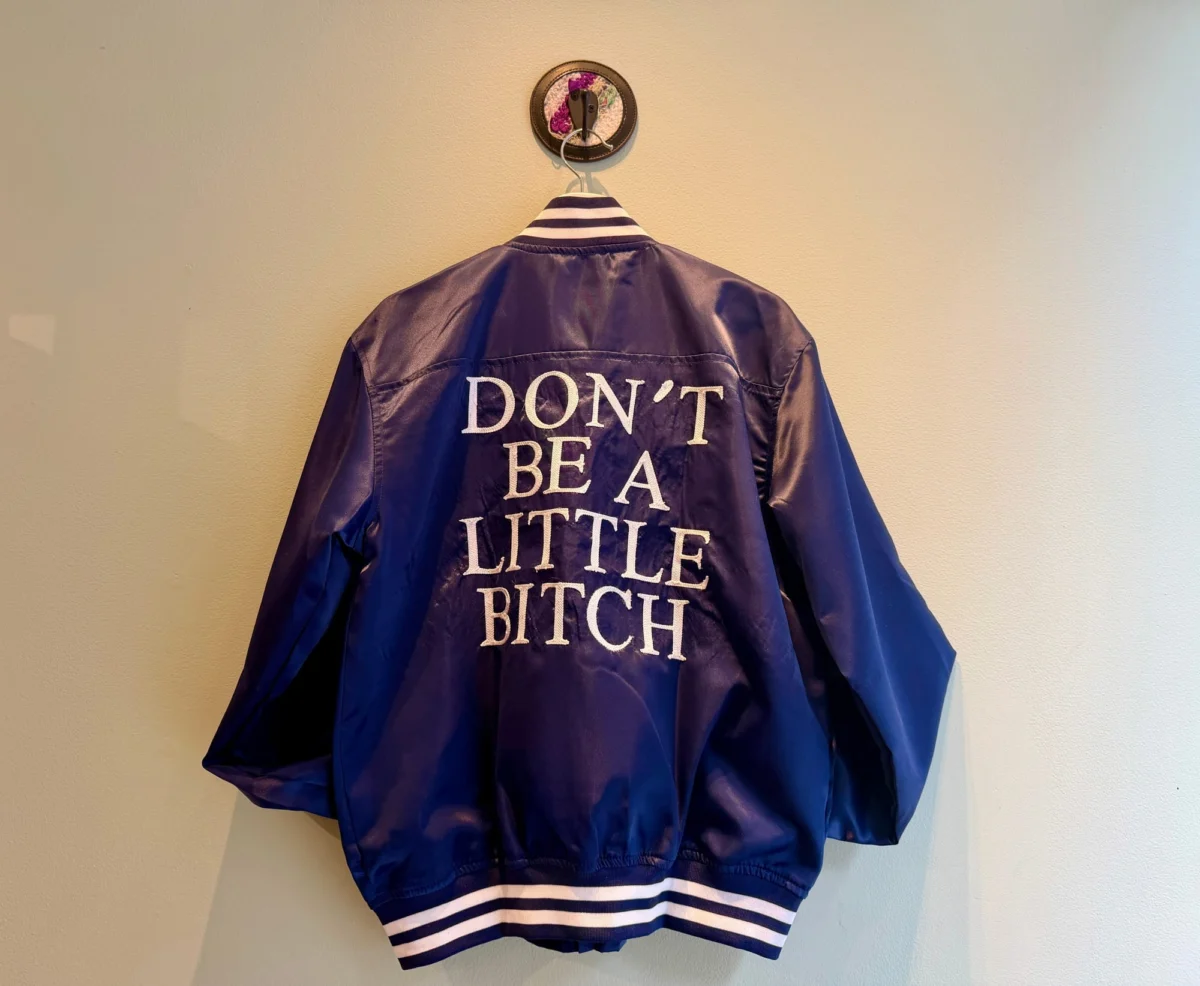
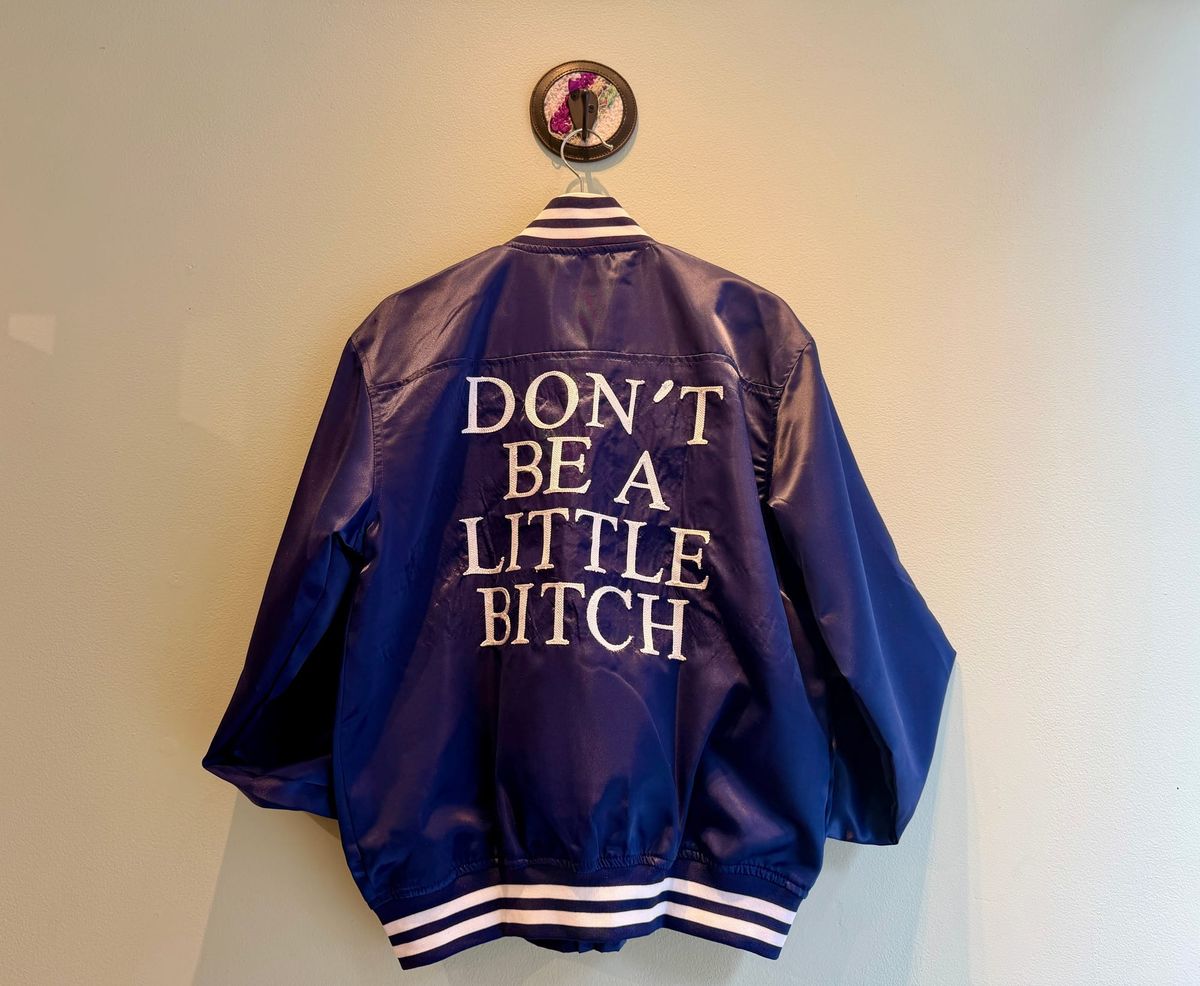
- 1:30 PM: The walk concludes near a storefront offering a jacket emblazoned with the aggressive, hyper-masculine slogan: "Don’t be a little bitch."
When offered the chance to try it on, I declined, offering the classic consumer’s defense: "No, thanks. I’m just looking." In the city, we are all just looking—glancing at the art, glancing at the suffering, and glancing at the commodified armor we wear to survive both.
Supporting Data: The Global Art Climate
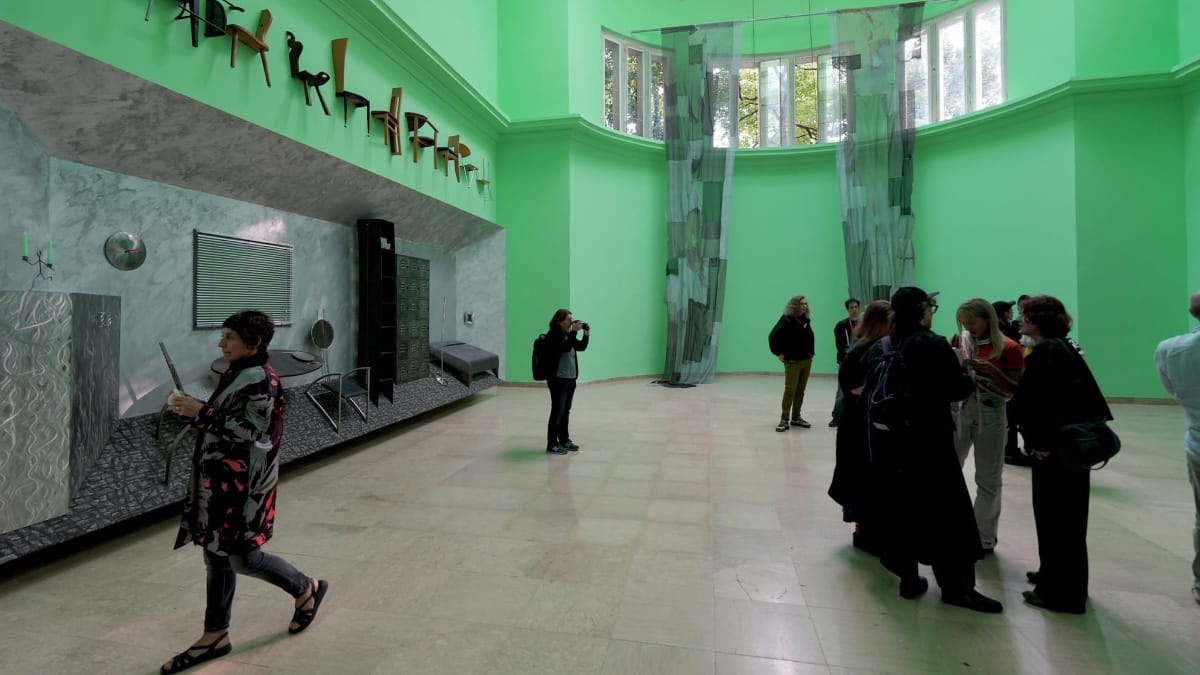
The malaise felt in New York is not isolated. The 61st Venice Biennale has become the latest battleground for critics attempting to reconcile the relevance of national pavilions in a globalized, post-national era.
In a recent critique, editor-at-large Hrag Vartanian and critic Aruna D’Souza took a deep dive into the pavilions that failed to resonate. While the first part of their series explored the successes of the Biennale, this concluding installment acts as a necessary "gloves-off" autopsy. They challenge the very structure of the event, arguing that if a pavilion cannot rise above nationalistic propaganda or empty spectacle, it serves only to clutter the cultural conversation.
This skepticism extends to our broader engagement with history and mythology. The Morgan Library’s current exhibition on historic tarot decks, Tarot for a Broken World, reminds us that humans have always sought to find meaning in fractured systems. The transition of tarot from a Renaissance card game to a tool for modern existential anxiety mirrors the way we treat art today: as a deck of symbols we shuffle, hoping for a clearer picture of our own uncertain future.
Official Responses and Industry Sentiment
The consensus among the arts community this season is one of cautious reflection. Artists like Alison Knowles, whose retrospective is currently being studied for its radical influence on American bookmaking, offer a counter-narrative to the "money-obsessed" culture of the fairs. Knowles’s work, which centers on the language of bookmaking, serves as a reminder that art is fundamentally a process of recording human experience, not just a commodity for trade.
Meanwhile, in the outer boroughs, the narrative is shifting toward community-driven art. During the recent Bushwick Open Studios, the focus was not on the market, but on the maker. Reports from the event highlighted a resurgence of diasporic tributes, light-filled portraits of trans communities, and massive, ambitious paintings that reclaim the concept of the "inner child." This indicates a growing split in the art world: a top-down, market-driven tier that feels increasingly hollow, and a bottom-up, community-based tier that is brimming with authentic, if under-resourced, vitality.
Implications: Where Does the Art World Go From Here?
The implications of this shift are profound. If the major institutions and fairs continue to prioritize the financial elite, they risk alienating the very culture they claim to represent. The sight of the Harlem River at dusk—glimmering behind a cemetery, with a moon split like a black-and-white cookie—serves as a poignant reminder that beauty in New York exists independently of the gallery system.
As we move toward the end of the year, the industry must address several key questions:
- Institutional Responsibility: How can museums like the New Museum better integrate with the communities they occupy, rather than existing as glass fortresses?
- Market Sustainability: If the art fairs are indeed "quiet and downcast," is the current model of the international trade show reaching its expiration date?
- The Role of the Critic: In an era of sponsored content and pay-to-play press, can the "gloves-off" critique return to a position of influence?
The "gay hole" of Damien Hirst, the incomplete detective stories of Taryn Simon, and the quiet, lonely figures on the sidewalk are all threads in the same tapestry. We are living through a moment of intense, uncomfortable transition. The art world is no longer just a place to see things; it is a place to witness the friction between the world we want to inhabit and the world that, in its current, fractured state, refuses to be ignored.
As we look ahead to the winter season, we invite our readers to look past the glitz of the preview nights. There is a story being told on the streets, in the archives, and in the margins of the catalogues. It is a story of survival, of identity, and of the persistent, nagging human need to find beauty in a world that is, by all accounts, feeling a little bit broken.
Stay tuned to our weekly newsletter for ongoing coverage of the Venice Biennale, upcoming public art installations across the US, and our continuing investigation into the intersection of art, labor, and the elusive "real artist" identity.


 Rifan Muazin






