



 Muslim
By Amol Sinha
Executive Director, ACLU of New Jersey
The American immigration detention system is currently facing a moral and humanitarian reckoning. For those navigating the labyrinthine corridors of Immigration and Customs Enforcement (ICE) custody, the experience is often characterized by a profound lack of oversight, systemic medical neglect, and, increasingly, tragic loss of life. Since the beginning of the second Trump administration in 2025, the death rate within ICE facilities has more than doubled, reaching its highest level in over a decade. Nearly 60 individuals have perished in custody during this period—a statistic that represents not merely numbers on a ledger, but fathers, sons, and pillars of their communities whose lives were cut short by administrative indifference.
Despite the mounting body of evidence suggesting that these facilities are failing to meet even the most basic standards of human care, some members of Congress have chosen to dismiss these reports as exaggerated. The disconnect between the lived reality of those in detention and the political narrative surrounding their treatment has never been more stark, nor more dangerous.
A Hearing Built on Denial
In July 2026, the House Judiciary Subcommittee on Oversight convened a hearing to examine conditions at Delaney Hall, an immigration detention facility that has become a flashpoint for allegations of abuse. During the proceedings, Subcommittee Chairman Jeff Van Drew and his invited witnesses presented a narrative that stood in direct opposition to the testimonies provided by advocates and formerly detained individuals.
Chairman Van Drew dismissed the widespread reports of inedible food, unsanitary living conditions, and, most critically, systemic medical neglect. He went as far as to praise the quality of care at the facility, asserting that detainees had access to “24-hour emergency care whenever and wherever it’s needed.” He also questioned the legitimacy of a weeks-long hunger strike undertaken by detainees who were attempting to draw attention to the inhumane conditions they were forced to endure.
However, the reality on the ground, documented through months of advocacy and legal monitoring, paints a far bleaker picture. As I testified before the subcommittee, the reports we have received are consistent and harrowing: individuals denied life-sustaining medication, detainees forced to navigate facilities without essential mobility aids like wheelchairs, and people suffering from rapid, severe weight loss. Perhaps most damning are the recurring accounts of serious medical conditions being ignored until they reach a point of crisis.
Chronology of a Preventable Crisis
The tragedy at Delaney Hall is not an abstract policy failure; it is a series of preventable deaths that underscore a catastrophic lack of accountability.
The Case of Jean Wilson Brutus
Last December, 41-year-old Jean Wilson Brutus, a Haitian man, arrived at Delaney Hall. He died just one day after his arrival. His death served as a grim foreshadowing of the dangers inherent in the facility’s current medical protocols. Despite bringing his case to the attention of federal oversight committees, the patterns of neglect persisted.
The Deaths of Edwin Jovanny Lopez Cornejo and Jose Chajon-Raxon
I warned the subcommittee that without immediate intervention, more lives would be lost. Two weeks after that July hearing, my worst fears were realized. Two more men died after suffering from what appear to be failures of medical triage and response.
Edwin Jovanny Lopez Cornejo, a 39-year-old construction worker and father of a 12-year-old U.S. citizen daughter, had lived in Plainfield, New Jersey, for over two decades. His family describes a man who diligently managed his epilepsy, high blood pressure, and diabetes with medication for years. During his six-week tenure at Delaney Hall, however, that continuity of care was severed. His family reported that even securing basic over-the-counter medicine like Tylenol required a multi-day waiting process.
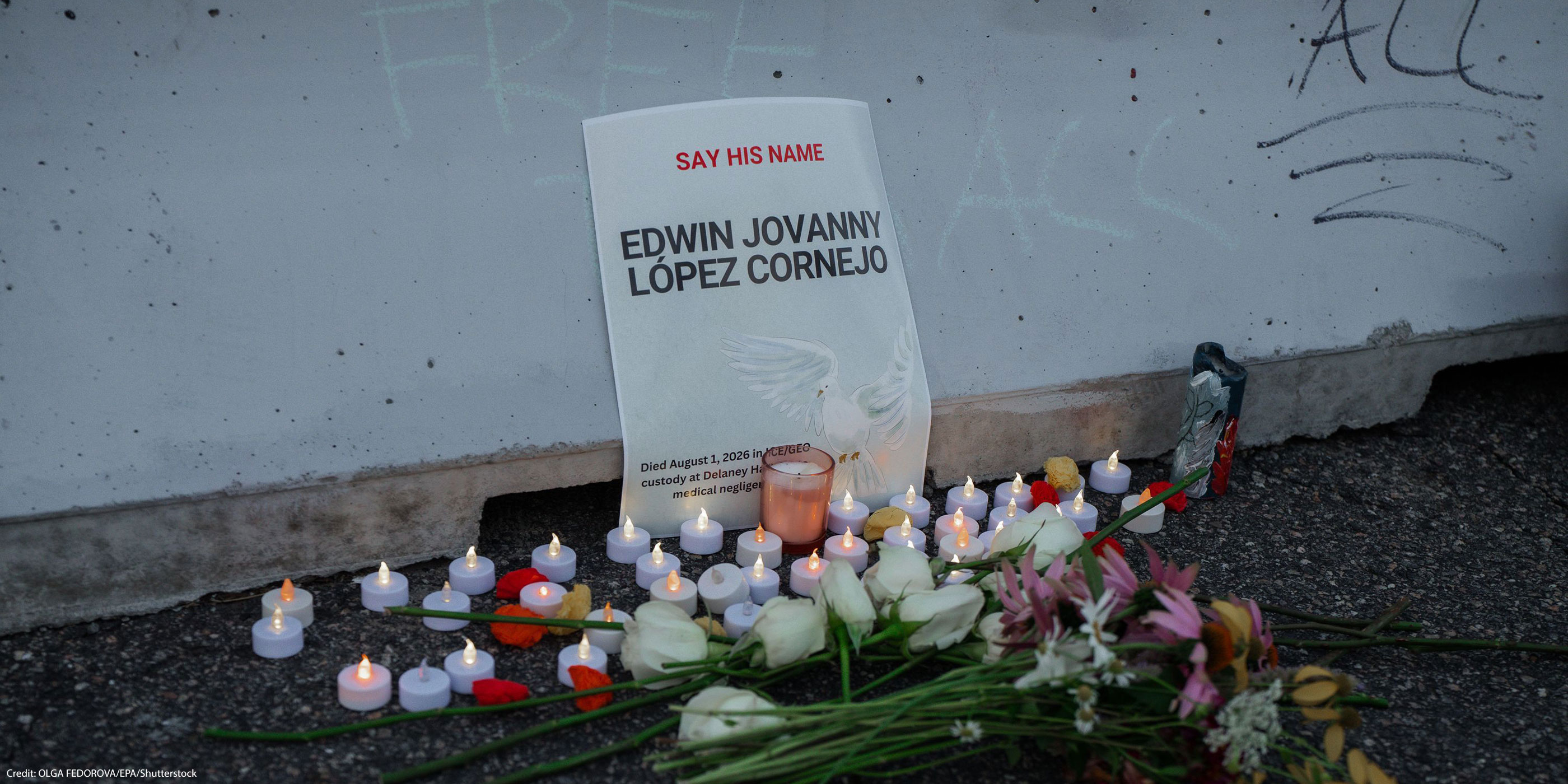
According to Representative Rob Menendez, when Mr. Lopez Cornejo suffered a final medical emergency, he was attended to by nurse practitioners, as the facility’s sole physician was neither present nor on call. He was eventually transported to a hospital, where he was pronounced dead on August 1st.
Concurrently, another detainee, Jose Chajon-Raxon, suffered a seizure. In a move that highlights the opaque nature of ICE record-keeping, ICE granted him a temporary medical release just before he died. Because he was technically no longer in "ICE custody" at the moment of his passing, his death was excluded from official tallies of deaths in detention—a clear example of how the system evades accountability through bureaucratic maneuvering.
Supporting Data: A Systemic Pattern
The cases at Delaney Hall are not isolated incidents. They are symptoms of a national crisis. In July 2026, 45-year-old Jesus Manuel Arenas Silva died while in ICE custody in Georgia. His family’s accounts mirror those of the victims in New Jersey: officers allegedly prevented him from bringing his necessary medications into the facility. Shortly thereafter, 29-year-old Prisciliano Trejo died from acute leukemia, with his family alleging that officials delayed urgent medical treatment despite his repeated complaints of severe symptoms.
The nearly 60 deaths recorded since the start of 2025 represent a clear trend of negligence. When reports of withheld medication, stalled emergency care, and deplorable hygiene are consistent across diverse geographical locations and facilities, it ceases to be a series of local errors and becomes an indictment of the entire detention infrastructure.
Official Responses and the Need for Oversight
The current oversight mechanisms are failing. When members of Congress choose to ignore the testimony of those who have witnessed or experienced these conditions, they effectively grant impunity to the private prison executives and ICE officials responsible for these facilities.
The defense often offered by detention proponents—that these facilities provide adequate care—is contradicted by the families of the deceased. As Lopez Cornejo’s mother noted, the pain of losing a child in state custody is a wound that cannot be healed by legislative hearings or hollow statements of concern. His daughter, now facing a future without her father, serves as the most poignant reminder of the human cost of these failures.
To address this, Congress must move beyond political theater. Meaningful reform requires:
- Unannounced Inspections: Bipartisan, uncensored, and surprise inspections of facilities like Delaney Hall are essential to observe the actual conditions rather than the staged environments presented to officials during scheduled visits.
- Direct Testimony: Legislators must compel testimony from private prison contractors and ICE medical directors, rather than relying on curated reports from those with a financial stake in the detention system.
- Legislative Action: Congress must prioritize the Dignity for Detained Immigrants Act, which would mandate higher standards of care and begin the necessary process of phasing out for-profit detention centers, which prioritize cost-cutting over human life.
Implications for the Future
The "false narrative" that immigration detention in the United States is a humane or well-regulated system has been thoroughly dismantled by the tragic reality of the past year. We are witnessing a system that operates in the shadows, where the lack of accountability creates an environment of total impunity for those in charge.
If Congress continues to prioritize the maintenance of this detention apparatus over the lives of those held within it, these deaths will not be the last. The choice is clear: either these lives remain mere statistics in a government database, or they become the catalysts for a fundamental transformation of our immigration enforcement policies. For the families of Edwin Jovanny Lopez Cornejo, Jean Wilson Brutus, and so many others, it is already too late. For those still in custody, the time for oversight is now.


 Jia Lissa

 Raul Delapena Setiawan