

 Nana Wu
Main Facts: The Commercialization of the “Cozy” Aesthetic
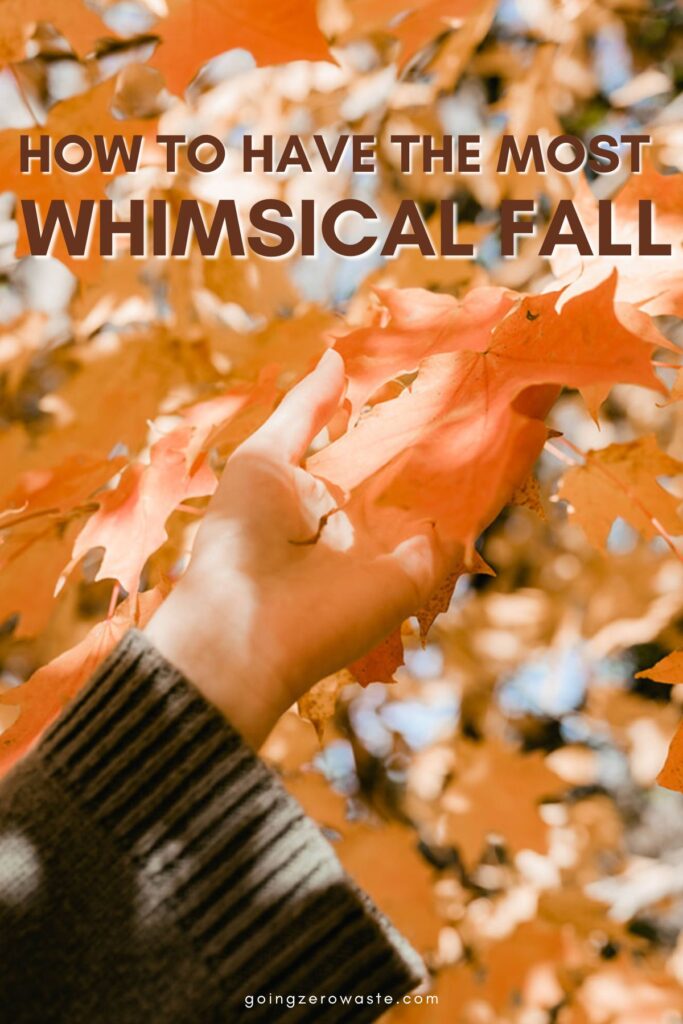
As the northern hemisphere transitions into autumn, a season traditionally defined by harvest and ecological preparation, a modern phenomenon has taken hold: the hyper-commercialization of fall. What was once a period of slowing down has been transformed into a multi-billion-dollar marketing event. Retailers now initiate "Fall Creep," introducing pumpkin-themed products and heavy knitwear as early as July, often while temperatures remain in the triple digits.
The core of this trend is the commodification of "whimsy." While true whimsy is defined by the Oxford English Dictionary as "playfully quaint or fanciful behavior or humor," modern branding has repackaged it into a sellable aesthetic—think mass-produced plastic pumpkins, synthetic scented candles, and "fast fashion" sweaters designed to last a single season. This shift has not only increased seasonal waste but has also detached the individual from the authentic experience of the changing environment.
To counter this, a growing movement of environmental advocates and "slow living" proponents are advocating for a return to genuine whimsy. This involves engaging in activities that are non-performative, low-impact, and rooted in personal imagination rather than retail acquisition. By shifting the focus from buying the season to experiencing it, individuals can foster a deeper connection to their communities and the natural world.
Chronology: From Harvest Rhythms to Retail Milestones
The evolution of autumn celebrations reflects a broader shift in human society from agrarian cycles to consumer-driven schedules.
The Agrarian Era: Preparation and Community
Historically, autumn was a period of intense labor followed by communal relief. The "whimsy" of the season was found in harvest festivals, folk traditions, and the practical necessity of preserving food for the winter. Activities were dictated by the sun and the soil, not a corporate calendar.
The Mid-20th Century: The Rise of Modern Halloween
Following World War II, the commercialization of holidays began to accelerate. Halloween transitioned from a night of neighborhood mischief and handmade costumes to a retail powerhouse. However, the "fall season" as a whole remained relatively distinct from the specific holiday.
The 21st Century: The "Pumpkin Spice" Economy
The 2003 launch of the Starbucks Pumpkin Spice Latte (PSL) is often cited by economists as a turning point in seasonal marketing. It proved that a "flavor profile" could trigger a massive consumer response. This paved the way for "Fall-o-ween," where the entire three-month period from September to November became a monolithic shopping event.
The Digital Age: The "Performative Fall"
With the rise of Instagram and TikTok, the "autumn aesthetic" became a form of social currency. This led to the current era where "whimsy" is often curated for a screen, driving the demand for new decor and outfits to ensure each year’s "content" looks fresh and trend-compliant.
Supporting Data: The Environmental and Psychological Costs
The shift toward a consumer-led autumn has measurable impacts on both the planet and the human psyche.
The Waste Crisis
Seasonal decor is a significant contributor to landfill waste. Most inexpensive fall decorations are made from non-recyclable plastics, resins, and synthetic fibers. According to environmental studies, the "fast furniture" and "fast decor" industries have seen a 200% increase in waste over the last two decades, with a spike occurring during the Q4 holiday corridor.
The Psychology of "Plant Blindness"
"Plant blindness" is the human tendency to ignore the plant species in one’s own environment. Research suggests that urban dwellers can often identify hundreds of corporate logos but fewer than ten local plant species. This disconnection from the local ecosystem makes individuals more susceptible to marketing that replaces real nature with artificial substitutes.
The Benefits of Tactile Hobbies
Conversely, data from the American Journal of Public Health indicates that engagement in creative, tactile activities—such as knitting, baking, or gardening—significantly reduces cortisol levels and improves cognitive function. These "slow" activities provide a neurological counterweight to the high-speed, dopamine-driven nature of digital consumption.

Official Responses and Definitions: Reclaiming Whimsy
Environmental experts and psychologists are increasingly weighing in on the need for a "seasonal reset."
Redefining Whimsy
Ecologists argue that true whimsy is found in the "odd and off-beat" elements of nature—the irregular shape of a gourd, the specific way a certain tree turns crimson, or the behavior of local wildlife. It is an internal state of being that cannot be mass-produced.
The Expert Take on Sustainability
Sustainability influencers, such as Kathryn Kellogg of Going Zero Waste, emphasize that the most sustainable way to enjoy a season is to use what is already available. "True whimsy isn’t performative or sellable," Kellogg notes. "It should come from your own imagination. It’s about being okay with being bad at things and infusing more fun into your days in ways that make you slow down."
Implications: Six Pillars of a Whimsical, Low-Impact Autumn
To transition from a consumer-focused fall to an experiential one, individuals are encouraged to adopt activities that promote "off-screen" engagement and community connection.
1. The Curated Nature Walk
Moving beyond simple "leaf peeping," the whimsical nature walk involves active participation with the environment. This can include:
- Flora Identification: Using library guides to identify native vs. invasive species (e.g., the invasive Burning Bush).
- Artistic Documentation: Carrying a journal to sketch specific textures or patterns found in the woods.
- Community Scavenger Hunts: Challenging friends to find specific items like acorns, crabapples, or specific leaf types, fostering a competitive but nature-based social interaction.
2. The Resurgence of Snail Mail
In an era of instant messaging, the physical letter has become a whimsical rarity. Writing gratitude letters allows for emotional processing and deepens social bonds.
- The Zero-Waste Approach: Using upcycled envelopes and scrap paper rather than buying expensive stationery.
- Tactile Gifts: Including small, foraged items like a pressed leaf, a bird feather, or a packet of seeds for next spring.
3. Community Fiber Arts
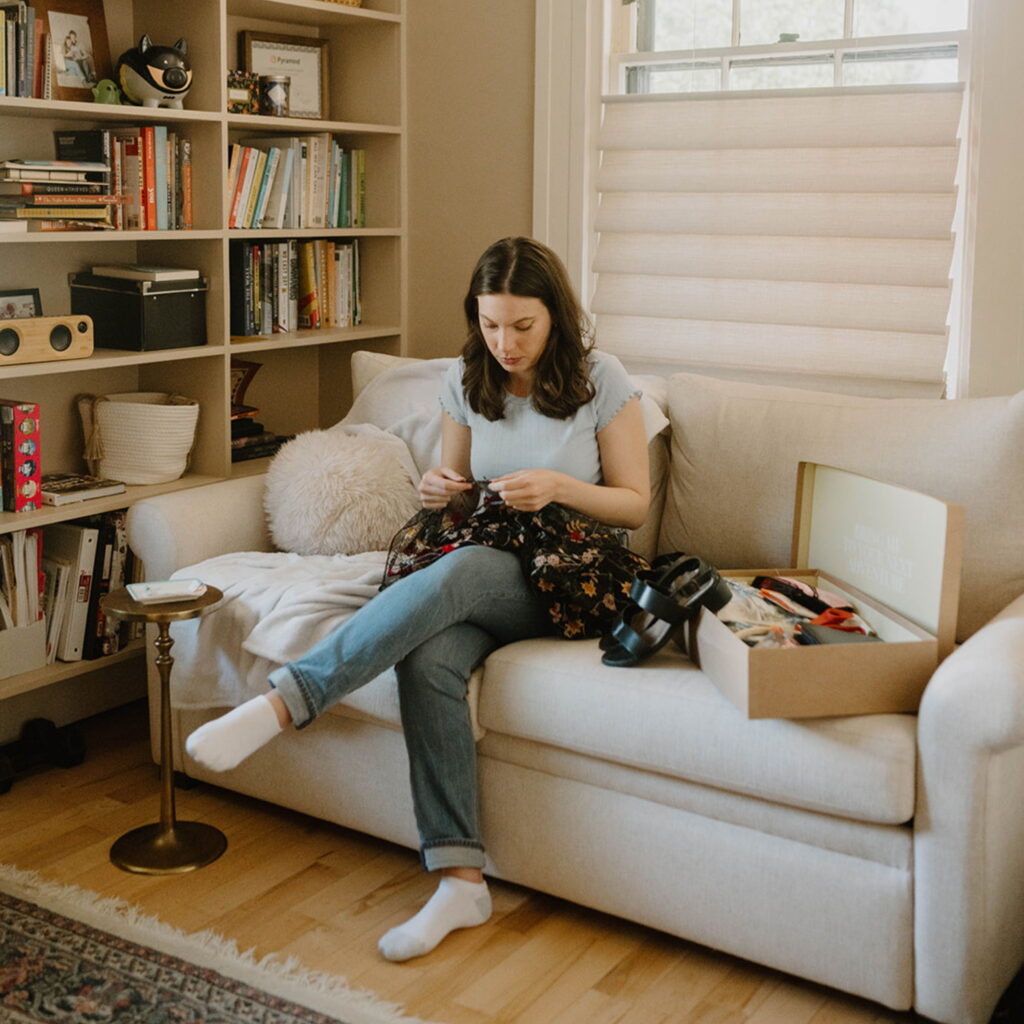
The "knitting circle" serves as a dual-purpose activity: it creates a functional garment and builds social infrastructure.
- Skill Sharing: Engaging older generations, such as grandparents, to teach traditional skills like crocheting or embroidery.
- Yarn Swaps: Hosting community events in public parks to trade surplus supplies, preventing the need for new wool or synthetic yarn purchases.
4. The Domestic "Fall Cafe"
Instead of purchasing high-priced, sugar-laden seasonal drinks, hosting an at-home cafe focuses on the process of creation.
- Sustainable Sourcing: Using ingredients from local farmers’ markets.
- Zero-Waste Hospitality: Encouraging guests to bring their own containers for leftovers, reducing food waste and eliminating the need for disposable packaging.
- Menu Ideas: Homemade chai, apple galettes, and pumpkin-infused breads that utilize the whole fruit, including the seeds.
5. Low-Stakes Crafting
The goal of whimsical crafting is the process, not the product. This removes the pressure of "Instagram-perfection."
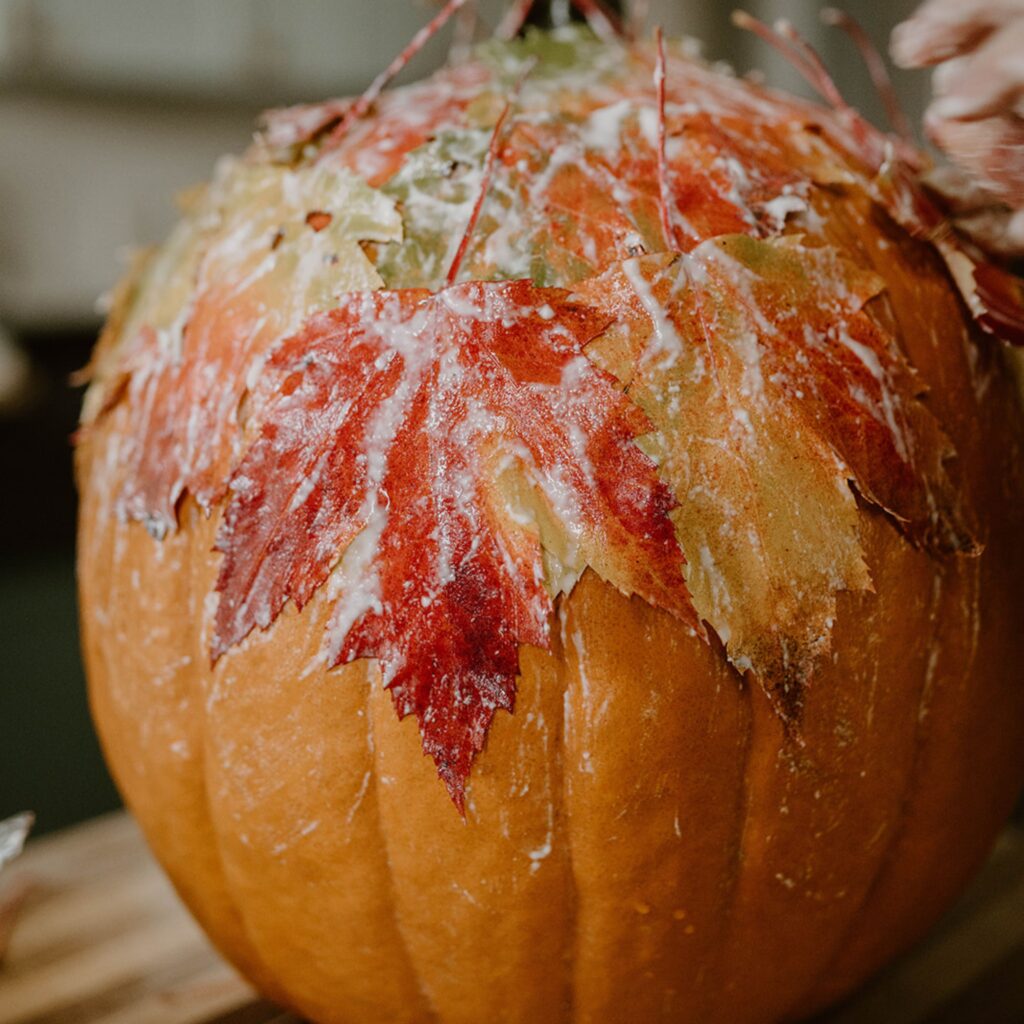
- Natural Materials: Decorating pumpkins with foraged leaves and homemade, compostable glue.
- Thrifted Art: Using old canvases or frames from second-hand stores to create autumnal scenes during a "paint and sip" night.
- The "Bad Art" Philosophy: Embracing mistakes as part of the fun, which combats the anxiety associated with perfectionist social media trends.
6. Spontaneous Local Exploration
Whimsy often requires a lack of structure. Spontaneous day trips—ideally via walking or biking—allow for the discovery of local landmarks that are often overlooked.
- Micro-Tourism: Visiting family farms, locally-owned bookstores, or small-town cafes.
- Group Activities: Engaging in low-cost, high-engagement group outings like corn mazes, apple picking, or outdoor movie nights in the backyard.
Conclusion: The Long-Term Impact of Slow Living
The shift toward a whimsical, zero-waste autumn is more than a seasonal trend; it is a vital component of the "slow living" movement. By rejecting the "push" of early marketing and the lure of disposable decor, individuals can reduce their environmental footprint while significantly improving their mental well-being.
The implications of this shift are profound. On a personal level, it fosters resilience against the "doom-scrolling" culture. On a community level, it strengthens social ties through shared, non-commercial experiences. Ultimately, reclaiming the season’s magic from the marketplace ensures that the "whimsy" of autumn remains what it was always meant to be: a free, imaginative, and deeply personal connection to the world as it prepares for its winter sleep.

 Laily UPN
 Jia Lissa