 Layla Zulfa

WASHINGTON, DC – In an era defined by political polarization and systematic attempts to restrict ballot access, the 2026 midterm elections have emerged as a watershed moment for American democracy. Despite widespread concerns regarding legislative barriers, the closure of polling sites, and a climate of intimidation, the American public responded with a display of civic participation that defied historical expectations.
The surge in voter turnout, described by observers as a testament to the endurance of grassroots organizing, underscores a fundamental shift in how the electorate engages with the democratic process. As the dust settles on the midterms, the message from the voting public is clear: democracy is not a passive benefit, but an active, year-round practice.
The State of the Electorate: Facts and Figures
The 2026 midterms were characterized by an unprecedented level of mobilization. Across the country, voters of all demographics—spanning age, race, gender, and political affiliation—converged at polling stations and mail-in ballot drop-boxes in numbers that rivaled presidential election cycles.
Data analysts point to several factors that fueled this surge. The expansion of early voting options in key states, coupled with aggressive digital and community-based mobilization efforts, helped mitigate the impact of physical barriers. While official tallies are still being finalized, preliminary reports suggest that the 2026 turnout surpassed the 2022 midterm benchmarks by a significant margin, signaling that the American electorate has become increasingly adept at navigating a complex and often hostile voting landscape.
A Chronology of Resistance: From Preparation to Polls
The success of the 2026 midterms did not occur in a vacuum; it was the result of a multi-year effort to build durable civic infrastructure.
- Pre-Election Season (2025–Early 2026): Throughout the previous year, advocacy groups and grassroots organizations focused on voter education and registration. This period was marked by a pivot toward "infrastructure-first" strategies, emphasizing long-term voter engagement rather than last-minute get-out-the-vote campaigns.
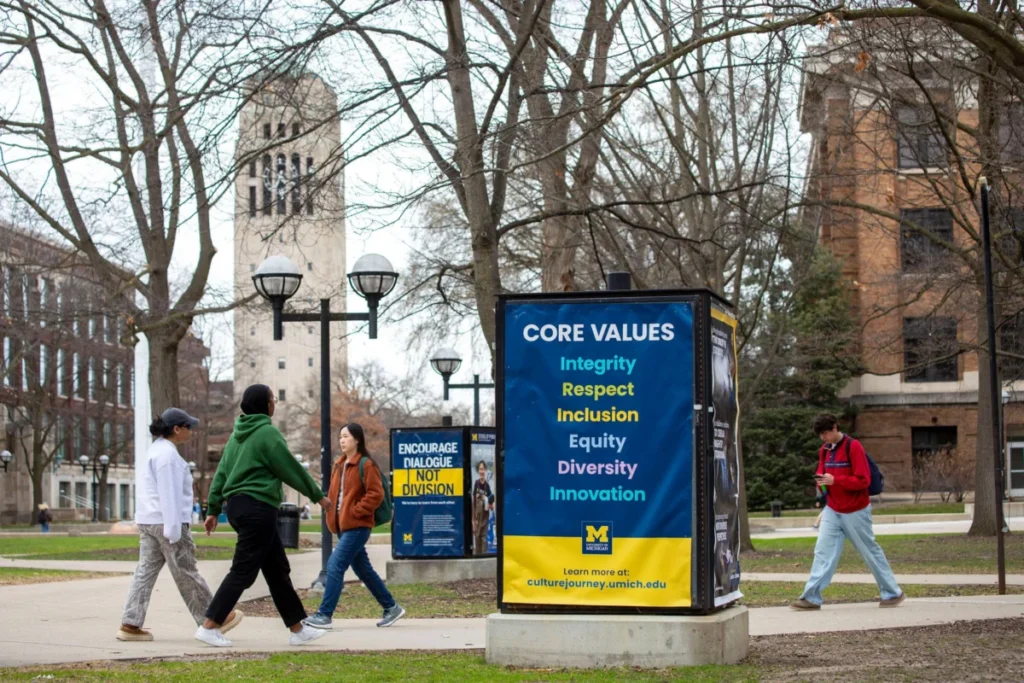
- The Mid-Election Window: As legislative bodies in several states implemented stricter voter identification laws and restricted ballot access—most notably through the systematic stripping away of campus polling sites—voter advocates transitioned to contingency planning. This included legal challenges, the mobilization of legal poll observers, and the creation of alternative transportation networks to assist voters in gerrymandered or underserved districts.
- Election Day (2026): Despite reports of voter intimidation and long lines in various jurisdictions, the resilience of the electorate remained unshaken. Community leaders reported high spirits and a sense of collective purpose, as voters stood in lines for hours to ensure their ballots were cast.
- Post-Election Period: As results continue to be analyzed, the focus has shifted toward the implications of this turnout. The conversation has moved from "how many voted" to "what this means for the future of representation."
Overcoming Obstacles: The Battle for Ballot Access
The 2026 midterm cycle was, by many accounts, one of the most challenging environments for voters in modern history. The implementation of restrictive policies, such as the reduction of early voting hours and the closure of polling stations in densely populated, diverse neighborhoods, was clearly intended to suppress participation.
However, these efforts appear to have backfired, acting instead as a catalyst for increased civic energy. Kyle Lierman, CEO of Civic Nation, noted that the obstacles were not merely theoretical—they were systemic and intentional. "From the stripping away of campus polling sites to gerrymandered districts, the obstacles were real, and voters cleared them anyway," Lierman stated.
The irony of these restrictive measures is that they appear to have energized rather than discouraged the base. Voters who might have remained passive in a less adversarial climate were driven to the polls by the perception that their democratic rights were under direct threat. This phenomenon of "defensive voting" has become a defining characteristic of the current political era.
Official Response: The Civic Nation Perspective
In the wake of the election, Civic Nation issued a strong defense of the American voter. Kyle Lierman’s remarks highlight a critical shift in how civic participation is viewed by non-partisan advocacy organizations.
"Civic participation, it turns out, is not something you can redistrict away or silence," Lierman said. "By exercising their right to vote, America’s voters showed the world what civic power looks like when it is organized, resourced, and treated as infrastructure that takes years to build rather than a one-cycle investment."
Lierman emphasized that the work of democracy is an ongoing project. He argued that the communities that showed up at federal, state, and local levels now deserve institutions, laws, and leaders that accurately reflect their participation. For Civic Nation, the goal is to transform the "surge" of the 2026 midterms into a permanent, stable culture of participation.
The Broader Implications: Democracy as a Practice
The 2026 midterms have sparked a nationwide debate about the nature of democracy. If democracy is, as Lierman suggests, a "practice" rather than a "campaign," then the structures that support it must be bolstered.
1. Re-evaluating Civic Infrastructure
The reliance on "get-out-the-vote" campaigns during the final weeks of an election cycle is increasingly seen as insufficient. The 2026 results prove that a robust, year-round civic presence—one that includes community hubs, localized education, and sustained engagement—is essential for weathering political storms.
2. The Power of Generational Engagement
Data suggests that younger voters, particularly those on college campuses, played a decisive role in the 2026 turnout. Despite the closure of many campus polling locations, student organizations and youth-led initiatives pivoted to mobile voting efforts and coordinated transportation, proving that younger generations are becoming a formidable force in the electoral process.
3. Accountability and Representation
With record-high participation, the pressure on elected officials to be responsive to their constituents has increased. The mandate provided by the 2026 electorate is one of engagement; leaders who ignore the voices of their constituents, or who attempt to stifle those voices through procedural maneuvering, may find themselves at odds with a public that is more attentive and organized than ever before.
Looking Ahead: The Future of Civic Nation and Beyond
As the nation looks toward the next election cycle, the lessons of 2026 will undoubtedly shape the strategies of political organizations, nonprofits, and policymakers. Civic Nation remains at the center of this movement, continuing its mission to strengthen civic culture through its various initiatives, including:
- ALL IN Campus Democracy Challenge: Driving engagement on university campuses nationwide.
- Change Collective: Empowering local leaders to address systemic issues within their communities.
- It’s On Us: Building a culture of safety and accountability.
- We The Action: Connecting lawyers and professionals with organizations fighting for the public good.
- When We All Vote: A non-partisan effort to increase participation in every election.
These initiatives are part of a larger ecosystem designed to treat civic power as a resource that must be cultivated, not merely harvested during election years.
Conclusion: A Resilient Democracy
The 2026 midterm elections will be remembered not for the barriers that were placed in front of voters, but for the determination with which those voters overcame them. By showing up in record numbers, the American public has sent a clear signal that democracy remains the foundational bedrock of the nation.
As Kyle Lierman concluded, "The work did not begin on Election Day, and it does not end there either… Democracy is not a campaign. It is a practice, and it belongs to every American."
Moving forward, the challenge for the United States will be to ensure that the infrastructure built to protect the 2026 vote is preserved and expanded. The spirit of civic engagement displayed this year serves as a reminder that while laws and policies can be changed, the collective power of an informed and organized electorate is the ultimate safeguard of the democratic process.
About Civic Nation:
Civic Nation is a 501(c)(3) organization dedicated to strengthening civic culture, power, and participation. By bringing together individuals, grassroots organizers, and industry leaders, Civic Nation works to address the most pressing issues of the time through initiatives that empower citizens to engage with their democracy. For more information, visit civicnation.org.
For media inquiries or to arrange an interview with Civic Nation CEO Kyle Lierman, please contact the press office at [email protected].


 Nila Kartika Wati
 Pevita Pearce