

 Laily UPN
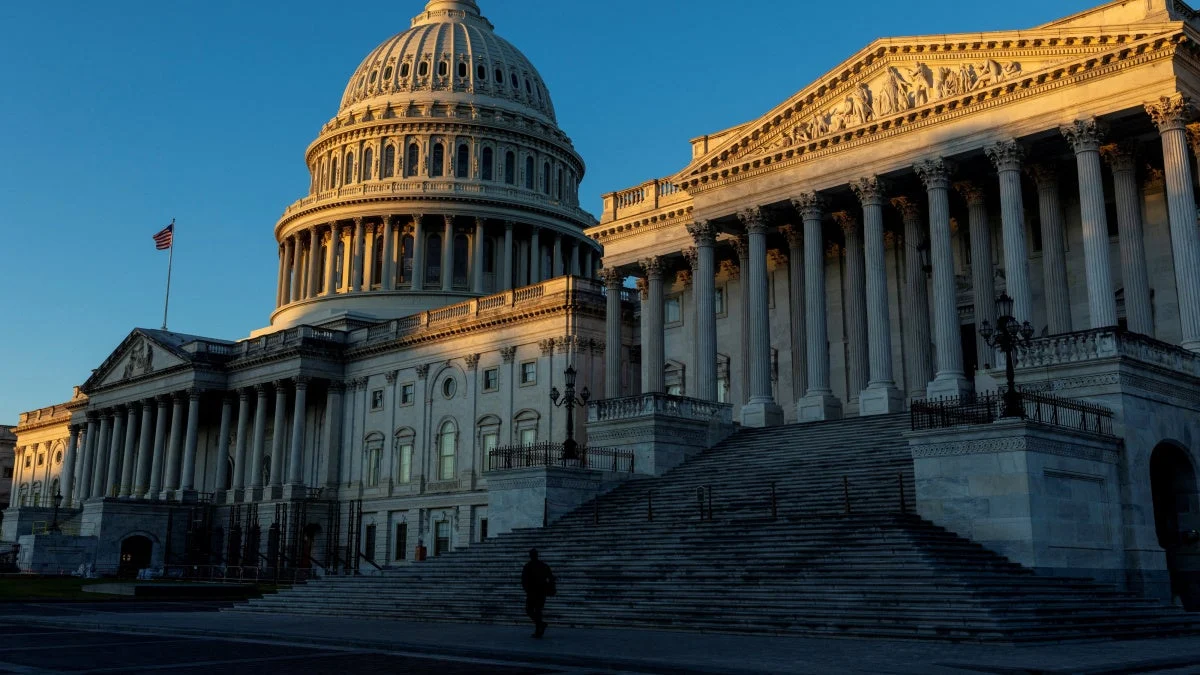
In a seismic shift that has redrawn the American political landscape, the Democratic Party secured a commanding victory in Tuesday’s midterm elections. As of Wednesday morning, projections confirmed that Democrats have captured control of both the U.S. Senate and the House of Representatives, alongside significant gains in gubernatorial races and state legislatures across the country.
The results represent a profound rebuke of the current administration’s trajectory. Driven by a volatile mix of voter anger over persistent inflation, concerns regarding escalating energy costs, and widespread frustration over the geopolitical consequences of the war in Iran, the Democratic surge penetrated even traditional Republican strongholds in Ohio, South Carolina, and the American South. This electoral realignment is poised to have immediate and long-term consequences for federal and state climate action, setting the stage for a high-stakes legislative confrontation with President Donald Trump.

The Legislative Shift: From Defensive Stance to Offensive Oversight
For the first two years of his term, President Trump largely successfully maneuvered around legislative roadblocks, rolling back federal climate policies with little more than vocal opposition from the minority party. Democrats were previously relegated to issuing strongly worded statements and demand letters to administration officials—powerless to halt the suspension of clean energy funding, the gutting of emissions rules for motor vehicles, or the significant hollowing out of agencies like the U.S. Forest Service and the Federal Emergency Management Agency (FEMA).
That dynamic has been dismantled. With majorities in both chambers, Democrats now possess the "power of the purse" and the authority to issue subpoenas. Legislative leaders are already signaling that they intend to force administration officials, including EPA Chief Lee Zeldin, to testify on the legality of funding clawbacks and staff reductions.
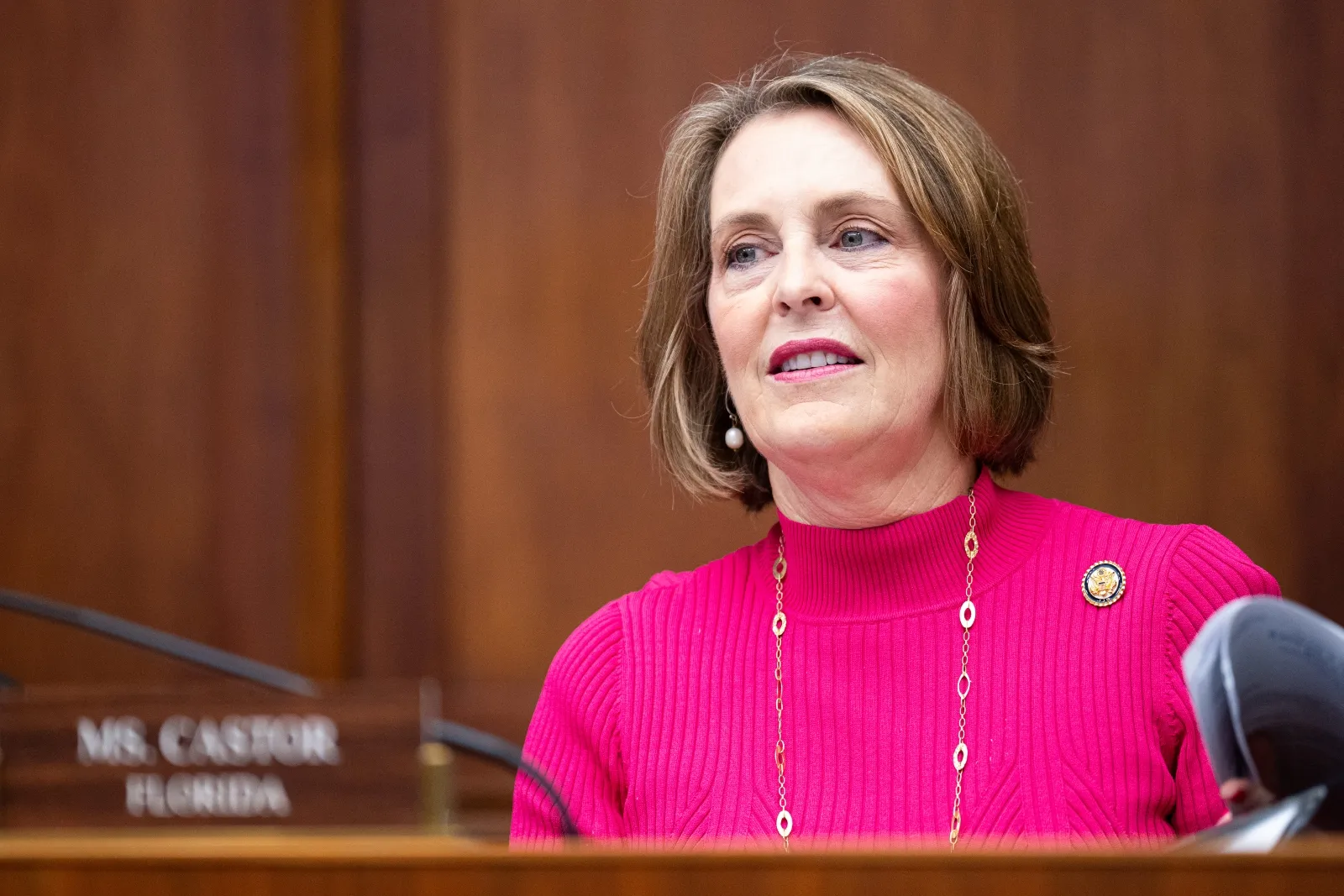
"We can put a lot more teeth into the next appropriations bill," noted Representative Chellie Pingree, a key figure on the House Appropriations Committee. "If they aren’t going to spend the money as Congress intended, we have the leverage to withhold other operational funding or restrict travel budgets for non-compliant officials."
Chronology of the Surge: A Night of Upsets
The shift began early Tuesday evening as returns from bellwether districts signaled that the "red wave" many analysts anticipated had failed to materialize.
- 7:00 PM EST: Early returns from Pennsylvania and Wisconsin indicated a strong turnout for Democrats, with the party ultimately clinching control of both state legislatures—a historic "trifecta" for Wisconsin that ends 16 years of Republican dominance.
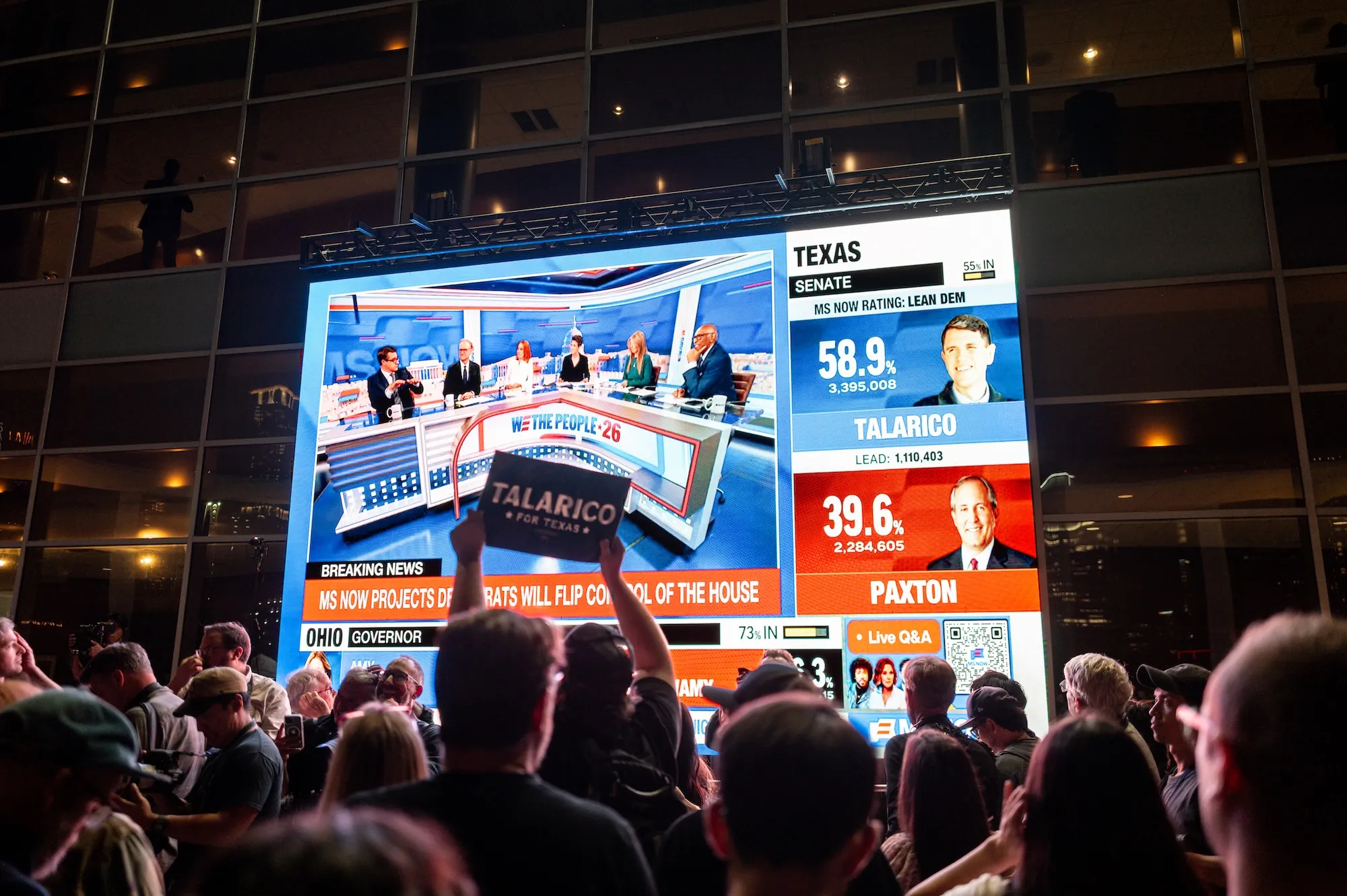
- 9:00 PM EST: The focus shifted to the South, where James Talarico’s victory in the Texas Senate race sent shockwaves through the political establishment. Talarico, the first Democrat to win a Senate seat in Texas in nearly 40 years, campaigned on a nuanced "all-of-the-above" energy strategy that prioritized job stability in the oil patch while advocating for renewable expansion.
- 11:00 PM EST: The momentum continued in Montana, where former wildland firefighter Sam Forstag claimed a House seat, marking the first time in over three decades the state has sent a Democrat to the lower chamber.
- Midnight and Beyond: Results from Georgia confirmed that Democrats had flipped both Public Service Commission seats, effectively taking control of the board that oversees Georgia Power—a massive win for those concerned about the utility’s reliance on fossil fuels.
Supporting Data: The "Data Center" Backlash
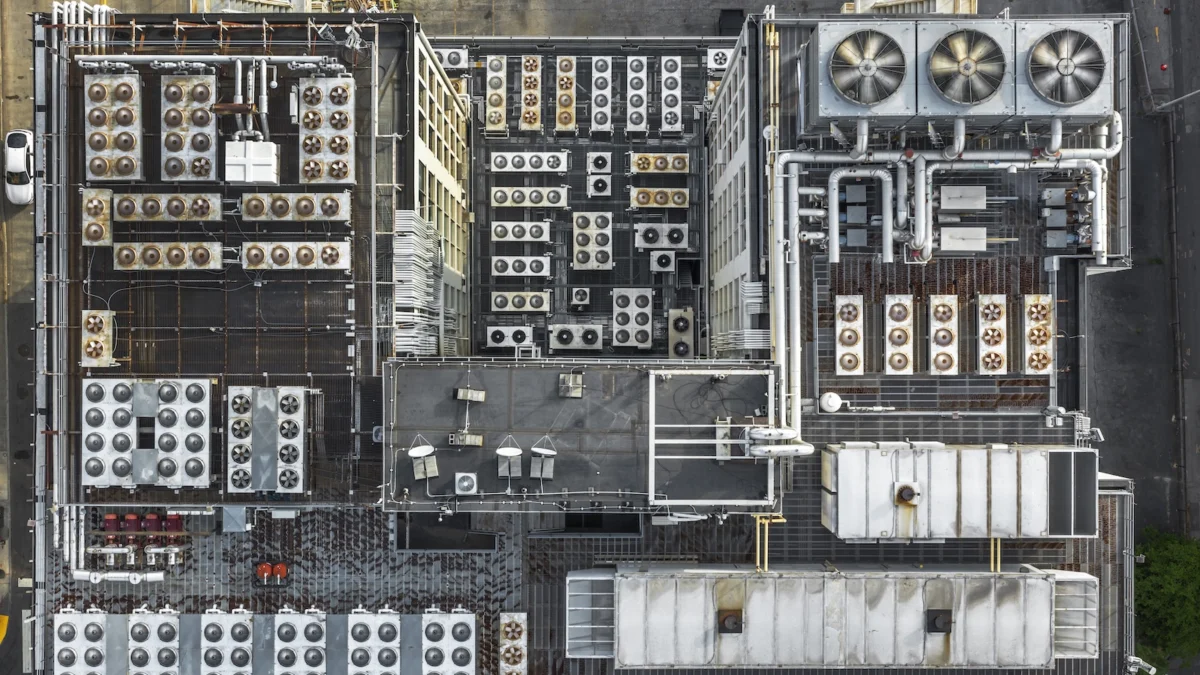
Perhaps the most surprising trend of the 2026 midterms was the emergence of the "data center" as a potent campaign issue. Voters, concerned about the surging energy demands of the AI boom and the subsequent strain on local grids, turned against incumbents who supported the construction of these massive facilities.
In Ohio, the phrase "See that data center? Jon Husted did that" became a rallying cry, helping Democrat Sherrod Brown unseat the Republican challenger in a special Senate race. Similarly, in Pennsylvania, Democrat Paige Cognetti utilized television ads to associate her opponent, Rob Bresnahan, with data center developments, ultimately leading to an upset in the 8th Congressional District.
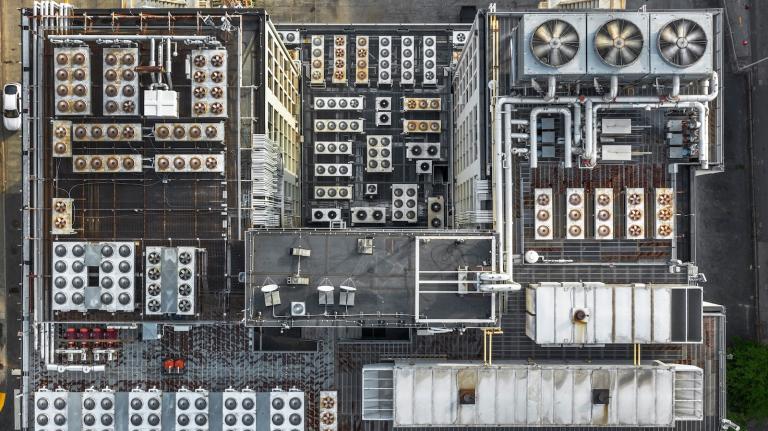
The sentiment was not limited to federal races. Across the country, over 20 municipal ballot measures designed to restrict or ban data center development passed by wide margins, signaling a localized movement that lawmakers can no longer afford to ignore.
Official Responses and Strategic Realignment
The administration’s reaction to the loss has been muted, though President Trump signaled at a recent rally in North Carolina that federal aid would be contingent on local electoral outcomes—a stance that appeared to backfire. In areas of Western North Carolina devastated by Hurricane Helene, voters decisively chose Democratic candidate Jamie Ager, signaling a clear rejection of political conditionality in the face of disaster recovery.

Meanwhile, the Republican response at the state level is beginning to pivot. In Florida, Governor-elect Byron Donalds—while skeptical of climate science—has adopted a more pragmatic approach than his predecessor, Ron DeSantis. Facing a property insurance crisis driven by climate-related disasters, Donalds has pledged to reform disaster aid and, notably, has aligned with Democrats on certain bipartisan bills, such as the effort to make FEMA an independent, Cabinet-level agency.
Implications for Climate Policy
The election results effectively place a "firewall" around the remaining components of the Inflation Reduction Act. By controlling the House and Senate, Democrats can now:
- Re-impose Clean Energy Tax Credits: Legislative leaders are already drafting bills to restore the tax incentives for solar and battery storage that were rescinded by the previous Congress.
- Mandate Expenditure: By attaching "must-pass" funding riders to budget bills, Democrats can legally compel the Department of Energy to release funds for projects that were previously frozen, such as experimental hydrogen and community solar programs.
- State-Level Innovation: With full control in states like Pennsylvania and Wisconsin, Democrats are expected to fast-track legislation that prohibits local governments from banning renewable energy projects, thereby accelerating the deployment of community and warehouse solar.
- Utility Accountability: The success of Proposal 2 in Michigan—which restricts utility companies from contributing to political campaigns—sets a new national benchmark. This could trigger similar grassroots movements in other states where residents are frustrated by high power bills and unreliable grid service.
Looking Ahead: A Divided Washington
While Democrats have gained substantial leverage, the path forward remains complex. President Trump retains executive power and the veto pen. Any attempt to pass aggressive, comprehensive climate legislation will likely be met with a veto, forcing a new phase of "trench warfare" in Washington.
However, the 2026 midterms have fundamentally altered the terrain. The focus has moved from ideological debate to concrete, kitchen-table issues: the cost of heating a home, the reliability of the local power grid, the transparency of utility companies, and the ability of the federal government to respond to natural disasters. By linking these immediate concerns to broader climate policy, Democrats have successfully navigated a difficult political climate.
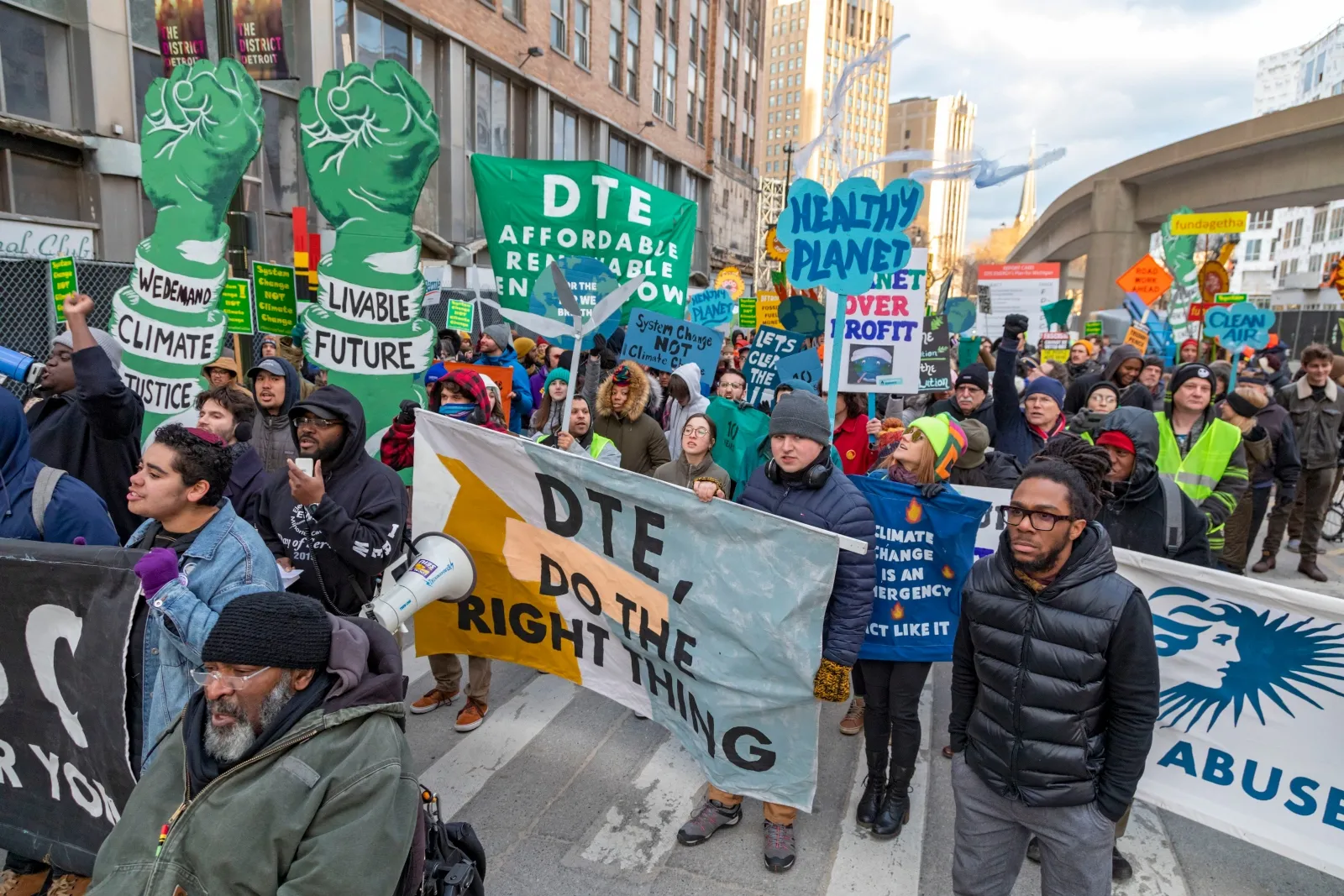
As the new Congress prepares to convene, the question is no longer whether climate policy will be debated, but rather how much of the administration’s deregulatory agenda can be dismantled. The era of the "uncontested rollback" is over; a new period of intense legislative oversight and state-level activism has begun. With the climate clock ticking and public sentiment clearly shifting, these midterm results are likely to be remembered as the moment the U.S. political system finally began to reconcile the urgent demands of energy transition with the lived realities of the American voter.


 Azzam Bilal Chamdy

 Evan Lee Salim