
 Laily UPN
WASHINGTON — In a political landscape defined by record-shattering participation and a profound desire for systemic change, the American electorate has spoken with an urgency that officials are calling a definitive rejection of the status quo. Following the November 4, 2026, midterm elections, Maya Wiley, president and CEO of The Leadership Conference on Civil and Human Rights, issued a searing assessment of the current national mood, characterizing the vote as a "Third Reconstruction" movement that transcends traditional partisan boundaries.
The Main Facts: A Resounding Demand for Change
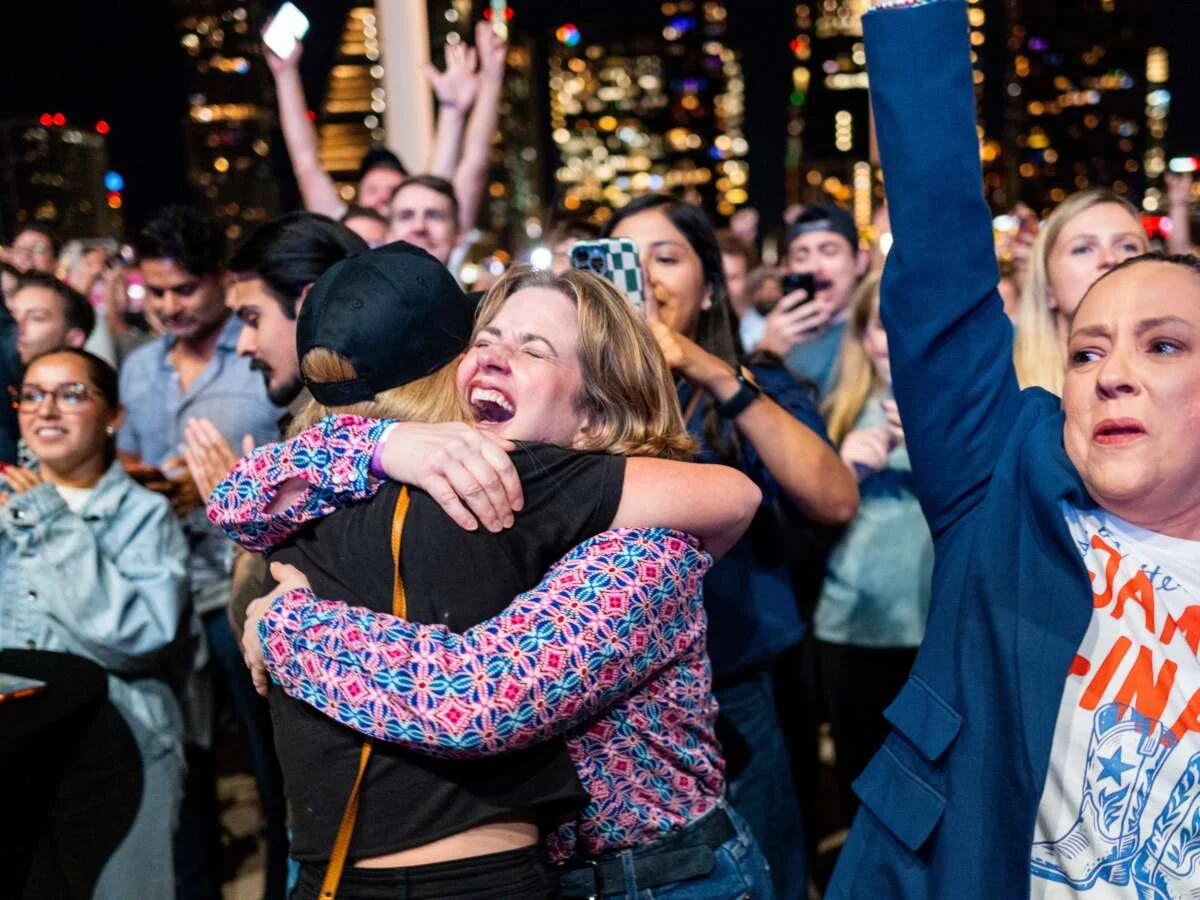
The 2026 midterms defied conventional political wisdom. Rather than a typical low-turnout affair characterized by administrative doldrums, the nation experienced a "flood of voters" that mirrored the intensity of a presidential cycle. The central takeaway from this election is not merely a shift in seat distribution, but a fundamental repudiation of the governance model observed over the past two years.
According to Wiley, the electorate has moved beyond narrow concerns like fuel prices, focusing instead on existential protections. The voting bloc, described as a diverse, multi-generational, and intersectional coalition, cast ballots with the explicit intent of securing civil liberties, ending administrative cruelty, and demanding a shift in national priorities from systemic corruption toward tangible public welfare.
Chronology of the 2026 Midterm Surge
The buildup to this election was marked by months of intense organizing and a hardening of resolve among marginalized communities.
- Early Autumn 2026: Civil rights organizations reported a significant uptick in voter registration drives, particularly among young voters and minority groups. Despite widespread reports of "racist gerrymandered maps" and logistical hurdles, voter engagement remained at an all-time high.
- October 2026: The Lead-up to Election Day saw a concentrated effort by The Leadership Conference to monitor polling stations, specifically in the South, where threats to voting rights—such as voter roll purges and polling place closures—were most acute.
- November 4, 2026: Election Day saw historic turnout. Reports from across the country indicated that voters of color, including Black, Latino, Asian, and Arab Americans, turned out in numbers that observers describe as a defiance of systemic intimidation.
- Post-Election Phase: As the counting process continues, the focus has shifted from mobilization to protection. The Leadership Conference has formally entered a period of intense vigilance, asserting that "every vote must be counted in every race and every place" to ensure the integrity of the democratic process.
Supporting Data: The New Coalition of "We the Majority"
The data emerging from the 2026 midterms suggests that the traditional demographic models of American politics are undergoing a rapid evolution. The Leadership Conference highlighted several key pillars of this new voting coalition:
1. The Power of Youth and Diversity
Young voters, specifically young men, emerged as a decisive force in this election. This demographic shift indicates that the "new coalition" is not merely a collection of traditional interest groups but a broader, more cohesive movement defined by shared values rather than identical backgrounds.
2. Resilience Against Voter Suppression
Despite the legal and administrative challenges posed by the Callais precedent and other restrictive measures, voter participation in targeted communities reached record levels. Latino voters, in particular, were noted for their refusal to be deterred by threats, marking a significant historical milestone in civic participation.
3. Issue Prioritization
The polling data suggests a hierarchy of needs that favored "bold, transformative change." While economic factors like pay equity were present, the primary drivers for this surge were:
- Voting Rights: Viewed as the cornerstone of all other freedoms.
- Human Rights: Specifically, the demand to end ICE-related policies and systemic violence.
- Social Infrastructure: A clear preference for health care and social stability over "war, corruption, and chaos."
Official Responses and Strategic Demands
The Leadership Conference on Civil and Human Rights has positioned itself at the forefront of the post-election discourse. Maya Wiley’s statement serves as a roadmap for the organization’s advocacy in the coming months.
"Voters didn’t just decide in this election. They demanded," Wiley stated. Her message to elected officials is unambiguous: the current political climate is not "business as usual." The organization is now calling for a "Third Reconstruction"—a multi-generational effort to rebuild the nation’s promise.
The Leadership Conference, which represents a coalition of over 240 national organizations, is emphasizing that this movement is not a temporary election-cycle spike. It is a long-term commitment to institutional reform. They are actively monitoring non-partisan election administration to prevent any interference with the ongoing tallying process, asserting that the will of the people must be the final arbiter of these results.
Implications: Building the "Third Reconstruction"
The implications of the 2026 election are profound. By voting for a "Third Reconstruction," the American public has signaled that they are no longer interested in "tinkering" with a system that has historically proven fragile.
Reforming the National Agenda
The coalition is demanding a shift in resources. The rhetoric from activists now emphasizes "health care over war" and "freedom over corruption." This represents a fundamental challenge to the established legislative priorities of both major parties. If the elected leadership fails to respond to this mandate, the coalition warns that the current surge of energy will be redirected into further grassroots organizing.
Addressing the Fragility of Progress
A key theme of the current movement is the acknowledgment of "dreams deferred." The Leadership Conference argues that previous attempts at civil rights reform were too fragile, often resulting in legal or administrative rollbacks. The current goal is to build an "unbreakable union" that is protected by robust civil rights safeguards and economic opportunities that are not contingent on the whims of political cycles.
The Road Ahead
As the nation moves into the transition period, the focus will remain on holding power accountable. The "We the Majority" coalition—a cross-section of race, gender, sexuality, religion, and geography—has set the stage for a period of intense civic engagement.
The Leadership Conference on Civil and Human Rights remains committed to its mission of creating an "America as good as its ideals." For the members of this vast coalition, the election was not the finish line, but the starting point for a systemic overhaul. The demand for a Third Reconstruction is a call for a future where jobs, freedom, and civil rights are guaranteed as the bedrock of the American experience.
For ongoing updates on the electoral process and the advocacy efforts of The Leadership Conference, stakeholders and the public are encouraged to follow the organization’s progress through their official channels and to continue the dialogue regarding the necessary steps to secure a more equitable future.
The Leadership Conference on Civil and Human Rights is the nation’s oldest and largest civil rights coalition, charged by its diverse membership of more than 240 national organizations to promote and protect the rights of all persons in the United States. For more information, visit www.civilrights.org.

 Rifan Muazin
 Asro