 Basiran
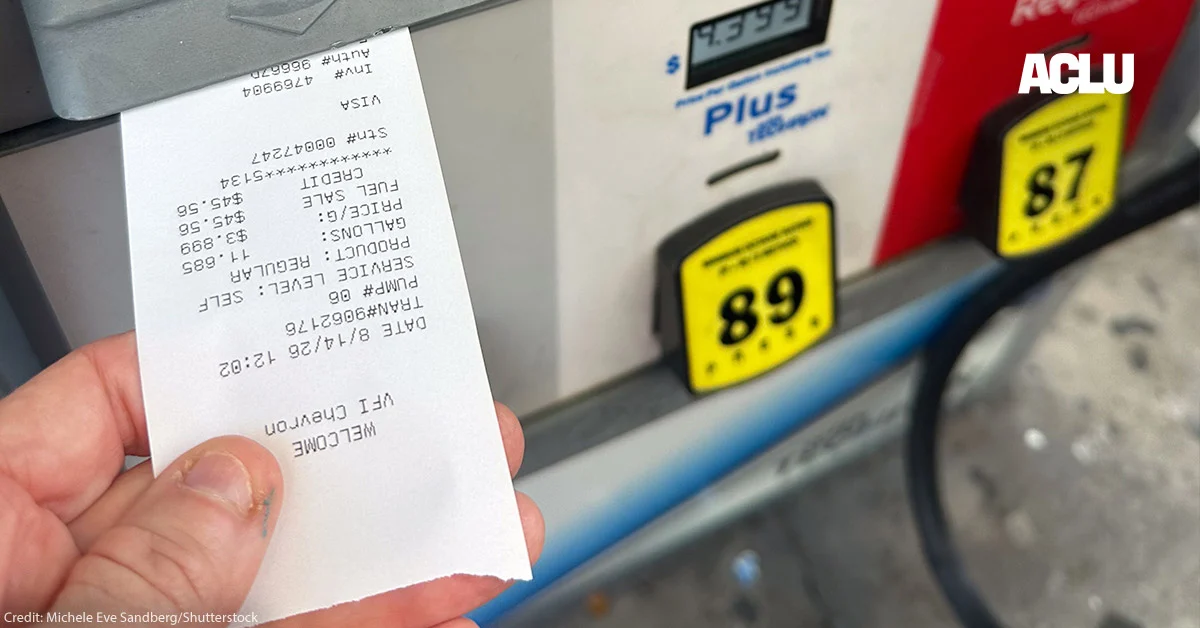
As the nation approaches another pivotal election cycle, the American consciousness is dominated by a singular, gnawing anxiety: the affordability crisis. Across the country, the fundamental promise of the American Dream—the idea that diligent work leads to a secure, stable life—is fraying under the pressure of stagnant wages and skyrocketing costs. From the price of a gallon of gas to the insurmountable burden of housing and healthcare, the average family budget is being hollowed out.
Yet, as political advertisements flood the airwaves with promises of relief, a growing chorus of voters from across the ideological spectrum has reached a cynical, albeit evidence-backed, conclusion: the system is not broken; it is designed exactly as intended.
The Disconnect: Economic Pain and Political Profit
The disparity in the United States has reached levels that defy historical norms. While millions of Americans struggle to secure the basic necessities of life, the wealthiest 10% of the population controls a staggering 67% of the nation’s total wealth. This concentration of resources has created a feedback loop that serves to entrench political power at the expense of public welfare.
For the average citizen, the math does not add up. They see lobbyists and corporate donors wielding outsized influence over the legislative process, while their own concerns regarding utility bills, grocery prices, and rent go unaddressed. This is not merely a matter of economic policy mismanagement; it is an issue of political representation. When politicians rely on corporate benefactors to secure their seats, their policy decisions inevitably tilt in favor of those who pay for their access, rather than those who cast the ballots.
The Mechanism of Exclusion
The current political landscape is marked by a disturbing trend: politicians increasingly operate with a sense of insulation from their constituents. Through tactics like partisan gerrymandering, the manipulation of ballot access, and the sidelining of marginalized communities, elected officials are effectively choosing their voters rather than allowing voters to choose them.
This environment has facilitated a governance model where government power is frequently weaponized. In some instances, executive branch officials and members of Congress have been accused of utilizing taxpayer-funded resources to reward loyalists and punish political opponents, including the use of investigations and prosecutions to stifle dissent from journalists and advocacy organizations. Meanwhile, corporations enjoy an environment of minimal oversight, allowing for price gouging, monopolistic practices, and environmental degradation that disproportionately impacts vulnerable neighborhoods.
Chronology of a Crisis: From Public Trust to Systemic Stagnation
The erosion of the American social contract did not happen overnight. It is the result of decades of policy shifts that have prioritized the interests of capital over the interests of the citizenry.
- 1980s–2000s: The rise of deregulation and the weakening of labor protections allowed for the initial concentration of wealth. As unions declined and corporate lobbying became more sophisticated, the legislative branch began to reflect a narrower set of interests.
- 2010 (Citizens United): The Supreme Court’s decision to allow unlimited independent political spending by corporations and unions fundamentally altered the electoral landscape. The "money in politics" era ushered in a period where access became the primary currency of governance.
- 2020–2022 (The Pandemic and Inflationary Surge): The global economic shocks of the pandemic exposed the fragility of the American supply chain and the inadequacy of the social safety net. As inflation surged, the disconnect between record corporate profits and stagnant household income became impossible to ignore.
- The Present: We are currently in a cycle where the "affordability crisis" is the primary political talking point, yet concrete legislative action remains stalled, trapped in a cycle of partisan gridlock and corporate influence.
Supporting Data: What Voters Are Actually Saying
The perception that the system is rigged is not merely a fringe theory; it is supported by robust data. A recent study conducted by the American Civil Liberties Union (ACLU) in partnership with the Global Strategy Group reveals that voters, regardless of party affiliation, identify political corruption as the primary barrier to economic recovery.
Key Research Findings:
- The Corruption Connection: Nearly 50% of voters agree that the biggest obstacle to lowering the cost of living is the existence of out-of-touch politicians who fear alienating their corporate benefactors.
- Public Priority: Voters identified the act of "holding corrupt politicians accountable" as the single most effective policy for improving national affordability.
- Broad Consensus: A Fox News poll highlighted that 60% of registered voters are "extremely concerned" about government corruption, transcending traditional partisan divides.
The human element of these statistics is visceral. A swing voter from Utah remarked, “Special interest groups, wealthy people and businesses can spend millions to buy a spot at the table and a voice in decision-making, while we have people who can’t afford meals, housing or healthcare.” Similarly, a Republican voter in Pennsylvania noted, “When the wealthy, lobbyists or corporations have greater access to influence politicians, it makes it more challenging to trust that the voice of the common person matters.”
Official Responses and the Stance of Advocacy Groups
The ACLU, long a guardian of constitutional rights, has taken a firm position on this matter. While the organization maintains strict neutrality regarding political candidates and specific economic policies, it argues that the fundamental architecture of our democracy is currently in a state of crisis.
The ACLU’s position is clear: the economy is downstream of the government. If the government is beholden to corporate interests, the economy will inevitably prioritize those same interests. Therefore, to solve the affordability crisis, the nation must first resolve the accountability crisis.
This requires a multi-pronged approach to restoring democratic health:
- Ending Partisan Gerrymandering: Ensuring that districts are drawn fairly so that politicians are forced to compete for the votes of the people, not just the approval of party leadership.
- Protecting Voting Rights: Removing barriers to the ballot box to ensure that every eligible citizen can participate in the democratic process.
- Digital Privacy and Surveillance Reform: Preventing governments and corporations from utilizing personal data, license plate tracking, and search histories to manipulate voter behavior.
- Enforcing Accountability: Providing citizens with the legal standing to sue government agencies and agents who violate their constitutional rights, ensuring that power is checked by the judiciary and the public.
Implications: The Path Forward
The implications of failing to address this "rigged" system are severe. When a population loses faith in the ability of their government to improve their material conditions, the result is deep-seated social polarization, cynicism, and the potential for long-term democratic instability.
However, the current moment also offers a unique opportunity. Because the frustration with the status quo is so widespread, there is a potential for a cross-partisan movement to reclaim the machinery of government. When a Republican voter in Pennsylvania and a swing voter in Utah are identifying the exact same cause for their economic suffering, the conditions are ripe for structural change.
A functioning representative democracy does not promise that every policy will succeed, nor does it guarantee specific outcomes. What it does guarantee—or at least, what it is supposed to guarantee—is that those who make the decisions must answer to those who live with the consequences.
The promise of a government "of the people, by the people, and for the people" is not an abstract concept; it is the fundamental filter through which all other issues must pass. If the government is listening to lobbyists, it cannot hear the worker struggling to pay for groceries. If the government is beholden to corporate donors, it cannot regulate monopolies that drive up costs.
As the next election cycle looms, the question facing every voter is not just which candidate will lower taxes or increase subsidies, but which candidate is willing to dismantle the structures that have insulated politicians from the public. We cannot hope to fix the economy without first unrigging the democracy. The power to change this trajectory remains in the hands of the electorate, provided they demand a system that is as committed to their welfare as it currently is to the interests of the wealthy few.

 Nana

 Layla Zulfa