




 Dwi Wanna
From the depths of the Pacific Ocean to the high-altitude monitoring of atmospheric shifts, the National Oceanic and Atmospheric Administration (NOAA) serves as the silent backbone of American safety and economic stability. While often associated primarily with weather forecasting, the agency’s mandate has expanded into a multifaceted research enterprise that influences everything from the purity of our tap water to the sustainability of the global food supply.
In an era defined by rapid environmental change and increasing climate volatility, NOAA’s role has transitioned from a purely observational body to an active engine of innovation. By leveraging advanced satellite technology, oceanic exploration, and predictive modeling, the agency is actively working to mitigate the impacts of hazardous weather, ensure the long-term viability of coastal ecosystems, and bolster the nation’s economic health.
Main Facts: The Pillars of NOAA’s Current Research
NOAA’s research portfolio is vast, but it is currently concentrated on five critical domains designed to improve the daily lives of citizens.
First, the agency is prioritizing water security. Through advanced hydrological modeling, NOAA is providing municipalities with the tools necessary to detect contaminants and manage water infrastructure more efficiently, ensuring that the water flowing into American homes remains safe and reliable.
Second, climate resilience sits at the forefront of their mission. By improving the granularity of long-range weather forecasts, NOAA is enabling local governments and private industries to prepare for extreme events—such as prolonged droughts or intense flooding—long before they occur. This predictive capability saves billions of dollars in disaster recovery costs annually.
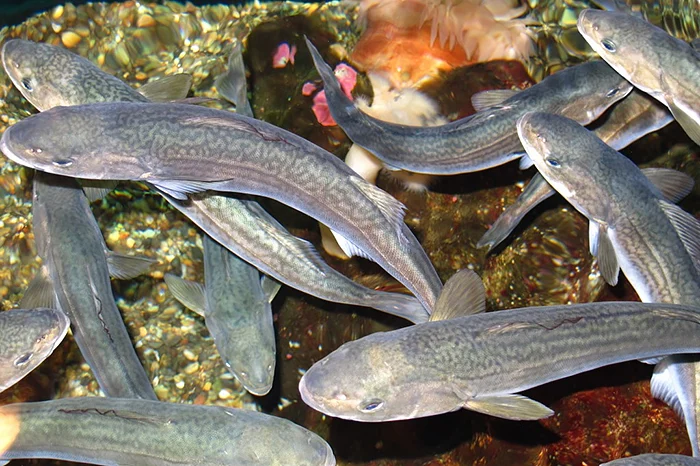
Third, sustainable marine resource management is a key focus, particularly regarding fisheries like the sablefish. By tracking population health and environmental stressors, NOAA ensures that the U.S. seafood industry remains productive without depleting natural stocks.
Fourth, economic support for the blue economy is being bolstered by better mapping and data collection, which aids in safe maritime navigation and offshore energy development.
Finally, the agency is maintaining a robust R&D enterprise, investing in next-generation satellite technology and AI-driven predictive analytics that serve as the foundation for all the aforementioned goals.
Chronology: The Evolution of NOAA’s Research Focus
The trajectory of NOAA’s research has evolved significantly since its inception in 1970. Initially, the agency was tasked primarily with environmental assessment. However, the 21st century has seen a shift toward "actionable intelligence."
- 1970s–1980s: The Foundational Era. During this period, the primary focus was on basic monitoring and data collection. The establishment of satellite programs allowed for the first real-time views of global weather patterns.
- 1990s–2000s: The Rise of Modeling. As computing power increased, NOAA began to transition from monitoring to modeling. This allowed for the first accurate 5-to-7-day hurricane tracks, which significantly reduced casualties during major storm events.
- 2010s: The Integrated Approach. The agency began to break down silos between atmospheric and oceanic research. Recognizing that the ocean and atmosphere are a single, coupled system, NOAA intensified its focus on how ocean warming affects weather patterns on land.
- 2020–Present: The Era of Precision. Today, the agency is leveraging Artificial Intelligence (AI) and machine learning to process petabytes of environmental data. The goal is no longer just to report what is happening, but to provide localized, actionable warnings that can be used by everyone from local farmers to city water planners.
Supporting Data: Quantifying the Impact
The efficacy of NOAA’s research is best understood through the metrics of its impact on the American economy and safety.
Economic Resilience and Disaster Mitigation
According to data from the National Centers for Environmental Information (NCEI), the U.S. sustained 28 separate weather and climate disaster events in 2023, each costing at least $1 billion. NOAA’s improved forecasting capabilities have been instrumental in reducing the mortality rate of these events. For every dollar invested in the National Weather Service (NWS)—a division of NOAA—the estimated return on investment for the economy exceeds $20 in saved property and increased efficiency.
Fisheries and Food Security
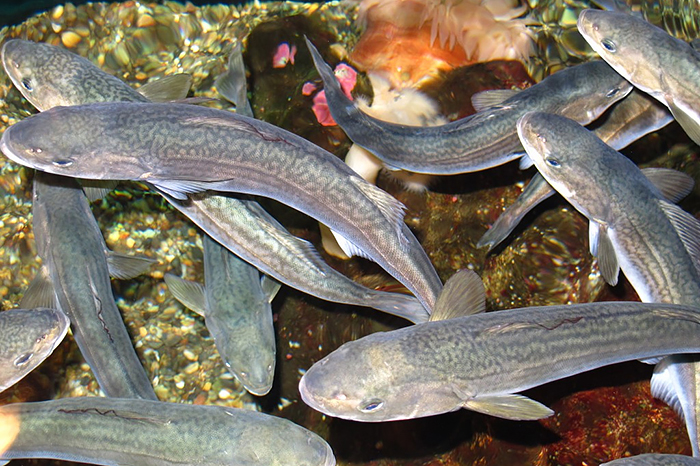
Regarding the sablefish population—featured prominently in recent agency reports—NOAA researchers utilize trawl surveys and environmental DNA (eDNA) sampling to monitor biomass. Data shows that sustainable management practices have allowed for a stable annual harvest that supports thousands of jobs in the Pacific Northwest and Alaska. By maintaining a maximum sustainable yield (MSY) model, NOAA ensures that this industry continues to contribute over $100 million annually to the regional economy.
Water Quality and Infrastructure
NOAA’s hydrological monitoring networks cover thousands of river gauges across the United States. This data is not just for flood warnings; it is integrated into the Environmental Protection Agency’s (EPA) water quality assessments. By tracking streamflow and temperature changes, NOAA helps identify areas at high risk for toxic algal blooms, allowing for proactive intervention before water sources are compromised.
Official Responses and Strategic Directions
In recent briefings, NOAA leadership has emphasized the concept of "Environmental Intelligence." This is the practice of transforming raw data into insights that stakeholders can act upon immediately.
"Our mission is to ensure that the data we collect is not just stored in a server, but is actively working for the American public," stated a spokesperson for the agency. "When we track a sablefish population or monitor a shift in atmospheric pressure over the Pacific, we are creating a safety net for our food security and our disaster preparedness infrastructure."
The agency has also noted a pivot toward greater public-private partnerships. By sharing its vast datasets with private weather tech companies, NOAA is fostering a robust ecosystem of commercial applications—ranging from precision agriculture apps for farmers to route optimization software for the shipping industry. This approach amplifies the reach of government research, turning federal investment into widespread commercial utility.
Implications: A Future Defined by Data
The implications of NOAA’s ongoing research are profound. As the global climate continues to shift, the predictability of our environment is no longer a given. The work being done by NOAA today serves as a crucial bridge between environmental uncertainty and human stability.
Implications for Coastal Communities
For the millions living in coastal zones, the agency’s research on sea-level rise and storm surge is the difference between safe infrastructure and catastrophic failure. NOAA’s investments in high-resolution mapping and flood modeling are enabling cities to build "smarter"—using natural buffers like mangroves and wetlands in conjunction with sea walls, a strategy informed by decades of ecological research.
Implications for Global Food Systems
The research into marine ecosystems is essential for global food security. As land-based agriculture faces challenges from shifting climate zones, the ocean will become an increasingly important source of protein. NOAA’s commitment to sustainable fisheries management ensures that this "blue harvest" remains viable for future generations, preventing the collapse of ecosystems that are currently under pressure from overfishing and ocean acidification.
Implications for Scientific Innovation
Finally, NOAA’s role as a leader in research and development has a "trickle-down" effect on the scientific community. By funding cutting-edge sensor technology and advanced oceanographic research, the agency is driving the growth of the "Blue Economy." This encompasses a range of industries, from marine renewable energy to deep-sea mining exploration, all of which require the foundational environmental data that only NOAA can provide.
Conclusion
NOAA is far more than an agency of weather reports and satellite imagery. It is a vital institution that works behind the scenes to ensure that the environment remains a resource rather than a hazard. Through its rigorous focus on water security, sustainable fisheries, climate resilience, and technological innovation, the agency is effectively safeguarding the economic and physical well-being of the United States.
As we look toward the future, the integration of AI, satellite technology, and ocean exploration will only increase the importance of NOAA’s mandate. For the citizen, this means more reliable water, safer communities, and a more stable economy. For the nation, it means a clearer view of the challenges ahead and the tools necessary to meet them with confidence. As the researchers continue to study the sablefish in the Pacific and the clouds above our cities, they are, in essence, conducting the research that makes modern life not just possible, but prosperous.


 Siti Muinah

 Nila Kartika Wati





