

 Sagoh
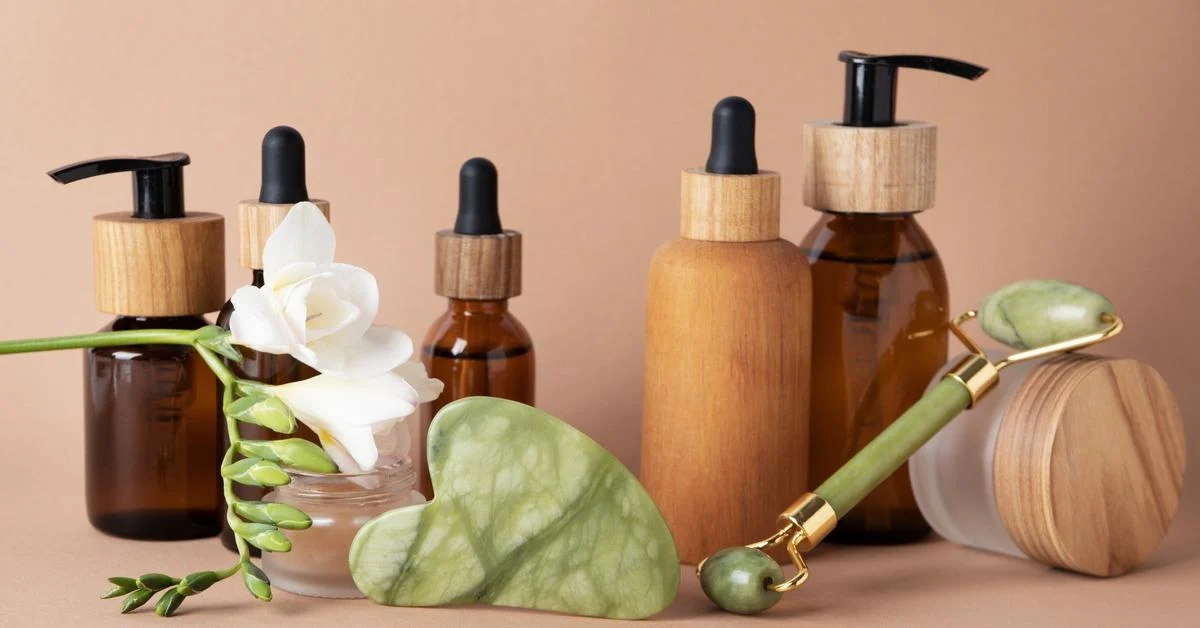
In a beauty landscape increasingly saturated with vague claims and fleeting trends, the term "regenerative" has emerged as a beacon of hope for consumers seeking products that align with environmental and ethical values. However, like many buzzwords in the wellness industry, "regenerative" can be a slippery concept, often used loosely without a verifiable standard. This article delves into the true meaning of Regenerative Organic Certified® (ROC) skincare, explores its rigorous requirements, and highlights the pioneering brands in the US that are genuinely embracing this transformative approach to agriculture and product development.
The Genesis of Regenerative: Beyond Organic, Towards Restoration
Regenerative agriculture is not merely about sustaining current conditions; it’s a philosophy and practice that aims to actively improve the land and ecosystems from which our ingredients are sourced. At its core, it signifies a commitment to farming methods that enhance soil health, increase biodiversity, improve the water cycle, and support the well-being of farm animals and the people who cultivate the land. This stands in contrast to conventional agriculture, which can often deplete soil nutrients, contribute to erosion, and have a negative impact on surrounding environments.
While USDA Organic certification sets a crucial baseline by prohibiting synthetic pesticides, fertilizers, and GMOs, Regenerative Organic Certified® takes this a significant step further. It builds upon the foundation of organic principles and layers on stringent requirements in three key areas:
- Soil Health and Biodiversity: ROC mandates practices that actively build soil organic matter, enhance soil structure, and promote a thriving underground ecosystem. This includes methods like cover cropping, no-till farming, and composting, which sequester carbon and improve water retention.
- Animal Welfare: For operations that involve livestock, ROC establishes robust standards for animal well-being. This encompasses access to pasture, appropriate living conditions, and humane treatment throughout the animal’s life.
- Social Fairness for Farmers and Workers: A critical component of ROC is its emphasis on fair labor practices. This includes ensuring fair wages, safe working conditions, and the empowerment of farmers and agricultural workers. This aspect distinguishes ROC as a truly holistic standard that considers the human element alongside environmental stewardship.
These comprehensive standards mean that any product carrying the ROC seal signifies a deep commitment to a holistic approach to farming and production. It’s a certification that offers a verifiable guarantee of practices that go beyond mere sustainability to actively restore and enhance the natural world.
Deciphering the "Regenerative" Claim: What the Seal Actually Certifies
The proliferation of "regenerative" claims in the beauty industry has unfortunately led to confusion. Unlike "USDA Organic," the term "regenerative" on its own is not a protected designation in the United States. This ambiguity has allowed some brands to use the term loosely, often referring to general farming practices that may not have undergone rigorous third-party auditing.
The Regenerative Organic Certified® (ROC) program, administered by the non-profit Regenerative Organic Alliance (ROA), provides the crucial checkable meaning that consumers are seeking. The ROC certification is not a simple checkbox; it’s a multi-tiered system that rates certified operations as Bronze, Silver, or Gold, depending on their level of adherence to the stringent requirements.
Understanding ROC Labeling Guidelines:
The ROA has established clear labeling guidelines to ensure transparency and prevent misleading claims. The type of claim a finished product can make depends on the percentage of certified material it contains (excluding water and salt):
| Certified Content | What the Label May Say | Seal Allowed? |
|---|---|---|
| 95% or more | "Regenerative Organic Certified®" on the front | Yes |
| 70% to under 95% | "Made with Regenerative Organic Certified® [up to three ingredients]" on the front | No |
| Under 70% | Certified ingredients identified on the ingredient list only | No |
Crucially, these guidelines mandate the use of the full phrase, including the registered mark, whenever a claim appears in text. A product that simply states "regenerative" without the accompanying seal or clearly marked ingredients is making no certified claim and should be viewed with skepticism. This distinction is vital for consumers who want to make informed purchasing decisions based on verifiable standards.
The Pioneering Path: Brands Leading the Regenerative Organic Skincare Movement
The journey towards widespread adoption of Regenerative Organic Certified® ingredients in skincare is still in its nascent stages. The certification is more commonly found in food products, making its presence in the beauty sector a significant indicator of a brand’s commitment to groundbreaking ethical and environmental practices. The following brands have demonstrated a verifiable commitment to ROC, either through certified products or ingredients.
1. evanhealy: The Unambiguous Leader in ROC Skincare
evanhealy stands as a true trailblazer, holding the distinction of being named by the Regenerative Organic Alliance as the world’s first Regenerative Organic Certified® beauty brand. This designation, announced in March 2026, marks a significant milestone for the skincare industry. While Regenerative Organic Certified® ingredients were present in personal care products prior to this, evanhealy’s achievement signifies an entire brand built around this ethos.
The cornerstone of their ROC offering is the Balm of Gilead Elixir. This meticulously crafted facial oil proudly displays the Regenerative Organic Certified® seal on its packaging. Upon closer inspection of the ingredient panel, one finds that the olive oil, jojoba oil, and immortelle within the elixir are each individually marked as Regenerative Organic Certified®. Furthermore, every ingredient in the elixir is also USDA Organic certified by Oregon Tilth.
The Balm of Gilead Elixir itself is an exquisite formulation, free from essential oils and featuring a harmonious blend of frankincense, myrrh, and guggul resins, alongside balsam poplar buds. These precious botanicals are infused into a base of high-quality olive and jojoba oils, finished with the delicate touch of immortelle. The result is a potent yet gentle facial oil that leaves the skin feeling supple and radiant, imbued with a warm, resinous aroma.
Beyond this flagship product, evanhealy further solidifies its commitment by sourcing ingredients from four dedicated Regenerative Organic Certified® farms:
- Oshala Farm: Providing certified herbs.
- Jalisco Jojoba: Supplying certified jojoba oil.
- Morning Myst Botanics: Offering certified hydrosols.
- Frantoio Grove: Delivering certified olive oil.
This extensive network of certified farms underscores evanhealy’s deep integration of ROC principles throughout its supply chain. While currently only one product carries the full ROC seal, the majority of the brand’s range is formulated with ROC-certified ingredients, offering consumers a substantial pathway towards a truly regenerative skincare ritual.
Caveats and Considerations for evanhealy:
It’s important to acknowledge that while evanhealy is leading the charge, a complete ROC-certified skincare routine, from cleanser to moisturizer, is not yet a reality from any single brand. The Balm of Gilead Elixir, while exceptional, is a small bottle and its potent, resinous scent may not appeal to everyone. However, for those seeking the highest level of certification and unparalleled transparency regarding ingredient sourcing, evanhealy’s commitment is undeniable.
Best for: Consumers who prioritize the full Regenerative Organic Certified® seal on their skincare products and those who value complete traceability of their ingredients back to the farm.
The evanhealy Stewards Program: Cultivating Reciprocity and Transparency
A distinctive aspect of evanhealy’s approach is its Stewards Program. This initiative shines a spotlight on the farmers, women’s cooperatives, and distillers who are integral to the creation of their ingredients. The brand profiles these partners on its website, highlighting their dedication to principles of reciprocity, soil health, biodiversity, and the economic vitality of their communities.
The Stewards Program offers a level of transparency that extends beyond the ROC certification itself. While not every steward is ROC-certified, the program provides consumers with a name, a place, and a description of the practices employed behind each ingredient. This direct connection to the source fosters a deeper understanding and appreciation for the human and environmental efforts involved in producing these high-quality ingredients. It is this profound connection to the source that truly embodies the spirit of regenerative agriculture.
2. Dr. Bronner’s: A Foundation for ROC in Personal Care
Dr. Bronner’s, a brand long synonymous with ethical sourcing and unwavering commitment to social responsibility, was an early adopter of Regenerative Organic Certified® ingredients in the personal care sector. In 2020, the company launched its first ROC-certified products: Whole Kernel and White Kernel Virgin Coconut Oils.
Today, Dr. Bronner’s iconic Pure-Castile Magic Soaps (both liquid and bar formulations) proudly carry the "Made with Regenerative Organic Certified® oils" claim on their front labels. The brand has transitioned its coconut, palm, palm kernel, olive, and hemp seed oils to ROC-certified status, demonstrating a significant commitment to elevating the standard of ingredients used in everyday personal care products.
Caveats and Considerations for Dr. Bronner’s:
While Dr. Bronner’s has made immense strides in bringing ROC ingredients to the forefront, their current ROC-certified offerings are primarily soaps and a multipurpose oil. For facial skincare, many individuals with dry or sensitive skin may find castile soap too stripping for daily use. Similarly, coconut oil, while beneficial for body care, is often considered pore-clogging for facial skin.

Best for: Consumers seeking ROC-certified options for body care, hand washing, and household cleaning, from a brand that has been instrumental in championing this certification within the personal care industry.
3. Davines: A Glimpse of ROC in Limited Edition Luxury
Davines, an esteemed Italian hair care company, has also ventured into the realm of Regenerative Organic Certified® ingredients. The company actively participates in the European Regenerative Organic Center in Parma, in collaboration with the Rodale Institute. This center achieved Regenerative Organic Certification in 2024.
In 2025, Davines launched a special limited edition product: the WE STAND/for regeneration hair, body and face butter. This luxurious butter is formulated with the calendula grown at the European Regenerative Organic Center, which has attained ROC certification.
Caveats and Considerations for Davines:
The WE STAND/for regeneration butter is a limited-edition offering, primarily available through Davines salons. While it represents a significant step for the brand and a delightful way for their clients to experience ROC ingredients, it is not a comprehensive skincare line that can support a full daily routine.
Best for: Existing Davines salon clients who wish to experience a limited edition product featuring ROC-certified calendula.
4. Oshala Farm: Direct Access to ROC Certified Botanicals
Oshala Farm, nestled in the picturesque Applegate Valley of southern Oregon, is a testament to the power of direct-to-consumer regenerative agriculture. This farm proudly displays the Regenerative Organic Certified® Silver seal and cultivates a range of herbs that it sells directly to consumers. Furthermore, Oshala Farm serves as a vital supplier of certified herbs to brands like evanhealy.
Consumers can assess the ROC certification status of Oshala Farm’s products by carefully examining their labels. The farm offers a Body & Bath range, and the certification applies to the ingredients used within these products.
Caveats and Considerations for Oshala Farm:
It is important to note that Oshala Farm is primarily an agricultural operation, not a dedicated skincare brand. While their products can be incorporated into a skincare routine, their focus is on the raw botanicals.
Best for: Home herbalists and DIY enthusiasts who wish to create their own infused oils and skincare preparations using certified regenerative herbs, offering a direct connection to the source.
5. Dr. Hauschka: A Biodynamic Legacy, Not Yet ROC
While not carrying the Regenerative Organic Certified® seal, Dr. Hauschka warrants mention in any discussion of ethically farmed and rigorously audited ingredients. The brand’s commitment to holistic principles is deeply rooted in its history. Their medicinal plant garden in Germany, established in 1955, is certified by Demeter, the leading biodynamic standard.
Dr. Hauschka emphasizes that its raw materials are sourced from controlled organic or biodynamic cultivation "where possible." Their iconic Rose Day Cream, for instance, combines the nourishing properties of rose petal and wild rosehip extracts with shea butter and avocado oil.
Caveats and Considerations for Dr. Hauschka:
It is crucial to understand that biodynamic farming, while sharing many ethical and environmental goals with regenerative agriculture, is a distinct and older standard with its own set of rules. Biodynamic certification is not equivalent to Regenerative Organic Certified®. Additionally, not all of Dr. Hauschka’s ingredients originate from their own biodynamic garden.
Best for: Consumers who seek an audited farming standard behind a classic and widely available face cream and who appreciate the long-standing commitment to holistic cultivation practices.
The Impact of Regenerative Organic Certification on Skin Health and the Planet
A fundamental question arises: is regenerative organic skincare inherently "better" for your skin? The honest answer is, not necessarily. Regenerative Organic Certified® is an agricultural standard, focusing on the ethical and ecological production of ingredients. It does not, in itself, dictate the efficacy or performance of a finished skincare product.
However, what ROC does offer is unparalleled assurance about the provenance of your ingredients and the values embedded in their creation. When you choose a ROC-certified product, you are investing in:
- Healthier Soil: Practices that enhance soil structure, fertility, and carbon sequestration.
- Thriving Biodiversity: Support for a wider array of plant and animal life on farms.
- Improved Water Cycles: Enhanced water retention and filtration in the soil.
- Fairer Treatment: Ethical labor practices and fair compensation for farmers and workers.
This holistic approach contributes to a more resilient and sustainable global food and product system. For individuals managing specific skin conditions, it is always advisable to consult with a dermatologist or clinician. The true value of ROC lies in its certification of farming practices, not in making direct claims about skin benefits.
Regenerative Organic Certification vs. "Clean Beauty": A Crucial Distinction
The term "clean beauty" has become ubiquitous in the skincare industry, but it remains largely unregulated. It typically refers to a brand’s choice to exclude certain ingredients from its formulations, often based on perceived safety or consumer preference. While this can be a valuable approach for some, it lacks the rigorous, third-party auditing that characterizes certifications like ROC.
Regenerative Organic Certified® is an audited agricultural certification. It dictates how ingredients are grown and produced, focusing on the entire ecosystem of the farm. A product can be considered "clean" by some definitions without having any ROC-certified ingredients, and vice versa. True alignment with both principles would involve a product that meticulously avoids controversial ingredients and is made with ROC-certified components. The intersection of these two concepts is still a frontier being explored by conscious brands.
The Future of Regenerative Skincare: A Call for Deeper Integration
The emergence of brands like evanhealy and the broader adoption of ROC ingredients by companies like Dr. Bronner’s signal a positive shift in the beauty industry. As consumer awareness grows and the demand for truly sustainable and ethical products intensifies, we can expect to see more brands embracing regenerative agriculture.
The journey is ongoing, and challenges remain in scaling ROC certification across the entire skincare supply chain. However, the pioneers in this space are demonstrating that it is possible to create beautiful, effective products while actively contributing to the restoration of our planet and the well-being of its inhabitants. By understanding what the Regenerative Organic Certified® seal truly represents and by supporting the brands that are committed to its principles, consumers can play a vital role in shaping a more sustainable and equitable future for beauty. The pursuit of radiant skin need not come at the expense of a radiant planet.


 Siti Muinah

 Neng Nana