


 Reynand Wu
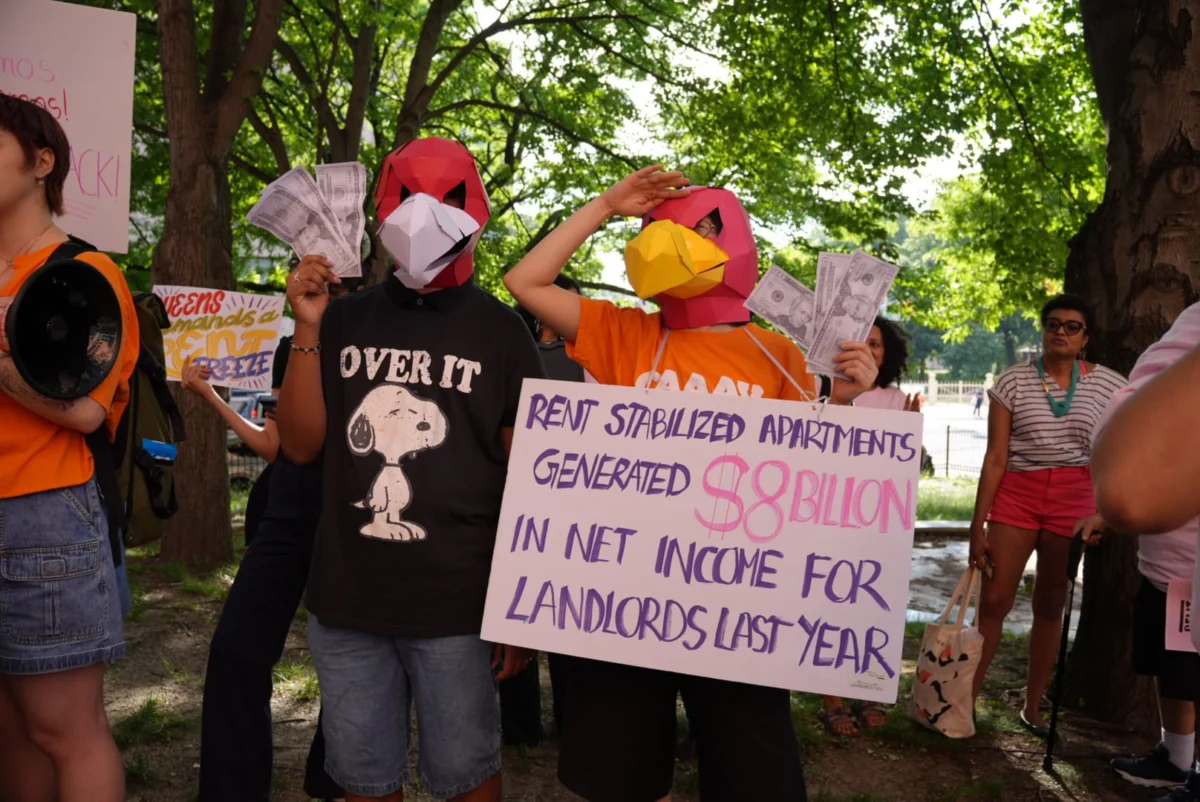
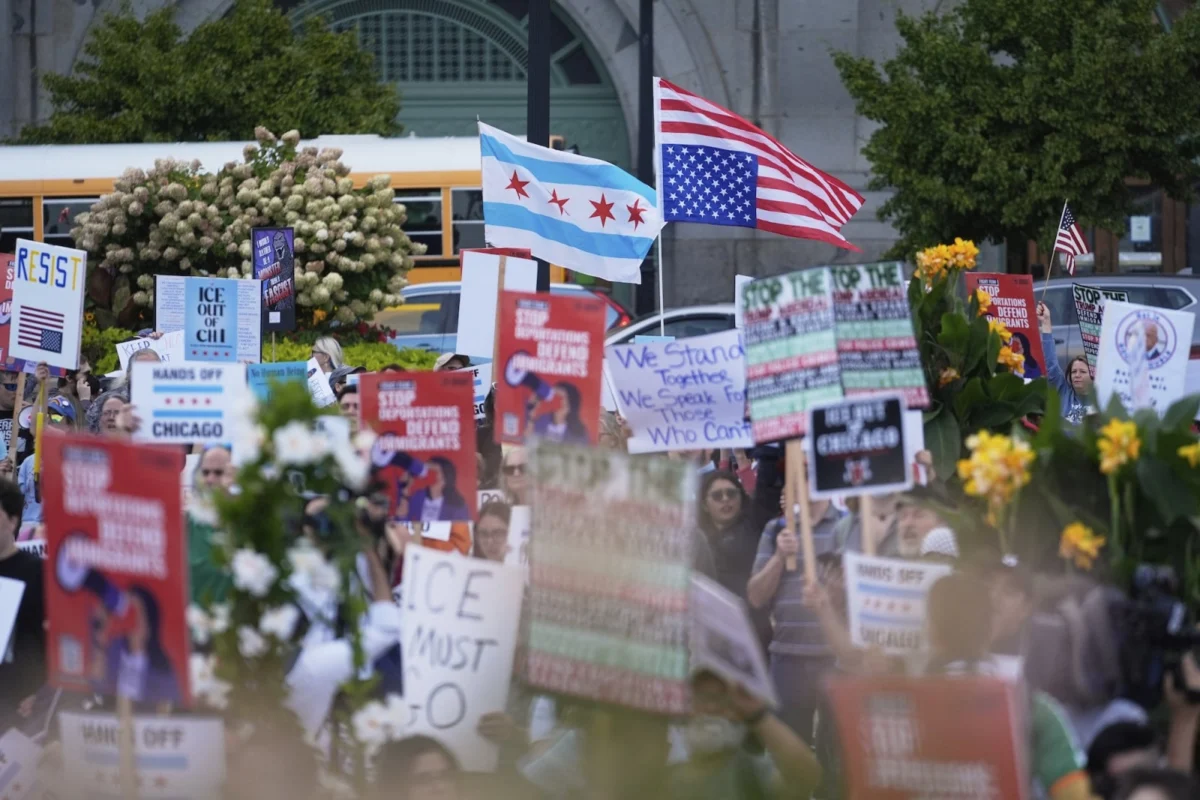
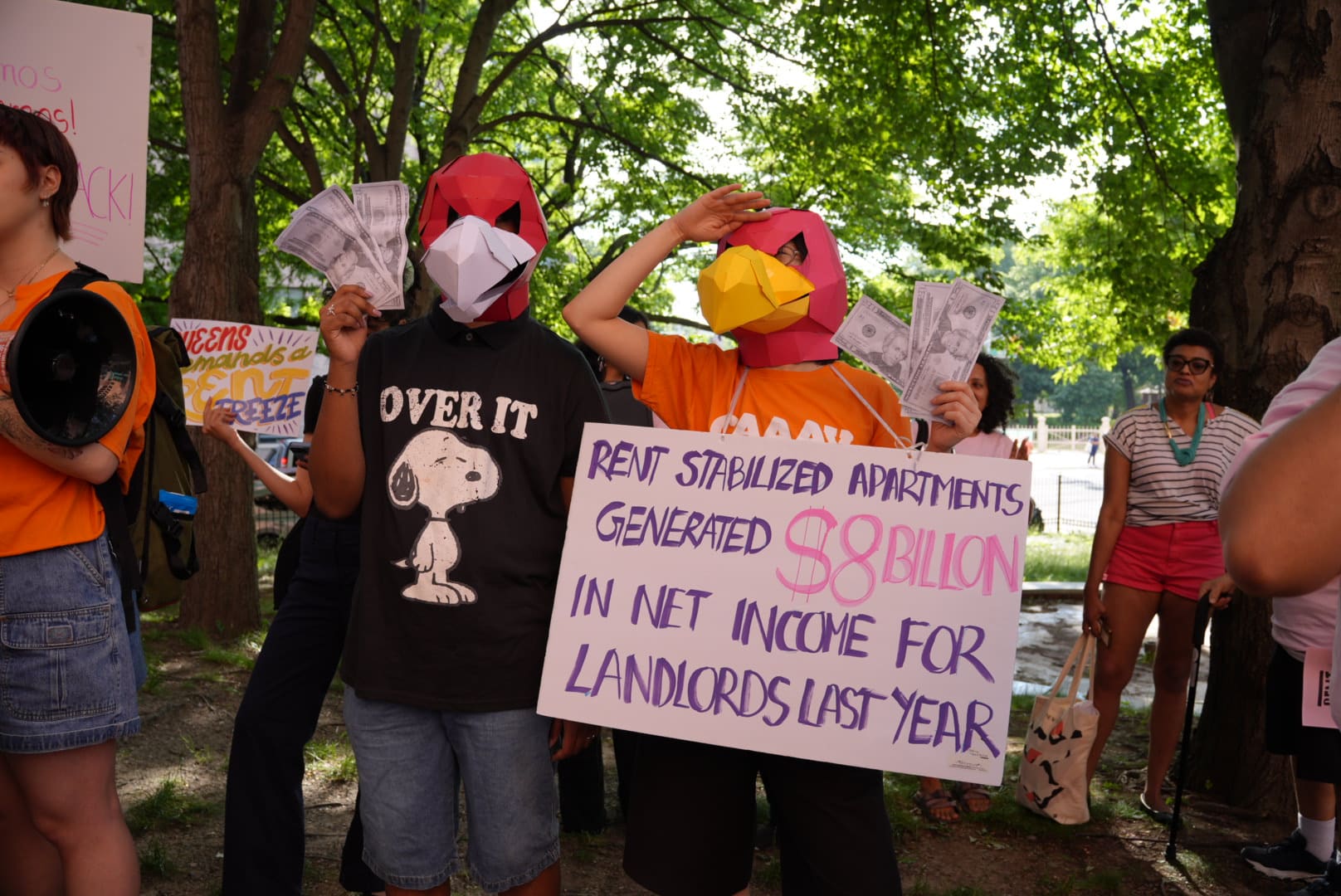
The atmosphere at Hostos Community College on June 8 was thick with the familiar, electric tension that has defined New York City’s housing discourse for decades. As the Rent Guidelines Board (RGB) convened, the auditorium—initially sparse—gradually transformed into a sea of matching T-shirts and hand-drawn placards. By the end of the first hour, the room was a microcosm of the city’s broader struggle: tenants demanding relief, landlords warning of financial collapse, and a newly minted governing body caught in the crosshairs of a historic political shift.
The core of the debate remains the one million rent-stabilized apartments that serve as the backbone of New York’s housing affordability. As Mayor Zohran Mamdani’s administration moves to fulfill a central campaign promise—a four-year rent freeze—the city is forced to reckon with the structural integrity of its housing stock, the legacy of speculative real estate practices, and the mounting pressure of a cost-of-living crisis.
Chronology of a Shifting Mandate
The current push for a rent freeze is not a spontaneous political development; it is the culmination of years of grassroots mobilization. Throughout the previous year, organizers canvassed hundreds of rent-stabilized buildings, securing over 20,000 signatures from residents weary of rising costs and deteriorating conditions. This momentum was pivotal in the election of Zohran Mamdani, who campaigned on a platform of aggressive tenant protections.
In February 2026, the political landscape shifted decisively when Mayor Mamdani appointed six new members to the nine-member RGB. This overhaul signaled a departure from the status quo, bringing in figures with backgrounds in economic justice and labor advocacy. Among the new appointees are Board Chair Chantella Mitchell of the New York Community Trust; economist Lauren Melodia of the New School; Sina Sinai, a former data director for the Bernie Sanders campaign; and labor leader Brandon Mancilla of the United Auto Workers.
For the tenant groups present at the June 8 hearing, these appointments represented more than just personnel changes; they represented a shift in the board’s willingness to challenge the "distress" narrative long championed by landlord lobbies.
The Myth and Reality of "Distress"
A central point of contention in the RGB hearings is the financial health of rent-stabilized buildings. Landlords frequently argue that restrictive regulations and rising operating costs necessitate consistent rent hikes to prevent property default. However, recent data has begun to dismantle the monolithic narrative of "distressed" housing.
According to a February 2026 report from the Community Service Society of New York, physical distress in buildings is more closely correlated with the income levels of the tenants rather than the regulatory status of the building. The report found that while rent-stabilized tenants are more likely to request repairs, this is often due to the security of tenure provided by their leases. Conversely, market-rate tenants often suffer in silence, fearing retaliation from landlords if they report issues like mold, lack of heat, or broken locks.
The report revealed a startling parity: 63% of low-income market-rate tenants reported that their most urgent issues remained unaddressed, compared to roughly half of low-income rent-stabilized tenants. In short, tenants in both sectors are suffering from similar levels of neglect.
Assessing the Financial Risk
Economic analyses further complicate the landlord lobby’s claims. A report from Moody’s, which examined various scenarios for a five-year rent freeze, concluded that such a measure would put only 6% of the city’s multifamily loans at risk of default by 2030. Even in the most conservative models, the study found that landlords could navigate the environment by raising market-rate rents by a modest 3%—significantly lower than the 4.4% average rent growth observed in May 2026.
The Independent Budget Office (IBO) corroborated these findings in its May report, Demystifying Distress. The IBO found that the majority of rent-stabilized buildings are not in poor condition. In fact, roughly 66% of rent-stabilized buildings have fewer hazardous violations per unit than their non-stabilized counterparts.
The Speculation Trap
If most buildings are not in crisis, why do some landlords insist they are? The answer, according to the Association for Neighborhood & Housing Development (ANHD), lies in the legacy of predatory speculation.
During the years leading up to and following the 2008 financial crisis, a wave of investors purchased rent-stabilized properties at inflated prices, betting that they could rapidly deregulate units and drive up rents. These "splashy, risky purchases" were often backed by predatory lending, such as that provided by the now-defunct Signature Bank. When these gambles failed—often because tenants fought back or the law caught up to their harassment tactics—the landlords were left with debt that could not be serviced by current rent levels.
"It’s a much smaller subset of units and buildings that are in distress, and where we should be looking at meaningful interventions," says Peter Estes, a researcher at ANHD. The organization identifies that nearly half of the apartment units in the most "at-risk" subset of buildings show signs of speculative ownership. For these owners, a rent freeze is not a cause of their financial hardship; it is merely the moment their long-term, high-risk gambles finally hit the wall.
Official Responses and Policy Interventions
The Mamdani administration is currently navigating the tension between protecting tenants and ensuring the stability of the housing stock. The proposed Block by Block plan outlines several pathways for the city to intervene without abandoning the rent freeze.
1. Direct Financial Support and Insurance Reform
Insurance costs have surged by over 10% in the last year, placing an additional burden on building owners. To address this, the city has pledged $100 million for a low-cost insurance program intended to cover 100,000 homes by 2030. Additionally, Gov. Kathy Hochul has provided a $2 million loan to the Milford Street Captive Insurance company, a nonprofit insurer created by affordable housing providers to offer an alternative to high-cost commercial premiums.
2. Acquisitions and Public Ownership
For buildings that are truly underwater due to predatory debt, advocates are increasingly pushing for the city to acquire the properties. The Community Opportunity to Purchase Act (COPA), which would grant nonprofits or the city the first right of refusal on building sales, has been reintroduced with 27 City Council co-sponsors. The goal is to move distressed buildings into responsible, non-profit hands that prioritize long-term maintenance over short-term profit.
3. Strengthening Enforcement
The Mamdani administration has also committed to "aggressively" utilizing the 7A Program, which allows the city to appoint a court receiver to manage buildings where landlords fail to provide essential services. While only 27 buildings were in the program as of June, advocates argue that it is a critical tool for ensuring that public funds—whether through tax breaks or subsidies—are not funneled to bad actors.
The Human Cost: A Call for Rollbacks
While the RGB deliberates, the human cost of the housing crisis remains visible in every testimony. Nancy Espino, a Bronx tenant, shared her story of discovering that her landlord had been overcharging her for years. After finding her unit should have been priced at $978 rather than the $1,200 she was paying, she filed for a rent rollback.
"If a landlord is refusing to make the tenants whole while receiving rent from us, why should they be entitled to rent increases?" she asked the board. Her testimony resonated with many who see the current system as fundamentally broken. For activists like William Alicea of the Bronx Working Families Party, a rent freeze is merely the baseline. Alicea and others are calling for rent rollbacks, arguing that families already stretched by the rising costs of utilities, food, and healthcare cannot sustain even the status quo.
Implications for the Future
The outcome of this year’s Rent Guidelines Board cycle will have far-reaching implications for New York City. If a rent freeze is successfully implemented, it will mark the most significant victory for the tenant movement in a generation. It would establish a precedent that the housing market, particularly for regulated units, must be governed by the needs of residents rather than the debt-service requirements of speculative investors.
However, the opposition remains entrenched. Landlord representatives continue to argue that freezing rents will lead to the "abandonment" of units, potentially shrinking the affordable housing stock. They contend that without the ability to pass costs on to tenants, owners will have no choice but to slash maintenance, potentially turning the current "distress narrative" into a self-fulfilling prophecy.
As the city watches, the RGB faces a binary choice: either continue a cycle of incremental rent increases that many tenants say they can no longer afford, or pivot toward a new, more interventionist model that treats housing as a public good. For the residents of New York City, the stakes could not be higher. As Espino succinctly put it during her testimony, "The Bronx is still burning," and the city’s response will determine whether that fire is doused or allowed to consume the remaining foundations of affordable urban life.

 Siti Muinah