



 Azzam Bilal Chamdy
By Jasper Inventor
Nadi, Fiji
The opening of the Pre-COP31 climate summit in Nadi, Fiji, serves as a stark reminder of the shifting geography of climate diplomacy. For too long, the Pacific Islands have been relegated to the role of a symbolic backdrop—a haunting visual of rising tides used to punctuate speeches by leaders from the Global North. However, the tone in Nadi this week is markedly different. The message delivered by Pacific leaders, youth activists, and frontline communities is unambiguous: the Pacific is not a mere stage for international theater. It is the crucible where the credibility of global climate diplomacy will be tested, forged, and ultimately judged.
As the international community looks toward COP31 in Türkiye—an event where Australia is set to take the reins of climate negotiations in partnership with the Pacific—the stakes could not be higher. The path to this summit is no longer a bureaucratic exercise; it is a race against an existential clock.
The Core Mandate: Survival Over Symbolism
Pacific expectations for the upcoming climate negotiations are refreshingly straightforward. They are not asking for vague promises or non-binding declarations. Their core demands are anchored in three non-negotiable pillars:
- Preserving 1.5°C: Keeping global warming within the 1.5°C threshold is not a policy goal for Pacific nations; it is a biological and cultural survival threshold.
- Accessible Finance: Climate finance must be made accessible to the frontline communities who are already suffering from the impacts of the climate crisis, rather than being trapped in the red tape of international lending institutions.
- The Ocean Agenda: The ocean must be placed at the center of the global climate agenda, acknowledging its role as the primary regulator of the Earth’s climate.
For Pacific youth, the concept of "overshoot"—the scenario where global temperatures temporarily exceed 1.5°C before eventually being brought down—is not a neutral technical term. It is a death sentence. Every fraction of a degree of warming beyond this limit translates into accelerated sea-level rise, the destruction of coral reef ecosystems, the displacement of indigenous populations, and the erosion of sovereignty. To suggest that the Pacific should accept "overshoot" is to ask them to bear the consequences of the world’s failure to act, effectively turning their homes into sacrifice zones for the continued emissions of the world’s largest polluters.
Chronology: A Voyage of Resistance and Solidarity
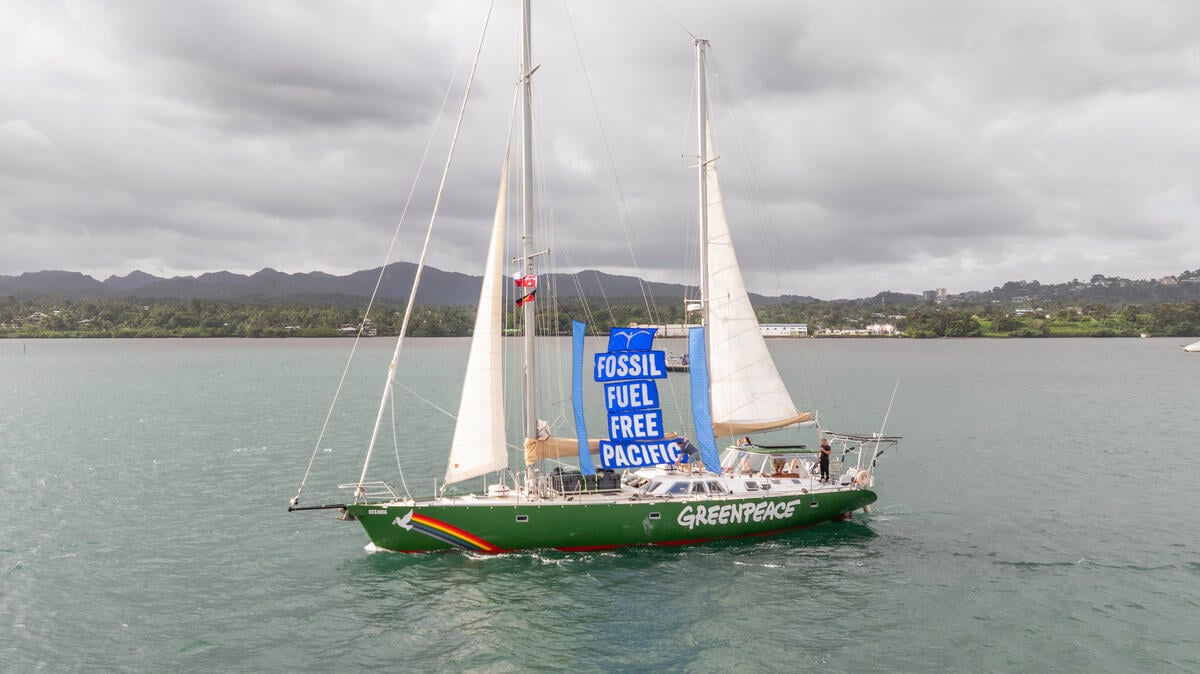
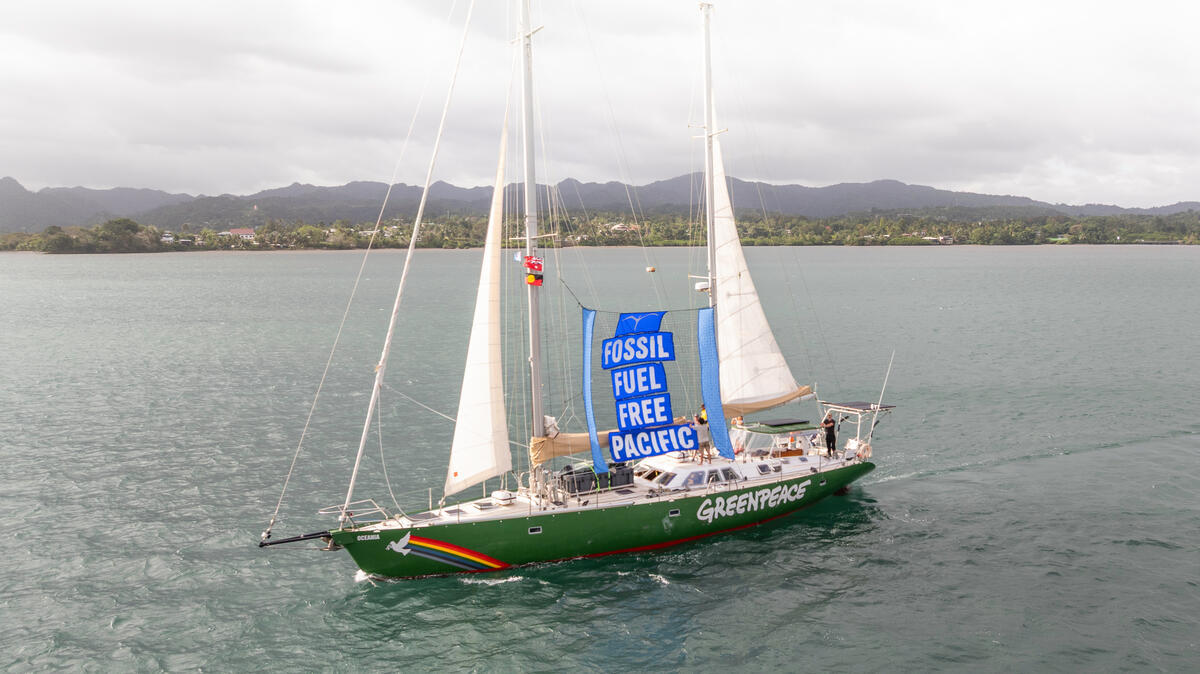
The arrival of the Greenpeace campaigning vessel, the Oceania, in Suva, Fiji, marked a pivotal moment in the lead-up to the Pre-COP. After an arduous voyage from Australia, the vessel was met with a traditional welcome from the Fijian community—a gesture that underscored the deep, ancestral connection between the people of the Pacific and their environment.
- Pre-Voyage: The Oceania served as a hub for community organizing, gathering stories of climate loss and resilience from across the region.
- Arrival in Suva: The vessel functioned as a platform for local engagement, hosting school children, indigenous leaders, and climate advocates.
- The Pre-COP Summit: The events in Nadi are now synthesizing these grassroots voices into a coherent political demand to be carried forward to the COP31 preparatory stages.
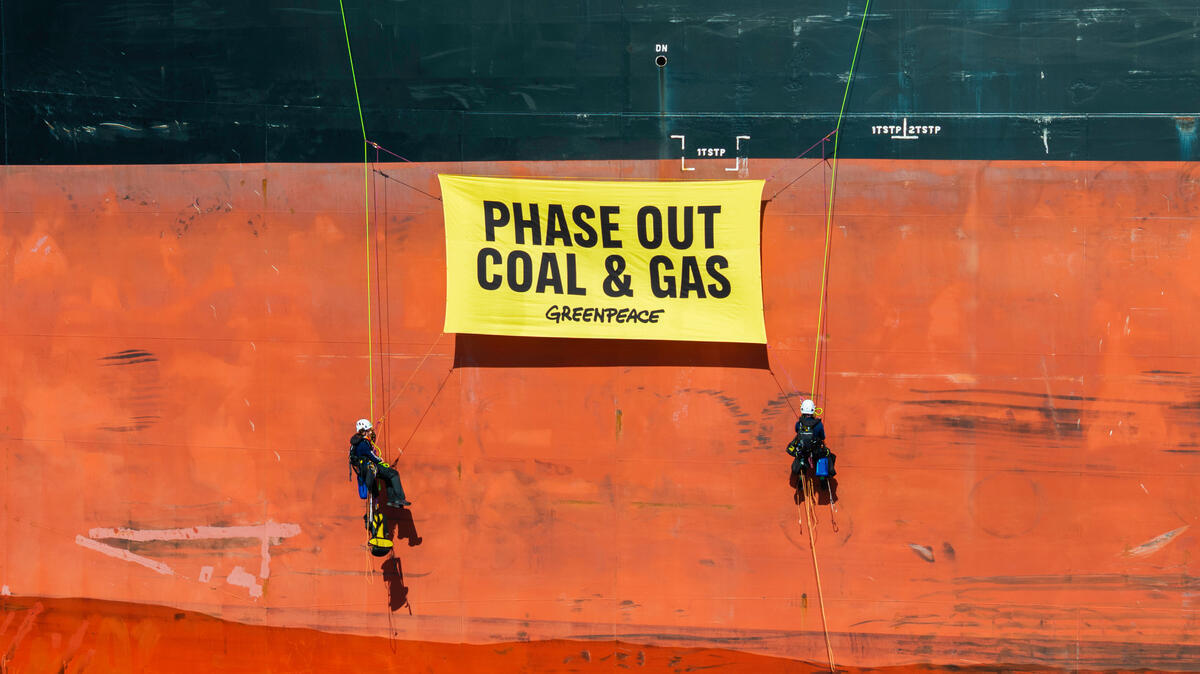
- Parallel Action: While the diplomatic talks occur in Nadi, the urgency of the movement is mirrored by direct action in Australia, where activists have launched the "Rising Tide" blockade, physically obstructing coal ships in the Port of Newcastle to demand a total phase-out of fossil fuels.
This dual-track approach—high-level diplomacy in the islands and civil disobedience at the source of the emissions—creates a powerful narrative of unified resistance.
Official Responses: The "Double Talk" Dilemma
Australian Climate Change Minister Chris Bowen has spoken frequently about "elevating Pacific voices" and "accelerating implementation." His pledge to accompany global leaders to Tuvalu—to witness firsthand the existential threat posed by the climate crisis—is a commendable step toward transparency. However, these words have been met with skepticism from those who see a growing chasm between Australia’s diplomatic rhetoric and its domestic industrial policy.
The "double talk" is clear: Australia cannot position itself as a champion of the Pacific family while simultaneously approving or extending massive coal and gas projects on its own soil. The cognitive dissonance of using a vulnerable nation like Tuvalu to signal climate urgency abroad, while defending the very fossil fuel expansion that accelerates Tuvalu’s disappearance, is unsustainable.
When asked for comment, official representatives have pointed to Australia’s "Renewable Energy Superpower" ambitions. Yet, for many Pacific nations, the transition to renewables is insufficient if it is merely an addition to, rather than a replacement for, the existing fossil fuel infrastructure.
Supporting Data: The Reality of the Frontline
The scientific reality of the Pacific is starkly illustrated by current data:
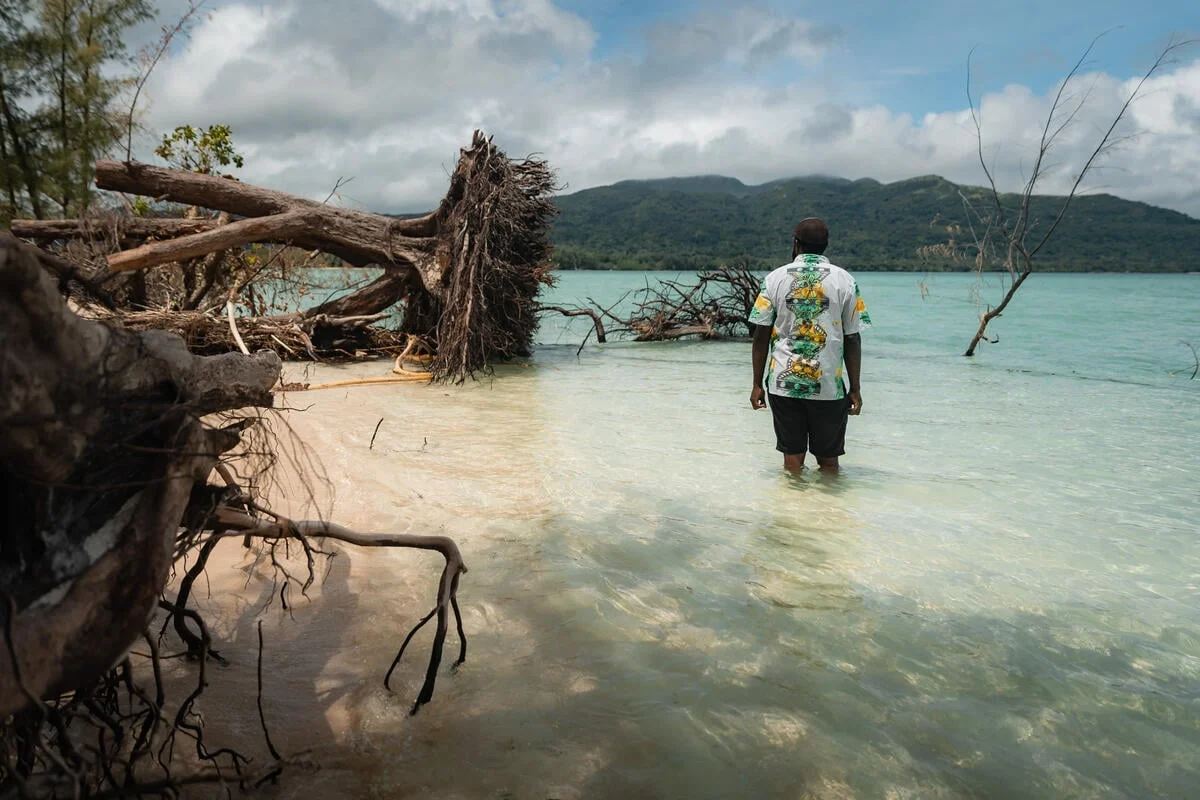
- Coastal Erosion: On islands like Kakula, residents are observing the rapid disappearance of their land, with salt-water intrusion destroying traditional food gardens and fresh-water lenses.
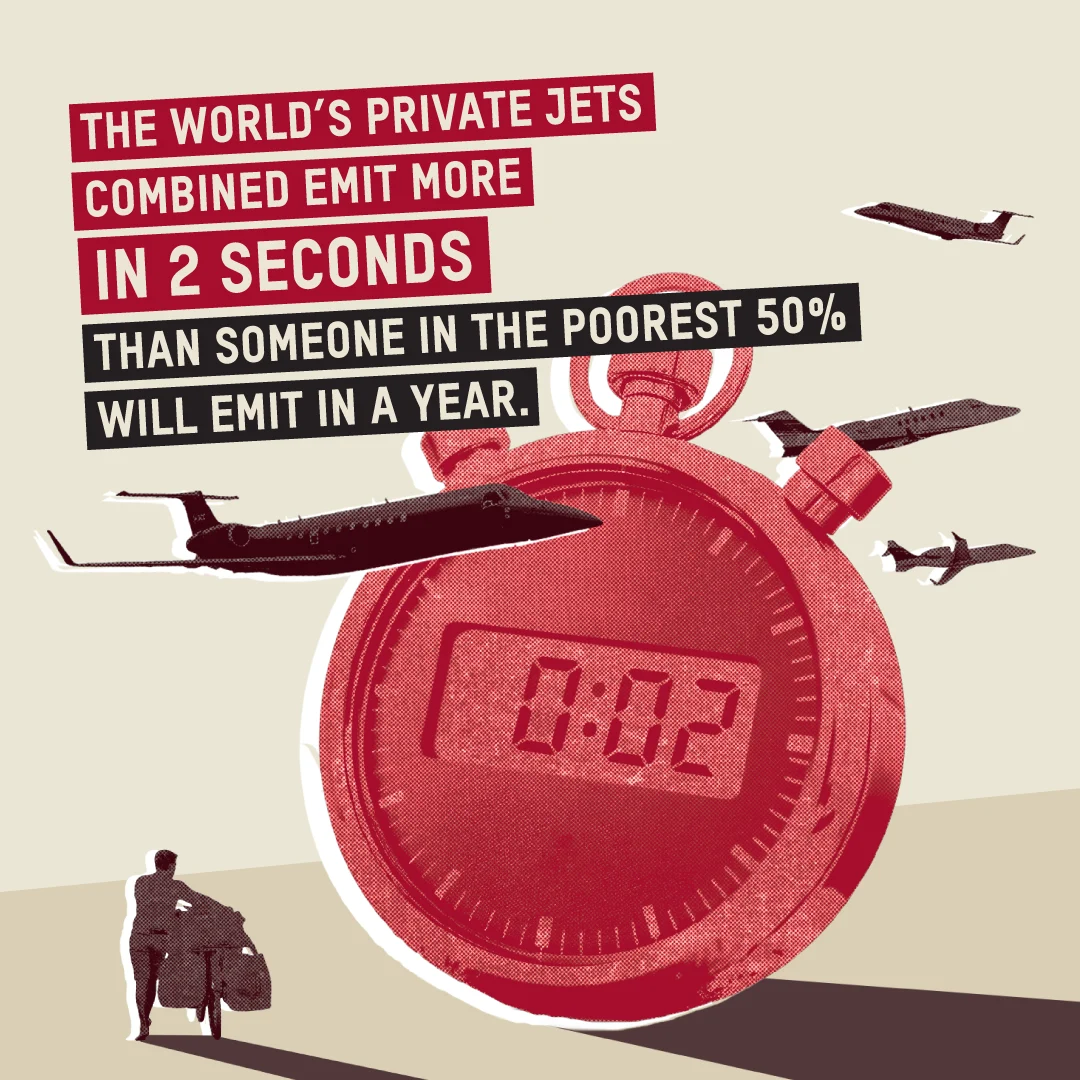
- The Fossil Fuel Gap: Despite the Paris Agreement, the world is on track to produce more than double the amount of fossil fuels in 2030 than what would be consistent with a 1.5°C pathway. Australia remains one of the world’s largest exporters of coal and liquefied natural gas (LNG).
- Economic Vulnerability: The cost of climate-related disasters in the Pacific has risen by over 300% in the last decade, placing an immense, unjust burden on small island developing states (SIDS) that have contributed less than 0.03% to global cumulative greenhouse gas emissions.
The electrification targets proposed by the COP31 Presidency are a welcome technical development, but they are insufficient. Electrification without an absolute, legally binding commitment to end the extraction and expansion of coal, oil, and gas is akin to mopping the floor while the tap is still running.
Implications: The Path Toward a Just Transition
The implications for COP31 are clear: the summit must move beyond dialogue and consensus-building. It must establish a credible, measurable, and enforceable pathway for a "Just Transition."
A true Just Transition must be built on three pillars:
- Worker Protection: Ensuring that workers in the extractive industries are retrained and transitioned into sustainable roles, ensuring no community is left behind in the shift to a green economy.
- Renewable Access: Democratizing access to affordable, community-led renewable energy projects, rather than allowing the energy transition to be monopolized by multinational corporations.
- Global Equity: Providing robust, non-debt-based financial support for nations that have contributed the least to the crisis but are currently paying the highest price.
The Pacific has consistently punched above its weight, offering the world leadership, traditional knowledge, and moral clarity. What the region needs now is not more expressions of sympathy, nor is it strategic branding to make the host nations look "green." It needs genuine, tangible solidarity that prioritizes the health of the planet over the profits of the fossil fuel lobby.
As the delegates prepare to leave Nadi and the focus shifts toward the larger negotiations, the question remains: will Australia and the international community listen to the voices of the Pacific, or will they continue to treat the region as a peripheral concern? The lives of millions, and the sovereignty of entire nations, depend on the answer.
The Pacific has spoken. It is time for the rest of the world to act.
Jasper Inventor is the Deputy International Program Director for Greenpeace International. He is currently on the ground in Nadi, Fiji, coordinating advocacy efforts for the climate justice movement.

 Basiran
 Laily UPN