

 Pevita Pearce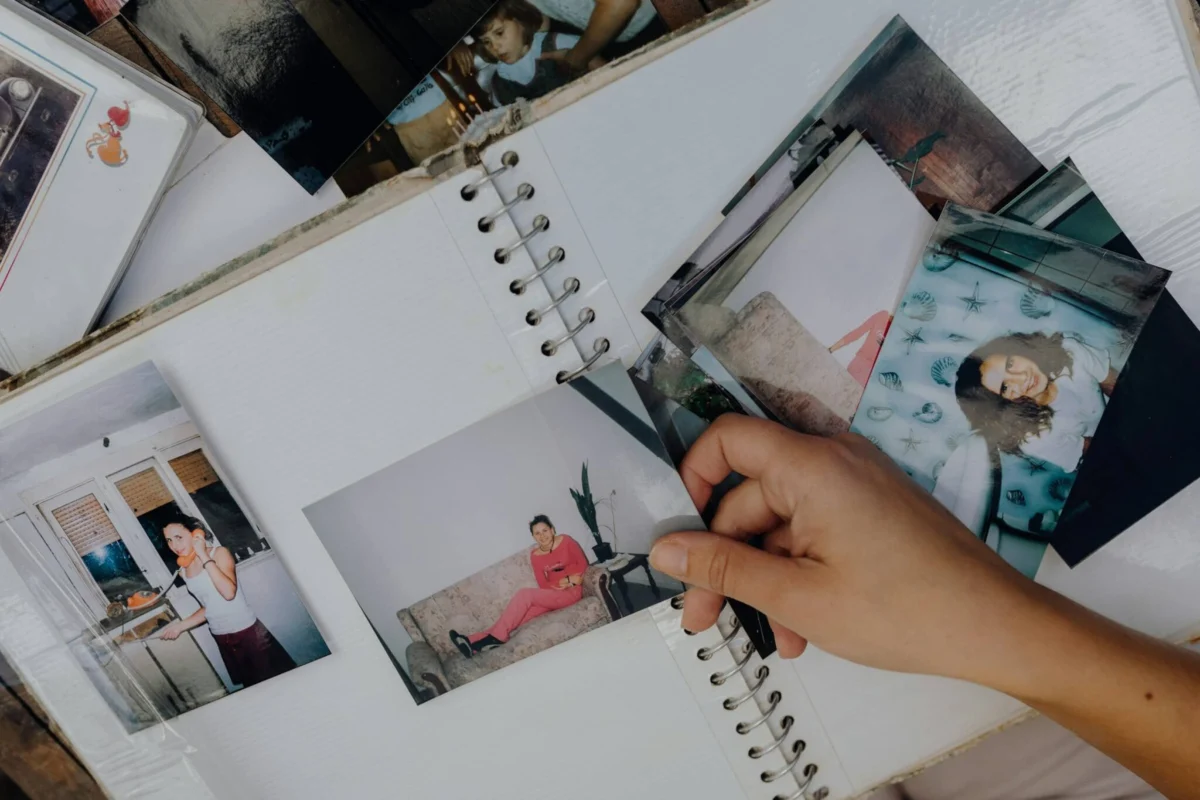
By Editorial Staff
When the end of life approaches, the conversation is often dominated by medical directives and hospice care. Yet, there is a profound, often overlooked dimension to the final chapter: the logistical and emotional legacy left behind for those who remain.
In a recent, poignant reflection, Joe Darago, Executive Director of The Hope Effect, shared his experience navigating the passing of his beloved Aunt Liz. His account serves as a masterclass in how proactive, intentional preparation can transform a period of potential chaos into a season of grace. By examining the steps taken by his aunt, we can uncover a blueprint for how individuals can ease the administrative and emotional burden on their families long before the inevitable arrives.
The Weight of Memory: The Context of Loss
The family dynamic Darago describes is common in households across America: a deep-seated attachment to history, manifested in the physical accumulation of items. For generations, the family home in Northeast Ohio served as a repository for documents, heirlooms, and remnants of a family store.
"Our family has never been great at letting things go," Darago notes. This sentiment is shared by millions, as attachment to objects often mirrors an attachment to the people and moments associated with them. However, when the time comes to settle an estate, this "family cloud" of memories can quickly become an overwhelming burden for the surviving family members. The transition from honoring a life to sorting through boxes of unused possessions is a reality that many families face, often without the guidance or preparation required to manage the process effectively.
Chronology of Preparation: The Final Year
The shift in Aunt Liz’s approach to her affairs began approximately one year before her passing. Facing health challenges and the realities of aging, she moved into a shared home with her sister, Aunt Marilyn. This transition served as a catalyst for a series of deliberate actions that fundamentally altered the family’s experience of her eventual death.
- Strategic Organization (12–18 months prior): Recognizing the complexity of her financial assets—which included multiple properties, retirement accounts, and a collection of coins—she sought professional counsel to establish a living trust.
- The "Quiet" Simplification (6–12 months prior): Liz began the methodical process of curating her belongings. She cleared closets, organized critical documents, and began donating items that no longer served a purpose.
- Legacy Conversations (3–6 months prior): In the final months, she initiated candid, often difficult, conversations with family members regarding her wishes, the future of family traditions, and the redistribution of specific heirlooms.
Supporting Data: Why Planning Matters
The implications of poor estate planning are not merely anecdotal; they are financial and social realities. According to estate planning experts, the absence of a clear directive—such as a trust or a will—often leads to "probate gridlock."
- Financial Strains: Without a trust, assets often move through court-supervised probate, which can take months or even years and incur significant legal fees.
- Family Conflict: Data consistently suggests that the lack of clear instructions regarding personal property is a leading cause of inter-family litigation. When there is no roadmap, grief often turns into resentment, straining relationships that were once strong.
- The Burden of Complexity: Statistics indicate that executors often spend hundreds of hours managing an estate. By simplifying her financial and physical affairs, Aunt Liz effectively "gifted" her family the time to grieve properly, rather than spending that time buried in administrative tasks.
Professional Perspectives on Legacy
While the emotional component of estate planning is often relegated to private discussions, legal and psychological professionals advocate for the approach taken by the Darago family.
"Legacy planning is not about death; it is about stewardship," says an estate consultant familiar with the process. "When an individual takes the time to label photos, clarify the provenance of an heirloom, or organize financial documents, they are removing the guesswork from a time of high stress. It is an act of profound altruism."

The psychological benefit of these conversations cannot be overstated. By discussing death openly, the elderly can alleviate the "anticipatory anxiety" felt by their children, creating an environment of transparency that fosters comfort rather than fear.
Implications: A New Approach to Estate Management
The lessons from this narrative offer a tripartite framework for those seeking to leave a lighter, more loving footprint.
1. The Necessity of Formal Structure
The most significant hurdle in any estate is the legal and financial bureaucracy. By establishing a trust, Aunt Liz moved beyond the basic "will" model, ensuring that the distribution of assets was clear, private, and efficient. For families, the implication is clear: seeking professional financial guidance is not an admission of impending death, but a commitment to the family’s future harmony.
2. The Power of "Curated" History
Minimalism, in this context, is not about discarding the past—it is about refining it. By simplifying her home, Liz did not erase her history; she elevated it. When a home is filled with clutter, the true treasures are often lost in the noise. By selecting items of true significance to pass on, she ensured that her family would focus on the stories behind the objects, rather than the objects themselves.
3. The Responsibility of Storytelling
Perhaps the most overlooked element of estate preparation is the transfer of oral history. Aunt Liz took the time to explain the importance of her possessions, turning a pile of old photos into a roadmap of family identity. The implication for others is simple: document the stories now. Use a digital recorder, a notebook, or even a video call to catalog the history of family heirlooms. Once the person is gone, the context of those items is lost forever.
Conclusion: A Call to Action
The story of Aunt Liz is a testament to the fact that we can, to some degree, control the narrative of our own passing. By initiating difficult conversations, listening to the histories behind our belongings, and speaking our love while our loved ones are still present to hear it, we provide a final act of service to our families.
As Darago reflects, the funeral service for his aunt did not center on her possessions, but on her presence. By handling the logistical, financial, and physical aspects of her life with care, she allowed her family to focus entirely on that presence.
In a world that often demands we hold onto everything, there is a quiet, radical power in letting go with purpose. Whether it is through the drafting of a legal trust or the simple act of writing a name on the back of a photograph, these small, intentional steps represent the final, enduring gift we can leave for those we love.
The question remains for all of us: What legacy are we curating today, and have we made it easy for our loved ones to carry it forward?


 Neng Nana
 Laily UPN