
 Muslim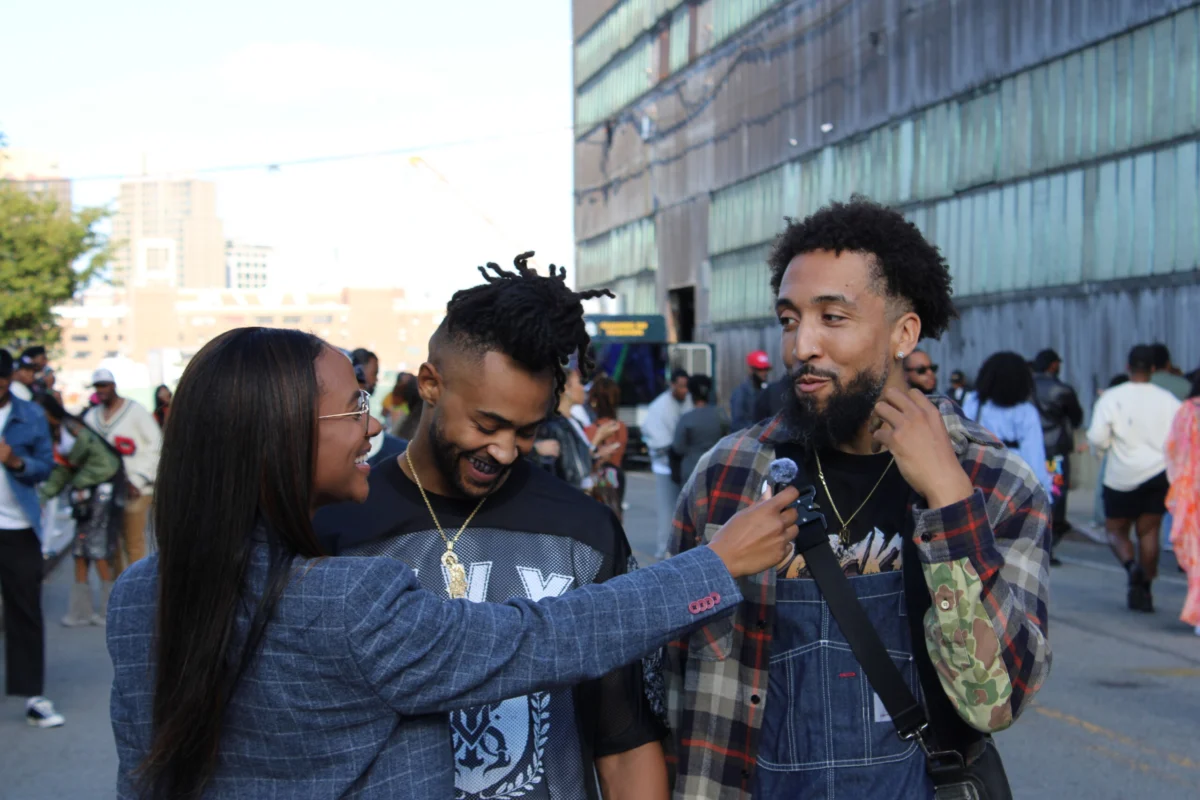
WASHINGTON, DC – In a concerted effort to bridge the widening gap between the aspirations of Generation Z and the realities of the American political process, the nonpartisan organization When We All Vote has officially launched "Pass the Mic." This nationwide initiative aims to engage hundreds of thousands of young people, move beyond traditional "get out the vote" messaging, and fundamentally rebuild trust in democratic institutions ahead of the 2026 midterm elections.
The launch arrives at a critical juncture for American democracy. While Gen Z remains one of the most socially active and vocal cohorts in history, the disconnect between their lived experiences and their participation at the ballot box remains a profound challenge for organizers and policymakers alike.
The Core Mission: Flipping the Script on Youth Engagement
"Pass the Mic" is designed to be a departure from the top-down, paternalistic strategies that have historically failed to resonate with young voters. By prioritizing authentic listening, the initiative seeks to understand the barriers—ranging from economic anxiety to institutional distrust—that prevent 18-to-29-year-olds from casting ballots.
The initiative is not merely a voter registration drive; it is a cultural movement. Through a hybrid model of digital engagement, influencer partnerships, and physical "listening tour" events, the program intends to meet Gen Z exactly where they spend their time: on social media platforms, college campuses, and through community-based organizations. By partnering with major cultural entities—including the NBA, Lyft, and the beauty brand Experiment—When We All Vote aims to normalize civic participation as an integral part of young adult life, rather than a separate, daunting chore.
Chronology of a Crisis: Why 2026 Demands a New Approach
To understand the necessity of "Pass the Mic," one must look at the recent electoral history of the youth vote.
- 2024 Retrospective: Despite the mobilization efforts seen in the lead-up to the 2024 elections, where 40 million Gen Z individuals were eligible to vote, the turnout numbers told a sobering story. Data indicates that over 21 million of those eligible failed to cast a ballot.
- The 2026 Horizon: As the U.S. looks toward the 2026 midterms, the demographic landscape is shifting. Nearly 50 million Gen Z citizens will be eligible to participate. This represents a massive, untapped political force capable of determining the outcomes of local, state, and federal elections.
- The Launch of Research: Recognizing that old strategies were failing to capture this cohort, When We All Vote collaborated with the Center for Information & Research on Civic Learning and Engagement (CIRCLE) at Tufts University’s Tisch College of Civic Life. This partnership produced the foundational research report, The 50 Million: Gen Z’s Power, Priorities and Participation, which serves as the intellectual bedrock for the "Pass the Mic" campaign.
Supporting Data: Understanding the Gen Z Voter
The research conducted for this initiative is exhaustive, surveying 5,500 individuals aged 18 to 29. Crucially, the study intentionally oversampled young Black and Latino voters, groups whose perspectives have historically been marginalized or ignored by traditional political polling.
Key Findings:
- The Economic Link: Gen Z is not apathetic; they are preoccupied. The survey highlights that economic concerns—housing costs, job security, and inflation—are the primary drivers of their anxiety. The campaign intends to connect these specific economic grievances directly to the policies influenced by those in office.
- The Distrust Gap: There is a significant, measurable skepticism regarding the efficacy of U.S. democratic institutions. Many young people feel that their participation is not rewarded with tangible change.
- The Need for Authentic Channels: The research confirms that peer-to-peer influence and culturally relevant messengers are far more effective than traditional political advertising.
"Young people are sending us clear signals, not only of dissatisfaction with our politics and deep economic concerns, but also of a strong desire to take action and drive change," said Leela Strong, Newhouse Director of CIRCLE. "It’s up to all of us to take those messages to heart and work alongside them, turning both their frustrations and their passion into opportunities for engagement."
The Ambassador Strategy: Meeting Gen Z on Their Terms
Recognizing that the messenger is often as important as the message, "Pass the Mic" has curated an elite group of Gen Z and cross-generational Ambassadors. This group is tasked with normalizing the conversation around civic engagement in spaces where political discourse usually does not exist.
The cohort includes influential voices such as Marsai Martin, Keith Lee, Serena Page, Olandria Carthen, Nia Sioux, Eni Popoola, Gabby Thomas, Chelley Bissainthe, Miles Robinson, Ari Chambers, Eric Sedeño, and Trinitee Stokes. These individuals, who command massive audiences online and in community settings, will serve as the bridge between When We All Vote and the broader public. Their role is to translate complex civic information into digestible, actionable, and culturally resonant content.
Official Responses: Reimagining Democracy
The leadership behind the initiative is clear about the need for a radical shift in strategy. Kalisha Dessources Figures, Senior Advisor at When We All Vote, emphasized that the era of traditional political messaging to young people is over.
"What Gen Z says matters, and what they do next matters too," Figures noted. "But we know that to reach new voters, we can’t use old tactics. That’s why When We All Vote is flipping the script on how we engage Gen Z by passing them the mic. By amplifying their experiences and then connecting priorities like the economy to what’s on their ballots, we’re meeting Gen Z on their terms."
The institutional backing for this campaign is robust, drawing on the organizational power of Civic Nation, an "impact hub" that provides the infrastructure for initiatives like When We All Vote. Since its founding in 2018 by Michelle Obama, the organization has consistently challenged the status quo, and "Pass the Mic" represents its most ambitious attempt yet to institutionalize youth participation.
Implications: The Long-Term Goal
The implications of the "Pass the Mic" campaign extend far beyond the 2026 election cycle. The organization has set a clear, quantifiable goal: to increase civic engagement among more than one million young voters over the next five years.
The Path Forward
The "listening tour" will be the engine of this initiative. By hosting events at Lollapalooza and other high-traffic cultural venues, and by integrating voting information into the daily lives of Gen Z through partners like Lyft, the campaign seeks to remove the friction of the voting process.
However, the ultimate success of the program will depend on whether political institutions actually listen. The report released alongside the campaign offers concrete recommendations:
- Contextualize Issues: Political entities must stop speaking in abstract terms and start addressing how legislation impacts the lived economic reality of a 22-year-old.
- Build Pathways: Civic engagement must be nonpartisan and accessible. It should be presented not as an ideological battle, but as a mechanism for communal problem-solving.
- Amplify, Don’t Talk At: The "Pass the Mic" branding is intentional. It represents a shift from "educating" youth to "amplifying" their existing, legitimate concerns.
As the nation looks toward 2026, the question is no longer whether Gen Z has the power to shift the electoral landscape—the numbers confirm they do. The question is whether the political system can adapt quickly enough to invite them in. Through "Pass the Mic," When We All Vote is betting that if you give young people a platform, they will use it to build a more responsive, representative democracy.
For more information on the campaign, the research findings, and upcoming tour dates, visit WhenWeAllVote.org/PassTheMic.

 Neng Nana
 Nana Muazin