
 Asep Darmawan
Introduction: A Tale of Two Realities
In the spring of 2026, the global economy finds itself trapped in a paradoxical vice. While families across the globe struggle to reconcile their household budgets with the rising costs of heating and electricity, the world’s largest oil and gas conglomerates are reporting unprecedented financial windfalls.
BP recently announced a staggering US$3.2 billion in profits for the current quarter—more than double their performance during the same period last year. Simultaneously, TotalEnergies has posted a jaw-dropping US$5.4 billion in net profit for the first quarter of 2026 alone. These figures are not merely corporate success stories; they are, according to climate advocates and economic analysts, the direct result of a system that extracts wealth from geopolitical instability and the suffering of the most vulnerable.
As conflict intensifies across South West Asia, touching Iran, Lebanon, and Palestine, energy markets have become increasingly volatile. Analysts suggest that the resulting price spikes will cost households and businesses globally up to US$1 trillion by the end of 2026. This is the "war premium" paid by the public to sustain a fossil-fuel-dependent global order.
The Chronology of Crisis: From Conflict to Market Shock
The current economic climate is not an accident of geography; it is the manifestation of a fragile, centralized energy system.
- Early 2026: Geopolitical tensions in the Middle East escalate, triggering immediate volatility in global crude oil and natural gas markets.
- March 2026: Inflationary pressures mount as energy costs begin to filter through the supply chain, impacting the price of food, transportation, and basic goods.
- Late April 2026: BP and TotalEnergies release Q1 financial reports, confirming that despite global economic strain, corporate margins are ballooning.
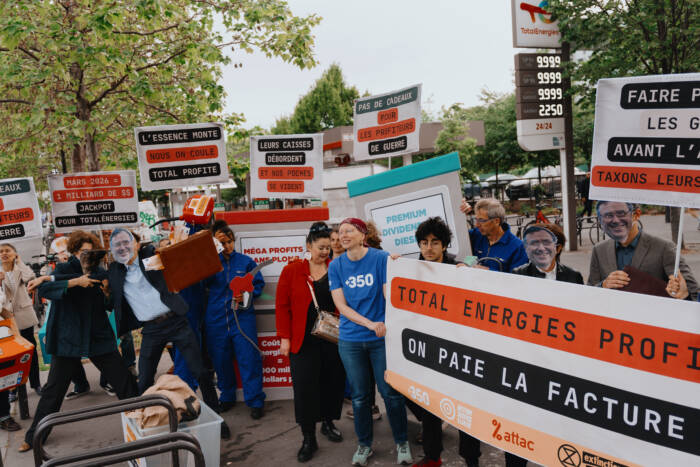
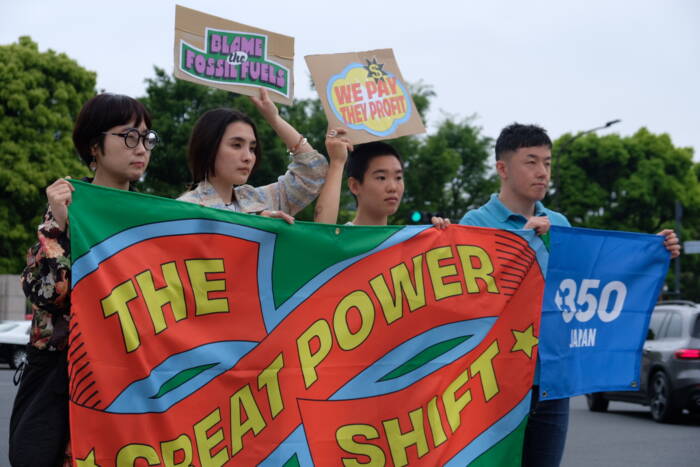
- April 30, 2026: A coordinated international day of action—the launch of "The Great Power Shift"—ignites across multiple continents, as citizens in Paris, Tokyo, Nairobi, and Brasília take to the streets to demand a permanent windfall tax on fossil fuel companies.
Supporting Data: The Hidden Costs of Fossil Fuel Reliance
The divide between corporate profit and public hardship is starkly illustrated by the data. While the industry touts "market efficiency," the reality on the ground is one of chronic instability.
The Cost of Inaction
Fossil fuels are inherently prone to "shock-proneness." Every geopolitical event—be it a regional conflict, a supply chain disruption, or an act of market speculation—sends prices into a tailspin. Unlike renewable energy sources, which have no "fuel" costs once the infrastructure is in place, oil and gas prices are hostage to global instability.
The Renewable Alternative
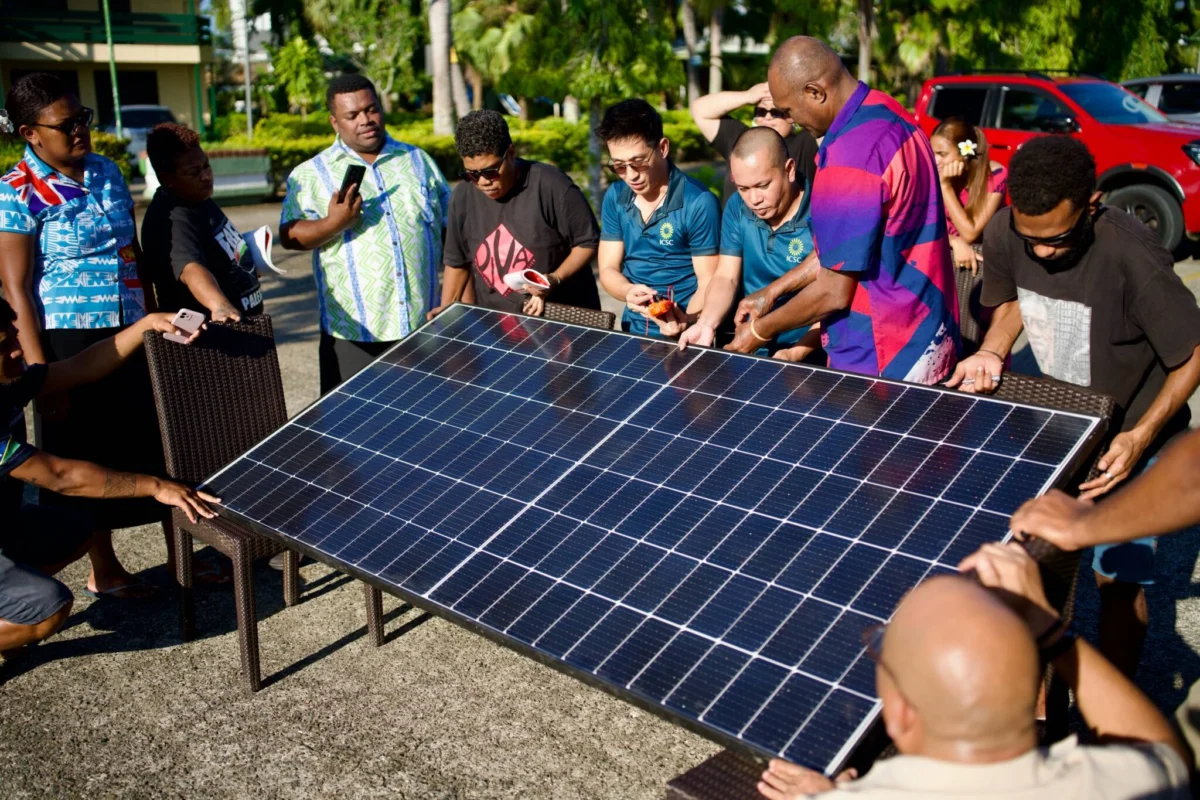
The economic argument for a transition has never been more compelling. In 2024 alone, the global adoption of renewable energy helped the world avoid US$467 billion in fossil fuel costs. Wind and solar power are now the cheapest sources of electricity in history. The technology exists to liberate the global economy from the volatility of petro-states and corporate price-gouging; the only missing component is the political will to bypass the influence of the fossil fuel lobby.
Global Resistance: The Great Power Shift in Action
The frustration of the public has evolved into a structured, global movement. Across the world, activists are utilizing the "Great Power Shift" campaign to force governments to redirect public money away from fossil fuel subsidies and into community-led renewable infrastructure.
Regional Snapshots of the Movement
- France: Demonstrators targeted TotalEnergies stations, utilizing symbolic "money pumps" to illustrate how consumer bills are being funneled directly into corporate coffers. The demand is a permanent, robust windfall tax.
- Japan: Outside the National Diet Building, activists called for an immediate end to nuclear and fossil fuel subsidies, urging a pivot toward energy efficiency.
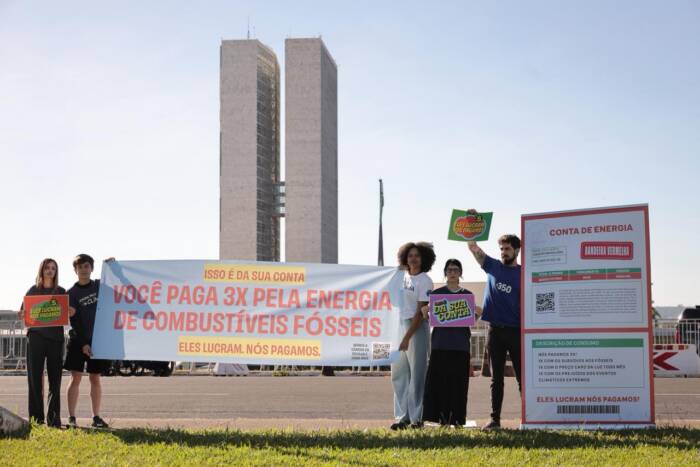
- Brazil: Protesters presented a giant, symbolic "dirty electricity bill" to the National Congress, demanding that candidates in the upcoming election commit to an energy transition that prioritizes the public over corporate profit.
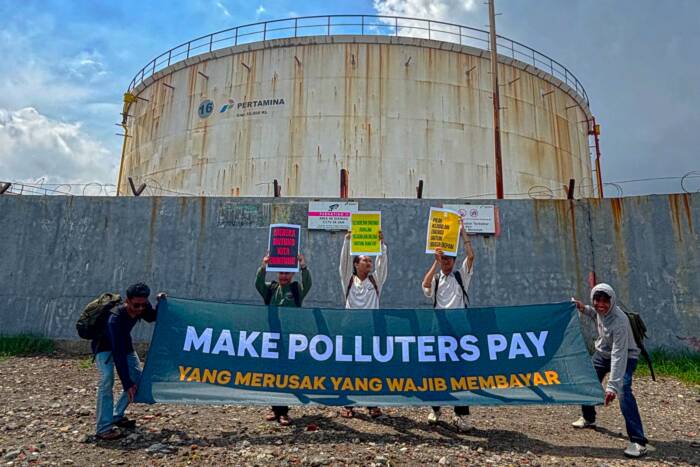
- Indonesia: Under the rallying cry Yang merusak, yang bayar (Those who damage must pay), local groups held coordinated actions to highlight the true, often hidden, costs of fossil fuel dependence.
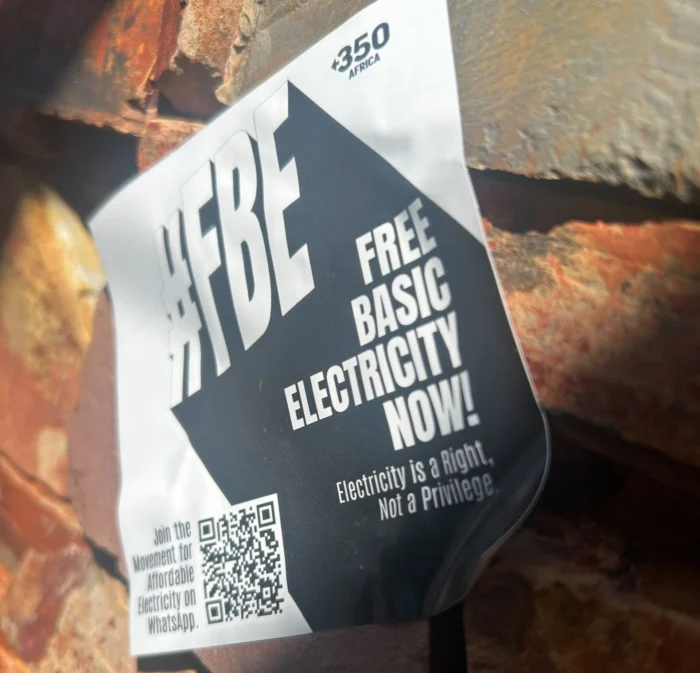
- South Africa: The focus has shifted to the concept of "Free Basic Electricity," framing energy as a fundamental human right rather than a market-driven luxury.
Implications: The Moral and Economic Imperative
The implications of the current status quo are profound. When fossil fuel companies profit from war, they effectively weaponize the energy supply. Furthermore, these companies consistently offload the "externalities" of their business model onto the public.
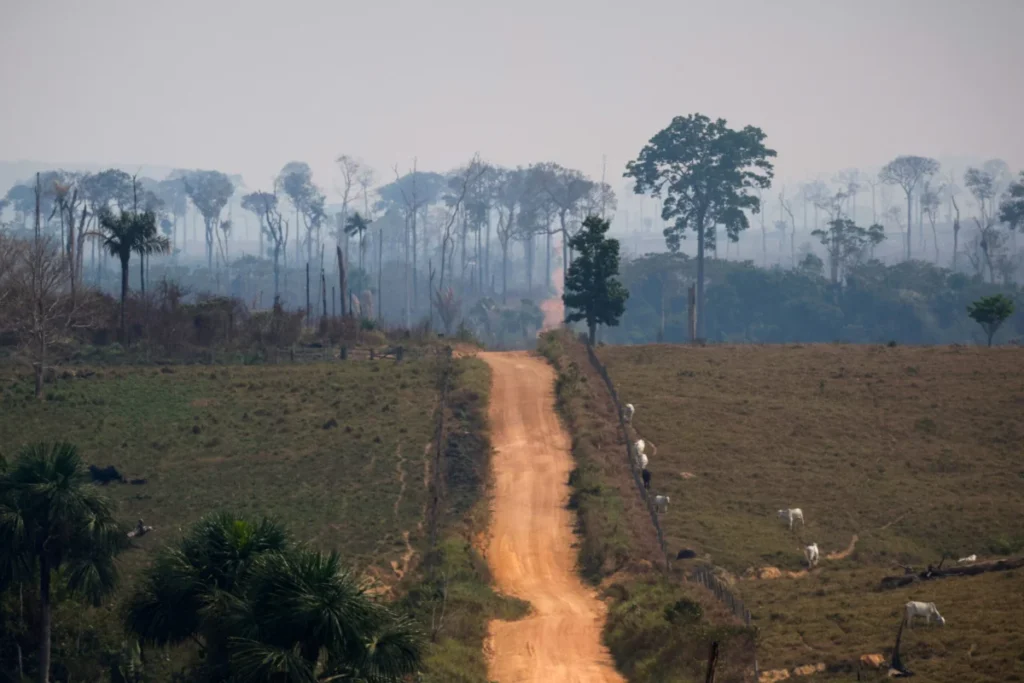
When the climate crisis manifests as record-breaking floods, wildfires, and droughts, it is the taxpayer who pays for emergency response, the reconstruction of homes, and the maintenance of overwhelmed health systems. These costs never appear on the balance sheets of the companies extracting the resources.
The "Windfall Tax" Debate
Economists and policy experts argue that a permanent windfall tax is not just a punitive measure but a necessary economic correction. By capturing these excess profits, governments can fund the transition to decentralized, clean energy systems. This would provide the dual benefit of lowering energy costs for the average household while insulating the economy from future supply shocks.
Expert Perspective: A Future Built on Stability
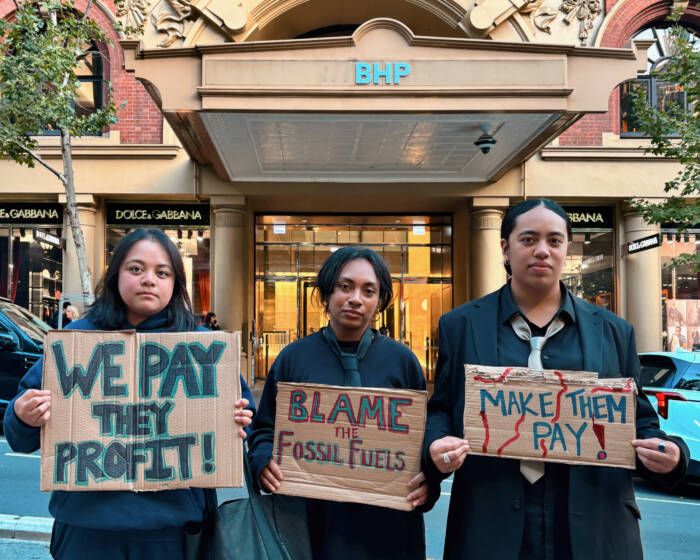
Savio Carvalho, Head of Campaigns and Networks at 350.org, summarizes the situation with clarity: "The lesson is clear: the less reliant we are on fossil fuels, the more protected ordinary people are from price shocks. Renewables have surged ahead as the cheapest option available, while fossil fuels have become a shock-prone liability. It’s time to make Big Oil pay and shift power back to the people."
The goal of the Great Power Shift is to redefine energy not as a commodity to be exploited by a few, but as a public utility to be managed for the many. This means:
- Ending fossil fuel subsidies: Redirecting the billions currently spent on propping up dying industries toward sustainable, renewable energy.
- Taxing windfall profits: Ensuring that when companies profit from war or crisis, that money is returned to the public in the form of energy rebates or clean infrastructure investment.
- Guaranteeing energy access: Ensuring that no family is left in the dark due to their inability to pay, enshrining energy as a basic right.
Conclusion: The Path Forward
The narrative of the next few years will be defined by one question: Will the world continue to pay for the profitability of the fossil fuel industry, or will we collectively move toward a system that works for everyone?
The technology is ready, the economic data is undeniable, and the moral urgency is felt in every household struggling to pay a heating bill. The shift from a centralized, fossil-fuel-dependent system to a decentralized, renewable-powered future is no longer a utopian dream—it is a logical, necessary strategy for global stability.
As the movement grows from Nairobi to Brasília, from Tokyo to Paris, the message to governments is consistent and unwavering: The era of fossil fuel dominance must end. The Great Power Shift is not just about changing the source of our electricity; it is about reclaiming the power to determine our collective future.
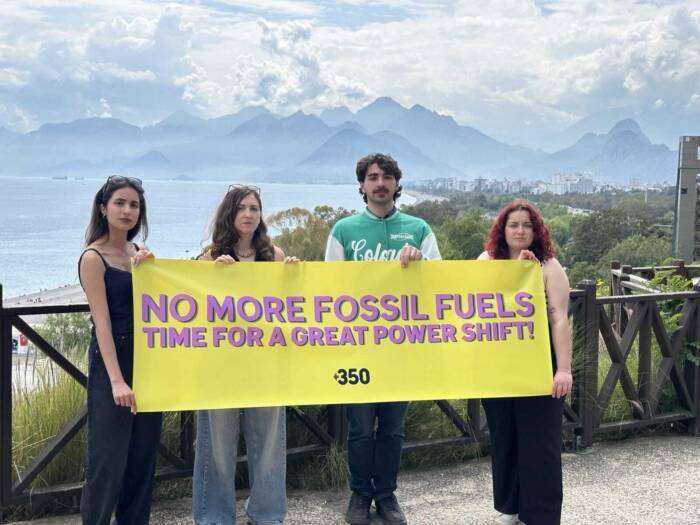
The world is rising. The question remains whether those in power will listen, or whether they will continue to ignore the voices of the people until the system itself can no longer withstand the weight of its own contradictions.
Join the Movement:
To learn more about how you can support The Great Power Shift and demand a cleaner, more equitable energy future, visit 350.org.

 Rifan Muazin
 Layla Zulfa