



 Asep Darmawan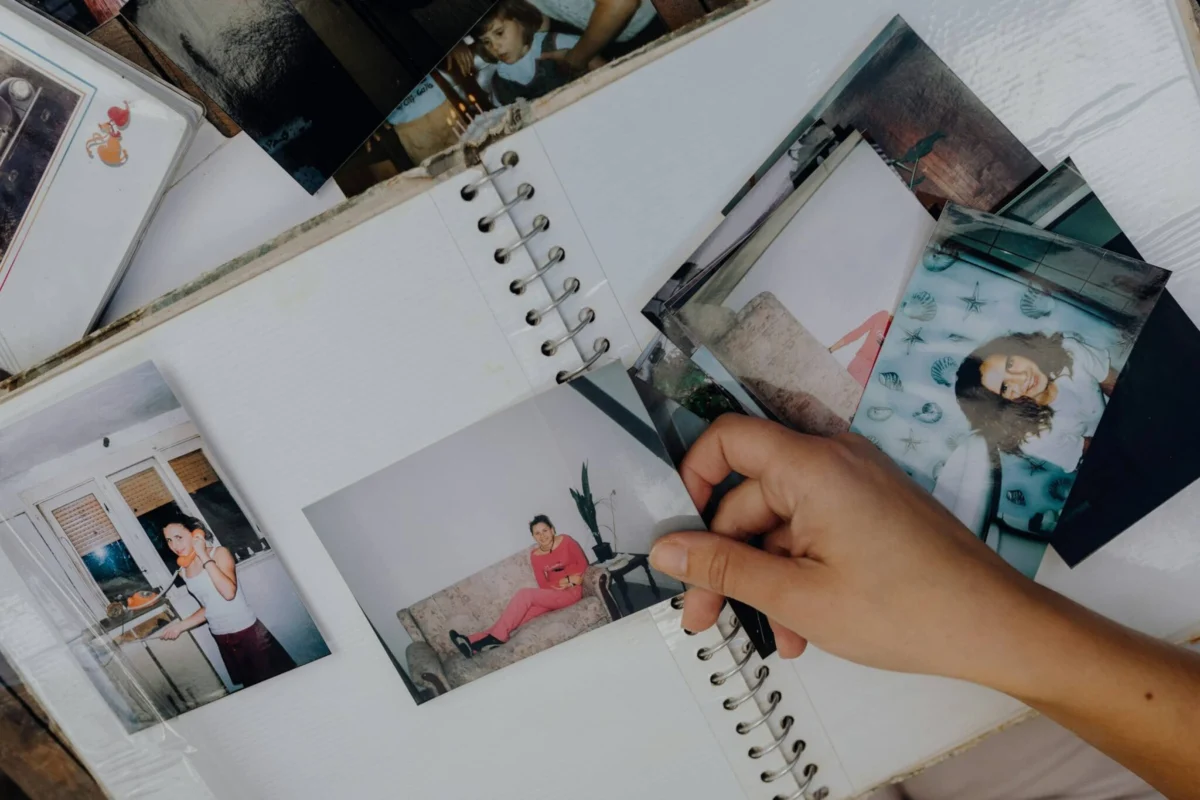
By Editorial Staff
In the quiet, reflective moments following the passing of a loved one, families often find themselves navigating a dual landscape: the profound ache of grief and the logistical mountain of settling an estate. While death is an inevitability, the process of navigating the aftermath is often marred by confusion, conflict, and the weight of accumulated material possessions.
However, a recent personal account from Joe Darago, Executive Director of The Hope Effect, sheds light on a different path. Through the final months of his Aunt Liz’s life, he witnessed a masterclass in "legacy stewardship"—a series of deliberate, compassionate choices that transformed a potentially chaotic transition into a graceful farewell.
The Burden of Memory: A Contextual Overview
The challenge of clearing an estate is a universal experience, yet it is rarely discussed with the necessary foresight. For many, homes serve as physical archives of a life lived. In the case of Darago’s aunts, Marilyn and Liz, their home in Northeast Ohio was a repository of family history, filled with furniture, documents, and keepsakes spanning generations.
When the time came to settle Aunt Liz’s affairs, the family faced the daunting task of sorting through decades of accumulation. This is a common phenomenon in an aging population, where the "material legacy" often outpaces the ability of heirs to manage it. The emotional toll of sifting through these items—trying to discern between sentimental treasures and mere clutter—can exacerbate the mourning process, turning the home into a site of stress rather than a sanctuary of remembrance.
A Chronology of Preparation
Aunt Liz’s approach was not one of sudden action, but of gradual, intentional preparation. Her journey toward a simplified end-of-life process can be viewed in three distinct phases:
- The Institutional Phase (Legal Foundation): Recognizing the complexity of her assets—which included multiple properties, retirement accounts, and a private collection of valuables—Liz moved beyond a simple will. She engaged professional counsel to establish a living trust. This action effectively moved her estate out of the public, often adversarial realm of probate and into a private, streamlined administrative process.
- The Structural Phase (Physical Simplification): In the year leading up to her passing, Liz began the slow, deliberate work of "curating" her home. She did not aim for clinical minimalism, but rather for a reduction of unnecessary weight. By clearing closets, organizing documents, and donating unused items, she performed an act of service for her survivors, ensuring that the task of closing her home was a manageable project rather than an insurmountable burden.
- The Relational Phase (The Stewardship Conversation): Perhaps the most impactful shift occurred when Liz began to discuss her wishes openly. She assigned specific roles to family members—such as the care of her pets and the continuation of long-standing traditions—and identified the "family historian" who would inherit her archives. By providing context to her belongings, she turned inanimate objects into vessels of memory, significantly reducing the "guesswork" for her heirs.
The Data of Legacy: Why Proactive Planning Matters
While grief is subjective, the administrative challenges of an estate are quantifiable. According to data from the American Association of Retired Persons (AARP) and estate planning experts, families who have a clear, documented plan—such as a trust and a detailed inventory—experience significantly lower rates of inter-family conflict.
Financial disputes are often the primary cause of familial estrangement following a death. When assets are not clearly delineated, the vacuum of information is often filled with speculation and resentment. By establishing a trust, Liz provided an objective, professional framework that dictated the distribution of assets, allowing her family to focus on their emotional needs rather than legal disputes.
Furthermore, the act of "decluttering" is not merely aesthetic. Research in environmental psychology suggests that physical environments heavily influence our emotional state. For the family members left behind, entering a home that is orderly and organized allows for a more focused period of mourning. It shifts the environment from one of "managing debris" to one of "honoring a life."
Perspectives on Conscious Departure
Professional estate planners often emphasize that the "gift" of planning is not for the person departing, but for those who remain.

"The most successful transitions we see," notes an estate planning consultant, "are those where the individual views their possessions not as permanent fixtures, but as temporary items for which they are the current steward."
This philosophy aligns with the experiences of those like Joe Darago. During the funeral service, the shift in focus was palpable. Because the logistical weight had been lightened, the conversation turned entirely toward character, presence, and influence. No one discussed the contents of the basement; they discussed the quality of the person. This shift is the ultimate goal of proactive planning: to ensure that the material aspects of a life do not overshadow the spiritual and relational impact of that life.
Implications for Future Generations
The story of Aunt Liz offers a template for how families can approach the inevitable. It challenges the cultural taboo surrounding death, suggesting that talking about the end is not morbid—it is an act of love.
1. The Necessity of the "Legacy Conversation"
Families must move past the discomfort of discussing mortality. Initiating conversations about wills, powers of attorney, and final wishes should be viewed as essential family maintenance. It is a proactive step that protects the family unit from the volatility of grief-induced decision-making.
2. The Power of Provenance
The value of an item is often tied to its story. When seniors take the time to label items or explain their significance, they transform "stuff" into "heirlooms." Without this context, items that held great meaning to the owner are often viewed by heirs as trash, leading to the loss of family history. Simple actions, such as writing names on the back of photographs or keeping a log of significant heirlooms, ensure that the family narrative remains intact.
3. Emotional Generosity
Perhaps the most critical implication is the importance of expressing affection while the recipient is still present. A funeral, while meaningful, is a monologue. True "legacy building" involves dialogues—telling parents, aunts, and friends what they mean to us while they can still hear it. This reduces the "what-if" weight that often plagues survivors after a death.
Conclusion: A Philosophy of Intentionality
The journey of the last year of Aunt Liz’s life highlights a fundamental truth: minimalism and legacy planning are, at their core, about intentionality. They are about deciding what is truly important and shedding the rest to make space for connection.
As we navigate our own lives, the lessons from the Darago family serve as a roadmap. We are all currently building our own "estates"—not just in bank accounts and real estate, but in the memories we foster, the stories we curate, and the burdens we choose to lighten for those we love.
By initiating the conversation, preserving the stories behind our possessions, and speaking our love freely and frequently, we can ensure that our eventual exit is defined not by the confusion we leave behind, but by the clarity, peace, and love we leave in our wake. In a world that often measures success by what we accumulate, perhaps the most profound accomplishment is the grace with which we let it all go.


 Ammar Sabilarrohman
 Nana Wu