

 Asro

The silent specter of wildfire looms larger each year, fueled by a warming climate and leaving a trail of devastation in its wake. From remote wilderness to sprawling urban centers, the challenge of taming these infernos is escalating. Now, an ambitious $11 million global competition, XPRIZE Wildfire, is aiming to drastically shorten the critical window between a fire’s ignition and its coordinated response, leveraging the power of autonomous systems and artificial intelligence.
The Escalating Threat: A World on Fire
Wildfires are no longer isolated incidents; they are a global crisis. Their intensity and frequency are increasing, overwhelming traditional firefighting capacities. Andrea Santy, Program Director for XPRIZE Wildfire, highlights the stark reality: "Every wildfire starts small. The problem is that by the time most are detected, minutes have already passed and, under increasingly common conditions driven by a warming climate, a fire can grow beyond any tanker truck’s capacity to contain." This crucial time gap, averaging around 40 minutes for a coordinated response, is precisely what XPRIZE Wildfire aims to collapse.
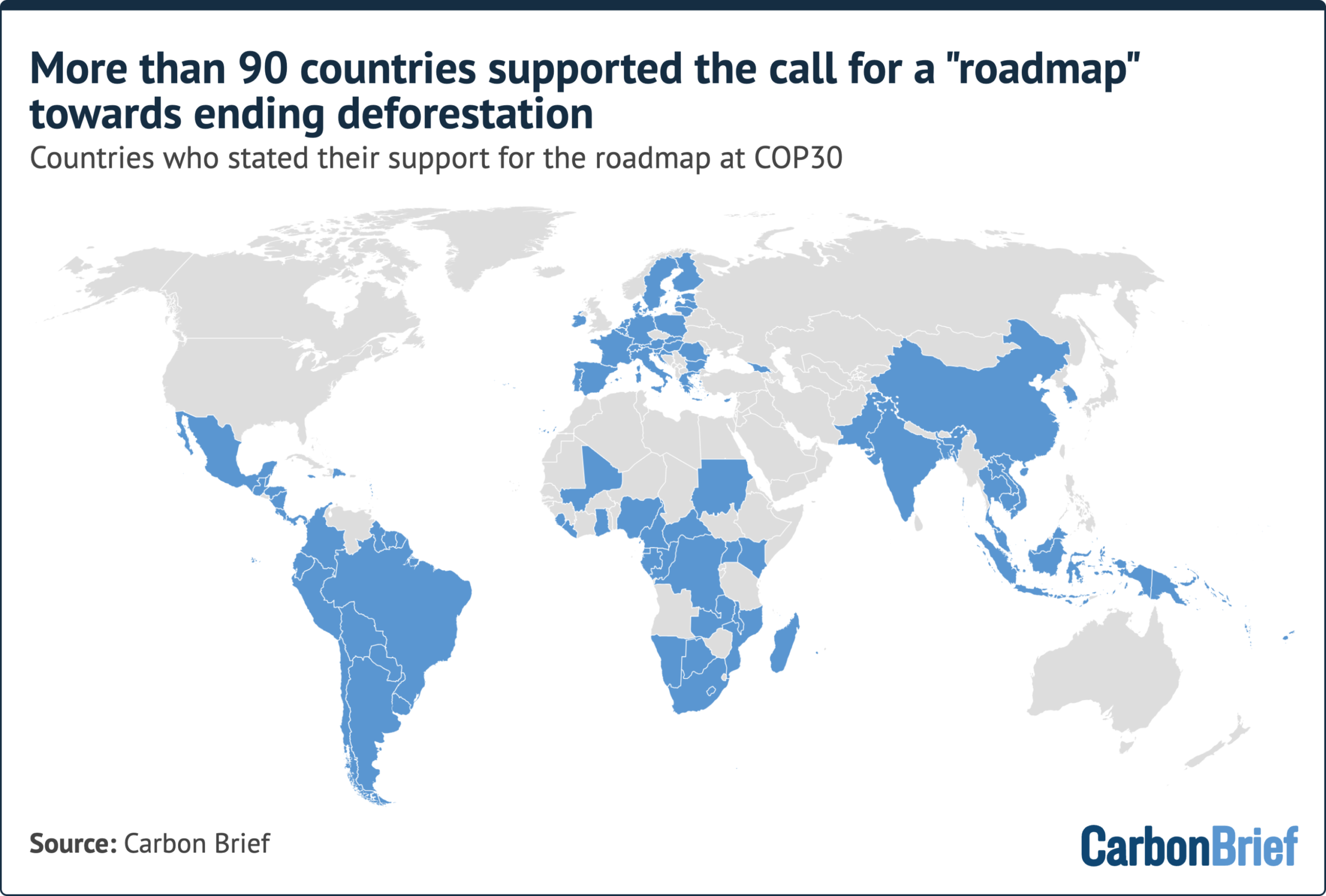
The stakes are immense. Wildfires have now surpassed agriculture as the leading driver of global deforestation. In critically biodiverse regions like the Amazon and the Congo Basin, a single fire can lead to the extinction of endemic species. Closer to home, urban fires fueled by extreme weather can decimate neighborhoods in hours. The devastating Santa Ana wind-driven fires in Pacific Palisades and Altadena on January 7, 2025, serve as a chilling reminder. In a matter of hours, these fires destroyed over 16,000 structures, claimed 30 lives, displaced 180,000 residents, and inflicted economic losses estimated between $76 billion and $130 billion. Annually, U.S. wildfire costs, when factoring in healthcare, lost productivity, ecosystem damage, and rebuilding, are staggering, ranging from $394 billion to $893 billion.
The XPRIZE Vision: Compressing Response Time
The core mission of XPRIZE Wildfire is to prove that autonomous systems, including AI-enabled drones, sophisticated ground-based sensor networks, and advanced space-based detection platforms, can reduce the critical response window to a mere 10 minutes. This ambitious goal is rooted in a simple, yet profound, understanding of fire dynamics: "a spoonful of water in the first second, a bucket in the first minute, a truckload in the first hour." By intervening at the earliest possible stage, the hope is to extinguish fires when they are still manageable, preventing catastrophic escalation.
Andrea Santy, who leads the XPRIZE Wildfire program, brings a wealth of experience to this critical challenge. Her nearly two decades at the World Wildlife Fund provided firsthand exposure to the devastating impact of wildfires on conservation projects. This direct experience sharpened her understanding of the urgency and the far-reaching consequences of unchecked fire.
The Finalists: Innovating at the Forefront
Just over a year after the devastating LA fires, XPRIZE announced the five finalist teams that have advanced in the autonomous wildfire response track of the competition. These teams represent a diverse range of technological approaches, all striving to achieve the ambitious 10-minute response goal:
- Anduril: This defense technology company is deploying its Lattice AI platform, integrated with autonomous fire sentry towers and Ghost X drones, designed to detect fires at their inception.
- Dryad: This team is utilizing solar-powered mesh sensor networks to detect fires in their smoldering stages, aiming for the earliest possible alert.
- Fire Swarm Solutions: Hailing from Canada, this team is developing coordinated heavy-lift drone swarms capable of autonomously delivering up to 100 gallons of water to nascent fire sites.
- Data Blanket: Focused on rapid deployment, Data Blanket is building drone swarm systems for real-time perimeter mapping and initial suppression efforts.
- Wildfire Quest: A remarkable entry from Valley Christian High School in San Jose, this team of students has developed a multi-sensor triangulation system to locate fires that are obscured from traditional monitoring positions, effectively solving the "over-the-hill" problem.
A separate track of the competition, focused on space-based wildfire detection and intelligence, features 10 finalists from six countries. These teams are tasked with detecting all fires across an area larger than a U.S. state within one minute, and delivering precise reports to ground-based decision-makers within 10 minutes.
Under the Microscope: Semi-Final Trials and AI Challenges
The competition is not just about theoretical solutions; it involves rigorous testing under challenging real-world conditions. During semi-final trials, teams demonstrated their capabilities amidst winds gusting up to 40 miles per hour. While not as extreme as the Santa Ana winds, these conditions provided valuable insights into the resilience and effectiveness of the autonomous systems.

One of the most significant technical hurdles, and a crucial element of the competition, is the "decoy fire" requirement. This challenge forces the AI systems to accurately distinguish a genuine wildfire from other heat sources or visual anomalies, such as barbecues, pile burns, or even flapping tarps. This sophisticated classification problem is one of the hardest AI challenges within the competition, pushing the boundaries of machine learning for real-world application.
Integration and Regulation: Bridging the Gap
Beyond the technological advancements, a key aspect of the competition is how these autonomous systems will integrate with existing incident command structures. The goal is not to replace human firefighters but to augment their capabilities, providing them with faster, more accurate information and enabling earlier intervention.
However, a significant challenge lies ahead: the regulatory landscape. Andrea Santy is direct about the lagging pace of regulation compared to technological innovation. "The testing is ahead of the regulations," she notes. The Federal Aviation Administration (FAA) frameworks for autonomous drones operating beyond visual line of sight and coordinating with manned aircraft in active fire emergencies are still in development and not yet scaled to meet the demands of widespread deployment.
The Ecological Quandary: More Fire, Not Less?
The conversation around wildfire management also touches upon a deeper ecological tension. A growing scientific consensus suggests that many fire-adapted landscapes actually require more frequent, low-intensity fires for their health. This has led to a renewed appreciation for indigenous fire stewardship practices, developed over millennia.
XPRIZE is actively exploring this intersection. One of the competition’s finalists is already collaborating with an indigenous community in Canada to pilot their heavy-lift drone system in a remote area. This initiative seeks to understand how the technology can complement and support traditional land management approaches, rather than solely focusing on suppression.
Policy Under Fire: Funding and Future Direction
Amidst the technological race, policy decisions play a critical role. The article highlights proposed cuts in the Trump administration’s FY 2026 budget, which include eliminating Forest Service state fire capacity grants, significantly reducing vegetation and watershed management programs, and zeroing out forest research funding. This approach, which maintains suppression spending while gutting prevention and detection infrastructure, is viewed as counterproductive by many. Santy emphasizes, "The engineering has arrived. Whether the institutions can move at the speed the crisis demands is the harder question."
A Global Call to Action
The XPRIZE Wildfire competition, with its $11 million prize purse, has catalyzed innovation from over 55 countries, demonstrating that groundbreaking solutions can emerge from anywhere. The diversity of the finalists, from established defense contractors to high school students, underscores the broad potential for tackling this global challenge.
The message from Andrea Santy is clear: the technology to combat wildfires is advancing rapidly, but institutional frameworks, regulatory bodies, and public policy must adapt to harness its full potential. The race against the inferno is on, and the success of initiatives like XPRIZE Wildfire hinges not only on technological breakthroughs but also on the willingness of our systems to embrace and implement these vital innovations at the speed and scale required by the escalating crisis. The future of our forests, our communities, and indeed our planet, depends on it.


 Neng Nana

 Nana Wu