

 Basiran
WASHINGTON — As the United States approaches the pivotal 2026 midterm elections, the American electorate is gripped by a profound sense of apprehension regarding the stability of the nation’s democratic institutions and the preservation of fundamental civil rights. A comprehensive national poll, released today by The Leadership Conference on Civil and Human Rights and conducted by Brilliant Corners Research, paints a sobering portrait of a country at a crossroads, with voters expressing widespread fear that the very machinery of democracy is under siege.
The findings of the "Civil Rights Monitor"—now in its fifth year—suggest that the rhetoric surrounding federal overreach, election interference, and the erosion of individual liberties has moved from the fringes of political discourse to the forefront of the average voter’s consciousness. With 1,000 likely voters surveyed between August 23 and September 6, 2026, the data indicates that these concerns are not merely partisan talking points, but deeply held anxieties that could fundamentally shape the turnout and outcomes of the upcoming midterms.
The State of American Democracy: A System Under Pressure
The central theme emerging from the data is a pervasive fear regarding the integrity of the electoral process. The study reveals that a staggering majority of Americans are concerned about the weaponization of government power to subvert democratic outcomes.
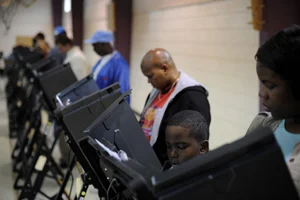
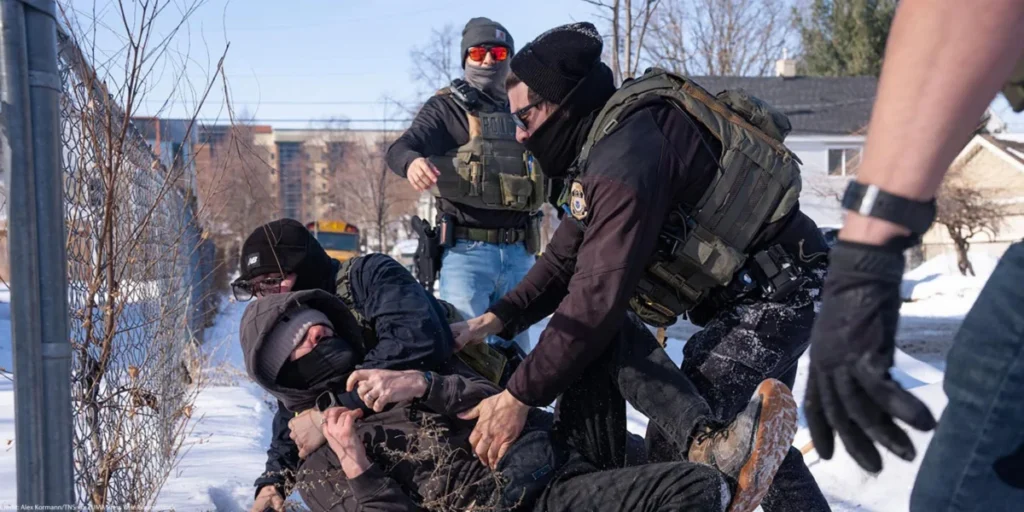
Chief among these fears is the prospect of political leaders pressuring election officials to manipulate vote counts, a scenario that respondents view as a tangible threat to the peaceful transfer of power. Furthermore, there is significant alarm regarding the potential for the federal government to declare a state of emergency as a pretext to halt elections altogether. Perhaps most chilling to pollsters was the finding that a significant segment of the population fears the deployment of Immigration and Customs Enforcement (ICE) agents to polling places—a tactic that would serve as a form of state-sanctioned voter intimidation.
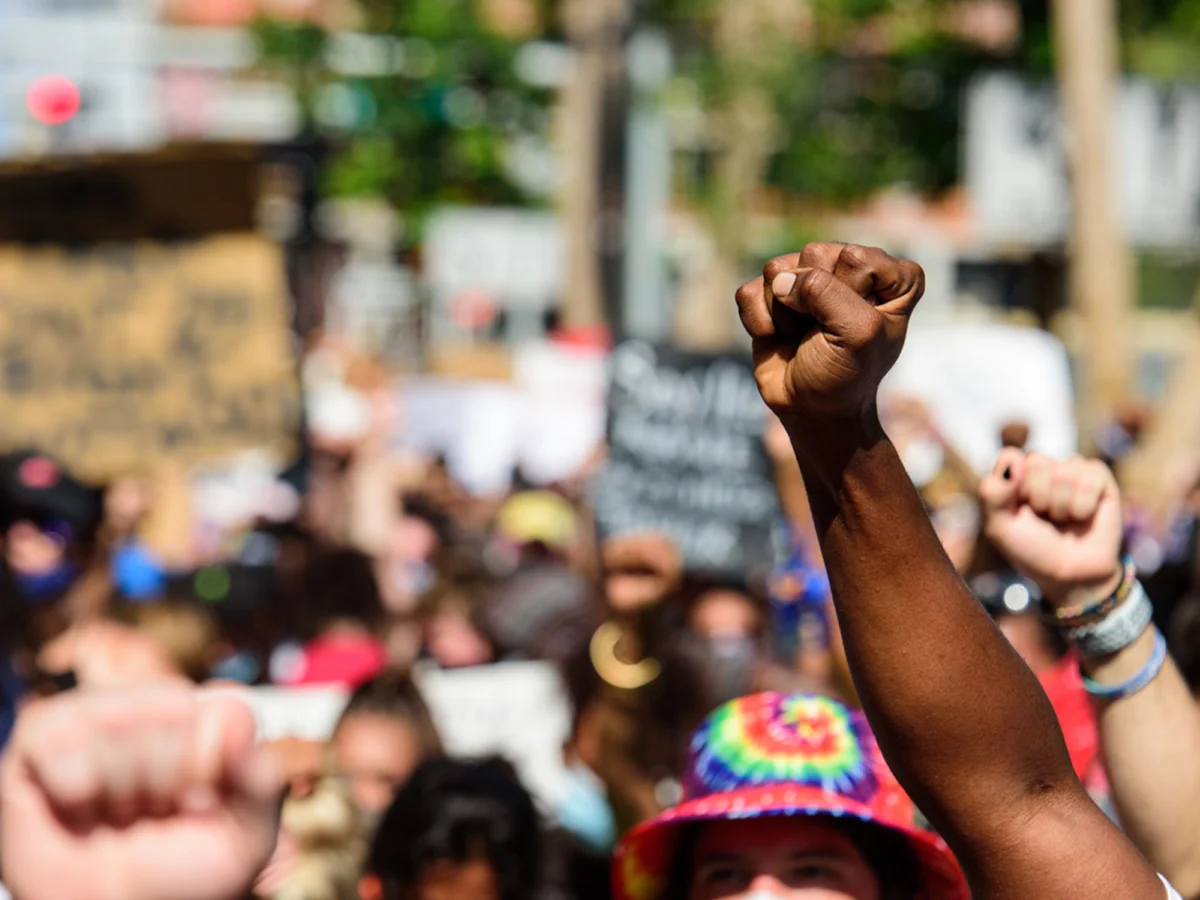
"What worries voters most right now ought to worry all of us, because they are describing threats to the machinery of democracy itself," said Maya Wiley, president and CEO of The Leadership Conference. "More than eight in 10 are worried that our rights and freedoms are being stripped away in this country. Black voters have seen this playbook before, which helps explain why they are both the most alarmed group in the electorate and are highly motivated to vote."
Chronology of Concern: From Rhetoric to Reality
The trajectory of public opinion over the last five years, as tracked by the Civil Rights Monitor, shows a steady decline in institutional trust. In 2022 and 2024, voters expressed concern about partisan polarization. However, the 2026 data indicates a shift toward a more existential anxiety.
Throughout the late summer of 2026, the national discourse was dominated by debates over the scope of executive power. As legislative gridlock tightened in Washington, the prospect of "governing by decree" became a primary focus for both the media and the public. The poll’s findings reflect this timeline: as the election cycle accelerated, the fear that the federal government would prioritize ideological goals over the preservation of the democratic process grew in tandem.
This chronological development suggests that the electorate is no longer merely worried about which party will control Congress; they are worried about whether the system will remain functional enough to facilitate a fair election in the first place.
Supporting Data: The Quantitative Landscape
The poll, which carries a margin of error of +/- 3.1%, provides a stark quantitative foundation for these qualitative fears. Beyond the general anxiety about democracy, the survey uncovered specific policy preferences that run counter to current administrative narratives.
- The Funding Conflict: A clear majority of 71% of respondents explicitly oppose the diversion of funds from essential social programs—specifically Medicare and the Supplemental Nutrition Assistance Program (SNAP)—to finance the expansion of ICE operations. This suggests that while immigration is a hot-button issue, voters are wary of the economic trade-offs being proposed by those advocating for more aggressive enforcement measures.
- The Strength of Diversity: In a resounding affirmation of the nation’s changing demographics, 92% of those surveyed stated that America’s diversity is a source of national strength, rather than a point of contention. This figure highlights a significant disconnect between the rhetoric of "us versus them" often employed in political campaigns and the actual values held by the vast majority of the voting public.
- Economic Vulnerability: The intersection of economic anxiety and civil rights is also a recurring theme. Voters expressed concern that rapid advancements in technology, coupled with economic instability, are exacerbating existing inequalities. The data suggests that the electorate is looking for a comprehensive, systemic approach to economic justice rather than piecemeal reforms.
Official Responses and Strategic Implications
The Leadership Conference has signaled that it views these findings as a "call to arms" for the civil rights community. The organization is preparing to mobilize resources to protect the integrity of the vote throughout the fall.
"The civil rights community will match that resolve, and we will spend this fall protecting every voter and every freedom under attack," Wiley emphasized. The strategy involves a two-pronged approach: legal observation and community engagement. By training poll monitors and increasing transparency in local election offices, the coalition hopes to preempt the threats of intimidation and interference that voters identified in the survey.
Political analysts suggest that the high level of concern among Black voters, who are identified in the report as both the most alarmed and the most motivated to participate, could serve as a "firewall" for the democratic process. In historical contexts, high turnout among this demographic has often served to stabilize democratic norms during times of turbulence.
A Third Reconstruction: A Vision for the Future
Perhaps the most aspirational finding in the monitor is the majority support for a "Third Reconstruction." This framework, which calls for a comprehensive, systemic overhaul of American laws to address the root causes of racial and economic inequality, is no longer a fringe concept.
Voters appear to be recognizing that the challenges of the current era—ranging from the erosion of voting rights to the widening wealth gap—cannot be solved by individual policies alone. Instead, there is a growing appetite for a holistic, structural transformation of the social contract. This support for a Third Reconstruction indicates that the public may be ready for bold, transformative governance, provided that it is framed around the core values of equity, justice, and the restoration of democratic integrity.
Conclusion: The Road to the Midterms
As the 2026 midterm elections draw closer, the Civil Rights Monitor serves as a vital diagnostic tool. It confirms that the American public is hyper-aware of the fragility of its institutions. The electorate is not looking away; they are watching, they are concerned, and they are preparing to voice their anxieties at the ballot box.
The combination of widespread opposition to the dismantling of social safety nets, a near-unanimous rejection of the idea that diversity is a weakness, and a profound, systemic anxiety regarding the preservation of democracy provides a clear roadmap for the challenges ahead. The next several months will test not only the candidates running for office but also the resilience of the American system itself.
As the country moves toward the November polls, the data makes one thing clear: the American people are demanding a return to the foundational principles of a fair, inclusive, and functioning democracy. Whether that demand is met will be the true test of the 2026 election cycle.
Methodology Note
This national survey of 1,000 likely voters was conducted by Brilliant Corners Research from August 23 to September 6, 2026. The study included an oversample of 100 Asian American likely voters to ensure broader demographic representation. The sample was drawn randomly from the voter file, geographically stratified, and weighted to reflect the demographics of the current electorate. The overall margin of error is +/- 3.1% at a 95% confidence interval.

 Evan Lee Salim
 Nila Kartika Wati






